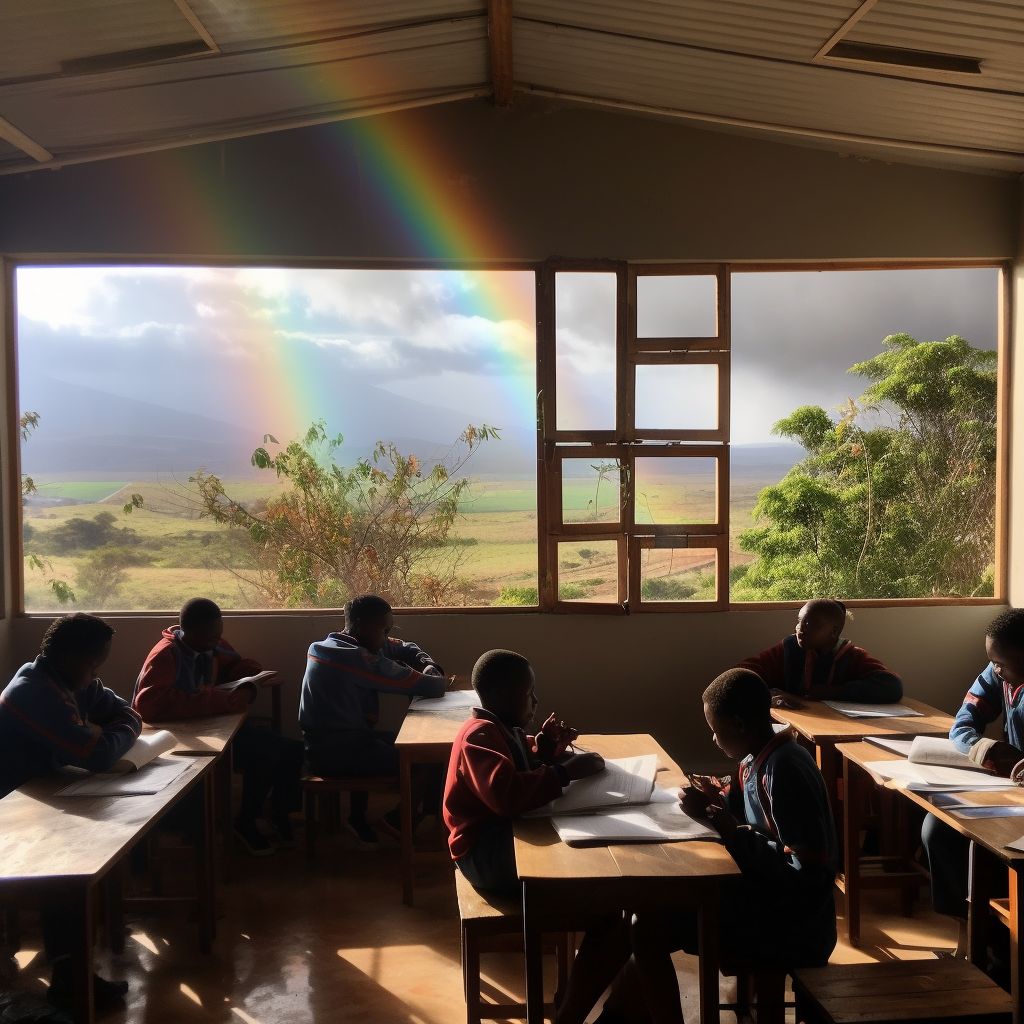
The Magic Classroom Collective is a group of educators who have been working tirelessly for over 15 years to improve the quality of education in rural Mthata in the Eastern Cape. Supported by the Nelson Mandela Institute for Education and Rural Development at the University of Fort Hare, this unique initiative has defied the odds and achieved remarkable transformations in the region’s primary schooling landscape.
Recognition
Recently, the Deputy Minister of Higher Education, Science, and Innovation, Mr. Buti Manamela, honored the Magic Classroom Collective at the Mayfair Hotel in Mthata. In his keynote address, the Deputy Minister commended the educators for their exceptional dedication to providing quality education to rural children despite formidable challenges.
Journey
The journey of the Magic Classroom Collective began with educators from some of the lowest-performing schools in the Eastern Cape who refused to accept mediocrity. They embarked on a mission to improve the quality of education in their schools and the lives of their students, despite limited resources and the challenges of rural schooling.
Collaboration and Results
Through collaboration and a shared vision, the Magic Classroom Collective has delivered impressive results. Several schools in the initiative have shown significant improvements in academic performance, now outshining better-resourced schools in Gauteng. This transformation testifies to the extraordinary power of perseverance and the importance of collaboration among teachers, researchers, and teacher educators.
Key Factors
The success of the Magic Classroom Collective can be attributed to several key factors. First and foremost is the unwavering commitment of the educators, who have dedicated their lives to improving the quality of education for children in rural areas. Additionally, the involvement of researchers and teacher educators has allowed the Collective to stay informed about the latest developments in teaching and learning, ensuring that their methods are effective and relevant.
Supportive Environment
The Magic Classroom Collective has also placed a strong emphasis on creating a supportive and nurturing environment for both teachers and students. The schools involved in the initiative provide a safe and encouraging space for students to learn and grow, fostering a love for learning that is often lacking in underprivileged communities.
Importance of Partnerships
The Magic Classroom Collective highlights the importance of partnerships in driving change within the education sector. The initiative’s collaboration with the Nelson Mandela Institute for Education and Rural Development and the University of Fort Hare has provided invaluable support and resources for the Collective’s work.
The Magic Classroom Collective serves as a beacon of hope in today’s world, where disparities in education continue to widen. Their efforts demonstrate that even in the most challenging circumstances, it is possible to enact change and significantly improve the quality of education for countless children. With continued support, the Magic Classroom Collective can continue to pave the way for a brighter future for rural children in the Eastern Cape and beyond.