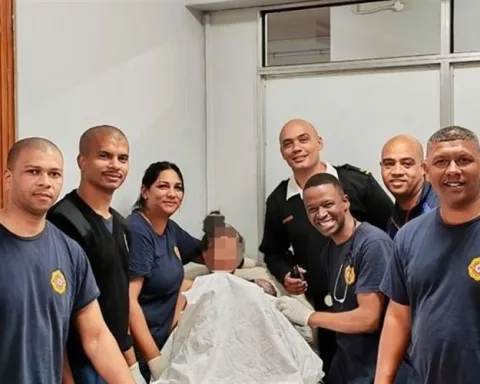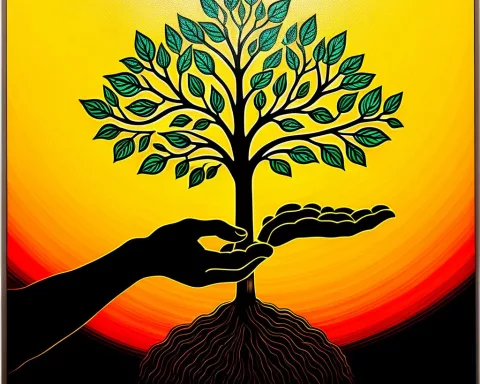

Mandela Day is celebrated every July 18th to honor Nelson Mandela’s life and values. People spend 67 minutes helping their communities by feeding the hungry, cleaning up neighborhoods, and supporting schools. From big cities to small towns, this day brings people together to show kindness and care. Simple acts like sharing food or painting classrooms remind us that small efforts can create big change. Mandela Day inspires everyone to live with compassion, hope, and a spirit of unity.
What is Mandela Day and how is it celebrated?
Mandela Day, celebrated annually on July 18th, honors Nelson Mandela’s legacy by inspiring people worldwide to dedicate 67 minutes to community service. Activities include feeding the hungry, supporting education, restoring public spaces, and environmental cleanups, reflecting Mandela’s values of justice, equality, and ubuntu.
The Spirit of Mandela Day: A Nation Unites in Giving
Each year, as winter air sweeps across South Africa in July, a unique sense of connection awakens in communities from vibrant urban centers to quiet rural townships. Mandela Day—celebrated annually on July 18th—invites people of all backgrounds to renew their bonds with one another and their neighborhoods. This significant date, chosen to commemorate Nelson Mandela’s birthday, symbolizes far more than a mere celebration. It embodies a national pledge to justice and equality, mirroring the 67 years that Mandela invested in championing these causes. For many, the day’s essence lies in devoting 67 minutes to community service, a practice that has spread from South Africa to inspire people around the globe.
Mandela Day draws its power from ordinary people choosing to take meaningful action. Much like the great movements for human rights in the twentieth century, or the wave of volunteerism that swept through postwar societies, Mandela Day stitches together countless small efforts into a vibrant collective force. Every year, diverse organizations and individuals design projects that capture both the urgency and optimism of Mandela’s vision—transforming simple gestures into powerful acts of solidarity.
This day serves as a reminder that true change emerges when individuals join together—whether by nourishing neighbors, uplifting children, or reviving public spaces. In this spirit, Mandela Day transforms scattered acts of kindness into a unified movement for social betterment, highlighting the ongoing relevance of Mandela’s message for today’s world.
Feeding Bodies, Nourishing Spirits: Campaigns That Combat Hunger
Food, as both a necessity and a symbol of community, has always played an essential role in South Africa’s story. On Mandela Day, campaigns that address hunger and food insecurity become a focal point, echoing the communal meals and gatherings that once strengthened resistance movements in the nation’s history. Among these initiatives, Chefs with Compassion stands out for its innovative approach to food rescue and redistribution. Through their annual #67000litres Challenge, now in its sixth year, they invite not only professional chefs but also everyday citizens, restaurants, and community kitchens to save surplus ingredients from going to waste. Volunteers sign up to cook, supply ingredients, or spread awareness through digital platforms, turning kitchens into sites of both sustenance and activism.
Every simmering pot of soup prepared as part of this campaign represents more than a meal—it is a statement against both hunger and unnecessary waste, reflecting Mandela’s values of generosity and prudent resource use. Chefs with Compassion brings people together over shared nourishment, reminding us of the communal spirit that underpinned South Africa’s long walk to freedom. The campaign’s visible impact in neighborhoods, schools, and community centers reaffirms the idea that even small contributions can ripple outward, making a meaningful difference in the fight against food insecurity.
Cape Town’s Ladles of Love channels similar energy, focusing its efforts on feeding vulnerable children. Volunteers assemble food parcels, serve hot meals, and create spaces of warmth and hope for those who might otherwise go without. The organization’s founder, often surrounded by enthusiastic young assistants, believes that a single nourishing meal can ignite hope and restore dignity. Their mission echoes the philosophy of the Black Consciousness movement, where collective action and simple acts of care became forms of resistance and affirmation.
Building Futures: Education, Dignity, and Restored Spaces
Mandela placed immense value on education, seeing it as the most powerful tool for transforming society. Mandela Day amplifies this legacy with initiatives that support learning and nurture children’s dreams. The Love Trust, for example, dedicates Mandela Day to uplifting schools through vital resources and mentorship. At Nokuphila School in Thembisa, Midrand, volunteers don painting gear to breathe new life into classrooms, turning faded walls into vibrant canvases. Terri-Lynn Smith, who heads fundraising and communications, observes that these efforts, though modest, carry deep significance—they represent a collective belief in every child’s right to a beautiful, safe, and nurturing learning environment.
Restoring a classroom combines practical necessity with a creative act of hope, much like the Bauhaus artists who sought to blend function and social purpose. Volunteers invest their time and skills, confident that these renovated spaces will inspire both students and teachers for years to come. Every brushstroke becomes a declaration that the future matters, that children deserve opportunities, and that the community stands behind them.
Beyond education, Mandela Day also honors the importance of restoring dignity in other tangible ways. The Cape Town Central City Improvement District’s annual Blanket Drive provides comfort to the city’s most vulnerable during the coldest months. At Kamili Coffee’s shopfront, donors receive not just gratitude but also a complimentary cup of coffee, transforming the act of giving into a moment of shared warmth. This gesture reflects the culture of hospitality that Mandela himself often embodied, where even brief encounters became opportunities for connection.
Healing, Memory, and Environmental Care: A Broader Legacy
Mandela Day’s reach extends into addressing deep-seated wounds in society. In Cape Town’s sexual offences courts, thousands of children face trauma each year. The Ward 71 Mandela Day Drive responds by gathering not only food and clothing but also items that bring comfort—books, crayons, and soft toys—directly to young survivors. These small tokens of care help to soften the harshness of their experiences, offering reassurance and hope in moments of great vulnerability.
The day also reconnects communities with their cultural roots. At Ikamva Labantu’s beading and storytelling sessions, elders share personal histories and traditional skills with younger generations. Hand-strung beads, crafted in patterns both old and new, become living symbols of South Africa’s multilayered identities. These gatherings reclaim narratives often absent from official histories, giving youth a tangible sense of heritage and belonging.
Preserving memory also takes shape at the Camissa Museum, which safeguards the stories of Cape Town’s indigenous, enslaved, and displaced peoples. Donations on Mandela Day support educational programs, volunteer training, and school workshops, ensuring that these crucial histories remain accessible and alive. The museum stands as both archive and community space, weaving ancestral threads back into the city’s fabric and echoing global trends in participatory, healing-focused museum work.
Mandela Day’s commitment to service also takes visible form along South Africa’s shores. The Two Oceans Aquarium’s Trash Bash, a beach cleanup held at Sunset Beach, unites volunteers in caring for the environment. Recent storms have left debris scattered along the coastline, but participants—bags in hand—restore the natural beauty of the area, echoing the spirit of Earth Day and global environmental movements. Even rescued pets join in, adding a sense of joy and unity to the scene. These acts not only promote ecological health but also reinforce the interconnectedness of people, place, and planet.
Everyday Ubuntu: Small Acts, Lasting Impact
While large campaigns make headlines, Mandela Day also values the quieter gestures—reading to children, visiting elders, or checking on isolated neighbors. These simple acts reflect the philosophy of ubuntu, which Mandela championed throughout his life: “I am because we are.” By reaching out in small ways, individuals strengthen the social fabric and remind one another of their shared humanity.
Across South Africa, from the busiest urban districts to the most remote villages, the country comes alive with a patchwork of service and solidarity. Whether painting a classroom, preparing a communal meal, distributing blankets, or picking up litter from a beach, South Africans and their allies worldwide celebrate Mandela’s enduring message: that each person has the power to effect change.
Mandela Day stands as a living testament to the belief that service, grounded in history and driven by imagination, can shape societies for the better. Through art, education, nourishment, and environmental stewardship, the people of South Africa renew their commitment to building a nation where dignity, hope, and opportunity are available to all. In embracing both the legacy and the dreams of Nelson Mandela, they continue to weave a future defined by compassion and possibility.
What is Mandela Day and why is it celebrated?
Mandela Day is celebrated every year on July 18th, Nelson Mandela’s birthday, to honor his life, values, and legacy. It encourages people worldwide to dedicate at least 67 minutes to community service, representing the 67 years Mandela spent fighting for justice, equality, and human rights. The day is marked by acts of kindness such as feeding the hungry, supporting education, cleaning up public spaces, and promoting unity and compassion.
What kinds of activities are typically done on Mandela Day?
Activities on Mandela Day range from feeding the hungry and providing food parcels to vulnerable communities, restoring and painting classrooms, environmental cleanups, distributing blankets to those in need, and cultural events like storytelling and beading. These acts reflect Mandela’s values of ubuntu: “I am because we are,” emphasizing community care, solidarity, and dignity.
How does Mandela Day address issues like hunger and food insecurity?
Mandela Day highlights campaigns that combat hunger and food waste, such as the Chefs with Compassion #67000litres Challenge, which rescues surplus food and redistributes it to those in need. Organizations like Ladles of Love provide hot meals and food parcels to vulnerable children. These initiatives transform kitchens into spaces of activism and nourishment, reinforcing the communal spirit Mandela championed.
In what ways does Mandela Day support education and children’s futures?
Education was a cornerstone of Mandela’s vision. Mandela Day supports schools by providing mentorship, resources, and refurbishing learning environments. For example, volunteers at Nokuphila School repaint classrooms to create safe, inspiring spaces for students. These efforts symbolize hope and the community’s commitment to nurturing every child’s potential.
How does Mandela Day contribute to healing and cultural preservation?
Mandela Day goes beyond service by addressing trauma and preserving heritage. Efforts include providing comfort items to child survivors of abuse, hosting beading and storytelling sessions that reconnect youth to their cultural roots, and supporting museums like the Camissa Museum, which preserves the histories of indigenous and displaced peoples. These activities foster healing, memory, and a sense of belonging.
What is the significance of the “67 minutes” on Mandela Day?
The 67 minutes represent the 67 years Nelson Mandela devoted to public service and fighting for human rights. Dedicating this time encourages everyone, regardless of background or ability, to contribute in meaningful ways to their communities. Whether through small daily acts or larger organized projects, these minutes serve as a reminder that individual efforts collectively drive social change and embody Mandela’s spirit of compassion and unity.