Mdumiseni Zuma is facing sentencing for his role in sparking the 2021 unrest in KwaZulu-Natal and Gauteng. Zuma, who was convicted of violating the Riotous Assemblies Act, posted a video instigating people to engage in looting, which became a catalyst for the chaos that followed. His admission of guilt during the trial offered a glimpse into the regrettable aftermath of the unrest. Zuma’s impending sentencing serves as a testament to the consequences of unchecked incitement and violence.
Mdumiseni Zuma, also known as the instigator of the July 2021 unrest, is set to face sentencing in the Pietermaritzburg Magistrates Court. Having been found guilty of violating the Riotous Assemblies Act, Zuma played a significant part in sparking the violence that engulfed KwaZulu-Natal and Gauteng. His fate is now in the spotlight as he prepares for the next stage of his legal battle.
Zuma’s Provocations
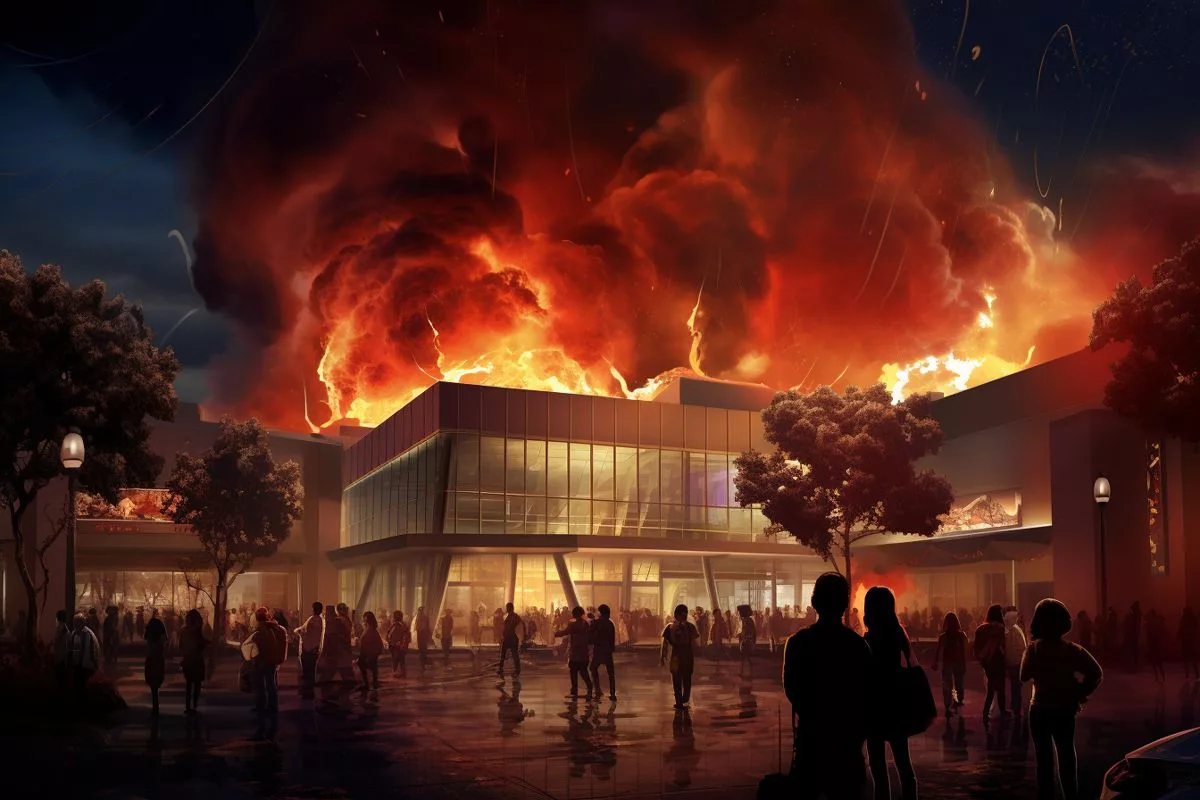
During the height of unrest, Zuma posted a video in which he was seen in a mall, brazenly calling on people to engage in looting if the mall remained open the next day. This video, an open declaration of defiance against law and order, became a catalyst for the ensuing chaos. Predictably, the mall was soon targeted by rampant looting and eventually set ablaze.
Admission of Guilt
During the trial, Zuma acknowledged that his provocations may have tipped the scales, leading others down the path of lawlessness. Although a stark reminder of the potency of inflammatory rhetoric, his admission offered a glimpse into the regrettable aftermath of the unrest.
Verdict and Conviction
In September, the Pietermaritzburg Regional Court delivered its verdict, convicting Zuma of inciting public violence. This conviction was linked to the inflammatory video he had filmed and disseminated on WhatsApp, related to the Brookside Mall in Pietermaritzburg. The presiding officer maintained that Zuma’s video could have potentially triggered people to engage in public violence, providing a legal underpinning to the narrative that his actions were fuelled by disregard for the peace and stability of the region.
Impending Sentencing
Natasha Kara, the spokesperson for the National Prosecuting Authority (NPA), confirmed Zuma’s conviction for inciting people to gather and commit public violence, a breach of sections 17 and 18 of the Riotous Assemblies Act. The court case was adjourned to 9 October 2023 to allow for pre-sentencing reports prior to sentencing.
Legal Scrutiny
In an intriguing turn of events, the video featuring Zuma came under severe criticism and scrutiny in the Pietermaritzburg Magistrates Court. The footage, believed to have ignited the violence in KwaZulu-Natal, landed Zuma in legal hot water due to its widespread circulation on social media. It showed Zuma openly urging people to set Brookside Mall in Pietermaritzburg on fire if it remained operational during the unrest.
Significance of Sentencing
Zuma’s impending sentencing marks a significant moment in his life, serving as a testament to his role in the 2021 unrest. It sends a message to the public and legal world, a stark reminder of the consequences of unchecked incitement and violence. As the narrative continues to unfold, the world will watch closely how justice is administered and the repercussions it will have on the broader landscape.
1. Who is Mdumiseni Zuma and what is he being sentenced for?
Mdumiseni Zuma is facing sentencing for his role in sparking the 2021 unrest in KwaZulu-Natal and Gauteng. He was convicted of violating the Riotous Assemblies Act by posting a video instigating people to engage in looting, which became a catalyst for the chaos that followed.
2. What did Zuma do to provoke the unrest?
During the height of the unrest, Zuma posted a video in which he was seen in a mall, brazenly calling on people to engage in looting if the mall remained open the next day. This video, an open declaration of defiance against law and order, became a catalyst for the ensuing chaos.
3. Did Zuma admit to his role in the unrest?
During the trial, Zuma acknowledged that his provocations may have tipped the scales, leading others down the path of lawlessness. Although a stark reminder of the potency of inflammatory rhetoric, his admission offered a glimpse into the regrettable aftermath of the unrest.
4. What was Zuma convicted of?
In September, the Pietermaritzburg Regional Court delivered its verdict, convicting Zuma of inciting public violence. This conviction was linked to the inflammatory video he had filmed and disseminated on WhatsApp, related to the Brookside Mall in Pietermaritzburg.
5. When is Zuma’s sentencing scheduled?
The court case was adjourned to 9 October 2023 to allow for pre-sentencing reports prior to sentencing.