Minister Nzimande’s Visit to University of Fort Hare

1 min read
south africa higher education

On June 23rd, Dr. Blade Nzimande, the Minister of Higher Education, Science, and Innovation, visited the University of Fort Hare in a series of follow-up engagements with the University Council and various stakeholders.

A Rich History

The University of Fort Hare has a rich history as a key institution for black higher education in South Africa during apartheid. It has produced notable alumni such as Nelson Mandela and Oliver Tambo.

Newsletter

Stay Informed • Cape Town

Get breaking news, events, and local stories delivered to your inbox daily. All the news that matters in under 5 minutes.

Join 10,000+ readers
No spam, unsubscribe anytime

Collaborative Consultations

Dr. Nzimande’s visit began with a series of consultations between 9:00 am and 12:30 pm. Various stakeholders, including the University Council, Executive Management, Trade Unions, and the Student Representative Council, were part of the collaborative approach to understand the challenges and successes faced by the institution.

Engaging the Community

Dr. Nzimande’s visit served as an opportunity to engage with the University of Fort Hare’s community, creating a dialogue that would ultimately benefit the institution and its stakeholders. This visit highlights the importance of the university in the national landscape, and the ongoing commitment to the advancement of education and equality throughout the country.

Campus Tour

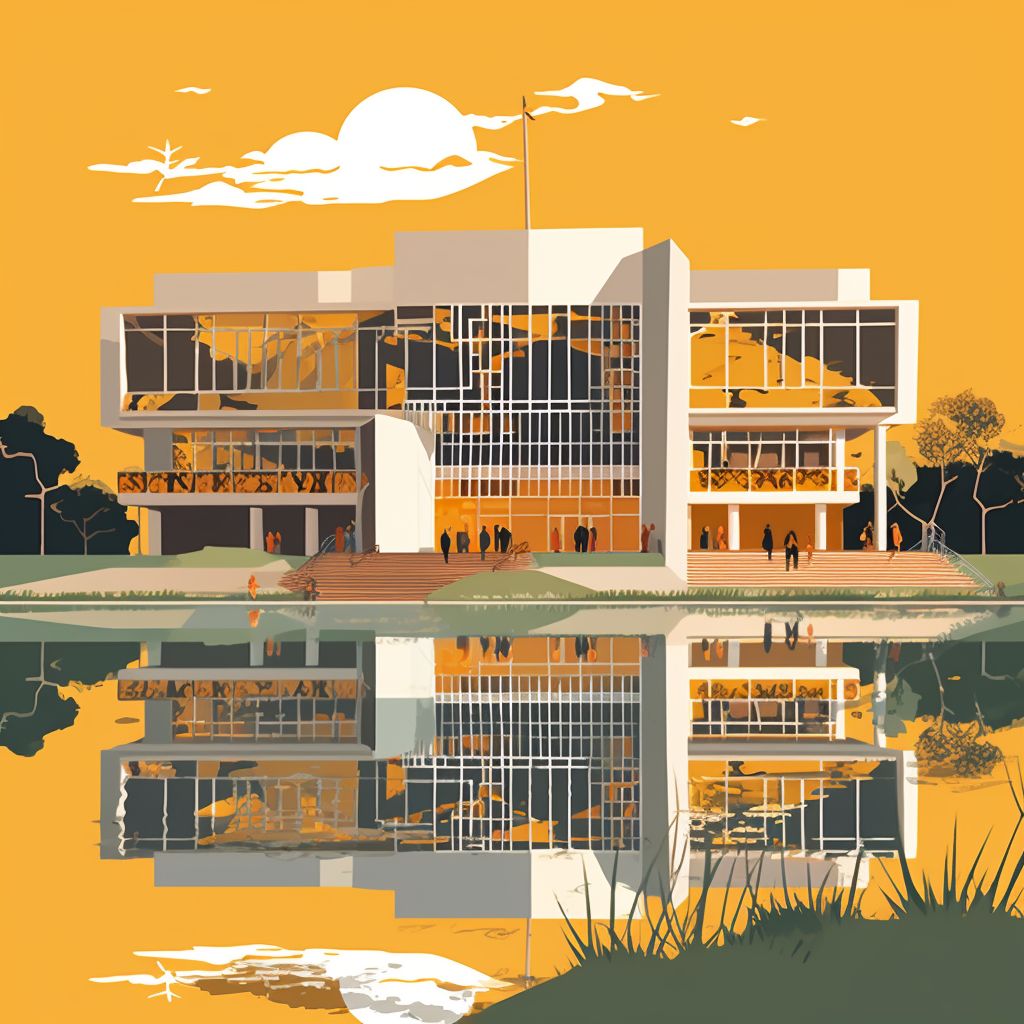
During the visit, Dr. Nzimande explored the campus and its facilities, including the Phyllis Ntantala Collaborative Library. The library stands as a symbol of the university’s dedication to academic excellence and serves as a hub for students and faculty.

Media Briefing

Following the consultations, Dr. Nzimande held a media briefing at the University of Fort Hare’s Phyllis Ntantala Collaborative Library. The briefing allowed the minister to share insights from his visit and engage with the media in an open and transparent manner.

Accessibility

The University of Fort Hare ensured that the event was accessible to a wider audience by providing links to platforms such as Facebook, Twitter, LinkedIn, WhatsApp, and email. This speaks to the university’s commitment to openness and transparency.

A Commitment to Education

Dr. Blade Nzimande’s visit to the University of Fort Hare highlights the commitment of the South African government to higher education and the role that institutions like Fort Hare play in the country’s development. By engaging with various stakeholders and exploring the campus, the minister demonstrated a genuine interest in the university’s welfare.

A Reminder of the Value of Education

The University of Fort Hare remains an essential institution in South Africa. The engagement with its stakeholders by Dr. Nzimande serves as a reminder of the value placed on education and its role in shaping the nation’s future. Through collaboration and engagement, institutions like Fort Hare can continue to thrive and make a lasting impact on the lives of its students and the country as a whole.


A Russian-Spanish journalist and Cape Town native, channels his lifelong passion for South Africa into captivating stories for his local blog. With a diverse background and 50 years of rich experiences, Serjio's unique voice resonates with readers seeking to explore Cape Town's vibrant culture. His love for the city shines through in every piece, making Serjio the go-to source for the latest in South African adventures.

Leave a Reply

Your email address will not be published.

Previous Story

President Cyril Ramaphosa’s Vision for a Just Energy Transition: A Comprehensive Analysis

Next Story

Unstoppable Young Entrepreneurs: A Celebration of the 2023 #YouthStart Entrepreneurial Challenge Winners

Latest from Blog

From Lavender Fields to AI Guards: How Four SA Teens Stormed a Bali Science Fair

Four South African teens stormed the Bali Science Fair, showcasing incredible innovations. Wium Van Niekerk created a lavenderbased biofungicide that outsmarted billionrand fungi. Ismaail Hassen’s “WalkMan” gave shoulders eyes for the visually impaired, spreading freedom of movement. Milla Vorster crafted 3Dprinted heart valves from cow tendon, while Dzunisa Chauke’s AI bot became a truth defender against fake voices. These young minds not only won top awards but are now poised to revolutionize their fields, proving that ingenuity knows no bounds.

Waterfront Surrendered to Sound: Inside the 2026 Cape Town Jazzathon

Get ready for the Cape Town Jazzathon, a free music party turning the waterfront into a wild stage! From January 911, 2026, you’ll hear amazing jazz from new stars and old pros, all without a ticket. Imagine marble docks as drum spots and glass shops echoing bass, as boat horns and even the noon gun become part of the music. It’s a joyful, loud celebration where everyone is welcome to dance and soak in the sounds.

From Peckham to Pretoria: The Zero-Fee Revolution That Puts Every Rand Back Where It Belongs

Forget those annoying fees that used to eat up your hardearned money when sending cash back home! Taptap Send is here to make sure every single rand gets to your loved ones in South Africa. They do this by cleverly buying rand ahead of time and using smart tech to avoid all those usual charges. Now, your family gets the full amount, helping them buy groceries or pay for school, all with zero fuss and zero fees.

Silent Bicycles, Loud Reminders: Cape Town’s Roadside Memorials for Fallen Riders

In Cape Town, whitepainted “ghost bikes” stand as silent, stark memorials where cyclists have tragically lost their lives. These eerie monuments, placed by the Pedal Power Association, scream a vital message without a sound: slow down, pay attention, and share the road. They are urgent reminders to drivers about the real, human cost of accidents and a powerful plea for greater cyclist safety. Each bike is a fresh wound in the landscape, whispering a story of loss and demanding change.

One Rand, One Pair, One Nation: How FNB and PEP Rewrote January Shopping

FNB and PEP teamed up to sell school shoes for just 99 cents, making a huge splash! This supercheap deal brought in tons of new customers for FNB and made people spend triple the usual amount at PEP. It wasn’t just about shoes; it was a smart trick to get people hooked. This amazing idea helped families, boosted sales, and even helped kids do better in school!