Minister Patricia de Lille visited Manyane Lodge to draw attention to its unfinished state, which has been a cause of concern since 2016 due to rising costs and a request for additional funding. However, the Department of Tourism has engaged the Development Bank of South Africa to finalize the project and has set aside R27.9 million to refurbish and complete existing facilities. The completion of Manyane Lodge has the potential to trigger private sector investment, generate employment, and bring prosperity to the North West Province communities.
Minister Patricia de Lille visited Manyane Lodge to highlight the incomplete state of the infrastructure initiative. The project has been stalled since 2016 due to rising costs and a request for additional funding. However, the Department of Tourism has engaged the Development Bank of South Africa to finalize the project and set aside R27.9 million for the refurbishment and completion of the existing facilities. Once completed, the Manyane Lodge could trigger private sector investment, generate employment, and bring prosperity to the communities of the North West Province.
A Day of Revelation
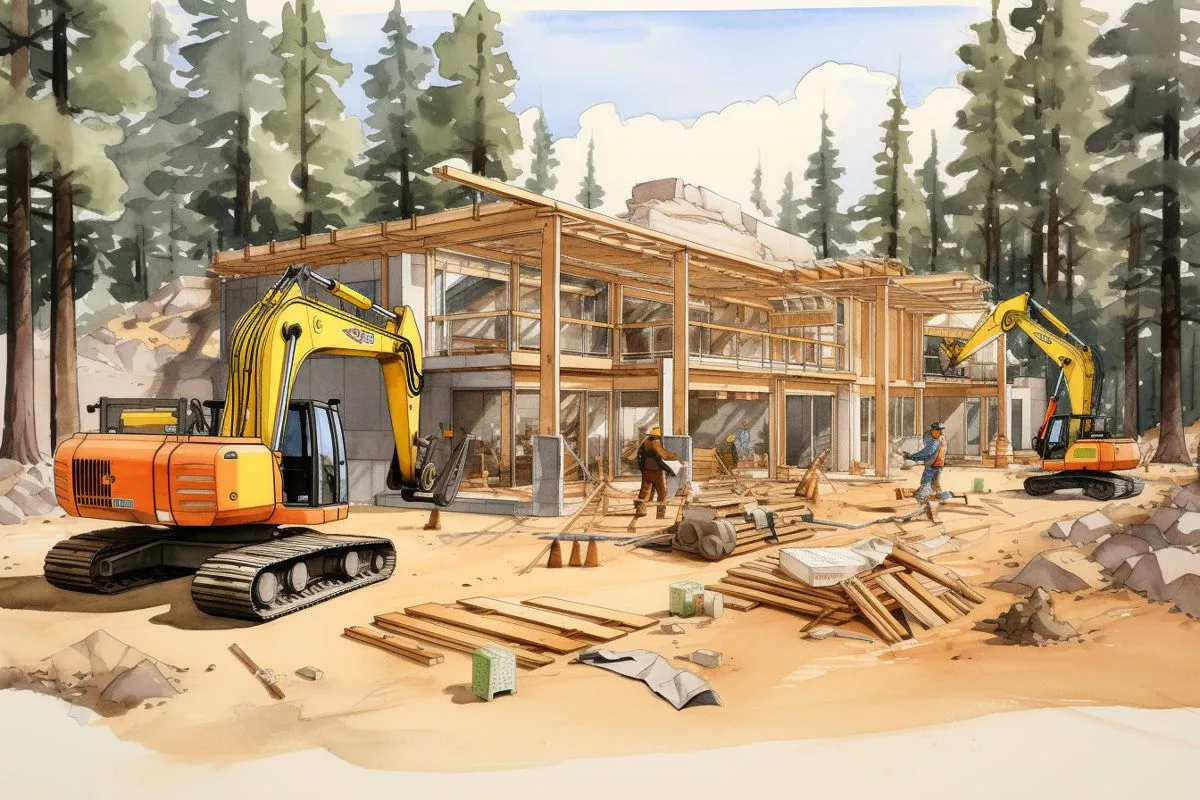
Minister Patricia de Lille, accompanied by relevant stakeholders, embarked on a journey to Manyane Lodge, situated in Mahikeng, North West. The lodge, contrary to expectations, was not a vibrant tourist attraction but an unfinished structure, echoing the intricate process of infrastructure development.
The Manyane Lodge infrastructure initiative has remained in this incomplete state for an extended period. Minister de Lille’s tour was not just for observation purposes but also acted as a wake-up call, an appeal for quick action. The protracted concern surrounding the incomplete lodge has been a point of worry for not only the Department of Tourism but also other involved stakeholders. The future of the project hung in the balance.
However, the finalization of the Manyane Lodge is not just another task on the Department’s to-do list; it is of paramount importance. The lodge represents the possibility of tourism infrastructure as a lucrative investment that can trigger private sector investment, generate employment, and bring prosperity to the communities of the North West Province.
Unfinished Lodge: A Tale of Delayed Progress
Contrarily, the unfinished state of the lodge tells a different story. The incomplete project has cast a significant shadow on tourism activities and the community, as well as the tourism industry in the region. Minister de Lille was candid, emphasizing the delay’s “adverse effect.”
Historically, the lodge’s management falls under the North West Parks and Tourism Agency’s jurisdiction. The Agency sought the Department of Tourism’s assistance for a lodge upgrade, encompassing the renovation of existing chalets and guardhouses, construction of new chalets and a restaurant, and improvement of bulk services – water, sewer, and electricity.
The project was awarded to Re A Aga Infrastructure Pty Ltd, with an initial budget of R 48.4 million in November 2011. The project saw some progress, and by 2015, R 47,884,114 had been invested in the project. However, the project stalled due to rising costs and a request for additional funding, which was not granted.
A Government Technical Advisory Centre (GTAC) project review in 2016 resulted in a temporary halt. Regrettably, the lodge has seen no improvements since 2016. The project’s stagnation has led to vandalism and theft incidents since 2020, exacerbating the lodge’s predicament.
The Manyane Lodge infrastructure initiative, once considered a ray of hope for the tourism sector, has instead evolved into a symbol of fruitless and wasteful expenditure. The Auditor-General drew attention to this in the Department’s 2018/19 audit report. Legal proceedings to recover the funds are currently active.
A Promising Future Amid Challenges
The State Attorney in Pretoria has been assigned to retrieve the money on behalf of the Department of Tourism. Adding another layer of complexity, the Public Protector’s Office also has an ongoing case concerning the project.
Regardless of the hurdles, Minister de Lille remains steadfast, pledging to resolve the issues and ensure the project’s timely and budgeted completion. In 2021, the Department of Tourism engaged the Development Bank of South Africa (DBSA) to finalize various tourism infrastructure initiatives, including the Manyane Lodge.
The DBSA has set aside R27.9 million for the project, including the refurbishment and completion of existing facilities, a 50-seater conference hall construction, chalets’ refurbishment, swimming pool, guardhouse, and general landscaping. The installation of a diamond mesh security fence is also in the plans for enhanced security measures.
The tale of the Manyane Lodge infrastructure initiative underlines the intricacies and challenges linked with infrastructure development. Yet, it also acts as a powerful reminder of its potential – the ability to enhance investment, generate job opportunities, and, ultimately, transform communities. The lodge, once finished, could be a linchpin for the region’s tourism industry. However, as Minister de Lille’s visit demonstrated, it still remains a work in progress, a project yet to reach its completion.
1. Why did Minister Patricia de Lille visit Manyane Lodge?
Minister Patricia de Lille visited Manyane Lodge to draw attention to its unfinished state, which has been a cause of concern since 2016 due to rising costs and a request for additional funding.
2. What steps have been taken to complete the project?
The Department of Tourism has engaged the Development Bank of South Africa to finalize the project and has set aside R27.9 million to refurbish and complete existing facilities.
3. What potential does completing Manyane Lodge have for the region?
Completing Manyane Lodge has the potential to trigger private sector investment, generate employment, and bring prosperity to the North West Province communities.
4. Why has the project been stalled since 2016?
The project stalled due to rising costs and a request for additional funding, which was not granted. A Government Technical Advisory Centre (GTAC) project review in 2016 resulted in a temporary halt.
5. What is the plan for completing the project?
The Development Bank of South Africa has set aside R27.9 million for the project, including the refurbishment and completion of existing facilities, a 50-seater conference hall construction, chalets’ refurbishment, swimming pool, guardhouse, and general landscaping. The installation of a diamond mesh security fence is also in the plans for enhanced security measures.
6. What potential does completing the project have for the tourism industry?
Completing the Manyane Lodge infrastructure initiative represents the possibility of tourism infrastructure as a lucrative investment that can trigger private sector investment, generate employment, and bring prosperity to the communities of the North West Province.