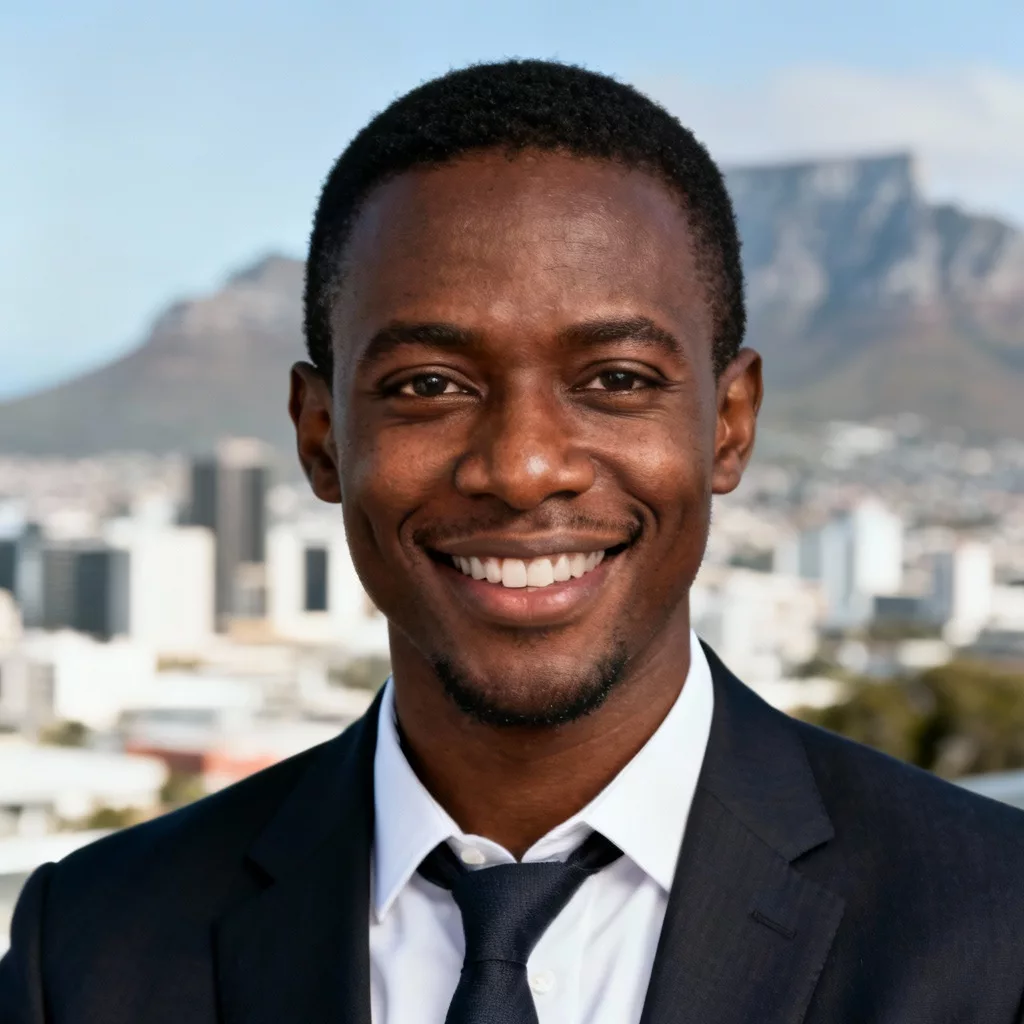
MJ Mahlangu was a brave and wise leader who helped end apartheid and build South Africa’s democracy. He worked hard to bring people together, making sure all voices were heard when writing the new Constitution. Later, he helped connect South Africa’s provinces with the national government and represented the country as a respected diplomat abroad. Known for his kindness and fairness, MJ’s life reminds us that true leadership means serving others with courage and respect. His legacy shines brightly, inspiring South Africans to keep building a just and united nation.
Who was MJ Mahlangu and what was his role in South Africa’s democracy?
MJ Mahlangu was a key architect of South Africa’s democracy, known for his leadership in negotiating the end of apartheid, shaping the Constitution, and strengthening provincial representation in the National Council of Provinces. He also served as a respected diplomat abroad.
Foundations of Purpose: Early Life and Political Awakening
Mninwa Johannes Mahlangu – known to many as “MJ” – emerged from the mining town of Middelburg, Mpumalanga, born in October 1952. Growing up in the shadow of apartheid, he experienced firsthand the unforgiving reality of a system built on discrimination and exclusion. These early years, marked by political repression and deep social divides, sparked within him a passion for justice and equality that would guide his life’s work.
During his formative years, MJ witnessed his community’s struggles and resilience. The experience of seeing neighbors band together against injustice left a lasting impression on him. He understood early on that change required both defiance and compassion – a lesson that shaped his approach to leadership later in life. These challenges did not deter him; instead, they sharpened his resolve to pursue a more humane and just society.
As he matured, Mahlangu embraced activism, joining a generation determined to transform South Africa. He recognized the importance of both personal integrity and collective action, setting a foundation for his future role at the heart of the country’s historic transition. This period of awakening laid the groundwork for his lifelong commitment to the principles of democracy and equality.
Shaping South Africa’s Path: Negotiator and Constitution-Builder
When the apartheid regime began to falter in the early 1990s, Mahlangu stepped into the national spotlight. The country faced a crossroads, and a new cohort of leaders took on the monumental task of negotiating a peaceful transition to democracy. Unlike those who sought the comfort of the status quo, MJ answered the call, participating in the multiparty talks that paved the way for a new South Africa.
In the tense, uncertain days of negotiation, MJ’s calm and steady demeanor proved invaluable. Colleagues recall how he brought adversaries to the table, encouraging dialogue over division. He earned a reputation for openness, listening carefully and building relationships across the political spectrum. Through patient persistence and a willingness to seek compromise, he helped stitch together agreements that would form the backbone of the nation’s future.
Following South Africa’s first democratic elections in 1994, Mahlangu became one of the country’s inaugural Members of Parliament. He soon took on a central role in the Constitutional Assembly, where leaders from across the nation debated and drafted the new Constitution. This foundational document, widely celebrated for its inclusive approach and commitment to human rights, bears the fingerprints of Mahlangu’s vision and values.
The process of crafting South Africa’s Constitution demanded months of intense debate and collaboration. MJ distinguished himself as a consensus-seeker, always guided by the principle that human dignity should remain at the heart of the nation’s laws. His ability to weave together differing ideas while upholding core democratic principles mirrored the efforts of constitutional architects throughout history. By the time the document was adopted, Mahlangu had firmly established himself as a guardian of the democratic project.
Championing Provincial Voices: Leadership in the NCOP
With the new democracy established, MJ Mahlangu’s journey continued in the National Council of Provinces (NCOP), a vital institution designed to ensure that provincial interests shaped national policy. He first served as Permanent Deputy Chairperson, then rose to Chairperson, positions in which he worked tirelessly to strengthen the NCOP’s role in governance.
Mahlangu took seriously the challenge of making the NCOP more than just a symbolic body. He organized forums and debates where provincial representatives could engage robustly with legislative proposals, ensuring local concerns influenced national decisions. Under his guidance, the NCOP developed a reputation for fostering genuine collaboration between the central government and the provinces. His peers often noted his humility – rare among political figures – and his consistent effort to make every voice count.
During his tenure, South Africa examined global models of federalism, looking to countries like Germany and Canada for inspiration. Rather than simply copying these examples, MJ led the NCOP in forging a uniquely South African approach. He understood the historical complexities and diverse aspirations of the country’s regions, and worked to build a system of cooperative governance that reflected this reality. His leadership helped embed a culture of respect and partnership between different levels of government.
Mahlangu’s stewardship of the NCOP earned widespread respect. He maintained an open door to colleagues, welcomed criticism, and encouraged discussion on even the most contentious issues. His commitment to participatory democracy remained unwavering, and he insisted that national policy reflect the lived experiences of people across every province.
Statesmanship Abroad: Diplomatic Achievements and Global Impact
After years of service in Parliament, MJ Mahlangu turned his attention to international diplomacy. He accepted the post of South Africa’s Ambassador to the United States – a critical role at a time when the nation sought to strengthen its ties with global partners. In Washington, he represented South African interests with a blend of dignity, warmth, and strategic insight.
Mahlangu’s diplomatic journey extended to other vital postings as well. He served as High Commissioner to Kenya, Ambassador to Somalia, and Permanent Representative to the United Nations Office in Nairobi. In each of these roles, MJ brought the same commitment to consensus and respect for diverse perspectives that defined his domestic career. He engaged with world leaders and diplomats, advancing South Africa’s priorities while embodying the values of fairness and cooperation.
Colleagues and counterparts around the world respected Mahlangu’s approach to international relations. He combined formality with genuine engagement, moving easily between state banquets and informal discussions where trust and understanding truly develop. He understood that diplomacy required not just grand statements, but also the quiet cultivation of mutual respect. His legacy on the world stage endures in the strong relationships he helped foster on behalf of South Africa.
Legacy of Leadership: Influence, Inspiration, and Remembrance
Mahlangu’s approach to public service reflected a philosophy of servant leadership. He never sought personal recognition, instead channeling his energy into building up others and strengthening the institutions he served. His example echoes the wisdom of thinkers who argue that true leadership lies in service and humility, not personal ambition.
Those who worked alongside him remember Mahlangu not just for his formal achievements, but for the way he treated people – always with respect, regardless of their position. Stories from Parliament staff highlight his warmth and reliability. He valued integrity and kept his promises, creating an environment where collaboration could flourish. In the words of Parliament’s presiding figures, his dedication, honesty, and patriotism were not just slogans, but lifelong commitments.
As South Africa’s Parliament continues to carry out its responsibilities – such as fulfilling the nation’s G20 commitments and overseeing social and economic reforms – it draws inspiration from Mahlangu’s example. Figures like Mr. Bhekizizwe Abram Radebe, who now serves on essential committees, build on the foundation Mahlangu helped establish. The traditions of inclusive debate, community engagement, and constitutional fidelity remain central to Parliament’s mission.
Beyond official statements and policy initiatives, the passing of MJ Mahlangu invites the country to reflect on how it remembers its leaders. In South Africa’s vibrant cultural landscape, artists, poets, and performers often pay tribute to those who shaped the nation’s destiny. The memory of Mahlangu joins those of other visionaries – writers, creators, and activists – whose contributions live on in the ongoing pursuit of justice and transformation.
Mahlangu’s life story stands as a testament to what is possible when courage, vision, and humility guide public service. His influence continues to touch the lives of South Africans, serving as a beacon for future generations who seek to advance the cause of democracy at home and abroad.
Who was MJ Mahlangu and what was his role in South Africa’s democracy?
MJ Mahlangu was a courageous and wise leader instrumental in ending apartheid and establishing South Africa’s democracy. He played a key role in negotiating the peaceful transition from apartheid, helped draft the new democratic Constitution, and championed provincial representation in the National Council of Provinces (NCOP). Later, he served as a respected diplomat representing South Africa abroad.
What inspired MJ Mahlangu’s commitment to justice and democracy?
Born in 1952 in Middelburg, Mpumalanga, MJ Mahlangu grew up under apartheid, witnessing firsthand the harsh realities of discrimination and repression. These early experiences fueled his passion for equality and justice. The resilience of his community and the collective struggle for freedom deeply influenced his belief in leadership grounded in compassion, integrity, and collective action.
How did MJ Mahlangu contribute to the drafting of South Africa’s Constitution?
After apartheid began to collapse in the early 1990s, MJ Mahlangu participated actively in multiparty negotiations aimed at creating a peaceful democratic South Africa. Following the 1994 elections, he became a Member of Parliament and a key figure in the Constitutional Assembly. Known for seeking consensus and prioritizing human dignity, he helped shape a Constitution celebrated for its inclusivity and commitment to human rights.
What was MJ Mahlangu’s role in strengthening provincial voices through the National Council of Provinces?
MJ Mahlangu served as both Permanent Deputy Chairperson and Chairperson of the NCOP, the body designed to ensure provincial interests are represented at the national level. He worked to transform the NCOP into an effective forum for provincial engagement, encouraging dialogue between local and national governments. His leadership emphasized cooperation, respect, and a uniquely South African approach to federalism.
In what ways did MJ Mahlangu impact South Africa’s diplomacy and international relations?
MJ Mahlangu served as South Africa’s Ambassador to the United States, High Commissioner to Kenya, Ambassador to Somalia, and Permanent Representative to the United Nations Office in Nairobi. In these diplomatic roles, he was known for combining dignity with warmth, fostering mutual respect, and advancing South Africa’s global interests through dialogue and partnership.
What is the lasting legacy of MJ Mahlangu’s leadership?
MJ Mahlangu’s legacy lies in his servant leadership style – marked by humility, respect, and dedication to public service over personal ambition. His work laid the foundation for inclusive governance and cooperative democracy in South Africa. He continues to inspire current and future leaders to uphold democratic principles and serve the nation with courage and fairness, ensuring his impact endures both at home and internationally.