Cape Town is changing the way it cares for water and sanitation by buying 176 new high-tech vehicles, like water tankers and powerful cleaning trucks. These machines help fix problems faster, bring clean water to neighborhoods quicker, and keep the city’s pipes working well. Alongside smart technology, well-trained teams and community support make sure everyone plays a part in protecting water and keeping the city clean. This big upgrade gives hope for a healthier, stronger Cape Town for the future.
How is Cape Town modernizing its water and sanitation infrastructure?
Cape Town is transforming its water and sanitation services by investing R155.5 million in 176 advanced vehicles, including water tankers, jet-machine trucks, and vacuum units. This upgrade improves efficiency, reduces downtime, and enhances access to clean water through technology, skilled teams, and community partnerships.
Investing in the Future: A New Era for Cape Town’s Services
Cape Town stands at a critical juncture, where past challenges fuel present innovation. In early 2025, the City’s Water and Sanitation Directorate undertook a landmark initiative by committing more than R155,5 million to enhance essential services. This sum enabled the acquisition of 176 cutting-edge vehicles, a move designed to both modernize the existing fleet and extend the city’s capacity to serve a rapidly growing population. The strategic investment reflects a forward-thinking approach, acknowledging that robust infrastructure forms the backbone of public health and urban resilience.
Cape Town’s recent history has been anything but tranquil. The city narrowly averted the infamous “Day Zero,” an episode that threatened to leave thousands without access to basic water. The looming crisis prompted officials and residents to re-examine priorities, shifting focus toward safeguarding water resources and strengthening the systems that support daily life. Out of adversity grew a culture of vigilance and action, laying the groundwork for the transformative fleet upgrade.
Urban expansion and climate volatility continue to pressurize Cape Town’s infrastructure. Recognizing these threats, city leaders opted for a two-pronged approach: rejuvenate aging machinery and expand operational reach. Of the newly acquired vehicles, 71 replace outdated models, while 105 add fresh capacity to the city’s arsenal. This blend of renewal and expansion signals an unwavering commitment to keeping pace with modern demands and future uncertainties.
Engineering Excellence: A Closer Look at the Advanced Fleet
Cape Town’s new municipal fleet embodies technological sophistication and practical utility. Each vehicle addresses specific challenges, collectively streamlining the city’s ability to respond to breakdowns, emergencies, and routine maintenance. Central to the new lineup is a single crane truck, which, although modest in number, brings significant lifting power to front-line teams. Technicians deploy this versatile vehicle to maneuver heavy pipes, swap out old meters, and repair major water mains, reducing downtime when disruptions occur.
The arrival of a jet-machine truck with a 7,000-litre capacity marks a significant technological leap. Operators employ this high-pressure vehicle to clear blockages deep within the city’s pipe network, tackling obstructions with speed and accuracy. The enhanced capacity allows for longer operation without refilling, improving efficiency and reducing response times. Such upgrades underscore the importance of consistent infrastructure investment – a lesson learned through the city’s earlier struggles with aging equipment and limited resources.
Perhaps most visible during crises are the eight new water tankers, each holding up to 10,000 litres. When supply interruptions strike, whether through maintenance or unforeseen accidents, these tankers mobilize quickly to affected communities. Their prompt deployment ensures that households maintain access to clean water, turning a potentially dire situation into a manageable inconvenience. Recent incidents have seen these tankers arrive within hours, restoring peace of mind and reinforcing public trust in municipal services.
The Power of Technology and Teamwork
Cape Town’s commitment to innovation does not stop at water supply. The new fleet features two advanced vacuum combination-unit trucks, each engineered to handle both waste extraction and potable water delivery. Each unit’s dual chambers allow crews to remove sewage while simultaneously ferrying clean water, reflecting an integrated approach to urban sanitation and health. The design exemplifies modern systems thinking, where efficiency and flexibility blend seamlessly.
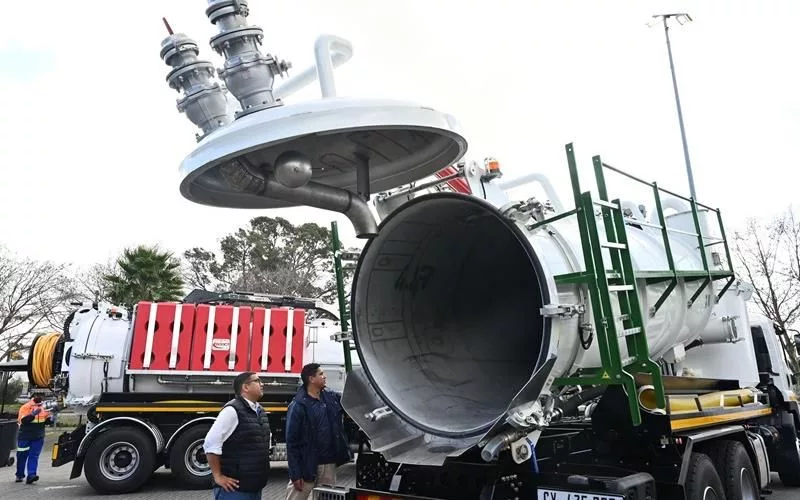
Nine super-sucker trucks stand out as marvels of modern engineering. Capable of drawing 200 litres in only six seconds, these vehicles remove stubborn blockages and sludge from sewers and drains with remarkable speed. Their 12,500-litre tanks and 60-metre operational reach allow teams to access even the most challenging sites, dramatically reducing the time neighborhoods endure backed-up waste. For communities long plagued by slow service, the new trucks bring visible relief and optimism.
However, advanced machinery alone does not guarantee success. The city’s strategy includes comprehensive operator training, ensuring that crews harness these high-tech vehicles to their fullest potential. City officials recognize that technology functions best when paired with skilled, motivated teams committed to public service. Daily operations now unfold with greater coordination, and response times have improved significantly across the most vulnerable neighborhoods.
Community Partnership and Sustainable Practices
Cape Town’s water and sanitation overhaul extends beyond hardware; it hinges on meaningful partnerships with residents. Councillor Zahid Badroodien, a leading advocate for sustainability, urges citizens to reconsider everyday habits. He highlights the importance of mindful flushing and responsible waste disposal, reminding the public that every careless act can undermine the city’s best efforts. His message aligns with a broader movement toward collective stewardship, where residents and officials share responsibility for clean, safe neighborhoods.
The city provides clear, actionable guidance online and through local campaigns. Residents learn to avoid pouring fats, oils, and chemicals down drains, and to use toilets only for human waste and toilet paper. Clearing stormwater drains of leaves and garbage further reduces the risk of flooding and blockages. These practices, when adopted citywide, multiply the impact of municipal investments, creating a cycle where public engagement and government action reinforce each other.
In districts like Khayelitsha and Mitchells Plain, the impact of these efforts is already evident. Families recall long waits for maintenance in the past, but now report swift responses from municipal teams equipped with modern vehicles. Children play near newly cleaned streets, and neighbors express renewed faith in their city’s ability to deliver essential services. These positive changes strengthen the social contract, reminding everyone that urban progress depends on cooperation, vigilance, and ongoing investment.
Overcoming Challenges and Shaping Tomorrow
Cape Town’s journey toward modernized water and sanitation services illustrates the complex realities facing contemporary cities. Despite significant progress, obstacles remain. Rapid urbanization continues to strain resources, while informal settlements often struggle with persistent vulnerabilities. Extreme weather events and shifting demographics demand adaptable, resilient systems capable of meeting evolving needs.
City leaders remain candid about these challenges but view the new vehicle fleet as a step toward a more equitable future. By prioritizing both equipment upgrades and public education, Cape Town lays the groundwork for a city where all residents enjoy access to clean water and effective sanitation. This dual focus helps bridge the gap between policy and reality, ensuring that progress reaches even the city’s most underserved corners.
Cape Town’s story resonates far beyond its borders. Cities worldwide – from South America to Southeast Asia – face similar dilemmas, seeking the right balance between hard infrastructure and civic engagement. The city’s bold investments and community-driven approach offer valuable lessons in resilience, adaptability, and shared responsibility. As Cape Town’s new trucks roll through its streets, they symbolize not only efficient service but also the enduring hope for a cleaner, healthier tomorrow.
What is Cape Town doing to modernize its water and sanitation infrastructure?
Cape Town is investing R155.5 million to purchase 176 advanced vehicles, including water tankers, jet-machine trucks, vacuum combination units, and super-sucker trucks. This modern fleet replaces aging equipment and expands operational capacity, enabling faster repairs, improved cleaning, and more reliable water delivery. The upgrade is supported by skilled teams and smart technology to ensure efficient, sustainable service for a growing population.
What types of new vehicles have been introduced and what are their functions?
The new fleet includes:
– Water tankers (8 units) with 10,000-litre capacity for emergency water supply during outages.
– Jet-machine trucks with 7,000-litre capacity to clear deep blockages using high-pressure water.
– Vacuum combination-unit trucks (2 units) that handle both sewage extraction and clean water delivery.
– Super-sucker trucks (9 units) capable of removing sludge and blockages quickly with 12,500-litre tanks and a 60-metre operational reach.
– A crane truck to assist in lifting heavy pipes, replacing meters, and repairing major water mains.
Together, these vehicles enhance Cape Town’s ability to maintain infrastructure and respond promptly to emergencies.
How does technology and training improve the effectiveness of Cape Town’s new fleet?
Technology alone isn’t enough; Cape Town invests heavily in operator training to maximize the capabilities of its advanced vehicles. Well-trained crews can operate equipment safely and efficiently, reducing response times and service disruptions. Coordinated daily operations and skilled staff ensure that the city can maintain water and sanitation networks reliably, even during high-demand periods or crises.
How is the community involved in the water and sanitation modernization effort?
Community participation is crucial for sustaining improvements. Cape Town encourages residents to adopt responsible habits such as mindful flushing, avoiding disposal of fats, oils, and chemicals down drains, and keeping stormwater drains free of debris. Education campaigns led by city officials, including Councillor Zahid Badroodien, stress that collective action helps prevent blockages and flooding, amplifying the benefits of municipal investments.
What challenges does Cape Town still face despite these upgrades?
Though significant progress has been made, challenges remain:
– Rapid urban growth strains infrastructure capacity.
– Informal settlements often lack full access to reliable water and sanitation.
– Climate change and extreme weather events pose ongoing risks.
– Maintaining equitable service delivery across all communities requires continuous effort.
Cape Town acknowledges these obstacles and views the new fleet as part of a long-term strategy to build a resilient, inclusive urban water system.
Why is Cape Town’s approach to water and sanitation modernization important for other cities?
Cape Town’s combination of technological upgrades, skilled workforce development, and strong community engagement offers a valuable model for cities worldwide facing similar issues. Balancing hard infrastructure improvements with public education creates a sustainable system that adapts to environmental pressures and urban growth. This approach underscores the importance of shared responsibility in securing access to clean water and sanitation for all urban residents.