
Mountains of Change: How Angela Yeung’s Everest Expedition Tackles Gender-Based Violence

1 min read
gender-based violence social activism

Angela Yeung, a Johannesburg entrepreneur and social activist, has been raising awareness about gender-based violence (GBV) in South Africa through her daring mountain expeditions. Her latest venture involved climbing Mount Manaslu, the world’s eighth-highest peak in the Himalayas, and displaying 6,200 bras at Constitution Hill to symbolize the widespread issue of GBV.

Fighting GBV: A Personal Commitment

Yeung’s nonprofit, Impilo Collection Foundation, collected bras to raise awareness about GBV, and with the help of social warriors, she handed a memorandum to the Department of Public Safety, urging them to address this issue. She also washed and distributed bras to 3,100 women in Gauteng on Women’s Day last year. Yeung’s passion for fighting GBV can be traced back to her personal triumph in 2017 when she successfully located her biological mother after a 30-year search.

Newsletter

Stay Informed • Cape Town

Get breaking news, events, and local stories delivered to your inbox daily. All the news that matters in under 5 minutes.

Join 10,000+ readers
No spam, unsubscribe anytime

Supporting Caring4Girls and Other Causes

Yeung has also supported the charity Caring4Girls, which provides sanitary products to girls who cannot afford them, helping them continue their education. During the pandemic, her foundation collected food for an orphanage, an old age home, and a GBV shelter.

Personal Achievement and Social Change

Before her Himalayan adventures, Yeung climbed Mount Kilimanjaro in Tanzania in 2018. Her commitment to fighting GBV is reflected in the 630 hours of rigorous training she invested in preparation for the climb. Yeung’s mountain climbs serve as powerful symbols of overcoming hardship and persevering through adversity, inspiring change in South Africa.


Emma Botha is a Cape Town-based journalist who chronicles the city’s shifting social-justice landscape for the Mail & Guardian, tracing stories from Parliament floor to Khayelitsha kitchen tables. Born and raised on the slopes of Devil’s Peak, she still hikes Lion’s Head before deadline days to remind herself why the mountain and the Mother City will always be her compass.

Previous Story

MasterChef Australia’s Bold New Judging Trio Promises Culinary Revolution

Next Story

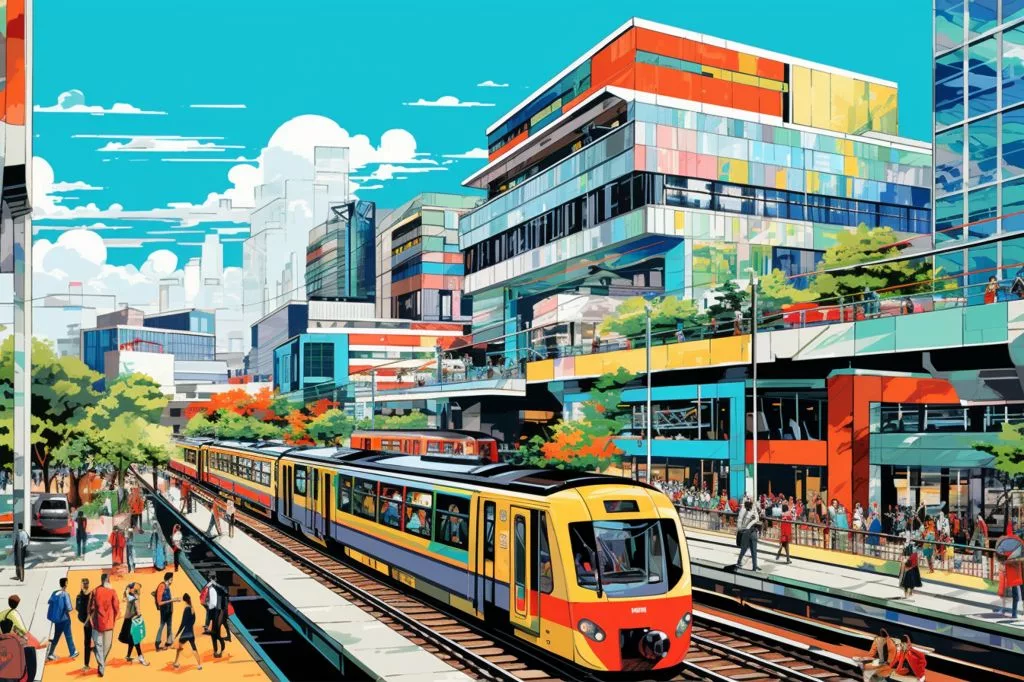
Revolutionizing South Africa’s Railways: PRASA’s Integrated Development, Student Housing, and Retail Centre

Latest from Blog

Dawn, Dirt and Dinner: A Willowvale Kitchen Without Walls

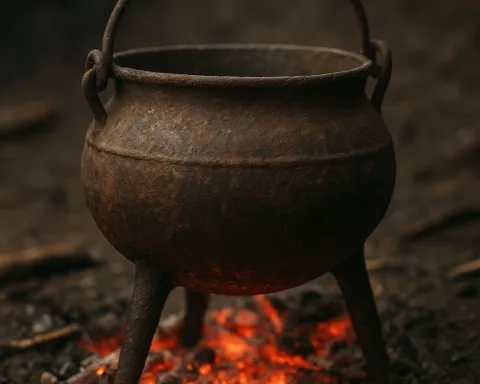
In Willowvale, farmers cleverly plant in manurefilled pits to save water and feed the soil. They also build special ditches to catch rainwater, making sure not a single drop goes to waste. Cooking happens outdoors, over crackling fires, using fresh food grown right there. They even turn old things into new cooking tools. It’s all about living close to the earth and making every bit count, showing a deep love for nature.

Cape Town Quietly Rewrites the Rules Between Tradition and the State

Cape Town is cleverly changing how it supports traditional initiation camps. They now treat these camps like temporary city areas, providing water, toilets, and trash pickup. This helps keep everyone safe and healthy, using smart data to track everything. It’s a quiet revolution, making sure old traditions fit smoothly into modern city life, and other cities are starting to notice this clever plan.

South Africa Plays Hardball on Hoof-and-Mouth: A Five-Year Blitz to Reopen R7 Billion in Beef Trade

South Africa is launching a massive fiveyear plan to crush FootandMouth Disease for good. They’re upgrading labs, getting tons of vaccines, and working with villages to tag and track every animal. This tough new strategy, backed by big money, aims to reopen a R7 billion beef trade with countries like China and the EU. They’re using strict rules, new tech, and even special meetings with local leaders to make sure no sick animal slips through. It’s a fullon war to protect their cattle and bring back their valuable beef exports!

South Africa’s Gateways in November 2025: 3,1 Million Footprints in 30 Days

In November 2025, South Africa saw a massive 3.1 million people cross its borders. This huge number of visitors, especially 2.37 million noncitizens, made it the busiest November for foreign entries since before COVID hit in 2019. It was like a river of people flowing in, showing how popular South Africa had become again.