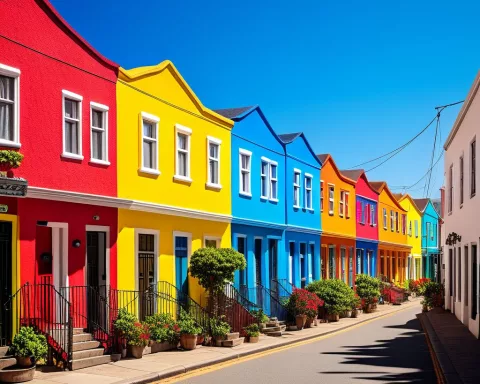
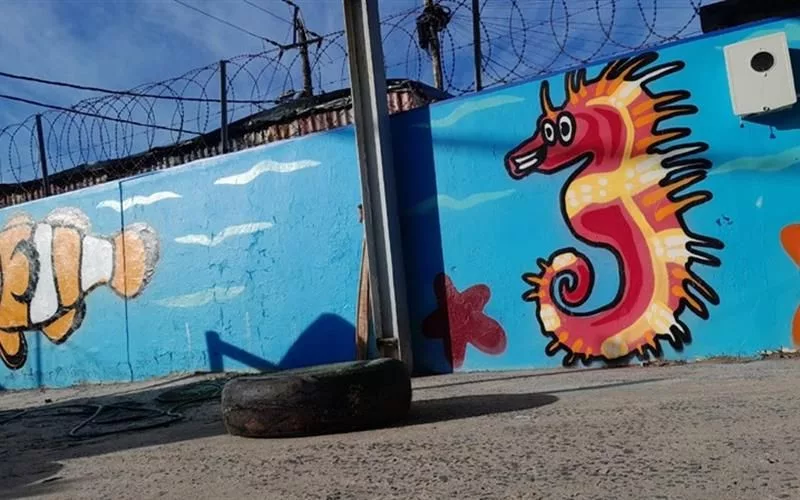
Murals in Cape Town bring neighborhoods to life by turning plain walls into colorful stories made by local people and artists together. These bright artworks show the heart and dreams of each community, making public spaces feel special and full of pride. More than just decorations, the murals invite everyone to connect, share, and celebrate their culture every day. Through this art, Cape Town becomes a big outdoor gallery where the city’s spirit shines and grows stronger.
How do murals transform communities in Cape Town?
Murals in Cape Town transform communities by involving local residents and artists in collaborative projects that reflect neighborhood stories, identity, and aspirations. These vibrant public artworks foster pride, unity, and dialogue while revitalizing urban spaces, turning the city into an open-air gallery that celebrates culture and belonging.
Art as a Catalyst for Change
Cape Town’s urban landscape is experiencing a remarkable transformation, thanks to a series of dynamic murals springing up in neighborhoods like Delft, Grassy Park, Mfuleni, and Valhalla Park. This change isn’t just about brightening dull walls; it’s about communities reclaiming their spaces and infusing them with stories, identities, and aspirations. The annual mural project, launched by the Community, Arts and Culture Development Department, brings together artists and residents in a shared creative journey. Every brushstroke on these city walls echoes the energy and imagination of those who call these neighborhoods home.
What sets this initiative apart is its underlying purpose. Beyond beautifying the city, these murals invite residents to see public spaces in new ways, challenging the notion that art belongs only in galleries or museums. The city becomes a walk-in canvas, reflecting not only collective dreams but also the evolving character of its communities. This approach mirrors global movements – from the explosive growth of muralism in 20th-century Mexico to the post-reunification color burst on Berlin’s concrete – where public art reshaped not just aesthetics but the fabric of daily life.
At the heart of the initiative is a belief in art’s ability to unite, heal, and empower. Councillor Francine Higham, who leads the city’s Community Services and Health portfolio, sees these murals as more than decorative projects. For her, they spotlight local talent while acting as mirrors reflecting the soul of each neighborhood. Looking ahead, she envisions a city where art continues to bloom on its streets, with more murals planned through to 2026. Like Berlin’s transformation after the wall, Cape Town’s new murals signal a fresh chapter in the city’s ongoing story.
Communities as Co-Creators
Perhaps the most striking aspect of this mural project lies in its collaborative spirit. Rather than imposing pre-chosen images, the project relies on active participation from local residents at every stage. Each mural is crafted through workshops and dialogue, capturing the lived experiences and aspirations of the people who will see them every day. In Valhalla Park, for example, twelve residents gathered at the community library on a warm March morning. Stories, laughter, and cultural references filled the air as they pieced together symbols and ideas that would shape the mural. Artists rooted in the area – Johnson Mosia, John Breda, Jacky Cummings, and Roger Cummings – channeled these discussions into a mural that vibrates with themes of diversity, inclusion, and unity.
Mfuleni’s mural grew out of a similarly engaging process, with fifteen residents meeting at Chris Hani Hall. Instead of a formal art class, the session unfolded as a living oral history, where themes of resilience and heritage took center stage. Local artists Thembinkosi Fatu, Sandi Basi, Saun Kusene, and Ayabulela Fati transformed these narratives into a vibrant composition that pulses with community pride. This echoes the spirit of the Harlem Renaissance, when Black artists drew upon shared memory to create art that spoke powerfully to and for their communities.
Grassy Park’s mural started with a collaborative session involving city officials, property managers, and service providers, as well as local residents. Here, the conversation focused on local flora and fauna, education, and the need for inclusivity. Lead artist Ayabonga Mtshongwana, joined by Sharon Roubach, Abdul Wageed, and Abdul Muizz, distilled these themes into a bold, colorful design. The result is a mural that weaves together natural motifs and symbols of learning, capturing the community’s hopes for the future while honoring its past.
Creativity in Action: From Ideas to Art
In Delft, the creative process took on a lively, almost festive tone. The property owner, city project team, and service provider all participated in brainstorming sessions filled with playful debate and laughter. Given the mural’s location at an Early Childhood Development center, conversations naturally gravitated toward themes of childhood, community, and the animal kingdom. Artists Xavier Davis, Austin Mohamed, Bruce Henniker, and Brandon Peters translated this collective energy into whimsical sketches, then transformed them into a mural that radiates joy and togetherness. The playful style brings to mind the exuberance of Keith Haring’s work, where bold lines and vibrant figures invite both wonder and reflection.
Each mural begins with careful groundwork. The city’s public art permit system and extensive community consultations ensure that every project reflects local needs and values, rather than outside imposition. Before painting begins, the project team reaches out to surrounding property owners and civic organizations, inviting input and fostering a sense of shared ownership. This process transforms the creation of each mural into a kind of community performance, reminiscent of the Situationist International movement, which saw public art as a vehicle for new ways of living in the city.
Skumbuzo Salman, the lead artist for the project, emphasizes this intersection of creativity and community. He describes each mural as a living expression of the neighborhood’s spirit – a fusion of artistic skill and the voices of many collaborators. For Salman, the true value of these murals lies in their power to inspire unity and civic pride. His vision recalls the community murals of Philadelphia, where neglected walls became vibrant beacons of neighborhood identity and hope.
Lasting Impact: Art, Dialogue, and Belonging
The Cape Town mural project stands out for its commitment to developing emerging artists from diverse backgrounds. By selecting artists who have strong ties to the neighborhoods they serve, the project ensures that each mural feels authentic and deeply connected to the community. Many of the participating artists grew up in or feel a profound connection to the areas they paint, infusing their work with sincerity and a sense of homecoming. This approach contrasts with more impersonal public commissions, where artists may have no stake in the communities they depict.
These murals serve as much more than visual attractions. They become catalysts for conversation and engagement. Residents stop before the painted walls, pointing out familiar symbols or discovering new stories. Children trace the outlines of animals or figures before heading off to school, making the art a part of their daily lives. The murals turn the city into an open-air gallery, where everyone is both audience and participant – a dynamic seen in street art festivals from São Paulo to Melbourne, where mural-making becomes a communal celebration.
Already, the ripple effects of the project are evident throughout Cape Town’s neighborhoods. In places often defined by struggle and resilience, the murals inject fresh hope and a renewed sense of pride. They remind residents that beauty and creativity can flourish even in the most unlikely spaces. As the city gears up for another round of installations, these vibrant walls signal a new era: one in which art and everyday life merge, and the stories of Cape Town’s people are written large for all to see.
Cape Town’s mural initiative demonstrates how art, when rooted in genuine collaboration, can transform not only public spaces but also the collective spirit of a city. Through color, narrative, and community engagement, these murals turn ordinary walls into living stories, inviting everyone to take part in their creation and legacy.
FAQ: Murals Transform Cape Town
What is the purpose of the mural project in Cape Town?
The mural project in Cape Town aims to transform public spaces by turning plain walls into vibrant artworks that reflect the stories, identities, and aspirations of local communities. Beyond beautification, it fosters community pride, unity, and dialogue, turning the city into a large outdoor gallery celebrating culture and belonging. The initiative encourages residents to see public art as accessible and integral to daily life, not just confined to galleries or museums.
How are communities involved in the creation of these murals?
Communities are deeply involved as co-creators in the mural process. Residents participate in workshops and dialogues where they share stories, symbols, and ideas that shape the mural themes. Local artists collaborate closely with these residents to bring their collective vision to life. This participatory approach ensures the murals authentically represent the lived experiences and cultural heritage of each neighborhood.
Which neighborhoods in Cape Town have been involved in the mural project?
Several neighborhoods have actively participated, including Delft, Grassy Park, Mfuleni, and Valhalla Park. Each area has engaged its residents in creative sessions, producing murals that address local themes such as diversity, resilience, education, nature, and childhood. The project continues to expand, with plans to install more murals through 2026.
Who are the artists behind the murals, and how are they selected?
The project prioritizes emerging artists who have strong personal or cultural ties to the neighborhoods they serve. These artists bring a genuine connection and understanding to their work, infusing murals with authenticity and a sense of “homecoming.” Lead artists like Skumbuzo Salman guide the creative process, ensuring the murals reflect both artistic skill and community voices.
What impact have the murals had on Cape Town communities?
The murals have revitalized urban spaces, sparked conversations, and nurtured a sense of pride and belonging among residents. They act as daily reminders of community resilience, culture, and hope. Children and adults alike interact with these artworks, which contribute to making Cape Town’s streets more welcoming and inspiring. The project also supports emerging local talent, encouraging a thriving cultural scene.
How does Cape Town’s mural initiative compare to global mural movements?
Cape Town’s initiative aligns with international mural movements that use public art to reclaim spaces and express community identity, such as the 20th-century mural boom in Mexico and Berlin’s post-reunification murals. Like these examples, Cape Town’s murals extend beyond aesthetics to influence social cohesion and urban renewal. The project draws inspiration from historical movements like the Harlem Renaissance and modern street art festivals worldwide, combining art with community empowerment and dialogue.