Cape Town is using digital meetings to bring its people together and talk openly about big city challenges like rapid growth and protecting nature. The city fights to save its wetlands, coastline, and urban forests while battling invasive pests that harm trees. At the same time, Cape Town is fixing up neighborhoods and planning smart, mixed-use spaces that balance homes, jobs, and green areas. With strong rules and shared voices, the city aims to grow in a way that keeps both people and the environment healthy and connected.
How is Cape Town addressing urban growth and environmental challenges in its digital age?
Cape Town tackles urban growth and environmental challenges through digital civic engagement, protecting wetlands and coastlines, combating invasive species, revitalizing neighborhoods, and implementing sustainable zoning laws. These efforts promote resilience, inclusivity, and participatory governance for a sustainable urban future.
A New Kind of Public Forum
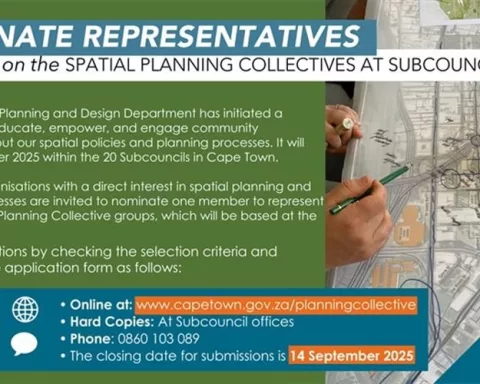
As the sun dipped below Table Mountain on a crisp July evening in 2025, Cape Town’s residents gathered—not physically in its bustling parks or historic squares, but around screens in homes and offices across the city. The occasion, a digital assembly led by Alderman Eddie Andrews, Deputy Mayor and Mayoral Committee Member for Spatial Planning and Environment, invited citizens directly into the dialogue of governance. For ninety minutes, from 5 to 6:30 pm, this virtual meeting space became a dynamic forum for exchange, reflection, and debate.
With a city as diverse and expansive as Cape Town, the challenges facing its leaders mirror its sweeping geography. Andrews brought together a community grappling with the complex intersections of rapid population growth, environmental pressures, and climate change. The session’s agenda matched the city’s ambition, weaving together a tapestry of priorities—each representing a piece of Cape Town’s evolving identity.
The virtual gathering did more than tick boxes on a list of talking points. It encouraged a spirit of openness, echoing global movements toward participatory governance. By welcoming residents and stakeholders to contribute their questions and stories, the city fostered a sense of shared responsibility, ensuring that civic engagement remains central to its decision-making processes.
Defending Natural Heritage: Wetlands, Coastlines, and Urban Forests
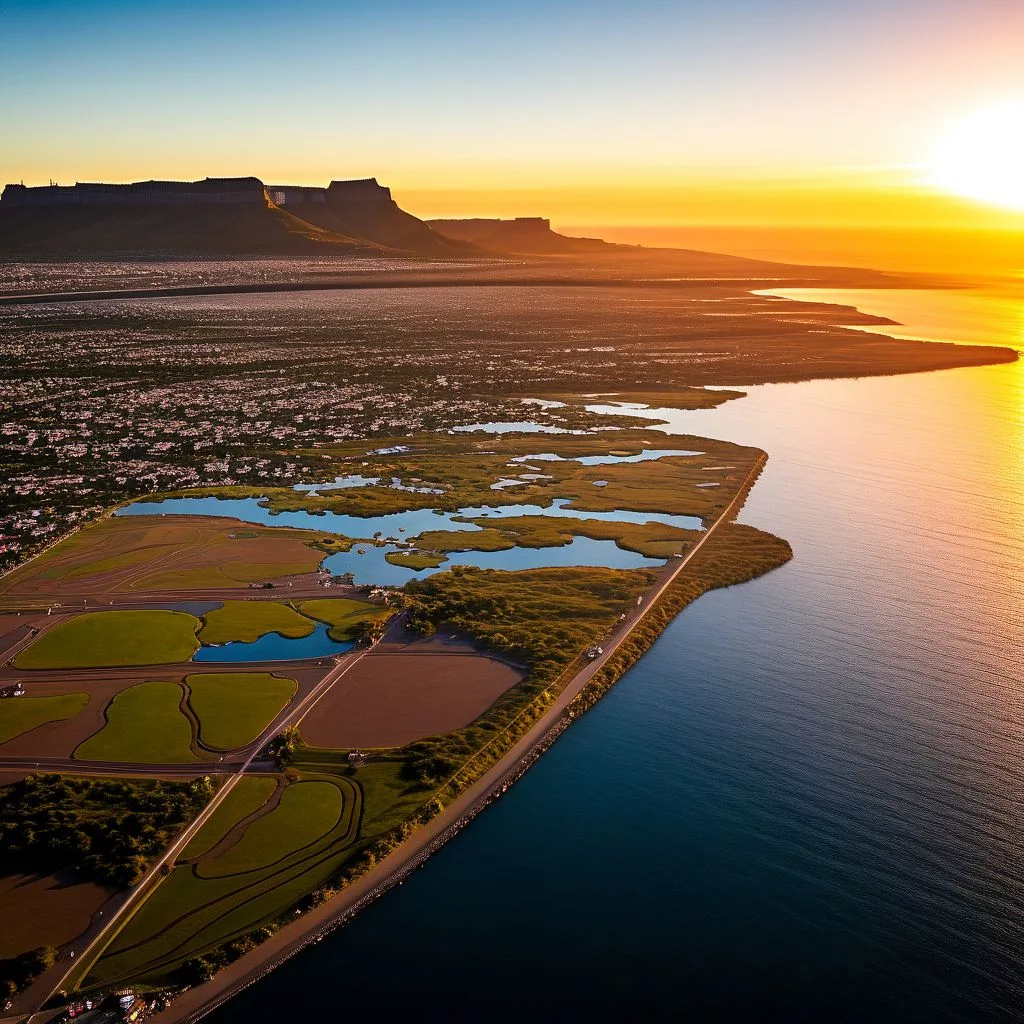
Cape Town’s relationship with its natural environment stands at the heart of its strategy for resilience and growth. Central to this are the city’s vleis—seasonal wetlands scattered across the metropolitan area. These vital ecosystems have long served communities as more than just water bodies; they are social and cultural landmarks. However, increased urbanization threatens these wetlands with pollution, encroachment, and neglect. Andrews announced that the city has set aside resources for state-of-the-art water filtration systems and regular monitoring, aiming to restore water quality and protect public health. This commitment recognizes that the vitality of these wetlands directly influences both the wellbeing of residents and the preservation of Cape Town’s distinct sense of place.
Beyond the wetlands, Cape Town’s 307-kilometer coastline presents both breathtaking beauty and daunting risk. The city’s edges—where land meets sea—are scenes of economic activity, recreation, and cultural memory. Yet, these same stretches are now at risk from the accelerating effects of climate change: rising seas, stronger storms, and coastal erosion. To counter these threats, the city has earmarked funds for strengthening sea defenses, restoring fragile dunes, and rehabilitating natural barriers that buffer the force of the ocean. These measures draw inspiration from international best practices, integrating engineering with ecological restoration to safeguard both people and infrastructure.
Scattered throughout the urban landscape, nature reserves function as the city’s green lungs. These protected areas serve as sanctuaries for wildlife and as vital recreational spaces for residents seeking respite from urban density. The city’s new budget ensures ongoing improvements to these reserves, enhancing safety, accessibility, and educational opportunities. These investments echo the historical roots of urban parks as places of both healing and democratization, where all citizens can experience the restorative power of nature.
Confronting New Threats and Reviving Urban Life
Threats to Cape Town’s environment are not limited to climate or human pressure. The city faces a growing challenge in the form of the Polyphagous Shothole Borer Beetle, an invasive species quietly damaging urban forests. Andrews outlined a multi-pronged approach: rapid detection, prompt removal of infested trees, and extensive public education campaigns. The city works closely with scientists and residents, building a community-based response to protect urban biodiversity. Managing invasive species no longer falls solely to experts; it now requires broad civic participation and vigilance.
Alongside environmental stewardship, the city’s leadership has intensified its focus on urban regeneration. Many neighborhoods—especially historically marginalized districts and neglected inner-city areas—bear the scars of underinvestment and neglect. Through targeted projects, Cape Town intends to revitalize these spaces, upgrading public amenities, restoring heritage landmarks, and establishing vibrant community centers. These efforts draw from the ideals of Modernist urban renewal, now tempered by an awareness of the need for inclusivity and long-term social benefit. The ultimate aim is to weave together aesthetic improvement, economic opportunity, and strengthened social ties.
Precinct development plans, recently completed in key districts, represent another pillar of the city’s strategy for growth. These blueprints envision neighborhoods where residential, commercial, and industrial uses coexist in harmony, generating jobs and fostering vibrant, walkable communities. By adopting principles from the New Urbanism movement—including mixed-use zoning and integrated public transport—the city seeks to attract investment while maintaining a human scale and sense of belonging.
Planning for a Sustainable Future
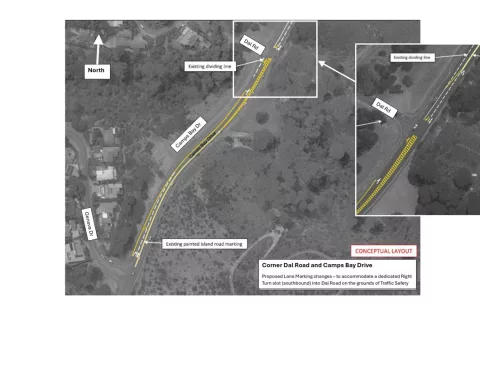
Cape Town’s ongoing transformation hinges on how it manages the relentless pace of urbanization. Every year, new residents arrive, drawn by the city’s promise. To guide this growth, the municipality implements a suite of spatial policies—zoning laws, land use controls, and targeted incentives for affordable housing. These regulations aim to curb the unchecked expansion of informal settlements, while ensuring that development meets both social and environmental needs. The city’s planners must constantly balance the urgent demand for housing and infrastructure with the imperative to protect sensitive habitats and maintain the quality of life for all.
A key development in this area has been the recent approval of the Municipal Planning By-law. This updated legal framework provides clear, streamlined rules for land use and development, while embedding protections for environmental and heritage assets. The by-law represents a pragmatic synthesis of regulatory rigor and adaptive flexibility, equipping the city to respond effectively to an uncertain and rapidly changing context.
These ambitious plans require significant financial resources. Over the coming three years, the Directorate’s capital budget exceeds R1.1 billion, while operational expenditure for the current year totals R1.9 billion. These sums not only reflect the magnitude of the city’s challenges, but also the determination and vision of its leadership to invest in a sustainable, resilient future.
Strengthening Civic Ties in a Changing City
The virtual briefing, while rich in technical detail, shone brightest as a model of civic engagement. Cape Town’s commitment to transparency and inclusivity reflects broader trends in contemporary governance, where city leaders recognize that authentic participation leads to better, more equitable outcomes. Residents responded with a mix of nostalgia, concern, and hope: one recalled fishing at Zeekoevlei as a child and wished for its restoration; another, a young professional, asked pointed questions about affordable housing in new precinct plans, drawing acknowledgement from the Deputy Mayor.
Throughout the session, the tone remained respectful and curious, demonstrating the social fabric that persists across neighborhoods—even when mediated through screens. These moments of personal testimony and thoughtful questioning reinforced the idea that urban progress relies as much on shared purpose and dialogue as on technical expertise or financial investment.
Cape Town’s challenges are formidable, but so too are its assets: a stunning natural environment, a rich social tapestry, and a growing tradition of participatory governance. As residents logged off and evening shadows lengthened, the conversation initiated by Alderman Andrews lingered—a reminder that the real work of building the city’s future will continue, one decision and one dialogue at a time.
Cape Town’s journey, set against the backdrop of dramatic landscapes and complex challenges, reaffirms the power of inclusive planning, environmental stewardship, and collective action. In this new era of virtual assemblies and collaborative vision, the city’s future will be shaped by the active involvement of all who call it home.
What role do digital meetings play in Cape Town’s approach to urban challenges?
Cape Town uses digital meetings as an innovative platform to engage residents directly in city governance. These virtual assemblies facilitate open dialogue on pressing issues like rapid urban growth, environmental protection, and climate change. By enabling citizens to participate from their homes or workplaces, the city fosters transparency, inclusivity, and shared responsibility, ensuring that community voices help shape policies and projects.
How is Cape Town protecting its natural environment amid urban expansion?
The city prioritizes the protection and restoration of key natural assets such as wetlands (vleis), coastlines, and urban forests. Efforts include investing in advanced water filtration systems to improve wetland health, strengthening coastal defenses to combat erosion and storm damage, and enhancing nature reserves to serve as green lungs and recreational spaces. These measures combine ecological restoration with engineering solutions to maintain biodiversity and safeguard public wellbeing.
What measures are in place to address invasive species threatening Cape Town’s urban forests?
Cape Town is actively combating the Polyphagous Shothole Borer Beetle, an invasive pest damaging urban trees. The city’s approach involves rapid detection of infestations, prompt removal of affected trees, and widespread public education campaigns. Collaboration between scientists, city officials, and community members forms a community-based response that emphasizes vigilance and shared stewardship of urban biodiversity.
How is Cape Town revitalizing its neighborhoods while promoting sustainable development?
The city focuses on urban regeneration projects targeting historically marginalized and neglected areas. Initiatives include upgrading public amenities, restoring heritage sites, and creating vibrant community centers. Additionally, Cape Town embraces mixed-use precinct development inspired by New Urbanism principles—integrating residential, commercial, and industrial spaces alongside accessible public transport—to foster walkable, economically viable, and socially inclusive neighborhoods.
What planning frameworks guide Cape Town’s sustainable urban growth?
Cape Town’s spatial policies, including zoning laws and land use controls, aim to balance housing demand with environmental preservation. The recently approved Municipal Planning By-law streamlines development regulations while embedding protections for ecological and heritage assets. These frameworks help curtail informal settlement expansion, encourage affordable housing, and support adaptable, resilient urban growth aligned with social and environmental goals.
How does civic engagement influence Cape Town’s urban vision and governance?
Civic engagement is central to Cape Town’s governance model, enhancing transparency and equity in decision-making. Virtual briefings and participatory forums provide residents with opportunities to share experiences, raise concerns, and contribute ideas. This ongoing dialogue strengthens community ties, builds social cohesion across diverse neighborhoods, and ensures that urban progress reflects the collective aspirations and needs of Cape Town’s people.