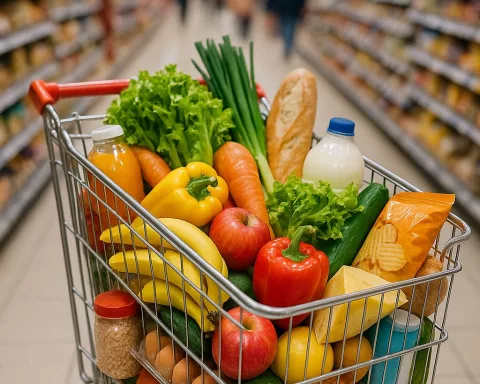
South Africa is feeling the pinch as prices for food like meat and vegetables, as well as water and electricity, keep rising fast. Families face harder choices every day, trying to stretch their budgets while still putting meals on the table. Yet, despite these challenges, people show great strength and creativity – finding new ways to cook, share resources, and save money. Even with tough times, South Africans keep pushing forward, proving their resilience and hope in the face of rising costs.
What is causing the rise in inflation and living costs in South Africa?
South Africa’s inflation rise is driven by soaring food prices, especially meat (up 28.8%) and vegetables (14.6%), along with higher costs for everyday essentials and municipal services like water (+12.1%) and electricity (+10.6%). These increases strain household budgets and fuel economic challenges.
Inflation’s Cold Grip: Waking Up to Higher Living Costs
As South Africa moves deeper into winter, people across the country face more than just dropping temperatures. A fresh wave of financial pressure has swept into households, with the consumer inflation rate jumping to 3.5% in July from 3.0% a month earlier. While these numbers might seem minor when viewed as mere statistics, they have very real consequences for daily life. Every small percentage increase stretches household budgets and amplifies the strain on families already carefully balancing their expenses.
For many South Africans, inflation isn’t just something discussed in economic reports; it hits home in the most practical way – at the family dinner table. The cost of food, a constant concern for most families, has accelerated sharply. The annual inflation rate for food and non-alcoholic beverages reached 5.7% in July, a noticeable increase from June’s 5.1%. These figures are not abstract; they show up in the aisles of supermarkets, where shoppers carefully weigh each purchase and reevaluate their weekly menus.
Rising living costs evoke the resourcefulness and resilience deeply rooted in South African society. Across generations and communities, people have always found ways to adapt in tough times. Whether through creative budgeting, sharing resources, or embracing new routines, South Africans continue to demonstrate a capacity for endurance and ingenuity when the going gets tough.
Price Surge at the Butcher and Farm: Meat and Vegetable Costs Climb
The most dramatic price increases can be found in the meat aisle. Beef, a staple in many South African households, has seen a staggering 28.8% price hike over the past year. In July 2024, a kilogram of stewing beef sold for R123.87, up from R94.80 the previous July. Beef mince also became more expensive, rising from R102.95 to R126.79 in the same period. These increases come from a range of factors, including disruptions in supply chains, higher feed costs, and shifting consumer demand. South Africa’s livestock industry, which has weathered droughts and disease outbreaks before, now faces new challenges tied to global market volatility.
Vegetables have not escaped inflation’s reach. In July, vegetable prices as a category rose by 14.6% compared to the previous year, up from 13.6% in June. Staple vegetables such as carrots saw a 20.7% annual increase, while lettuce and tomatoes followed closely behind. However, not all news is grim on this front. Some vegetables, like carrots, actually became cheaper between June and July, with an 8.8% month-to-month drop. These price swings are often caused by unpredictable factors like weather conditions, transport delays, or labor shortages, all of which impact the availability and cost of fresh produce.
Faced with these shifts, many shoppers have become more flexible in their choices. They often turn to seasonal produce, experiment with alternative recipes, or even start their own small gardens to supplement family meals. This creativity and adaptability not only stretch the household budget but also foster a sense of empowerment and connection to tradition.
The Rising Cost of Daily Necessities: From Pantry Staples to Utilities
It’s not just major food groups feeling the squeeze; everyday essentials have also become more expensive. Items such as salad dressing, vinegar, mixed spices, and soup powders now cost 5.9% to 6.7% more than they did a year ago. These are the quiet workhorses of the kitchen – ingredients that add flavor and variety to meals. When such staples become pricier, the impact may be subtle at first, but over time, the cumulative effect is significant. Families might find themselves choosing cheaper brands, buying in smaller quantities, or rethinking menus altogether.
Inflation extends its reach well beyond the kitchen. Municipal services – those basics that keep homes running smoothly – have also seen substantial price hikes. Water tariffs jumped by 12.1% in July, marking the largest annual increase since 2018. Electricity costs climbed by 10.6%, while refuse collection and sewage removal rose by 6.6% and 6.5% respectively. These aren’t optional expenses; they are part of the basic infrastructure of daily life. As these costs rise, households must make tough decisions about where to economize, whether it means using less water, cutting back on electricity, or forgoing other non-essential spending.
The ongoing challenge of balancing municipal service fees with household needs is not new in South Africa. For decades, cities and towns have tried to expand access to essential services while keeping them affordable. The latest price increases reignite debates about fairness and sustainability, especially in communities where every rand counts.
Small Pleasures and Glimmers of Relief: Coffee, Dairy, and Fuel
Despite widespread price hikes, not every corner of the supermarket spells bad news. The cost of hot beverages, particularly coffee, offers a small measure of relief. Although hot beverage inflation remains high at 8.9%, it has cooled considerably from last year’s peak of 17.5% in August. In fact, instant coffee prices slid slightly between June and July, reaching their lowest annual increase since early 2024. Cappuccino sachets have also become more affordable. For many South Africans, the daily coffee ritual remains a comforting constant, offering a psychological boost even as other costs climb.
Dairy and eggs form another area with mixed trends. While overall prices for many dairy products and maize-based drinks have dipped below last year’s levels, cheese continues to stand apart. Gouda and cheddar cheeses now cost 7.2% and 5.5% more, respectively, than in July 2023. As a result, shoppers at the cheese counter must weigh their desire for a treat against the realities of a tightened budget.
Fuel prices, meanwhile, have reversed their previous decline. After four months of falling prices, July brought a 2.6% increase from June. Although fuel remains 5.5% cheaper than a year ago, the gap narrowed significantly from the 11.2% annual drop seen in June. Rising fuel costs ripple throughout the economy, influencing the price of transporting goods and the cost of commuting for millions. The unpredictability of global oil prices and exchange rates makes it difficult for families and businesses to plan ahead, adding yet another layer of uncertainty to daily life.
Enduring the Storm: South Africans Adapt and Innovate
South Africans meet the latest bout of inflation as they have so many challenges before: with a blend of practicality, creativity, and community spirit. Every increase at the checkout, every adjustment to a household budget, tells a story of resilience. Families share strategies, embrace new ways of cooking and living, and support one another through mutual aid or shared wisdom.
As costs rise in nearly every corner of daily life – from stewing beef to bottled water, from salad dressing to electricity – people do not simply bear the pressures in silence. They innovate, adapt, and draw on a deep well of resourcefulness that has defined South African society through decades of change. Even as the financial landscape shifts, the shared experience of enduring and overcoming hardship binds communities together.
The latest inflation surge becomes more than a series of statistics; it forms a living narrative of a nation constantly adjusting to new realities. In kitchens, markets, and neighborhoods across the country, South Africans continue to write their own story – one of adaptation, endurance, and hope in the face of ever-changing economic tides.
FAQ: Navigating Inflation and Rising Living Costs in South Africa
What are the main causes behind the rising inflation and living costs in South Africa?
South Africa’s inflation is primarily driven by steep increases in food prices, notably meat (up 28.8%) and vegetables (up 14.6%). Additionally, essential municipal services such as water and electricity have also seen significant price hikes (water +12.1%, electricity +10.6%). Factors contributing to these increases include supply chain disruptions, higher costs of animal feed, adverse weather impacting agriculture, and global market volatility. These combined pressures strain household budgets across the country.
How is inflation affecting everyday food prices for South African families?
Inflation is making food items noticeably more expensive. Beef prices have surged dramatically, with stewing beef rising from R94.80 to R123.87 per kilogram over a year. Vegetables like carrots and tomatoes have seen double-digit percentage increases, though prices can fluctuate monthly due to seasonal and supply factors. Staples such as salad dressing and spices are also more costly. This forces families to rethink meal plans, opt for seasonal produce, and sometimes grow their own food to stretch budgets.
Beyond food, which other household expenses are becoming more expensive?
Alongside food, the costs of municipal services are rising sharply. Water tariffs increased by 12.1%, electricity by 10.6%, refuse collection by 6.6%, and sewage removal by 6.5%. These are essential services, and higher prices mean households must find ways to conserve utilities or reduce other discretionary spending. Additionally, fuel prices, after months of decline, have recently increased by 2.6% from the previous month, influencing transport costs and further impacting prices of goods.
Are there any areas where prices have stabilized or declined recently?
Yes, some relief exists in certain areas. Hot beverage inflation, especially coffee, has cooled from a high of 17.5% last year to 8.9% now, with instant coffee and cappuccino sachets becoming more affordable. Some dairy products and maize-based drinks have also dropped below last year’s prices, though cheese remains expensive. Fuel prices, while recently rising slightly, remain overall cheaper than a year ago, providing some economic breathing room for consumers.
How are South Africans coping with and adapting to these rising costs?
South Africans display remarkable resilience and creativity in managing inflation. Many adjust their cooking habits by using seasonal and more affordable ingredients, share resources within communities, and adopt cost-saving measures such as home gardening. Households carefully budget and prioritize spending, finding innovative ways to maintain nutrition and quality of life despite tighter finances. The strong community spirit and tradition of mutual support help many to endure and navigate these challenges.
What larger economic or social impacts does this inflation trend have on South African society?
Rising inflation affects more than individual wallets; it influences social equity, economic stability, and overall wellbeing. When essential goods and services become less affordable, vulnerable populations face increased food insecurity and hardship. The pressure on municipal services raises questions about sustainability and fairness, fueling debates on policy and pricing. Additionally, fluctuating fuel and utility costs impact businesses and job markets, potentially slowing economic growth. However, the collective resilience and innovation within communities remain a vital force helping South Africa confront these ongoing challenges.