False Bay is a wild and beautiful place where the ocean can change quickly from calm to dangerous. When a couple capsized their surf ski in rough waves, modern rescue teams sprang into action using smart tools like the SafeTrx app, GPS, and years of volunteer skill to find and save them fast. This mix of old courage and new technology shows how sea rescue here has grown from simple signals to high-tech lifesaving. Every rescue reminds us how important it is to respect the sea and be prepared for its surprises.
What makes sea rescues in False Bay effective today?
Modern sea rescues in False Bay succeed due to a combination of factors:
– The National Sea Rescue Institute’s volunteer expertise
– Advanced technology like the SafeTrx app for real-time location tracking
– Coordinated rescue teams using GPS-guided boats and prompt medical aid
– A strong tradition of community support and preparedness.
The Unpredictable Face of False Bay
False Bay, with its vast horizon and shifting moods, has always drawn adventurers. Its waters promise both delight and danger, offering moments of serene beauty and sudden chaos. Paddlers, sailors, and fishermen who call these shores home respect this duality – knowing the ocean can turn at a moment’s notice.
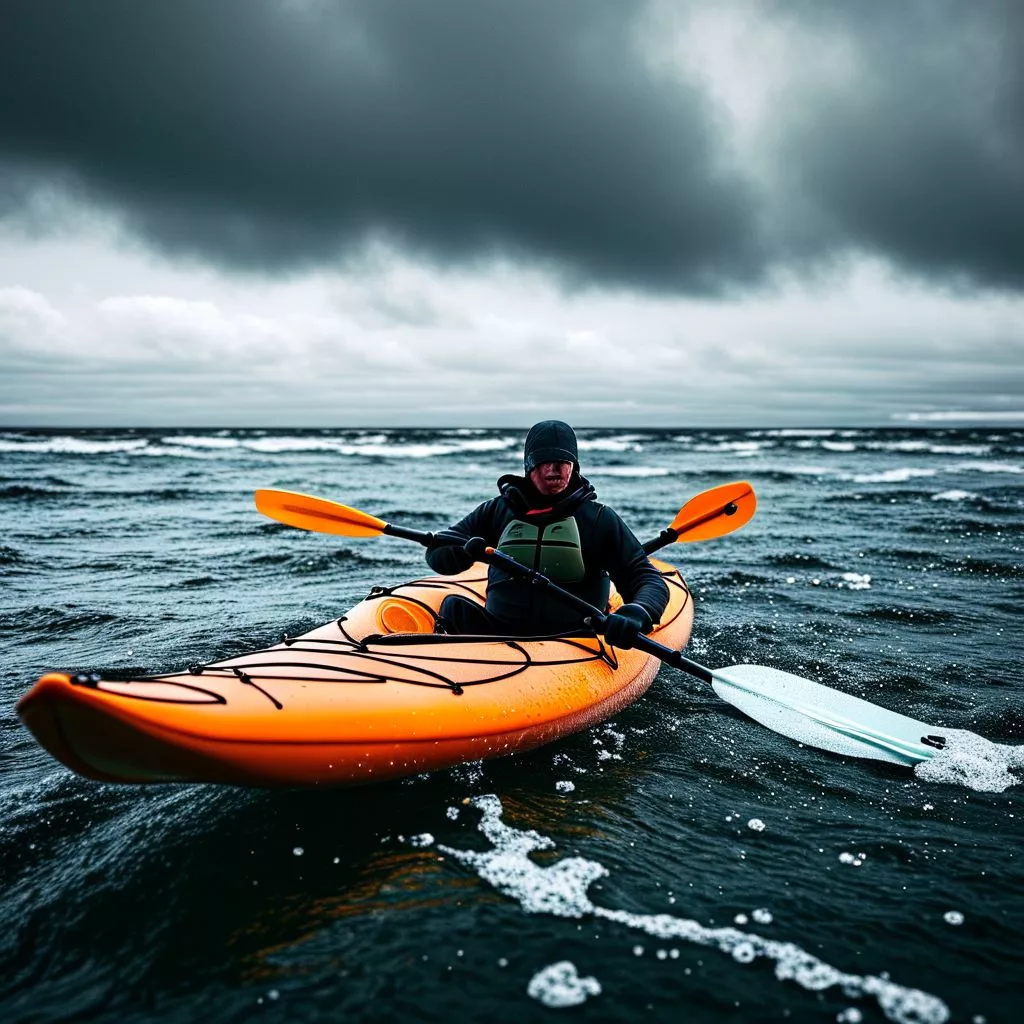
On a recent Wednesday, a couple launched their double surf ski from Fish Hoek, setting out on the popular route to Millers Point. The wind, a relentless South Easter known to locals as the “Cape Doctor,” filled the bay with energy. Like generations before them, these paddlers sought the thrill of riding with the elements, an experience unique to Cape Town’s storied coastline.
The day, however, had other plans. A powerful wave overturned their surf ski off Fisherman’s Beach, transforming a routine outing into a sudden fight for survival. False Bay has witnessed countless such episodes – the meeting point between human aspiration and nature’s indifference. Yet, in this crisis, the couple carried something unavailable to earlier generations: a digital safety net.
Rescue Technology: Merging Tradition and Innovation
Centuries ago, mariners could rely only on signals, luck, and the hope that someone might spot a distant flare or hear a shouted plea. South Africa’s National Sea Rescue Institute (NSRI), founded in 1967 and inspired by international lifesaving movements, embodies the evolution of rescue at sea. Over decades, this institution has combined local knowledge, volunteer spirit, and ever-advancing equipment to save lives along the country’s treacherous shores.
In today’s world, the NSRI leverages tools like the SafeTrx application – a mobile platform first developed in Ireland. SafeTrx allows boaters and paddlers to log their journey, track their location, and summon help with a touch, sending their precise position to rescuers. This advancement bridges the gap between tradition and technology, making rescue faster and more effective than ever before.
On that Wednesday, when the couple found themselves capsized and drifting, SafeTrx became their lifeline. At exactly 14:37 on August 20, an alert reached the NSRI’s Emergency Operations Centre in Simon’s Town. With weather conditions rapidly deteriorating – swells rising up to four meters and wind gusts reaching 35 knots – the stakes grew higher by the minute.
The Anatomy of a Modern Sea Rescue
Darren Zimmerman, the duty controller on call, immediately sprang into action. He coordinated teams both on land and at sea, relying on the location ping provided by the SafeTrx app – a far cry from the days when rescuers scoured vast stretches of ocean hoping for a glimpse of distress. Communication with the stranded paddlers proved difficult, hampered by wind, waves, and waterlogged equipment, but critical details managed to get through: they clung to their overturned craft, chilled by frigid water, and needed urgent help.
From the shore, NSRI spotters scanned the tumultuous ocean, while a rescue vehicle organized support along the beach. Meanwhile, the rescue boat Donna Nicholas raced from Simon’s Town, its crew guided by GPS coordinates relayed directly from the SafeTrx system. Navigating heavy seas, the rescuers demonstrated skill honed through years of training – a blend of calculated caution and swift response.
Reaching the scene, NSRI rescue swimmers plunged into churning surf to reach the couple. Their actions echoed traditions of lifesaving that date back to the earliest clubs along these shores, where volunteers risked their lives to aid strangers. Onboard the rescue craft, medical aid began immediately, countering the dangerous effects of hypothermia – a threat as old as seafaring itself. The battered surf ski was also retrieved, testament to the close interplay of adventure and risk.
Lessons, Gratitude, and the Ongoing Journey
Once the couple returned to land, Cape Medical Response paramedics continued their care. Quick warming procedures and thorough assessments ensured their ordeal ended without injury, transforming a near-disaster into a valuable lesson. Such rescues, while dramatic, are not rare in False Bay; they serve as reminders to the broader ocean-going community about the importance of preparation, respect for nature, and the value of reliable safety equipment.
The couple’s relief and gratitude spoke volumes, echoing the appreciation of countless others saved by the NSRI over the years. Their story also highlighted the essential role of civil society – volunteers, donors, and community partners who make such rescues possible. The NSRI’s legacy, built on the foundation of earlier lifesaving traditions, reveals a tapestry of mutual support and technological adaptation.
For those who venture onto the sea, every outing is an encounter with the unknown. The tools may change – from hand-launched flares to smartphone apps – but the core ethos endures: preparation, vigilance, and connection. SafeTrx and its predecessors form a chain linking past and present, reinforcing a shared commitment to safety and exploration.
False Bay’s long history, shaped by indigenous fishers, colonial mariners, and contemporary adventurers, reminds us that the relationship between humanity and the ocean evolves constantly. Each rescue, like the one last Wednesday, adds a new chapter to this ongoing saga – a chapter that honors courage, community, and the ceaseless innovation needed to thrive between wind and water.
What makes sea rescues in False Bay effective today?
Sea rescues in False Bay succeed through a powerful combination of experienced volunteer teams from the National Sea Rescue Institute (NSRI), advanced technology such as the SafeTrx app for real-time location tracking, GPS-guided rescue boats, and efficient coordination between land and sea teams. This blend of skill, technology, and community support ensures quick, effective responses to emergencies in the often unpredictable bay.
How does the SafeTrx app improve safety for paddlers and boaters?
SafeTrx is a mobile app that allows users to log their planned journeys, track their real-time location, and send distress alerts with precise GPS coordinates. This digital safety net greatly reduces search times during emergencies by providing rescuers with exact positions. The app is particularly valuable in places like False Bay where weather can change rapidly and traditional distress signals may go unnoticed.
What challenges do rescuers face when operating in False Bay?
False Bay is known for sudden shifts from calm seas to dangerous conditions, including strong winds (like the “Cape Doctor” south-easter) and waves rising up to four meters. Rescue teams contend with strong gusts, cold water temperatures, and rough surf, which complicate communication and navigation. Despite these challenges, years of training and advanced equipment enable rescuers to perform lifesaving operations effectively.
How has sea rescue evolved historically in False Bay?
Historically, sea rescue relied on simple visual signals, flares, and the hope that someone would notice a distress call. Since the founding of the NSRI in 1967, rescue operations have grown more sophisticated, integrating international lifesaving practices, volunteer expertise, and cutting-edge technology. Today’s rescues combine traditional courage and community spirit with tools like GPS and mobile alerts, marking a significant evolution from earlier methods.
What role do volunteers and the community play in sea rescue operations?
Volunteers form the backbone of the NSRI and similar rescue organizations, dedicating their time and skills to protect lives at sea. Community members also contribute through donations, awareness campaigns, and supporting rescue infrastructure. This collective effort not only sustains operations but strengthens the culture of safety and preparedness essential for successful rescues in False Bay.
What precautions should individuals take before heading out on False Bay waters?
Preparation is crucial when venturing into False Bay. Individuals should:
– Check weather and sea conditions thoroughly
– Use safety tools like the SafeTrx app or other location trackers
– Wear appropriate safety gear, including life jackets
– Inform someone on land about their plans and expected return time
– Carry communication devices and emergency signaling equipment
Respecting the sea’s unpredictability and being prepared can greatly reduce risks and improve rescue outcomes if needed.