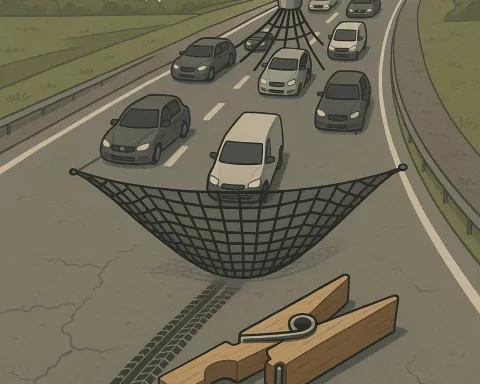

South Africa’s roads are dangerous, with many accidents caused by human mistakes like reckless driving and speeding. In the 2024/25 festive season alone, over 1,500 lives were lost, highlighting the urgent need for better laws and education about road safety. Problems like unfinished road projects and inconsistent licensing make the situation worse, putting everyone at risk. To change this, the country must work together to improve laws, teach kids about safe driving, and use technology to prevent accidents. With strong commitment and teamwork, South Africa can transform its roads from danger zones into safe paths for everyone.
What are the main challenges to road safety in South Africa?
South Africa’s road safety challenges include high rates of human error, inadequate infrastructure, and legislative deficiencies. Key issues involve reckless driving, insufficient education on traffic laws, and inconsistent licensing practices. Addressing these factors requires comprehensive strategies encompassing stronger laws, improved infrastructure, and enhanced public awareness.
Understanding the Gravity of the Situation
South Africa’s roads remain perilous, plagued by a troubling mix of human error, infrastructure issues, and legislative shortcomings. Recent figures from the 2024/25 festive season highlight the severity, with 1,502 lives lost, and 87% of these deaths resulting from human mistakes. In light of these distressing numbers, Mr. Donald Selamolela, the Chairperson of the Portfolio Committee on Transport, has urged the Department of Transport and the Road Traffic Management Corporation to address the legal deficiencies that inadvertently allow for dangerous driving behaviors.
Road accidents ripple through society, impacting various sectors in profound ways. Each incident strains healthcare systems as they grapple with treating injuries, leaving families dependent on state assistance due to the loss of income, and reducing productivity as individuals deal with trauma. The conversation about road safety extends beyond transportation, becoming a societal issue that necessitates a multifaceted strategy to bring about meaningful change.
Key contributors to the high number of road fatalities include drinking and driving, reckless overtaking, and speeding. These behaviors highlight the urgent need for stronger legislation that tackles underlying causes instead of just the symptoms. The power of legislative action, wielded by those in positions of authority, is immense and can pave the way for a society where safe driving practices are a fundamental part of the cultural fabric.
Addressing the Legislative and Infrastructure Challenges
The complexity of government efforts to ensure road safety is evident through ongoing challenges. Incomplete infrastructure projects starkly illustrate the barriers to achieving road safety. Unfinished roadworks pose dangers to drivers and worsen traffic congestion, increasing risks within an already vulnerable environment. The lack of long-distance passenger trains between critical areas like the Western and Eastern Cape forces people to rely on potentially unsafe road travel.
Education stands out as a crucial element in improving road safety, with the Department of Basic Education’s role in driver education under examination. Teaching road awareness from an early age is vital. By incorporating traffic safety into the school curriculum, future generations might develop a responsible attitude toward road use, gradually reducing reckless behaviors. This educational push is part of a comprehensive strategy advocated by Mr. Selamolela, which combines penalties for persistent offenders with thorough road-user education.
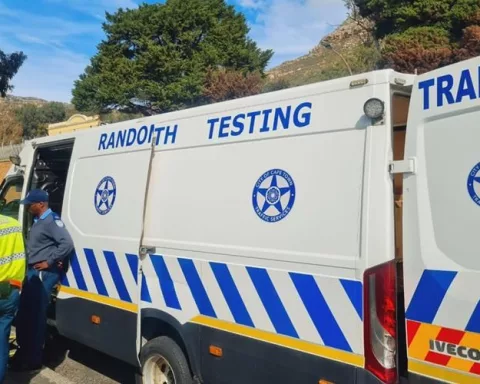
Moreover, discrepancies in licensing practices reveal another gap in the legislative framework. Testing for code 10 licenses when individuals drive code 8 vehicles raises questions about the effectiveness of current licensing standards. Such inconsistencies not only endanger individual safety but also present a broader risk to public road safety. This situation calls for a reevaluation of licensing procedures to better match the realities of vehicle operation and driver skill.
Innovating for a Safer Future
South Africa’s road safety narrative isn’t solely about challenges; it offers a chance for reflection and innovation. While increased law enforcement visibility remains crucial, it should be paired with modern solutions that employ technology and data analytics. Real-time monitoring and predictive analytics could act as essential tools in preempting potential road hazards, subsequently reducing accident rates.
Historically, societal movements have driven significant change, from the intellectual enlightenment of the Renaissance to the technological advances of the Industrial Revolution. The quest for better road safety can draw inspiration from these periods, advocating for a renaissance in road culture — one that emphasizes respect, responsibility, and resilience. This cultural transformation needs to penetrate all layers of society, from the legislative halls to educational institutions, from the drivers to policymakers.
A Collective Path Forward
Considering the various aspects of road safety in South Africa, the need for collaboration and innovation becomes a recurring theme. By closing legislative gaps, improving education, enhancing infrastructure, and utilizing technology, the nation can set a course for safer roads. This journey demands unwavering dedication, mirroring the commitment of Mr. Selamolela and his committee, who lead this crucial mission. Together, they have the potential to turn roads from sites of tragedy into avenues of hope.
Despite the dismal statistics and formidable challenges, there remains a beacon of hope. The key to transformation lies in the collective determination to rise above current conditions, shaping a future where every journey is a symbol of the harmonious balance between human action and legislative foresight. With a united effort, South Africa can create a safer, more secure environment for all road users.
“`markdown
FAQ on Road Safety in South Africa
What are the main challenges to road safety in South Africa?
The primary challenges include high rates of human error, inadequate infrastructure, and legislative deficiencies. Key issues involve reckless driving, insufficient education on traffic laws, and inconsistent licensing practices. Addressing these challenges requires comprehensive strategies that encompass stronger laws, improved infrastructure, and enhanced public awareness.
How significant is the issue of road safety in South Africa?
Road safety in South Africa is a critical issue, as evidenced by the alarming statistics from the 2024/25 festive season, where 1,502 lives were lost. Human errors, such as reckless driving, speeding, and drinking and driving, were responsible for 87% of these fatalities. This highlights the urgent need for better laws and education to address the root causes of road accidents.
What role does education play in improving road safety?
Education is vital for enhancing road safety. The Department of Basic Education is encouraged to incorporate traffic safety into the school curriculum. Teaching road awareness and responsible driving from an early age can help instill safe driving habits in future generations, thereby reducing reckless behaviors and potentially lowering accident rates.
What specific legislative changes are needed for road safety?
Stronger legislation is required to tackle the underlying causes of road accidents. This includes revising licensing practices to ensure that they are aligned with the realities of vehicle operation and driver skill. Additionally, implementing harsher penalties for persistent offenders and focusing on preventive measures can help improve overall road safety.
How can technology contribute to road safety?
Technology can play a significant role in enhancing road safety. Implementing real-time monitoring and predictive analytics can help identify and prevent potential road hazards before they lead to accidents. Increased law enforcement visibility should be paired with modern technological solutions to create a safer driving environment.
What can individuals do to promote road safety in South Africa?
Individuals can contribute to road safety by adhering to traffic laws, practicing defensive driving, and avoiding distractions while driving. Advocacy for better education and legislative changes can also help raise awareness about road safety issues. By fostering a culture of responsibility and respect for the rules of the road, each person can play a part in making South Africa’s roads safer for everyone.
“`