
7 roosterkoek spots in and around Cape Town worth brunching
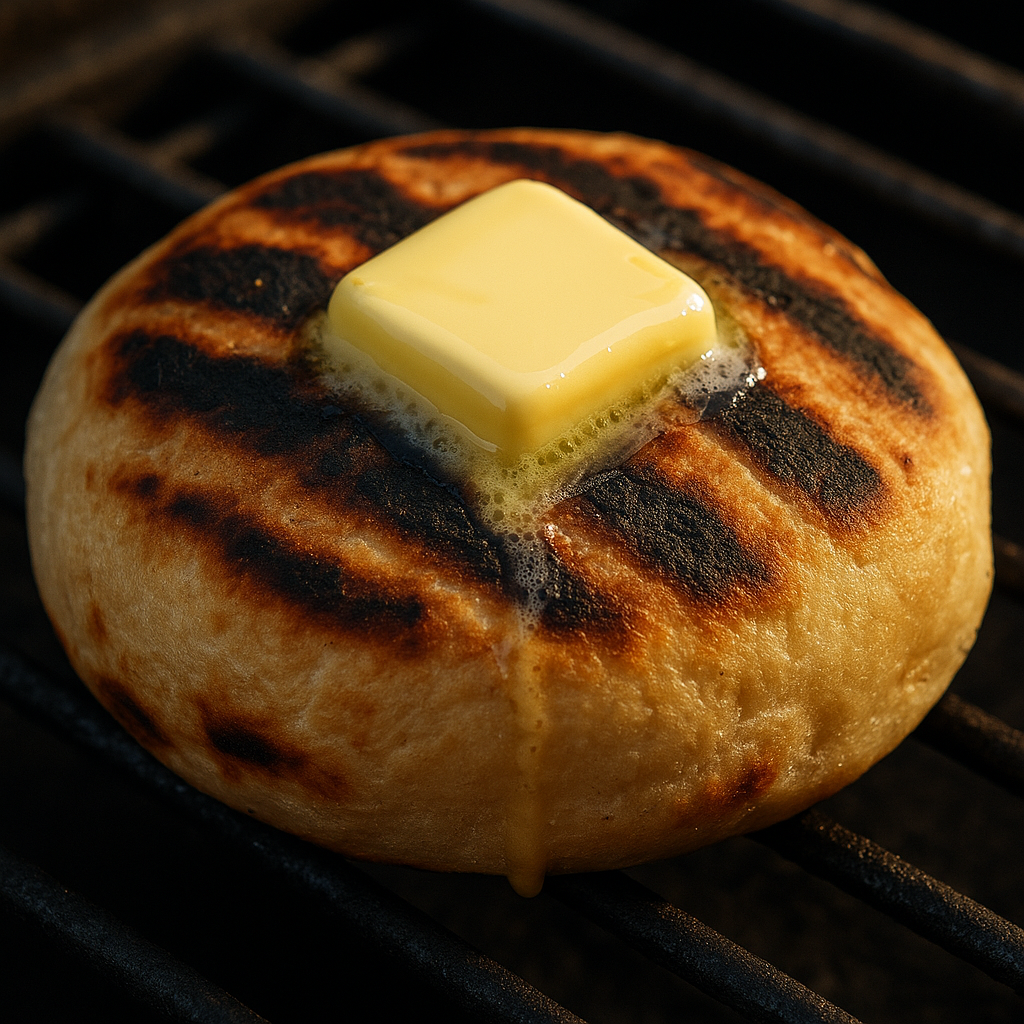
Discover Cape Town's iconic roosterkoek: a smoky, grilled bread tradition found everywhere from farm stalls to wine estates. Taste the culture!
Roosterkoek, a yummy South African bread, is baked right on a barbecue! Imagine a warm, smoky disc of dough, sometimes filled with cheese or bacon, sizzling over hot coals. Cape Town loves this bread, from fancy cafes to roadside stalls, each adding their own special touch. It's more than just bread; it's a taste of home and adventure, enjoyed under the open sky.
What is roosterkoek?
Roosterkoek, meaning "grid-cake," is a traditional South African bread baked directly on a braai (barbecue) grid over open coals. It's a palm-sized dough disc that sizzles, crisps, and often includes fillings like cheese, bacon, or various jams, delivering a smoky, hearty bite that's a staple in Cape Town's culinary scene.
Get Cape Town news in your inbox
Stay updated with the latest stories from the Mother City.
1. Dawn on the Grid
The first light over False Bay still carries night-cool air when the coals begin to glow. Someone kneaded dough at kitchen-counter height while the kettle clicked off, and now that pale ball is flattened into a palm-sized disc. It lands on the braai grid with a soft clap, hisses like a cat for three heartbeats, then settles into the quiet language of smoke and steady heat. Butter slides across the split centre, cheese surrenders into salty magma, and the crust tans until a knuckle tap drums like bongo skin. No flaky pastry can compete with that moment; the city’s weekend pulse is already racing to taste it.
This is roosterkoek, literally “grid-cake,” and it refuses to be an afterthought. Supermarket rolls thawed too late are banished from the narrative; here, dough proves while coffee steam writes curls on the window. Thickness is judged by an eye trained at countless sun-ups: too thin and the inside dries, too thick and the heat stalls at the core. Steel grid bars brand faint stripes that later hold droplets of melted fat like tiny smoky mirrors. The bread never sees the inside of an oven; its passport is stamped only by fire and the open sky.
Cape Town wakes up chasing that bite. In the Helderberg basin, sea fog retreats up the slopes and reveals Love Coffee’s courtyard where the bake is treated like a sneaker drop. Wednesday and Saturday mornings, 120-gram dough ovals kiss a Weber dome whose lid stays open - closing it would steam the crust into a confused dumpling. Cheese goes down first so it can weld itself to the crumb, tomato last so its acid stays bright. A “Full House” stacks cheddar, bacon, onion jam, sweet-chilli cream cheese and a sunburst egg for ninety rand, yet the barista still asks if you want extra butter because calorie counting before ten is treason.
2. Tar, Dust and the West-Coast Wind
Follow the R27 northwest and the world flattens into metallic West-Coast light. Hardy fynbos shrinks, speed limits grow, and the only punctuation is a cobalt shipping container stencilled “Route 27 Roosterkoek.” Inside, Frik - former diamond-diver, current flour-dust poet - juggles three grids: plain, cheese, and molten boerewors pockets that spit flare-ups like mini rockets. There is no laminated menu; you queue, you listen, you repeat the order shouted by the stranger ahead. Cash is queen, cards wilt in the heat, and the nearest ATM is forty kilometres of throttle back toward the city bowl.
Swing inland at Philadelphia where the N7 shakes hands with the R304 and you discover De Werf Farmstall, a weekend market that feels like Tuscany crash-landed on a Swartland sheep camp. Beneath oak shade, pop-up braai masters turn the bread into festival currency: venison wors and fig jam, biltong dust over whipped goat cheese, even a plant-based disc smeared with smoked aubergine butter. Hydration levels become gossip: one stall swears by 70 % and a 24-hour cold ferment for sour whispers; another keeps dough stiff so the discs stay puck-shaped and hingeable. Children weave between hay bales while adults tear rival samples and argue crumb structure with the same heat they reserve for rugby refs.
Franschhoek, never outdone, serves grid-cake on a wine-estate veranda. Leopard’s Leap rebrands it “braai on a stick,” threading skewers of boerewors coins between bread soldiers balanced over Pinotage. The estate chef adulterates the dough with a splash of Viognier for fruit-toned acidity, malt flour for faster bronzing, and a rosemary-smoke water mist the moment the discs leave the fire. At seventy-five rand for three skewers you are paying rent for a postcard view of the Simonsberg, and nobody complains.
3. Tin Sheds, Townships and Tech Head Braais
Half-way to George the N9 corkscrews through Outeniqua foothills until a hand-painted board promises “Kruisaar Farmstall – Roosterkoek 2 km.” The stall is a corrugated puzzle held together by peach-sticky decades, but the real artefact is Oom Uys’s cast-iron contraption that looks medieval. He blends white and brown bread flour so bran can snag smoke, then anoints each disc with rendered pork fat for a chicharrón crackle. Locals finish the bite with goat-butter and rooftop honey - sweet, salty, smoky, creamy in a single mouthful.
Back at the coast, Strandfontein’s dunes host Elsie’s pastel caravan on wind-permitting weekends. Her slider-sized trilogy - apricot jam with cheddar, curried mince, mosbolletjie dough with raisins - costs a hundred rand and arrives wrapped in checkered paper that doubles as a chin windbreak. Further inland, Kuils River’s brutalist ex-bowling club houses Kroonplaas Restaurant, where electric coils replace open flame but smoked salt dust saves the campfire memory. Breakfast jars stand roosterkoek soldiers upright in bacon jam, ready for yolk dipping, and regulars still point and call it “the roosterkoek thing.”
Lockdown birthed the engineer’s braai: 3-D-printed grids calibrated for 18-millimetre thickness, pizza steels for heat retention, cedar planks for maple-resin finishes. Yet the most respected loaves emerge from Gugulethu and Khayelitsha basins that once held margarine, now swirled by hands that measure hydration in beer sips. Polony cups, atchar spoons, neon cheese slices - improvised jazz that nutritionists will never decode. In Constantia, truffle-oil canapés ride on mini discs, while Woodstock coffee labs cup single-origin beans against three micro-wood-smoke samples, hunting “pyroir.” The format flexes, but the code holds: dough, fire, hands, hunger.
4. No Map, Only Smoke Signals
Cape Town has no official “Roosterkoek Route,” yet the city self-maps through WhatsApp voice notes and Google Sheets that update crust-snap scores daily. Weather writes its own footnotes: southeaster winds demand fiercer, tighter fires; bergwind days call for inverted bowls to trap ambient heat; winter rain earns an extra pinch of yeast to outrun cold fermentation. At Oranjezicht City Farm, kombucha starter and turmeric join the mix, while Sea Point vegans brush smoked olive oil for animal-free memory. Every variation is a referendum on the same question: how much story can flour carry?
Nutrition labels shrug; the city keeps queuing. Somewhere between the margarine basin and the 65 % hydration spreadsheet lies the meridian Cape Town refuses to pin: bread that tastes like the fire that birthed it, the hands that shaped it, and the road you still mean to drive. Brunch menus may flirt with ricotta hotcakes and charcoal waffles, but the smoke migration never stalls. Roosterkoek simply follows the weekend light, the promise that a flour disc can hold the coordinates of home and horizon in one warm, butter-dripping bite.
1. What is Roosterkoek?
Roosterkoek, meaning "grid-cake," is a traditional South African bread baked directly on a braai (barbecue) grid over open coals. It's typically a palm-sized disc of dough that crisps and sizzles, often filled with various ingredients, and is a beloved part of Cape Town's culinary scene.
2. How is Roosterkoek traditionally prepared?
Traditionally, roosterkoek is prepared by flattening kneaded dough into palm-sized discs and placing them directly on a braai grid over glowing coals. The bread never sees the inside of an oven; its unique smoky flavour and crispy exterior come solely from cooking over an open fire, often under the open sky.
3. What are some popular variations or fillings for Roosterkoek?
Roosterkoek can be enjoyed plain with butter, but it's also commonly filled with a variety of ingredients. Popular options include cheese, bacon, onion jam, sweet-chilli cream cheese, sunburst eggs, curried mince, and even biltong dust over whipped goat cheese. Some gourmet versions might incorporate venison wors and fig jam or be served on skewers with boerewors.
4. Where can Roosterkoek be found in Cape Town and surrounding areas?
Roosterkoek is widely available across Cape Town and its surrounding regions, from fancy cafes and weekend markets to roadside stalls and farmstalls. You can find it in places like Love Coffee in the Helderberg basin, Route 27 Roosterkoek along the R27, De Werf Farmstall near Philadelphia, and even on wine estate verandas in Franschhoek.
5. What makes Roosterkoek a unique culinary experience?
Roosterkoek offers a unique culinary experience due to its preparation method (direct grilling over coals), imparting a distinct smoky flavour and a satisfying crispy crust. It's more than just bread; it's often associated with outdoor gatherings, a sense of community, and the taste of home and adventure under the open sky in South Africa.
6. Are there any modern or unconventional takes on Roosterkoek?
Yes, while the traditional method is cherished, there are modern and unconventional takes. Some chefs might incorporate ingredients like Viognier into the dough, malt flour for bronzing, or rosemary-smoke water mist. There are also plant-based options, and even highly technical approaches using 3D-printed grids or pizza steels for heat retention, showcasing its adaptability while maintaining its core essence.

Sarah Kendricks is a Cape Town journalist who covers the city’s vibrant food scene, from township kitchens reinventing heritage dishes to sustainable fine-dining at the foot of Table Mountain. Raised between Bo-Kaap spice stalls and her grandmother’s kitchen in Khayelitsha, she brings a lived intimacy to every story, tracing how a plate of food carries the politics, migrations and memories of the Cape.
View all articles →