
8 tips on how to travel in ‘bad’ weather without losing your mind (or your socks)
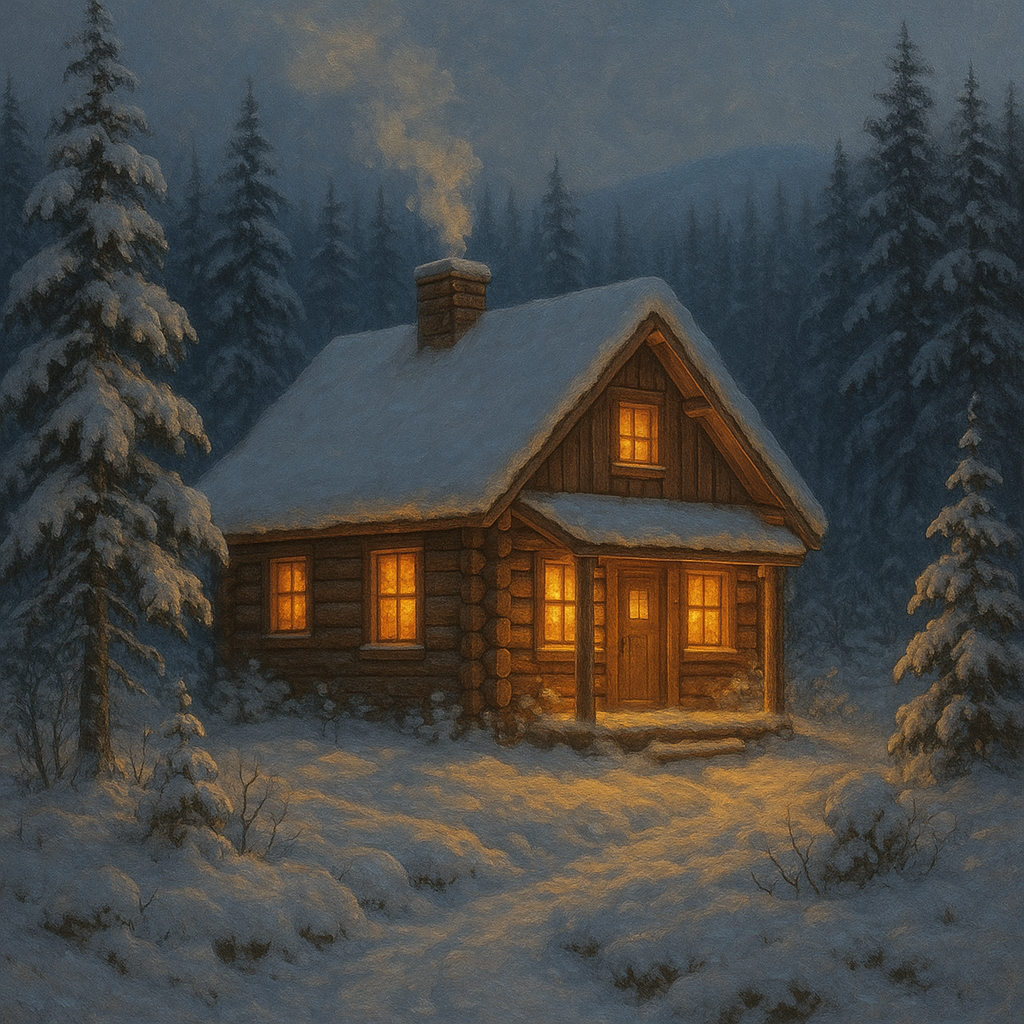
Unlock unforgettable autumn & winter escapes with this deep-dive guide. Learn to embrace cold-weather travel, from mindset to gear.
Don't let cold weather stop your adventures! This guide shows you how to love autumn and winter travel. Pack smart with cool, layered clothes, not bulky ones. Pick places that shine in the cold, like cozy mountain towns, and mix indoor and outdoor fun. Stay in comfy spots that feel like part of the adventure. Enjoy local yummy foods and save money by traveling when fewer people are around. Turn bad weather forecasts into exciting plans!
How to master autumn and winter travel?
To master autumn and winter travel, reframe the forecast; pack smart with technical layers. Choose destinations that thrive in colder weather, and braid your daily activities to include both indoor and outdoor experiences. Select lodging that offers comfort and unique experiences, and savor regional flavors. Leverage off-season benefits for better prices and fewer crowds.
Get Cape Town news in your inbox
Stay updated with the latest stories from the Mother City.
Part 1 – Reframing the Forecast: From Deterrent to Script
The moment the weather icon morphs into a charcoal battalion, most people slam the laptop shut and queue the next series. Yet veteran low-season travellers treat that very symbol as a boarding pass to a secret realm: sparse crowds, amplified moods and a tempo that turns a modest getaway into a story worth retelling. The following blueprint splices eight plug-and-play modules you can remix for anything from a six-hour micro-escape to a fortnight-long transcontinental quest.
Read the Sky, Don’t Flee From It
A ninety-percent chance of rain is not a red stop-sign; it is simple stage-direction for the day. Overcast skies mute colour but amplify emotion; drifting fog scrawls fleeting calligraphy across every ridge. Start pairing weather types with states of curiosity.
Clear-blue mornings: razor-edge contrast for drone loops or meandering country drives. Soft drizzle: the perfect cue for a second-hand bookstore crawl, geothermal circuit or marathon museum session. Horizontal rain and gales: seaside cliffs for storm theatre, followed by a fireside tot of something peaty. Draft a mini “weather playlist”: three activities you secretly crave and three you’re content to swap to. Inscribe both lists on an index card and tuck it in your coat pocket; ink on paper eliminates on-the-spot dithering.
Comfort Through Mechanics, Not Mass
Bulky Michelin-man layers are relics. Modern cold-weather comfort is an engineering puzzle. Begin with a moisture-wicking merino or synthetic base layer – cotton is the enemy. Add a compressible, high-fill down vest that stuffs into its own pocket and moonlights as an in-car pillow. Top it with a three-season waterproof-breathable shell boasting pit-zips and a helmet-friendly hood.
Feet get waterproof leather ankle boots half a size large to accommodate merino socks and toe-warmer sachets. Hands wear conductive-thread liners under ultralight waterproof mitts, so you can swipe a phone screen without stripping down. A single neck-gaiter triples as beanie, sleeping-mask or emergency lens cloth. Roll each complete outfit – base, vest, shell, socks – into colour-coded drybags; one bag equals one day or one waterfall detour swap-out.
Part 2 – Picking Places That Blossom When Thermometers Fall
Winners, Neutrals and Losers
Apply a brutally simple filter: does the destination gain soul or lose it under frost? Gainers include stone-cottage mountain hamlets where smoke ribbons into pewter skies; wine districts flinging open barrel halls for fireside tastings (winter reds feel denser, cracked-pepper notes sharpened by chilled air); and decommissioned mill towns reborn as art enclaves, the metallic scent of old machinery heightened by crisp dryness.
Neutral zones are big cities with strong indoor ecosystems – think Joburg or Cape Town museums running winter-only exhibits timed to lure locals off couches. Losers: beach resorts that shutter cafés and whose boardwalks rattle like abandoned theatres.
Braid the Day, Don’t Stack It
Forget parallel columns labelled “Dry” and “Wet.” Weave a double-helix timetable instead. Start with a low-cloud hike to a granite viewpoint, then duck into a micro-roastery whose barista pours single-origin 70 % hot chocolate from lava. Mid-afternoon gale on the coast? Slip inside the maritime museum where retired lighthouse keepers narrate shipwreck yarns. The braid keeps dopamine steady – you’re never more than thirty minutes from a climate-controlled reward.
Part 3 – Four Walls That Double as Experiences
Choose Lodging That Works Overtime
- The glass-box cottage: minimalist A-frame with floor-to-ceiling windows aimed at a dam so cold fronts roll in like Netflix trailers.
- The heritage hotel: red-carpet staircases, resident ginger cat and, and a decanter of port gleaming on reception.
- The working farm stay: rise before sunrise, hitch a ride on the farmer’s bakkie to scatter lucerne across crystalline fields, then return to nutmeg-scented kitchen chaos and burnt-sugar flapjacks.
Scan online reviews for words such as “toasty,” “electric blanket,” “tub for two.” Ignore any mention of “brisk” when it modifies the interior.
Micro-Adventures That Feel Audacious Yet Aren’t
- Night-time forest bath beneath headlamp: autumn sheds a leaf carpet that swallows every footfall, turning the path ghost-silent.
- Roadside geology pit stops: winter erosion unearths fresh rock bands; bring a pocket magnet to test Karoo ironstone.
- Steam-train day hops: historic lines run fewer departures in winter, so carriages stay half-empty; leap between seats to chase the best window glow.
Part 4 – Syncing Flavours With the Forecast & Timing Like a Pro
Cook the Region, Don’t Just Eat It
Cold air coaxes bolder flavour from slow food. Adopt one signature dish per region, source ingredients on arrival, and braise in the cottage.
- Free-State : venison potjiekos, lifted with black-winter truffle shavings.
- Overberg : smoked snoek chowder capped by a sweet-potato crumble.
- Mpumalanga escarpment: macadamia-mushroom risotto laced with foraged pine-ring mushrooms.
Pre-order farm-to-door ingredient boxes so the fridge is stocked before you check in.
Off-Season Leverage: Money, Access, Silence
- Travel Tuesday-to-Thursday; mid-week nights drop 20-30 % at most properties.
- Snag museum after-hours passes – winter visits often cap at fifteen guests, turning exhibition halls into private salons.
- Harness local cabin fever. Vineyard owners, trail guides and cheesemakers are hungry for conversation against the cold. Offer a bottle you collected en-route and doors open faster than you can pop the cork.
The Analog & Digital Toolkit That Turns Grey Into Gold
- SkyAlert : sixty-second precipitation radar; zoom tight to see if a storm cell is sliding past or parking on your ridge.
- Gaia GPS offline topo: pre-map possible fire-pit clearings on Wi-Fi, then navigate back once mist rolls up.
- Pocket gratitude notebook: at every stop scribble one sensory detail impossible in summer – the snap of frost-stiff ryegrass, the iron tang of a foghorn, the ember glow of a coal stove mirrored in a Riesling glass.
The Closing Ritual
Whatever you do, don’t cocoon yourself until the world becomes a silent video. Slip outside for three deliberate minutes post-sunset, coat half open, letting the air bite your collarbones. Step back indoors and feel warmth applaud your skin. That pendulum swing is the signature sensation of low-season travel; every flavour, vista and anecdote gathers around it. Treat this guide as modular DNA – splice, swap, iterate – until the forecast stops looking like a verdict and starts sounding like an invitation.
How can I master autumn and winter travel?
To master autumn and winter travel, reframe your perspective on cold weather. Instead of seeing it as a deterrent, view it as an opportunity for unique experiences. Pack smart with technical, layered clothing rather than bulky items, choose destinations that are particularly beautiful in colder months, and blend indoor and outdoor activities. Stay in comfortable and unique accommodations, enjoy local cuisine, and take advantage of off-season benefits like fewer crowds and better prices.
What should I wear for cold weather travel to stay comfortable without bulky clothes?
Modern cold-weather comfort relies on smart layering rather than mass. Start with a moisture-wicking base layer, ideally merino or synthetic, as cotton retains moisture and can make you cold. Add a compressible, high-fill down vest for insulation. Top it with a three-season waterproof-breathable shell that has features like pit-zips and a helmet-friendly hood. For your feet, wear waterproof leather ankle boots that are half a size larger to accommodate merino socks and toe-warmer sachets. For hands, use conductive-thread liners under ultralight waterproof mitts to operate touchscreens easily. A neck-gaiter is versatile and can serve multiple purposes.
How do I choose the best destinations for autumn and winter travel?
When choosing destinations, apply a simple filter: does the location gain or lose charm in the cold? "Gainers" include cozy mountain towns with stone cottages and smoke rising from chimneys, wine districts offering fireside tastings, and old mill towns reborn as art enclaves. "Neutral" zones are big cities with strong indoor attractions like museums and galleries running winter-specific exhibits. Avoid "losers" like beach resorts that shut down during the off-season, as they often lose their vibrancy.
How can I plan my daily activities to make the most of cold weather travel?
Instead of creating separate plans for dry and wet weather, weave your daily activities together in a "double-helix" timetable. For example, start with an outdoor activity like a low-cloud hike, then transition to a warm indoor experience like visiting a micro-roastery for hot chocolate. If a gale picks up, duck into a maritime museum. The goal is to keep your dopamine steady by always being within a short distance of a climate-controlled reward, ensuring continuous enjoyment despite changing weather.
What kind of lodging enhances the autumn and winter travel experience?
Choose lodging that offers more than just a place to sleep; look for accommodations that provide unique experiences. Examples include a glass-box cottage with floor-to-ceiling windows offering scenic views, a heritage hotel with classic charm and amenities like a decanter of port, or a working farm stay where you can participate in daily farm life. When checking reviews, look for keywords like "toasty," "electric blanket," and "tub for two," and avoid any mention of "brisk" interiors.
How can I save money and avoid crowds during autumn and winter travel?
To save money and enjoy a more serene experience, leverage off-season opportunities. Travel mid-week, specifically Tuesday to Thursday, as accommodation prices often drop by 20-30%. Look for museum after-hours passes, as winter visits often have smaller capacities, turning exhibition halls into private salons. Additionally, take advantage of "local cabin fever"; vineyard owners, trail guides, and cheesemakers are often more open to conversation and interaction during the quieter months. Bringing a small token, like a bottle of wine, can often open doors for unique local experiences.

Oliver Daniels is a Cape Town journalist who chronicles the intersection of food, migration and identity in South Africa's kitchens—from wood-fired Gugulethu braai spots to Constantia vineyards. Born and raised on the slopes of Devil’s Peak, he still starts each week with a dawn walk across Table Mountain to catch the first Atlantic light before filing copy.
View all articles →