
All aboard: Ceres Rail unveils 6-day Garden Route heritage journey
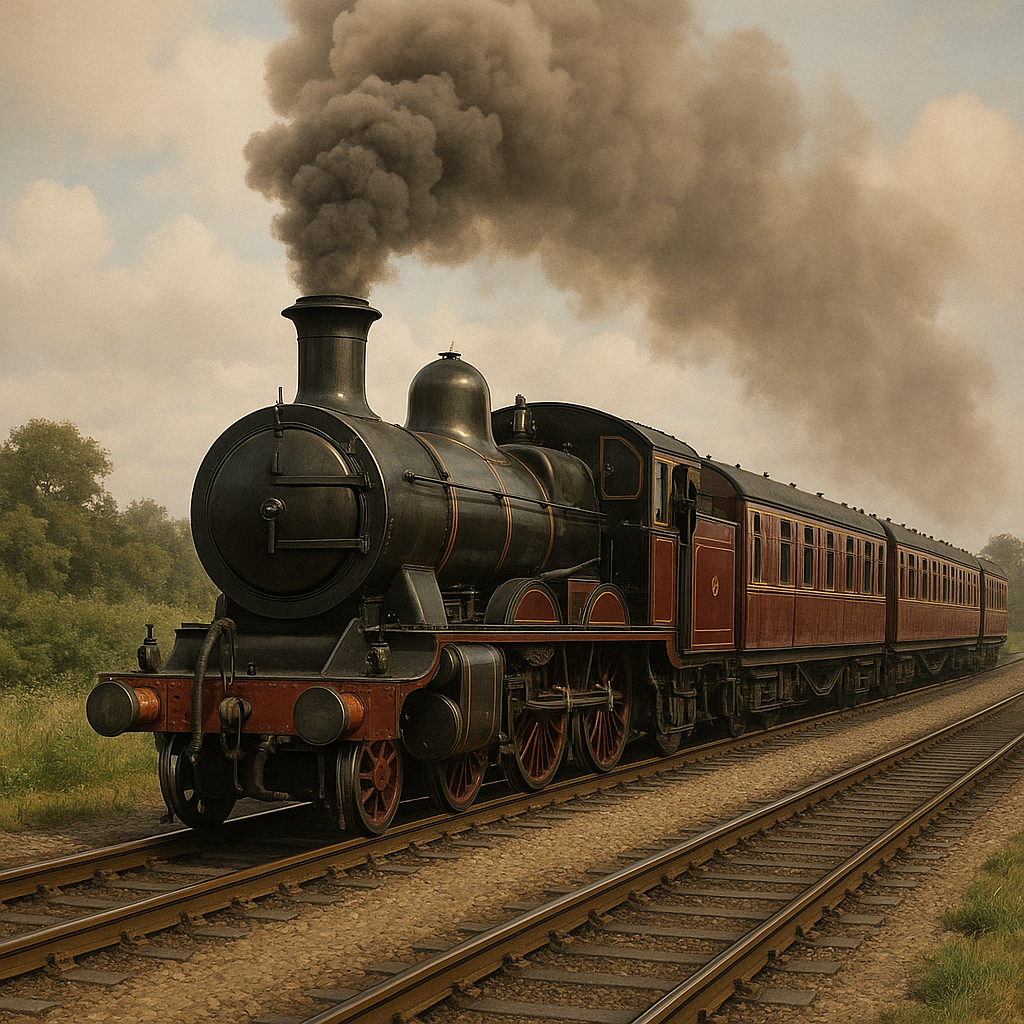
Experience Ceres Rail's 6-day Mossel Bay Explorer: a slow journey through South Africa's stunning landscapes, history, and unique rail experiences.
Hop aboard the Ceres Rail's Mossel Bay Odyssey, a six-day train adventure that's like stepping back in time! You'll ride old-fashioned trains, eat yummy local food, and sleep in cool places like a museum. It's all about making memories, not rushing, as you chug through beautiful South Africa.
What is the Ceres Rail's Mossel Bay Odyssey?
The Ceres Rail's Mossel Bay Odyssey is a six-day, deliberately slow luxury train journey across South Africa, offering a historical and scenic experience. It features vintage locomotives and carriages, serving locally sourced food, and includes unique stops like sleeping in a museum and a pure-steam coastal shuttle, focusing on memories over modern amenities.
Get Cape Town news in your inbox
Stay updated with the latest stories from the Mother City.
Section 1 – 07:45, 7 May 2026: the Moment the Clock Bows to Steam
The sun has barely cleared the harbour cranes when couplers kiss on Dockrail Road. A Glasgow-built 19D hisses like a contented dragon, burgundy carriages glowing in the early light that once warmed honeymooners crossing the Karoo. No trays snap upright, no cabin bells ping - only the give of rattan beneath your palm, the swirl of coffee brewed in a glass globe, and one lazy wave of a green flag. Six days of deliberate slowness begin; the timetable is measured in memories per hour, not kilometres.
This is not a velvet-and-champagne affair. Ceres Rail sells time, not opulence: the right to watch canola turn the Overberg gold, to count tunnels by echo rather than number, to feel soot become confetti on your shirt. Fifty-six souls maximum, every elbow guaranteed its own window. The outside world will be allowed in only when the landscape feels ready.
Before the first piston stroke, a station-master born in 1932 pins a fist-sized protea to the smokebox - exactly as he did seventy years earlier when the last scheduled steam service left Mossel Bay. The flower will wilt before dinner, but the photograph taken by a retired brakeman’s 1959 Rolleiflex will ride home in every ticket wallet, a wilting reminder that journeys loop through memory, not just geography.
Section 2 – The Rolling Museum: Locomotives, Carriages and Coffee Marbled with History
Power arrives in twos. Up front, the 19D “glamour girl” still carries her builder’s plate from North British, 1937. Behind her shoulder, a 1962 GE diesel-electric waits like a discreet bodyguard for the 1-in-36 climbs where firemen must shovel 1.2 t of coal in forty minutes. Together they haul a family tree of salvaged wood and steel: three 1919 clerestory coaches once owned by a Zimbabwean sugar baron, now cocooned in double-glazed glass the size of cinema screens; a 1954 buffet sleeper reborn with a marble bar serving beans grown in the very valley the train will later kiss.
Maximum speed is 70 km/h, yet the ensemble can stop within 180 m if a tortoise claims the right-of-way. Inside, aviation-grade insulation hushes wheel-rumble; outside, brass handrails rattle like distant tambourines. Every coupling pin is hammered soft by decades, so the ride feels less like transport and more like being rocked awake by history itself.
The galley keeps its supply chain within sight of the track. Robertson hens lay the eggs you’ll eat the next dawn; hanepoot grapes hang so low you can pluck them from open vestibules. A marine biologist certifies that each oyster served at Great Brak was caught by hand-line from boats you can spot off the starboard side, giving the menu Africa’s only zero-trawl rail certification. Soot may dust the windows, but carbon guilt stays off the plate.
Section 3 – Day-by-Day Cartography: Wheat, Whales and War-Time Bridges
-
Cape Town → Swellendam:* The city thins into wheat silos, then canola so bright it hums. Forty-two tunnels later you surface beside Riviersonderend’s 1903 dam where Italian POWs left an iron-lace bridge. You sleep inside the Drostdy Museum, teak boards creaking under law books once read by magistrates who never imagined guests arriving by steam.
-
Swellendam → Mossel Bay:* Dawn nudges the Langeberg; protea scrub replaces vineyards. Between Riversdale and Albertinia the gradient claws at 1-in-36 - no rack, just adhesion and sweat. Fire-boxes glow like small suns; sweat turns coal dust to war-paint. Then suddenly the Indian Ocean flips into view, a silver coin offered at eye-level. By four the train sighs beneath a replica 1906 roof stone’s throw from Bartolomeu Dias’s caravel; bellboys in waistcoats crank Oregon-pine elevators at the 1902 Sanlam Hotel.
-
Coastal Shuttle & Still Day: Morning brings a pure-steam out-and-back to Great Brak. Cliffs drop sixty metres; whales exhale mist across open vestibules. Athol Fugard’s bridge - scene of The Train Driver* - hosts a pop-up oyster bar cooled with dry-ice born from the engine’s own boiler. The following day wheels rest: guests cage-dive with sharks, forage fynbos with a San guide, or post letters under a 600-year-old milkwood that still serves as the 1838 Post Office Tree.
Section 4 – Tickets, Toilets and Time-Travel Tricks
Booking opens only once - midnight, 1 October 2025 - first-come-first-pixel. Past form shows 900 cheaper seats vanish in eleven minutes; with nostalgia inflation and a mere fifty-six berths, the Mossel Bay Explorer will be oversubscribed before sunrise. R24 750 buys every kilometre, every oyster, every soak in Montagu’s hot-spring baths; it also quietly funds R1.2 million annual daylight exclusivity so no manganese train can shove you into the dark. Wi-Fi is intentionally absent - signal dies forty percent of the route and bragging rights flourish in the blackout.
Hidden in the small print waits a “silent seventh”: coaches shunted onto a 1942 siding swallowed by Atlantis dune fields. Breakfast on linen unfolds under Atlantic fog; locomotive steam curls into desert air like a kettle contemplating the ocean. No surcharge, yet every traveller must sign a nondisclosure scrawled on sugar-bag paper - some stories are priced only in silence.
Even the lavatory doubles as time-machine: a 1923 oak seat fitted with a periscopic prism lets you watch the track flee beneath you while you ponder tomorrow’s geology. Instagram gladly geotags the spot “Somewhere between Nowhere and the Sea,” sepia filter included. When you step back into the aisle you carry, imprinted on your retinas, the certainty that Africa is slowly unzipping along the very fault you just leaned out to touch - future seabed under future fingerprints.
What is the Ceres Rail's Mossel Bay Odyssey?
The Ceres Rail's Mossel Bay Odyssey is a six-day luxury train adventure through South Africa, designed to evoke a sense of nostalgia and deliberate slowness. It features vintage locomotives and carriages, serves locally sourced food, and includes unique overnight stays, such as sleeping in a museum, and a pure-steam coastal shuttle.
What kind of trains and carriages are used on the journey?
The odyssey utilizes vintage locomotives and carriages. The primary power comes from a Glasgow-built 19D steam locomotive from 1937, complemented by a 1962 GE diesel-electric locomotive for steeper climbs. The coaches are a mix, including three 1919 clerestory coaches from a Zimbabwean sugar baron and a 1954 buffet sleeper with a marble bar. The maximum speed is 70 km/h, and the interiors are designed for comfort with aviation-grade insulation.
What unique experiences are included in the itinerary?
The journey offers several distinctive experiences. Guests will sleep inside the Drostdy Museum in Swellendam and at the historic 1902 Sanlam Hotel in Mossel Bay. There's a pure-steam out-and-back coastal shuttle to Great Brak, featuring a pop-up oyster bar. During a 'still day' in Mossel Bay, activities like cage-diving with sharks, fynbos foraging, or posting letters at the 600-year-old Post Office Tree are available. There's also a 'silent seventh' day, a secret add-on where coaches are shunted to a 1942 siding in the Atlantis dune fields for breakfast under Atlantic fog, requiring a non-disclosure agreement.
What kind of food can I expect on the train?
The food philosophy focuses on locally sourced ingredients, with the galley's supply chain often visible from the tracks. Examples include eggs from Robertson hens, hanepoot grapes plucked from open vestibules, and hand-lined oysters from Great Brak, certified as Africa's only zero-trawl rail catering. While soot might dust the windows, the menu emphasizes sustainability and fresh, regional flavors.
How do I book a ticket, and what is the cost?
Bookings open only once, at midnight on October 1, 2025. Given the limited capacity of 56 passengers, tickets are expected to sell out very quickly. The cost is R24,750, which covers every kilometer, all meals including oysters, and amenities like soaks in Montagu's hot-spring baths. This price also funds an annual R1.2 million for daylight exclusivity on the tracks, ensuring no industrial trains interfere with the scenic route.
Is there Wi-Fi or modern amenities on board?
Wi-Fi is intentionally absent on the Ceres Rail's Mossel Bay Odyssey, as signal is lost for about 40% of the route, encouraging passengers to disconnect and immerse themselves in the experience. The focus is on creating memories and enjoying the journey's deliberate slowness rather than modern conveniences. Even the lavatories offer a unique 'time-travel' experience with a periscopic prism to view the track below.

Liam Fortuin is a Cape Town journalist whose reporting on the city’s evolving food culture—from township kitchens to wine-land farms—captures the flavours and stories of South Africa’s many kitchens. Raised in Bo-Kaap, he still starts Saturday mornings hunting koesisters at family stalls on Wale Street, a ritual that feeds both his palate and his notebook.
View all articles →