
Cape Town-based Aimee Barrett-Theron steps away from refereeing
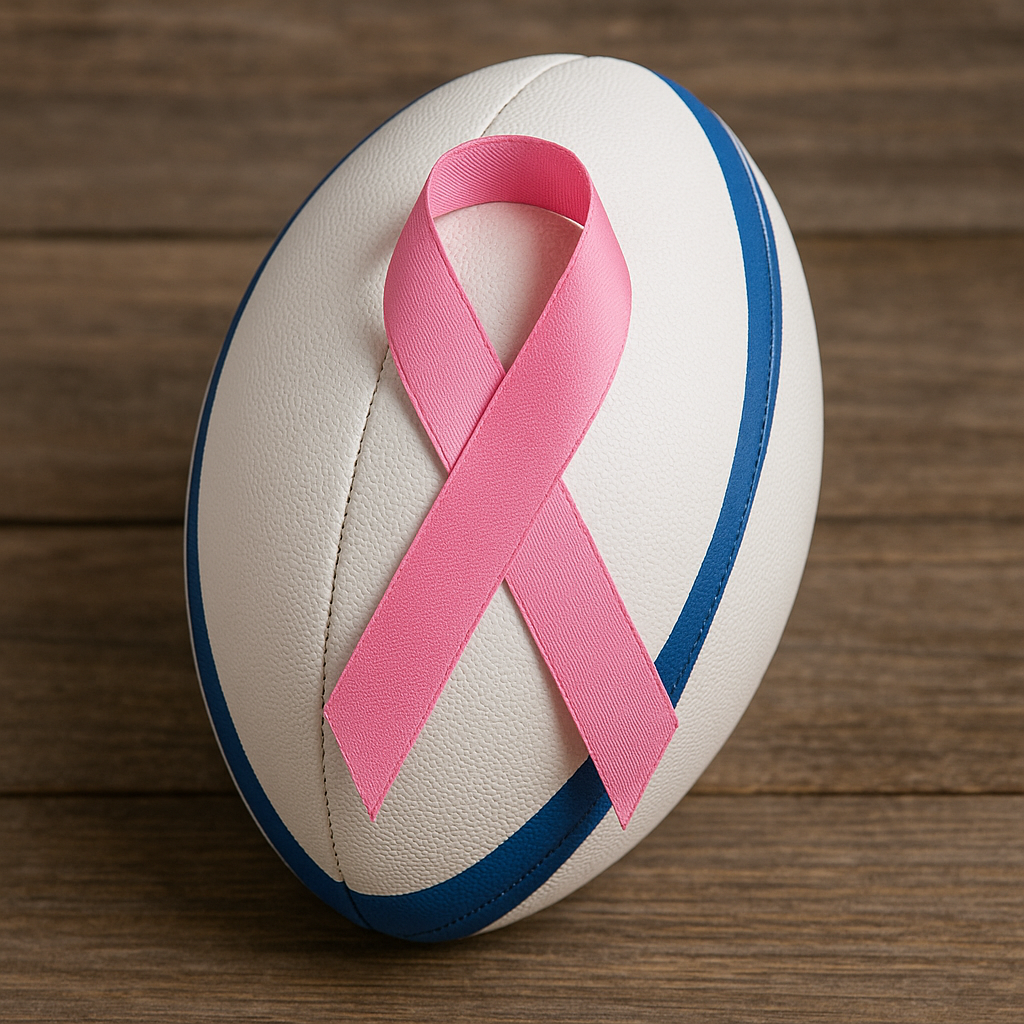
Rugby referee Aimee Barrett-Theron steps away for breast cancer treatment, inspiring support & institutional change in SA Rugby.
Aimee Barrett-Theron, a record-breaking rugby referee, is battling Stage I invasive ductal carcinoma, a type of breast cancer. She's tackling her diagnosis with a precise treatment plan: lumpectomy, chemotherapy, and radiotherapy. Her journey is supported by the global rugby community, from specialized medical care to thoughtful gestures from fellow athletes. Aimee uses her refereeing precision to manage her health, aiming for a full recovery and a return to the field.
What type of cancer does Aimee Barrett-Theron have?
Aimee Barrett-Theron has Stage I invasive ductal carcinoma, a common type of breast cancer. Her treatment plan involves a lumpectomy, sentinel-node mapping, four rounds of chemotherapy, and three weeks of radiotherapy to tackle the disease with precision and a clear strategy.
Get Cape Town news in your inbox
Stay updated with the latest stories from the Mother City.
1. A Stadium-Shaking Announcement
When Aimee Barrett-Theron dialled World Rugby on a grey Cape Thursday to say her 2013 whistle would fall silent for the rest of 2024, the tremor travelled faster than any kick-off. The 39-year-old from Strandfontein - holder of the global mark for 52 women’s Tests and the lone female to have handled a senior men’s match in South Africa - disclosed she is facing an adversary no TMO can review: Stage I invasive ductal carcinoma.
She chose the same straight-talking tone that once binned England’s prop in the 2021 World Cup final: no euphemisms, no maybes, just facts and a plan. Within minutes the elite-panel WhatsApp group - 23 stripes from 13 unions - lit up with voice notes more familiar with debating tackle-height protocols than chemotherapy cold-caps.
Joël Jutge, World Rugby’s head of officials, and Banks Yantolo, SA Rugby’s referee boss, absorbed the news first. Their brief was simple: cancel the 400 000 km-a-year globe-trotting itinerary that took her from Vancouver Sevens sunburn to Madrid night frost and keep her calendar clear for doctors, not departures.
2. The Medical Playbook
Barrett-Theron’s cancer sprint began with a late-July self-check that found an unwelcome lump. Forty-eight hours later she sat in a radiologist’s chair; seven days after that a core-biopsy gun confirmed the diagnosis.
Oncologists at Cape Town’s Breast Care Centre of Excellence - nested inside Groote Schuur and the University of Cape Town - prescribed a six-month blitz: lumpectomy, sentinel-node mapping, four rounds of dose-dense chemo and a final three-week radiotherapy curtain-call. She nodded acceptance the way she once validated a captain’s challenge: eyes steady, questions asked, emotions parked.
The sole condition was total rest from airport queues. Chemo starts 48 hours before this year’s Currie Cup semi-finals, a slot selected so her immune-system nadir lands during the relatively quiet club-playoff window rather than on the sevens circuit. A Garmin she once wore to log 160-minute training blocks now celebrates 4 000 daily steps between bedroom and kitchen; breach the target and a voice note wings its way to Dr. Ingrid Loubser, her medical oncologist and Western Province Women’s team doctor. If she finishes all four cycles without dose reduction, Loubser will personally escort her onto the 2025 World Rugby referee high-performance camp in Portugal - stakes loftier than any Super Rugby final.
3. A Community Rushes the Field
Support arrived faster than a winger on overlap. New Zealand’s players’ union freeze-dried manuka-honey lozenges to blunt chemo mouth ulcers; England’s Red Roses stitched a video montage in which former captain Sarah Hunter orders Barrett-Theron to keep her “sin-bin swagger.” Schalk Burger, whose own father stared down mortality, lined up a sports psychologist versed in long-term rehab. Even All Blacks coach Ian Foster paused a press session to declare, “A scrum without Aimee’s voice is like Eden Park without the haka - possible, just not right.”
SA Rugby reacted institutionally: within a day every high-performance female player and match official was granted free annual breast and pelvic ultrasound, a perk once reserved for full-time staff. The Bulls Women now hold “Pink Monday”: 30-minute tutorials by oncology registrars on self-examination, followed by skills practice.
Corporate backers shifted lanes. FNB diverted R1 million from a fan-gimmick budget to co-pay PET-CT scans for 40 uninsured women after Victor Matfield texted CEO Jacques Celliers: “You backed her whistle - back her fight.” Vodacom promised unlimited data so Barrett-Theron can stream Under-20 match footage during five-hour infusions; she wants to “stay two laws ahead of the lawmakers.”
4. From Dust-Bowl Dreamer to Data-Driven Patient
Her current arsenal would bemite the teenager who once hid her ponytail under a scrum-cap to bluff her way into boys’ trials. A machine-learning app now ingests weekly photos of her incision, flagging infection risk faster than any touch-judge. A continuous-glucose monitor - built for diabetic athletes - catches steroid-induced blood-sugar plunges; numbers feed a Stellenbosch sports scientist who crafts micro-dosed workouts meant to save muscle without sabotaging immunity.
Yet the through-line is unchanged: control what you can, meet chaos with homework. Whether awarding only nine reviewable penalties in 52 matches or negotiating chemo side-effects, she banks on preparation and clarity. Players often say she arbitrates like a half-back - crisp, vernacular commands that leave no wiggle room. Madrid 2022 proves it: Scotland’s Emma Wassell knocked out cold, play halted, Barrett-Theron kneels bedside and whispers so softly mics miss it, yet Wassell later admits, “I obeyed like Mum telling me to tidy my room.”
For now the only on-field action involves her dogs - rescue shepherd Scrum and border-collie TMO - sprinting after tennis balls on False Bay’s shoreline. Neighbours note the fluorescent orange referee socks still peek from beneath compression leggings, a silent vow that the woman who once controlled a Test with a torn calf refuses to vanish into survivor obscurity. If March scans stay kind, Hong Kong’s sevens sideline could greet her return, whistle poised, ready for the next kick-off in a career that has already redefined possibility.
What type of cancer does Aimee Barrett-Theron have?
Aimee Barrett-Theron has Stage I invasive ductal carcinoma, a common type of breast cancer. This diagnosis was confirmed after a self-check revealed a lump, followed by a radiologist's assessment and a core-biopsy. Invasive ductal carcinoma is a type of cancer that begins in the milk ducts of the breast and has spread to surrounding breast tissue.
What is Aimee Barrett-Theron's treatment plan?
Aimee's treatment plan is a six-month intensive program designed by oncologists at Cape Town’s Breast Care Centre of Excellence. It includes a lumpectomy (surgical removal of the tumor and a small amount of surrounding tissue), sentinel-node mapping (to check if cancer cells have spread to the lymph nodes), four rounds of dose-dense chemotherapy, and a final three-week course of radiotherapy. This comprehensive approach aims for a full recovery.
How has the rugby community supported Aimee during her cancer battle?
The global rugby community has shown immense support for Aimee. This includes practical gestures like New Zealand's players' union sending manuka-honey lozenges, England's Red Roses creating a supportive video montage, and Schalk Burger arranging a sports psychologist. SA Rugby has also taken institutional action by providing free annual breast and pelvic ultrasounds for all high-performance female players and officials. Corporate sponsors like FNB and Vodacom have also contributed significantly, with FNB funding PET-CT scans for uninsured women and Vodacom providing unlimited data for Aimee to stay connected to rugby.
What record does Aimee Barrett-Theron hold in rugby refereeing?
Aimee Barrett-Theron holds a significant record in rugby refereeing as the global mark holder for refereeing 52 women’s Tests. She is also notable as the only female to have officiated a senior men’s match in South Africa, showcasing her pioneering role and high standing in the sport.
How is Aimee using her refereeing precision to manage her health?
Aimee approaches her health management with the same precision and strategic planning she applies to refereeing. She uses a machine-learning app to monitor her incision for infection risk and a continuous-glucose monitor to track steroid-induced blood-sugar changes, with data feeding into a sports scientist for micro-dosed workouts. She focuses on controlling what she can and preparing meticulously, much like her on-field approach of clear communication and thorough preparation.
What are Aimee's goals after her treatment?
Aimee's primary goals after her treatment are a full recovery and a return to the rugby field. Her medical team, specifically Dr. Ingrid Loubser, has even set a motivational target: if Aimee completes all four chemotherapy cycles without dose reduction, Dr. Loubser will personally escort her to the 2025 World Rugby referee high-performance camp in Portugal. This underscores her determination to resume her career, with potential whispers of a return to the Hong Kong Sevens sideline if scans remain clear.

Michael Jameson is a Cape Town-born journalist whose reporting on food culture traces the city’s flavours from Bo-Kaap kitchens to township braai spots. When he isn’t tracing spice routes for his weekly column, you’ll find him surfing the chilly Atlantic off Muizenberg with the same ease he navigates parliamentary press briefings.
View all articles →