
Cape Town Council amends traffic by-laws to intensify vehicle impoundments
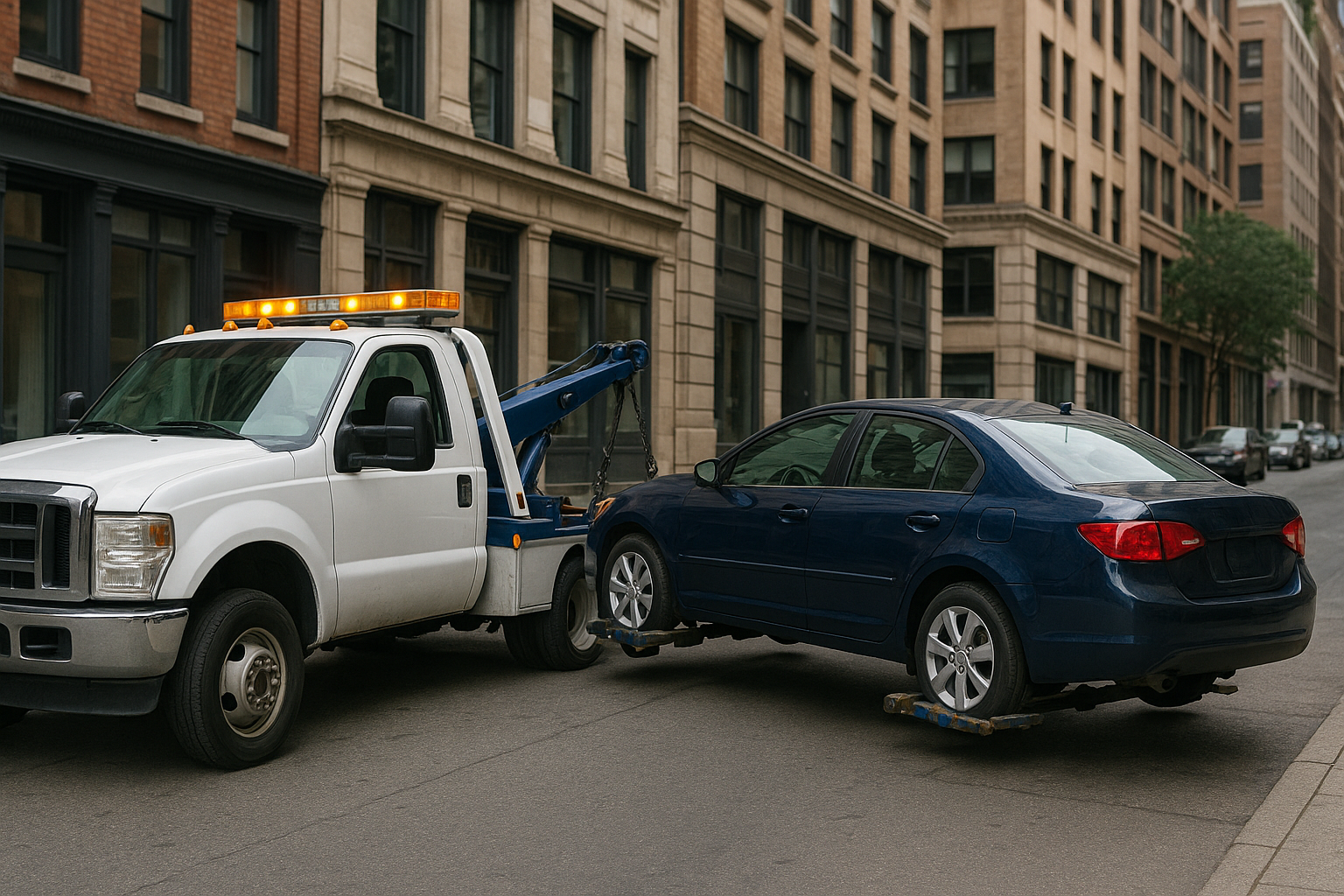
Cape Town expands vehicle impoundment for traffic offenses like street racing & drunk driving to curb fatalities and reclaim roads.
Cape Town is getting tough on bad drivers! New rules mean your car can be taken away on the spot for things like drunk driving or crazy speeding. They're doing this because too many people are dying on the roads. If your car gets seized, you'll pay big fees and have to learn about road safety. Repeat offenders might even lose their cars for good. It's all about making the city's streets safer for everyone.
What is Cape Town's new traffic crackdown about?
Cape Town's new traffic crackdown allows immediate vehicle seizure for offenses like drunk driving, reckless speeding, or driving unlicensed. This aims to reduce fatalities, with impounded cars held for at least 48 hours, requiring significant fees and road-safety education for release. Repeat offenders face permanent forfeiture.
Get Cape Town news in your inbox
Stay updated with the latest stories from the Mother City.
The Backdrop: A City Counting Minutes Between Fatal Crashes
Cape Town’s council chamber echoed with thunder on a rainy Wednesday as councillors approved the most ambitious rewrite of the Traffic By-law in a generation. From the moment the rule book is gazetted, traffic officers will be able to haul away any private car whose driver is caught spinning tyres, driving drunk, skipping plates or simply blasting past the limit by reckless margins. The decision did not arrive overnight; it followed three years of ever-climbing body counts and the growing realisation that fines and demerit points no longer scare anyone.
From January 2021 to December 2023 the city’s crash registry recorded 3 007 deaths – one life lost every eleven hours and forty minutes. Two thirds of those killed were on foot: pensioners walking to collect grants, children weaving between minibus taxis, nurses forced to cross the N2 after a late-night bus broke down. The carnage marched in step with a 10 % annual jump in drunk-driving arrests; 1 512 motorists had already been fingerprinted and released on bail between July 2023 and March 2024, and the holiday season tally still had not landed.
The New Rules: Instant Tow-Away Power and the Price of Getting Your Car Back
Under the rewritten by-law, an officer who “reasonably believes” a car is racing, its driver is over the legal alcohol limit, or its plates are forged or missing can order an immediate tow to the municipal pound. The same fate awaits vehicles clocked 30 km/h above a 60 km/h limit or 40 km/h above any higher limit, provided the officer judges the speed life-threatening. Unlicensed drivers – statistically three times more likely to kill – will also lose their wheels on the spot. Once seized, a car stays locked up for at least forty-eight hours. After that the owner must show a valid licence, a roadworthy certificate, pay R2 860 (due to rise annually) and cough up a compulsory R1 500 “road-safety education levy” earmarked for trauma counselling for crash victims’ relatives. Drunk drivers must see a court before reclaiming their vehicles, and repeat offenders within any rolling twelve-month window face permanent forfeiture. The first forfeiture case is already listed: a 22-year-old caught twice in eight weeks spinning the same VW Polo GTI along Jakes Gerwel Drive.
Bigger Yards, Lower Fees and Hardship Help
Preparing for the coming flood of seized cars, the city is doubling the Ndabeni pound from 1 800 to 4 200 bays and has earmarked a 28-hectare plot beside Philippi East rail station for a second compound able to swallow 9 000 cars, taxis and motorcycles. Solar-powered fences, drone patrols and biometric release gates – design features lifted from Dubai’s Al Qusais pound – will secure the new lot. A third, smaller site next to the Ndabeni abattoir is being sketched for impounded heavy trucks, reflecting alarm at rising deaths involving overloaded long-distance rigs.
Critics warn that the policy may crush poorer motorists who cannot stump up release fees. The city has inserted a hardship clause: anyone earning less than two social-grant equivalents can apply for lower tariffs and a ninety-day payment plan. A six-month pilot in Bellville and Khayelitsha processed 312 hardship applications; 211 were approved with an average 46 % fee cut. None of the released vehicles re-offended during follow-up, suggesting that the temporary loss of mobility, plus compulsory behavioural-economics classes run by UCT’s Graduate School of Business, actually changes habits.
Beyond Private Cars: Taxis, Tech and a New Street Culture
The net also scoops up meter-taxi and e-hailing operators. After release, their vehicles must be retro-fitted with inward- and outward-facing camera kits supplied by the city at R3 800 each; footage is encrypted, uploaded within 24 hours and scanned by an algorithm that flags harsh braking, illegal turns and phone use. Operators have until December 2025 to comply; failure triggers permit suspension and a second impound.
Political momentum comes from a coalition of road-safety NGOs, actuaries and emergency-room doctors who packed public hearings with evidence tying impoundment to fewer crash victims. Groote Schuur’s trauma unit saw a 14 % drop in polytrauma cases during last year’s R300 pilot blitz. The SA Insurance Crime Bureau adds that cloned-plate vehicles are four times likelier to be used in armed robberies; removing them ripples into lower violent-crime stats.
Technology, Tunes and a Cultural Flip
By October, 110 new licence-plate recognition cameras – many mounted on township high-mast lights – will feed SAPS’s e-case docket. If an impounded car is linked to burglaries, detectives can swab it without a fresh warrant. A Somerset West AI pilot tagged 1 047 cloned plates in eight weeks; 312 cars were traced, impounded and yielded 57 illegal firearms.
The most startling shift may be cultural. Traffic officers now wear body-cams that live-stream every seizure to a public portal, faces blurred but plates visible. Within hours the clips land on TikTok and Facebook; commenters roast the driver’s tyre choice and exhaust tone, turning recklessness into ridicule rather than respect. Local hip-hop producers have released isiXhosa and Afrikaans singles whose choruses translate roughly as “Spin your car, lose your keys.” One track by a Mandela Park crew fronted by a former racer who lost a leg in 2021 has already passed 1.3 million Spotify streams; its video ends with a tow truck hoisting a lit-up BMW into the Ndabeni lot at sunrise.
The amended by-law, expected to be gazetted within a fortnight, signals the most forceful reassertion of public control over Cape Town’s streets since those first speed cameras appeared half a century ago. For every pedestrian, cyclist and scholar crossing the city’s arteries, the message is blunt: the next set of headlights may finally ease off the accelerator, because arrogance behind the wheel can now cost the driver far more than a simple fine – it can cost the car itself.
[{"question": "
What is Cape Town's new traffic crackdown about?
", "answer": "Cape Town's new traffic crackdown allows immediate vehicle seizure for offenses like drunk driving, reckless speeding, or driving unlicensed. This aims to reduce fatalities, with impounded cars held for at least 48 hours, requiring significant fees and road-safety education for release. Repeat offenders face permanent forfeiture."}, {"question": "What are the main reasons for this new crackdown?
", "answer": "The crackdown is a direct response to a significant increase in road fatalities, with 3,007 deaths recorded between January 2021 and December 2023. A large percentage of these deaths involved pedestrians, and there's been a 10% annual jump in drunk-driving arrests. The city council found that previous measures like fines and demerit points were no longer effective in deterring dangerous driving."}, {"question": "Under what circumstances can a vehicle be seized immediately?
", "answer": "Traffic officers can immediately seize a vehicle if they reasonably believe the driver is racing, is over the legal alcohol limit, has forged or missing license plates, or is an unlicensed driver. Vehicles clocked 30 km/h above a 60 km/h limit or 40 km/h above any higher limit, if deemed life-threatening by the officer, are also subject to immediate impoundment."}, {"question": "What is the process and cost to reclaim a seized vehicle?
", "answer": "Once seized, a car is impounded for at least 48 hours. To reclaim it, the owner must provide a valid license, a roadworthy certificate, pay a fee of R2,860 (which will increase annually), and a compulsory R1,500 'road-safety education levy' for trauma counseling. Drunk drivers must appear in court before their vehicle can be released. Repeat offenders within a 12-month period risk permanent forfeiture of their vehicle."}, {"question": "Are there any provisions for motorists who cannot afford the release fees?
", "answer": "Yes, the city has a hardship clause. Individuals earning less than two social-grant equivalents can apply for reduced tariffs and a 90-day payment plan. A pilot program showed that 211 out of 312 hardship applications were approved, with an average 46% fee reduction. These motorists also attend compulsory behavioral-economics classes."}, {"question": "How is technology being used in this new crackdown?
", "answer": "Technology plays a significant role. The city is installing 110 new license-plate recognition cameras, many in townships, which feed into SAPS's e-case docket system. A pilot AI program successfully identified cloned plates. Furthermore, impounded meter-taxi and e-hailing vehicles must be retrofitted with city-supplied camera kits that record and upload footage for algorithmic analysis of driving behavior. Body-cams worn by traffic officers live-stream seizures to a public portal, contributing to a cultural shift through social media ridicule of reckless driving."}]
Emma Botha is a Cape Town-based journalist who chronicles the city’s shifting social-justice landscape for the Mail & Guardian, tracing stories from Parliament floor to Khayelitsha kitchen tables. Born and raised on the slopes of Devil’s Peak, she still hikes Lion’s Head before deadline days to remind herself why the mountain and the Mother City will always be her compass.
View all articles →