
Cape Town Cycle Tour build-up hit by hijacking scare
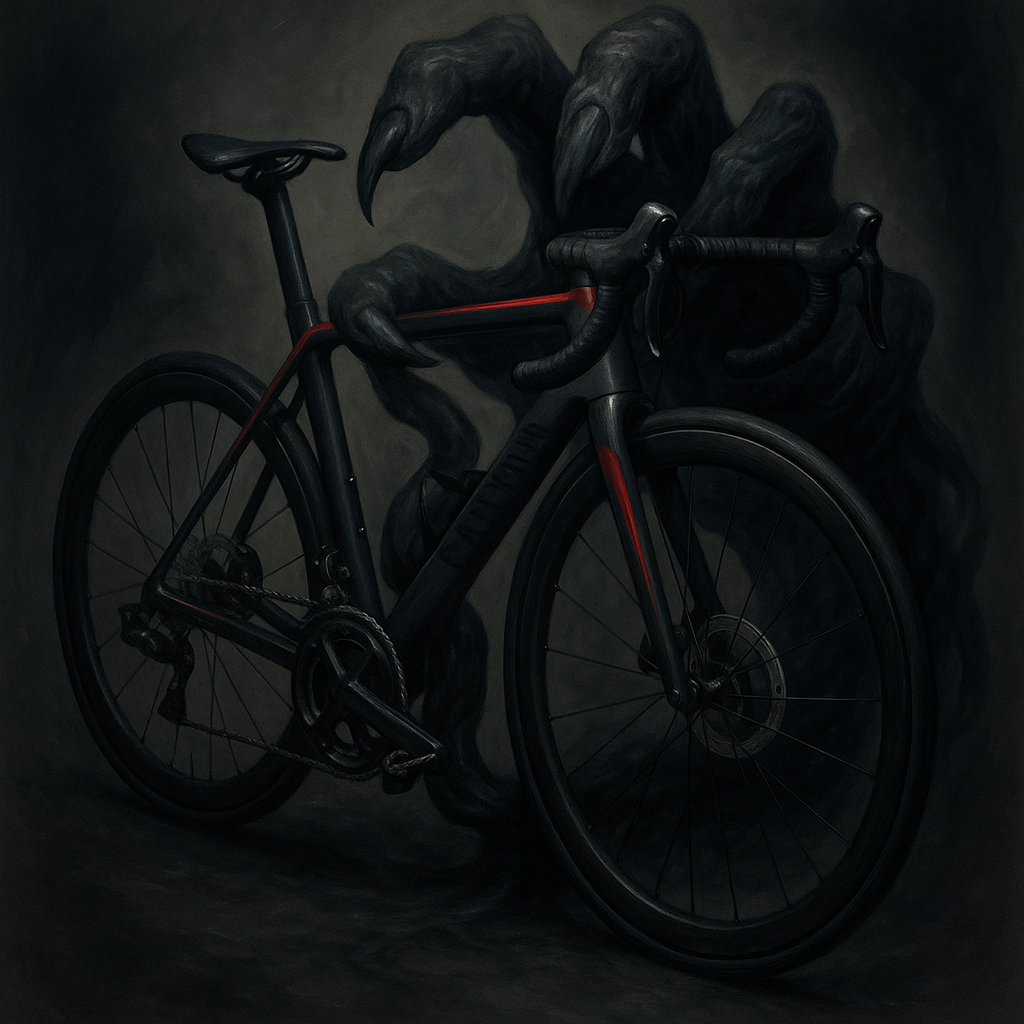
Organized crime targets cyclists on Constantia routes for high-value bikes. Learn about tactics, hot zones, and safety measures.
Cape Town is facing a scary problem: organized gangs are stealing expensive bicycles right off the road.
What is causing the surge in bicycle theft in Cape Town?
Cape Town's surge in bicycle theft is driven by organized syndicates targeting high-value bikes, which are easily resold due to pandemic-driven supply chain issues. These "low risk, high margin" thefts are exacerbated by a lack of reported incidents, making the problem invisible in crime statistics and reducing police response.
Get Cape Town news in your inbox
Stay updated with the latest stories from the Mother City.
The New Predators on Pristine Asphalt
Cyclists who once worried only about sidewinds and potholes now scan rear-view mirrors for a white Toyota Venture that has become the bogey-man of Firgrove Road. At 06:02 last Sunday a 41-year-old Claremont stockbroker - regular age-group medal collector - felt the vehicle brush him twice across the yellow line. He had barely covered four kilometres on his made-to-measure S-Works Tarmac SL8 shod with Zipp 454 hoops, a rig valued above R260 000. A bunny-hop onto a vineyard service track and a full-gas sprint to the Constantia Uitsig guardhouse saved both bike and rider. Within ten minutes three more shaken athletes arrived, each describing the same Venture and a charcoal Hyundai i20 that had ghosted past them earlier. The choreography - spotter car, blocker van, rehearsed timing - screams syndicate, not smash-and-grab.
Before breakfast the Pedal Power Association (PPA) had four fresh statements and, by 09:00, another quartet from the same 5 km ribbon of road. One woman had live-streamed the attack on Instagram: a passenger lunges for her bars at 35 km/h, she kicks free, shouts the plate number into her phone - digits that turned out to be fictitious. The clip raced to 1,3 million views and forced Premier Alan Winde’s office to demand a SAPS case file. Yet PPA CEO Neil Robinson insists fewer than twenty percent of such encounters are ever logged. “Victims claim they’re late for work or doubt the police will act,” he says. “That data gap keeps the trend invisible in national crime stats, which keeps patrol cars away.”
Why R260 000 Bicycles Are the New Currency
South Africa already boasts close to 400 000 active road cyclists, and pandemic-broken supply chains have driven resale prices of premium frames up by as much as sixty percent. One stolen S-Works or Pinarello F can be stuffed into a hatchback, containerised in Cape Town harbour and unpacked in Nairobi, Dubai or Maputo before the original owner finishes filing an affidavit. “Bikes are today’s laptops,” laughs a Provincial Organised Crime detective. “High margin, low risk, no password required.” Police briefings circulated to shop owners list three active peninsula crews: the Constantia Cruisers, the Hout Bay Hookers and a Durbanville offshoot nicknamed Bellville Boost. All follow the same drill: rented hatchback tailing, panel-van blocking, 30-second extraction.
Sunday’s Venture wore magnetic decals for a non-existent plumbing firm, a throw-away disguise that lets drivers talk their way out of routine traffic stops. Similar stickers were later found discarded near the M3 on-ramp, suggesting the crew peeled them off seconds after the botched snatch. A traffic camera snapshot at 06:17 shows the same van tearing onto the south-bound carriageway at 112 km/h, tail-gate still ajar - possibly the would-be hijacker hadn’t yet slammed it shut.
Red Zones Where Riders Become Prey
By layering Strava Metro data - 1,9 million anonymised Cape Town uploads since January - onto crime reports, the PPA has painted three crimson corridors. First, the Constantia Neck–Firgrove–Spaanschemacht triangle: 18 incidents since 1 February, average bike value R125 000. Second, Suikerbossie climb and the R327 coastal shoulder into Hout Bay: 14 ambushes, five successful, one leaving a Swedish triathlete with a snapped clavicle. Third, Durbanville’s Wellington–Vissershok loop: 11 attacks, all at dawn, each with a fast escape onto the N1 at Joostenbergvlakte. Syndicates favour uphill or false-flat stretches where riders hover around 20 km/h in the aerobars, balance precarious and reaction time minimal. Strike times cluster between 05:30 and 06:45, the sweet spot after sunrise but before rush-hour congestion. No jamming devices have been detected; thieves still depend on speed rather than tech warfare, although one stolen Giant was later found by its hidden AirTag - inside a Bellville flat leased with a forged ID.
Forensic profiler Lieutenant-Colonel Mari de Beer, seconded to the Hawks, says bicycle hijackings now copy late-1990s car-jacking choreography: tail, bump, box-in, weapon flash, rapid extraction. “Only the cargo weighs seven kilos, not seven tonnes,” she notes. Her checklist, drawn from 74 cases since October, reads like a horror story: hatchback cruising for 400 m with rear plate angled toward the tarmac, passenger window cracked despite the pre-dawn chill, bottles or bricks planted overnight to force a dismount, panel van idling 300 m ahead with hazards feigning breakdown. The escalation arrived on 26 February when a Toyota Quantum minibus forced five riders to the verge on the R44 near Stellenbosch. Instead of grabbing bikes, two gunmen collected phones, bike computers and GPS watches - data harvesting rather than straightforward theft. The watches surfaced days later in a Khayelitsha pawnshop, serial numbers filed off, presumably to build rider profiles that can be cross-checked against public Strava segments.
Tech, Cops and Premiums - The Counter-Attack
PPA’s emergency WhatsApp group has swollen to 8 600 members and averages 11 alerts each weekend. When three separate riders flag the same registration inside 15 minutes, a code-red ping flashes on digital billboards along Edinburgh Drive and the M3, ordering cyclists to reroute. Private firm VeloSecure now leases a handlebar-mounted 4 G camera that beams 155-degree footage to the cloud while logging GPS co-ordinates every two seconds. Monthly fee: R299. Hollard Insurance sweetens the deal with a 15 percent premium discount; early numbers show suspicious vehicles approach camera-toting riders 40 percent slower, deterrence by visibility.
The City’s safety directorate, led by JP Smith, is piloting lamp-post bluetooth plate readers on Spaanschemacht. At R18 000 apiece the gadgets flag stolen or false registrations within 400 ms and dispatch metro officers waiting further along the road. Three wanted cars have already been netted, none linked to bike crime yet, but the deterrent value alone justifies widening the roll-out before the Cycle Tour.
High-end insurance often caps single-bike payouts at R75 000 unless the machine is specifically declared. With flagship models breaching R200 000, many owners unknowingly under-insure, assuming burglary rather than armed roadside seizure is the risk. King Price says “ride-time” claims have leapt 210 percent year-on-year, prompting a temporary 20 percent excess on any loss occurring between 05:00 and 08:00 on public roads. Analysts warn that winter could bring a 30 percent sector-wide premium hike, potentially pricing hobbyists out of the sport and denting mass-event entries.
SAPS numbers reveal why visibility is thin: Constantia precinct operates 127 officers for 62 000 residents, well short of the UN benchmark. Shift change at 06:00 creates a 25-minute window when only two vans cover the entire Southern Suburbs. The Highway Patrol unit is down 18 members who have not been replaced. National Commissioner General Masemola has approved 120 reservist cyclists for the Cycle Tour weekend, but reservists cannot pursue or arrest unless paired with a regular constable.
Bogotá’s Blueprint and Cape Town’s Grass-Roots Response
Cape Town is not inventing the wheel. Bogotá’s “Ruta Rodante” recorded 1 400 armed bike robberies in 2016; Colombia responded with Law 1834, reclassifying bicycle theft as organised crime when three or more offenders cooperate. Sentences jumped from six to twenty years and a covert Ciclovía Tactical Unit - mountain-bike officers riding incognito - cut reported incidents 58 percent within two years. Free GPS beacons, mandatory for insurance, pushed the recovery rate even higher. Lisbon copied the model last year and returned 72 percent of stolen bikes inside 48 hours, prompting insurers to waive excess fees entirely.
Locally, hashtag #RideRouge exploded after the Firgrove ambush. Flash-mob training rides now roll out of Constantia Mall at 05:15, eighty jerseys strong, slowing commuter traffic but scaring off hijackers. Former Springbok rower Gabby Venter runs clinics on bike-release judo: unclip, abandon, sprint sideways. “Your life is worth more than your groupset,” she says, waving a decommissioned 11-speed cassette now cut into a key-ring.
Countdown to 9 March - Will the Tour Stay Ahead of the Thieves?
Race day will see 35 000 starters leave Cape Town Stadium for the 47th edition of the Cycle Tour. Organisers have drafted 350 marshals equipped with body-cams and radio links to a joint-ops centre staffed by SAPS, metro police and PPA comms. Helicopters will loiter over Chapman’s Peak, live-streaming any vehicles that linger on the cliff-side shoulder. Riders must run front and rear lights even at noon, fix race numbers to handlebars as well as jerseys, and ditch earphones so they can hear approaching engines. Whether these layers deter the syndicates remains to be seen; what is certain is that the hijackers have also bookmarked the race manual, hunting for the next gap where speed, value and vulnerability meet on a mountain pass while the rest of the city finishes its morning coffee.
[{"question": "What is driving the increase in bicycle theft in Cape Town?", "answer": "The surge in bicycle theft in Cape Town is primarily driven by organized crime syndicates targeting expensive bicycles. These bikes are highly desirable due to a global shortage caused by pandemic-related supply chain issues, making them easy to resell at high prices. Thieves view these as 'low risk, high margin' targets. A significant contributing factor is the underreporting of these incidents, which keeps the problem invisible in official crime statistics and leads to a reduced police response."}, {"question": "How do these organized bicycle theft gangs operate?", "answer": "Organized gangs in Cape Town employ sophisticated tactics, often using a 'choreographed' approach. This typically involves a 'spotter car' (like a white Toyota Venture or charcoal Hyundai i20) to identify targets, followed by a 'blocker van' to corner the cyclist. They favor stretches of road where cyclists are slower, such as uphills or false-flats, and operate predominantly between 05:30 and 06:45. Some tactics include using magnetic decals on vehicles to impersonate legitimate businesses, planting obstacles on roads to force dismounts, and even using a 'tail, bump, box-in' method similar to carjackings. There are reported active crews known as the Constantia Cruisers, the Hout Bay Hookers, and Bellville Boost."}, {"question": "What areas are most affected by bicycle theft in Cape Town?", "answer": "Based on Strava Metro data and crime reports, three 'crimson corridors' have been identified. These include the Constantia Neck–Firgrove–Spaanschemacht triangle, the Suikerbossie climb and the R327 coastal shoulder into Hout Bay, and the Durbanville’s Wellington–Vissershok loop. These areas are characterized by uphill or false-flat stretches where cyclists are more vulnerable."}, {"question": "What measures are being taken to combat this problem?", "answer": "Various counter-measures are being implemented. The Pedal Power Association (PPA) uses an emergency WhatsApp group to alert members, and digital billboards display code-red pings for rerouting. Private firms like VeloSecure offer handlebar-mounted 4G cameras that stream footage and log GPS. The City's safety directorate is piloting lamp-post Bluetooth plate readers to flag stolen or false registrations. Law enforcement is also drawing parallels to late-1990s carjacking choreography to understand and combat the new tactics. For the upcoming Cycle Tour, organizers are increasing marshals, using body-cams, and employing helicopters for surveillance."}, {"question": "How are insurance companies responding to the increased risk?", "answer": "Insurance companies are adjusting their policies due to the surge in 'ride-time' claims, which have increased by 210% year-on-year. Many high-end policies cap single-bike payouts at R75,000 unless the bike is specifically declared, leading to under-insurance for owners of bikes valued over R200,000. Some insurers, like King Price, have introduced a temporary 20% excess on losses occurring between 05:00 and 08:00 on public roads. Analysts predict a potential 30% sector-wide premium hike, which could impact participation in the sport."}, {"question": "Are there any international examples Cape Town can learn from?", "answer": "Yes, Bogotá, Colombia, faced a similar issue with armed bike robberies. They responded with Law 1834, reclassifying bicycle theft as organized crime when three or more offenders cooperate, significantly increasing sentences. They also implemented a covert Ciclovía Tactical Unit (mountain-bike officers incognito) and mandated free GPS beacons for insurance, leading to a 58% reduction in incidents and higher recovery rates. Lisbon has successfully copied this model, achieving a 72% recovery rate of stolen bikes within 48 hours. These examples suggest that a combination of legislative changes, specialized law enforcement units, and mandatory tracking technology can be highly effective."}]

Aiden Abrahams is a Cape Town-based journalist who chronicles the city’s shifting political landscape for the Weekend Argus and Daily Maverick. Whether tracking parliamentary debates or tracing the legacy of District Six through his family’s own displacement, he roots every story in the voices that braid the Peninsula’s many cultures. Off deadline you’ll find him pacing the Sea Point promenade, debating Kaapse klopse rhythms with anyone who’ll listen.
View all articles →