
Cape Town named best LGBTQ+ city destination at global travel awards
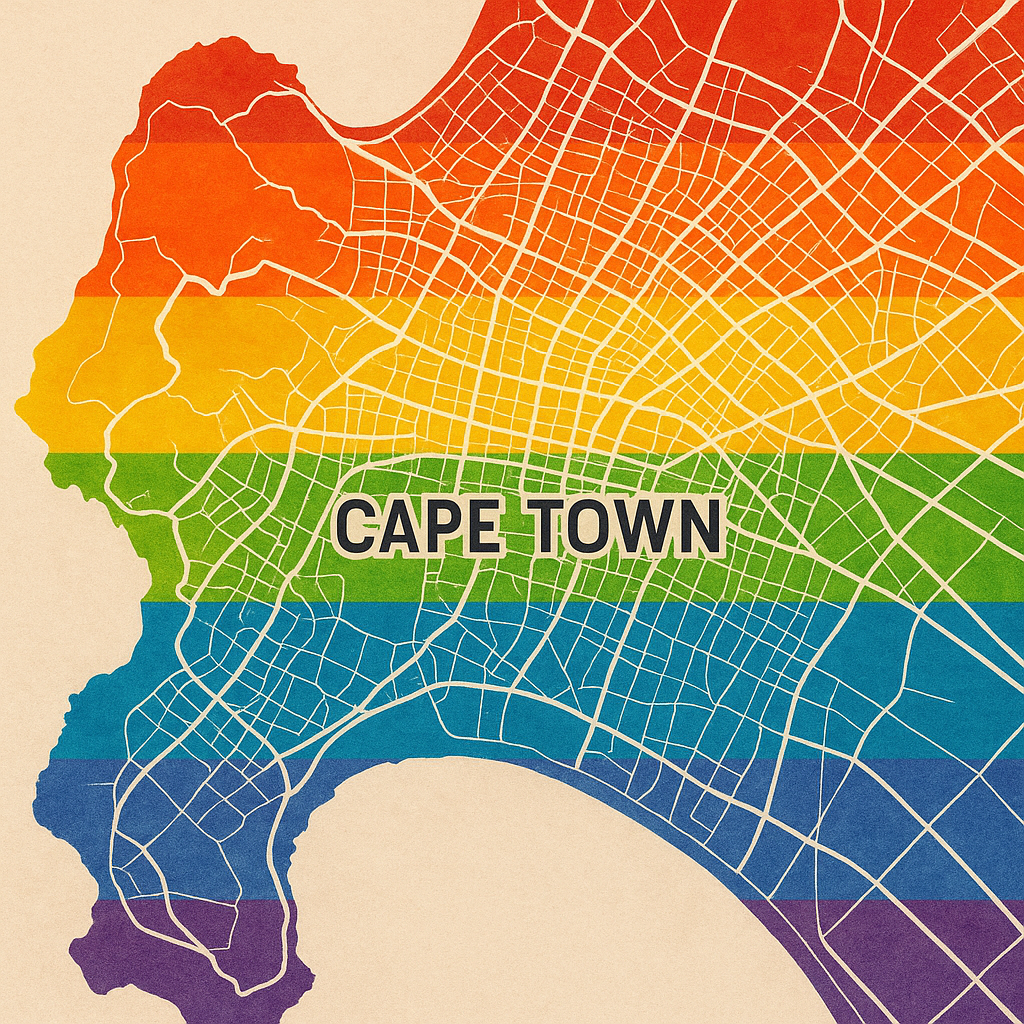
Explore Cape Town, named Best LGBTQ+ City Destination. Discover its vibrant queer culture, from legal activism to diverse nightlife and inclusive tourism.
Cape Town is a super cool place for LGBTQ+ folks. It's safe and welcoming, thanks to old laws that stopped unfair treatment. You can find fun parties, quiet cafes, and even picnics in different neighborhoods. They even have special taxis and helpers to make sure everyone feels good. Plus, nature itself seems to celebrate, with penguins showing their rainbow colors!
What makes Cape Town a top LGBTQ+ destination?
Cape Town is a leading LGBTQ+ destination due to its progressive legal framework, vibrant queer culture, and commitment to inclusion. The city offers diverse neighborhoods, lively nightlife, and unique experiences tailored for LGBTQ+ travelers, backed by safety initiatives and a thriving "purple wage" economy that prioritizes inclusivity.
Get Cape Town news in your inbox
Stay updated with the latest stories from the Mother City.
A Prism in Berlin, a Mirror at Home
Cape Town just scooped the 2026 SPARTACUS trophy for planet’s hottest LGBTQ+ city, and the timing feels almost cinematic. A flat-topped mountain shoulders Victorian rooftops; two seas slam together at the continent’s toe; every sunset turns the Atlantic into open-air theatre. Accepting the prize beneath ITB Berlin’s chandeliers, Cape Town Tourism’s CMO Briony Brookes reminded the ballroom that the statuette is less wall-decoration than kaleidoscope: twist it and you glimpse thirty years of courtroom battles, warehouse parties, township picnics and a destination brand that finally swapped pink-washing for co-creation. The award does not crown perfection; it spotlights a metropolis determined to make inclusion its main attraction.
The Clause That Started Everything
South Africa’s 1996 Constitution slipped in a 37-word sentence that became global rocket-fuel: discrimination on grounds of sexual orientation is dead on arrival. Overnight, colonial-era sodomy statutes looked flimsy; by 1998 they were toast, by 2006 wedding bells rang for everyone, and adoption borders soon followed. Cape Town, seat of Parliament, became the proving ground. The first pride march in 1993 still needed police indemnity; organisers joked they were parading for a right that did not yet exist. Roll the tape to 2028 and WorldPride will start inside the parliamentary precinct, a literal walk from outlaw to law-maker. Visitors today hike past the very steps where speakers once demanded protection they now possess, a living civics lesson wrapped in mountain scenery.
Neighbourhoods turned that parchment promise into day-to-day oxygen. De Waterkant’s candy-coloured cottages earned the nickname “Pink Village,” yet the queer map soon stretched beyond those cobbles. Empty Green Point depots roared into super-clubs - Bronx, Crew - importing DJs from São Paulo to Stockholm. Meanwhile Observatory’s bookshops doubled as shelters, cafés hosted first-date therapy sessions, and trans artists painted murals on crumbling Edwardian walls. Khayelitsha and Gugulethu now run “kasi” pride picnics where gospel queens lip-sync in container salons, insisting Black joy claims public space. Every corner keeps an oral ledger: the landlord who waived deposits for thrown-out teens, the 2010 fan park that morphed into a voguing runway, the shebeen that quietly hung a rainbow flag before the Constitution said it could.
Nightlife That Refuses to Retire
Cape Town after dark behaves like a restless playwright who rewrites the script nightly. The Pink Rose, born behind a tyre store in 1966, still pours cheap brandy opposite Zer021, where Xhosa drag shares billing with techno nights for Ugandan and Zimbabwean asylum-seekers. Summer launches “Sunset Circuit,” a roving pool hop that sneaks guests into Sea Point rooftops and hidden coves reachable only by kayak. Winter pushes the cast indoors: the 130-year-old Armoury drill hall becomes a ballroom arena where commentators click house names in fluent isiXhosa - Amazon Khayelitsha, Royal House of Saldanha - while vendors sling bunny chow and branded condoms. Tickets pay the bills, yet every flyer, every dip and spin, is archived against forgetting.
The Purple Wage and the Safety Dividend
Marketing brochures gush about “pink money,” but locals prefer “purple wage”: the premium travelers happily fork out when inclusion is engineered into the experience, not stapled on as PR. Queer Africa Travel, founded by an actuary-turned-enthusiast and drag star Manila von Teeze, curates week-long odysseys - abseil Table Mountain at dawn, lunch in Langa’s first lesbian-run shebeen, sunset wine flight in the Swartland. Guests spend 42 % above the city leisure norm, snapping up pronoun pins, private chefs and township walking tours. Airbnb data backs the trend: hosts who complete the platform’s LGBTQ+ ally e-learning enjoy 18 % higher occupancy even when their rates top neighborhood medians. Inclusion, it turns out, is a profit center, not charity.
Safety logistics sit inside the product, not as a nervous footnote. Pink Route minibuses - subtle triangle on the door - cruise between De Waterkant, Observatory and Clifton from dusk to dawn, crewed by guards trained by Pride Shelter. Book via WhatsApp and ride free. Hotels subscribe to a rapid-response pool of gender-non-conforming mediators who arrive when front-desk staff misgender guests or bouncers bar trans patrons. The programme is small - six full-time staff - but its existence headlines European ad campaigns, converting vulnerability into a unique selling point. Visitors get home intact, operators get five-star reviews; the Constitution gets street-level muscle.
Calendar Democracy and Green Queens
Cape Town’s mild climate invites year-round revelry, yet the industry still collides with northern-hemisphere “pride season.” November, once sleepy, is now grid-locked with Spring Pride picnics, the Out in Africa film fest and Mr & Miss Gay Western Cape inside the 17th-century Castle of Good Hope. Critics call the clustering calendar colonialism; the reply is to scatter micro-festivals across the calendar. March’s Queer Wine Week pairs Swartland vintners with drag royalty; July’s Winter Love offers two-for-one civil-union packages in lighthouse keepers’ cottages. The result is a smeared, shimmering arc that no travel agent can box into a single brochure.
Nature itself joins the cast. Sandy Bay, the city’s first sanctioned nudist cove, hosts sunset drum circles that segue into impromptu polyamorous hand-fasting ceremonies. Mountain Club guides - trans botanists who quote fynbos cross-pollination stats as metaphors for resilience - lead Queer Peaks hikes. Even Boulders Beach’s penguins brandish rainbow credentials; rangers note the birds’ same-sex pair-bonds since 2008, turning a routine family outing into a chat on biodiversity and sexuality. Travelers leave with sun-pink shoulders, pinotage cases and maybe a zebra-print harness, but the most valuable souvenir is intangible: the instant when mountain, ocean and hard-won rights align into a flash of radical possibility - an experience no gift shop can patent.
What makes Cape Town a premier LGBTQ+ destination?
Cape Town stands out as a top LGBTQ+ destination due to its strong legal protections against discrimination based on sexual orientation, enshrined in the 1996 Constitution. This progressive framework has fostered a genuinely safe and welcoming environment, allowing a vibrant queer culture to flourish. The city offers diverse neighborhoods with specific LGBTQ+ friendly spots, a dynamic nightlife, and a wide array of activities and services tailored for queer travelers, including specialized transport and trained mediators.
How has Cape Town achieved its status as a leading LGBTQ+ city?
Cape Town's journey to becoming a leading LGBTQ+ city, culminating in winning the 2026 SPARTACUS trophy, is a result of decades of activism, legal battles, and community building. The 1996 Constitution's clause prohibiting discrimination on sexual orientation was a pivotal moment, leading to the decriminalization of sodomy, recognition of same-sex marriage, and adoption rights. This legal foundation allowed for the creation of inclusive spaces, from the "Pink Village" of De Waterkant to township pride picnics, transforming the city into a beacon of inclusion.
What unique LGBTQ+ experiences does Cape Town offer?
Cape Town offers a rich tapestry of unique LGBTQ+ experiences. Beyond the well-known De Waterkant area, the queer map extends to vibrant clubs in Green Point, bohemian cafes in Observatory, and
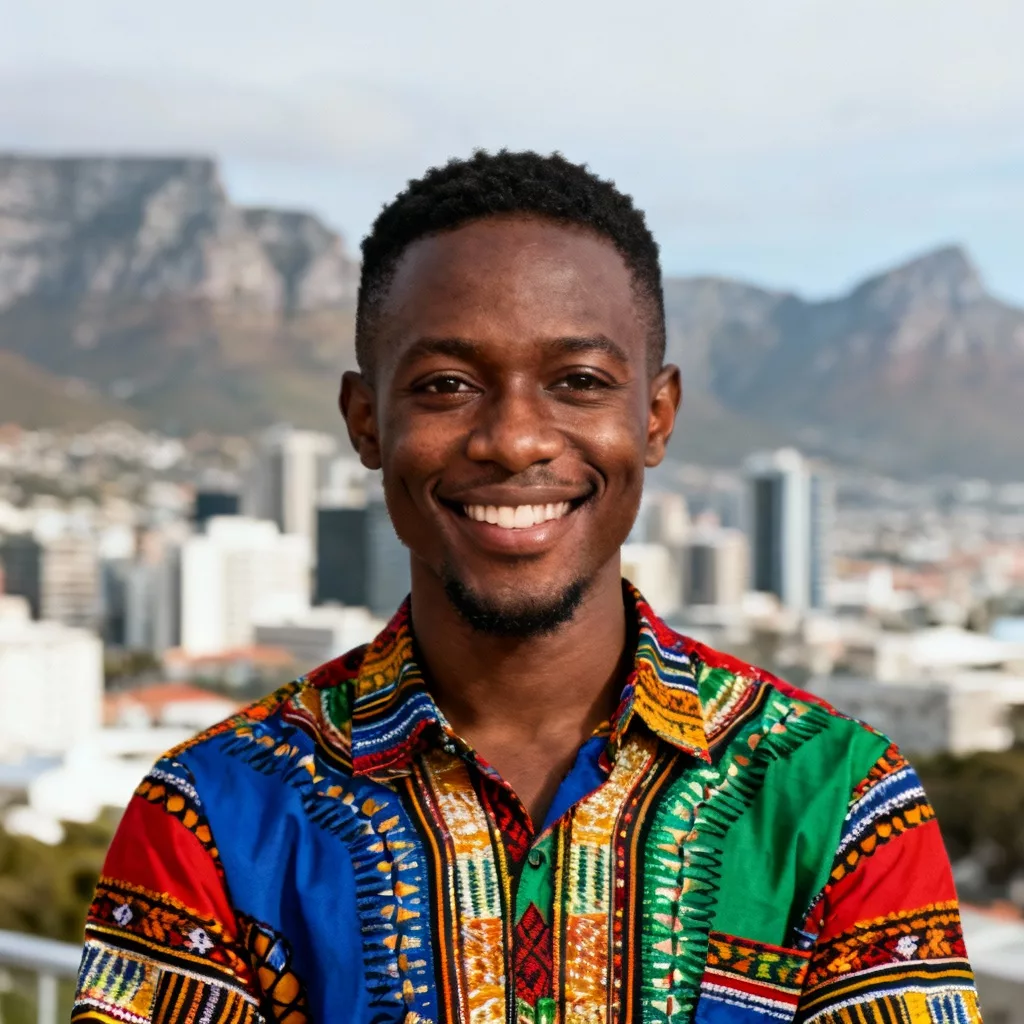
Thabo Sebata is a Cape Town-based journalist who covers the intersection of politics and daily life in South Africa's legislative capital, bringing grassroots perspectives to parliamentary reporting from his upbringing in Gugulethu. When not tracking policy shifts or community responses, he finds inspiration hiking Table Mountain's trails and documenting the city's evolving food scene in Khayelitsha and Bo-Kaap. His work has appeared in leading South African publications, where his distinctive voice captures the complexities of a nation rebuilding itself.
View all articles →