
Cape Town wins global luxury value title
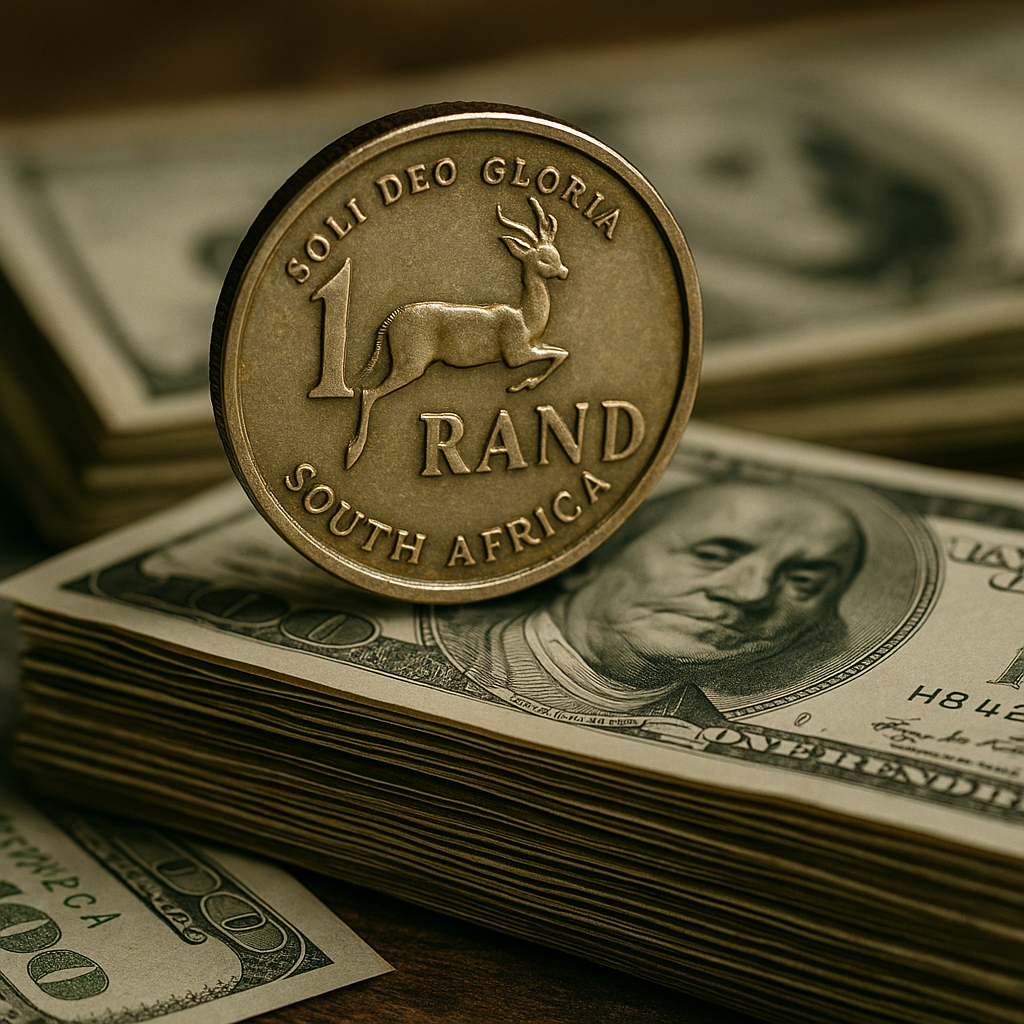
Cape Town offers luxury experiences at emerging-market prices. With a favorable exchange rate, enjoy 5-star hotels, gourmet dining, and safaris for less.
Cape Town’s Currency Gift: Luxury for Less in the Mother City
Cape Town is a secret gem where luxury costs less. Thanks to a weak local currency, your money goes further, letting you enjoy fancy hotels, amazing food, and fun activities without breaking the bank. Imagine sleeping in five-star rooms, eating gourmet meals, and exploring stunning vineyards, all for a fraction of what it would cost elsewhere. It's like a magic trick for your wallet, making lavish experiences surprisingly affordable and truly unforgettable.
Why is Cape Town a luxury travel destination for less?
Cape Town offers luxury travel at significantly reduced prices due to the weak South African Rand against major currencies like the USD and Euro. This currency advantage, combined with competitive pricing from luxury operators and a strong local supply chain, allows visitors to experience five-star amenities, dining, and activities at a fraction of the cost found in other global luxury destinations.
Get Cape Town news in your inbox
Stay updated with the latest stories from the Mother City.
1. The Math That Moves the Holiday Budget
Cape Town has always looked like a movie set - craggy peaks dropping into two oceans, vineyards folding into the hinterland, surfers framed by postcard sunsets. Today the headline is less photogenic but just as dramatic: the rand. At roughly R17 to the greenback and R19 to the euro, every foreign banknote multiplies like a magic trick. The city’s five-star ecosystem - harbour-view suites, single-origin espresso, barrel-aged gin, vineyard degustations, private guides, helicopter hops - now sits in the “why not?” bracket instead of the “maybe once” column.
Luxury operators, still stitching balance sheets back together after the global travel lull, are stacking high-margin treats at first-world quality but emerging-world prices. A quick translation: the same stack of dollars that once bought a long weekend now stretches to a week, and the upgrade that used to be a fantasy now appears at check-in. The rand’s slump is the traveller’s windfall, and the industry is leaning into the moment with longer-stay sweeteners, free rides to the winelands and spa credits that make the calculator smile.
2. Where You Sleep, Sip and Eat for Half the Price
-
Sleep*
The Commodore, freshly remodelled in 2022, squats on a private quay of the V&A Waterfront. A 36 m² waterfront room lists at R3 400 a night - about US $200 at the time of writing. That buys harbour-view sunrise laps in a rim-flow pool, 24-hour concierge, a shuttle to the Zeitz MOCAA contemporary art vault and a breakfast spread that includes rooibos-cured salmon poured with sparkling wine. Try finding comparable inventory in Sydney’s Circular Quay or San Francisco’s Embarcadero for under US $450 before tax - you will not. Aggregated data show Cape Town’s luxury bracket runs 55 % cheaper than London, 48 % cheaper than Manhattan and 35 % cheaper than Bangkok once service and taxes are folded in. -
Sip*
Franschhoek’s La Petite Ferme has turned its hilltop kitchen into a glass cocoon where diners watch chefs paint plates while the valley sprawls beneath. Five courses - duck glazed in sun-dried apricot and buchu, springbok loin finished with Pinotage, pumpkin and amasi panna cotta - arrive with single-block wines for R1 650 (≈ US $90). A parallel tasting in Paris along the Seine would lighten a wallet by €220; in Napa you would be lucky to escape for US $350 plus corkage. Proximity is the secret: herbs travel 3 km, trout 45 km, venison 90 km, so transport cost is pocket change and menus pirouette with the seasons. -
Eat*
Street-level prices stay ridiculous. A flat white built on Woodstock-roasted beans costs R35 (US $2). A 330 ml hibiscus Berliner weisse at the Saturday market runs R45 (US $3). A three-course dinner in the Bo-Kaap, served on ceramics thrown in the neighbouring studio, averages R400 (US $23) including gratuity. Even getting around is cheap: a 20-minute hop-skip from Camps Bay to the city bowl seldom tops R120 (US $7), and the new MyCiTi airport express undercuts most global rail links.
3. Why the Deals Keep Coming
Tourism numbers explain the generosity. Between January and October 2025 South Africa greeted 8.56 million overseas visitors - 1.3 million more than the same stretch in 2024. Cape Town International alone processed 2.7 million of them, a new record, while 45 cruise calls injected R1.79 billion into the metro economy. Five-star occupancy hovers at 72 %, still below the 80 % ceiling that would let revenue managers tighten the screws, so sweeteners rule the day - third-night-free, complimentary helicopter transfers, food-and-beverage credits redeemable at Nobu or the new sky-bar atop SunSquare in Foreshore.
Airlines are piling on. United’s non-stop Newark service, reborn in December 2024, now sends five 787-9 Dreamliners a week. Lufthansa has turned its Munich seasonal hop into a year-round fixture, and Emirates has upsized one of its three daily A380s to include shower-equipped first suites. Landing fees at Cape Town International remain 60 % lower than Heathrow or JFK, savings that trickle down to seat prices.
On the ground, the rand-priced supply chain keeps costs humble. The new R1.4 billion cruise terminal can swallow 3 500 passengers per call, yet port dues stay modest. Helicopter charters to the winelands average R3 200 (US $190) for a 25-minute aerial loop over Chapman’s Peak - less than a surcharged rideshare in the Hamptons on July 4. EV rental starts at R750 (US $44) a day, carbon offsets included, thanks to the continent’s densest electric-charging lattice.
4. Living Large Without the Guilt
Digital nomads are clocking in from the Atlantic seaboard. The Twelve Apostles Hotel sells a “Work From Table Mountain” bundle: ocean-facing suite, 200 Mbps fibre, botanical lunchtime walks, sunset yoga on a private helipad and a chauffeured BMW iX for weekend detours - US $250 a night when booked in 28-night blocks. A month in Camps Bay with daily housekeeping and whale-spotting breaks now costs less than a studio in Frankfurt or Seattle.
Safari operators have copied the formula. Kwandwe Private Game Reserve, 90 minutes east of Port Elizabeth, packages return flights from Cape Town, two nights in a 140 m² river suite, Big Five drives, conservation levy and bespoke meal plans for R19 500 (US $1 150) per person. The same architects who drafted Richard Branson’s Ulusaba lodge designed Kwandwe’s copper-and-stone spa, yet the rand price undercuts equivalent Kenyan or Tanzanian lodges by 40 %.
Creatives cash in too. Zeitz MOCAA-backed muralists earn rands but sell in dollars; a two-hour street-art walk with a resident painter costs R450 (US $26). Electronic-weekender tickets use dual pricing - locals R180 (US $10), visitors R450 - so inclusivity and profit coexist. Jewellery City diamond brokers offer GIA-certified 1-carat stones at 30 % below Antwerp prices, while Bree Street boutiques shift linen safari jackets and Namaqualand ceramic jewellery for roughly one-third of SoHo tags. A 2 m canvas by a rising Limpopo painter leaves the wall for R65 000 (US $3 800), still a fraction of what emerging-market art fetches in London’s Fitzrovia.
Forecasters expect the rand to stay soft through 2026, pinned by tamer inflation and steadier commodity receipts. If the crystal ball is right, the window remains open. Hotel pipelines promise 2 700 new three- to five-star rooms by 2027, a 19 % inventory bump that will keep upgrade offers alive, while airlift is pencilled to grow 11 % with Sao Paulo and Seoul routes in final talks. Wine estates are planting another 1 800 ha of Pinotage and Chenin Blanc, ensuring farm-door bottle prices - currently R180 (US $10.50) for a 92-point Platter red - stay immune to imported inflation.
The takeaway is simple: the city that once demanded spreadsheet acrobatics now welcomes spontaneous indulgence. Swap the hatchback for the convertible Mini, tack on the shark-cage dive, slide into the chef’s counter, book the extra pavilion night - minus the customary post-holiday hangover. In Cape Town, luxury is suddenly a volume game, and the currency multiplier is still wearing the visitor colours.
Why is Cape Town a luxury travel destination for less?
Cape Town offers luxury travel at significantly reduced prices due to the weak South African Rand against major currencies like the USD and Euro. This currency advantage, combined with competitive pricing from luxury operators and a strong local supply chain, allows visitors to experience five-star amenities, dining, and activities at a fraction of the cost found in other global luxury destinations.
How does the weak South African Rand benefit travelers?
The current exchange rate, approximately R17 to the US dollar and R19 to the Euro, means that foreign currency goes much further in Cape Town. This allows visitors to afford experiences that would be prohibitively expensive elsewhere, such as five-star hotel stays, gourmet meals, private tours, and even helicopter rides, effectively turning aspirational travel into an affordable reality.
What kind of luxury accommodations can I expect for less?
Luxury hotels in Cape Town, such as The Commodore on the V&A Waterfront, offer amenities like harbor-view rooms, rim-flow pools, 24-hour concierge services, and lavish breakfast spreads for around US $200 a night. This is significantly cheaper (55% less than London, 48% less than Manhattan) than comparable luxury offerings in major global cities, allowing travelers to enjoy opulent stays without the premium price tag.
Can I enjoy gourmet dining and fine wines affordably in Cape Town?
Absolutely. Cape Town's culinary scene offers exceptional value. For instance, a five-course tasting menu with wine pairings at a high-end restaurant like La Petite Ferme in Franschhoek can cost around US $90, while a similar experience in Paris or Napa would be several times more expensive. The proximity of local ingredients also helps keep costs down, ensuring fresh, seasonal menus at accessible prices.
What other activities and services are surprisingly affordable?
Beyond accommodation and dining, everyday expenses and luxury activities are also budget-friendly. Street-level prices for coffee and local beers are very low (e.g., US $2 for a flat white). Transportation is inexpensive, with a 20-minute taxi ride costing around US $7. Even more exclusive experiences like helicopter charters to the winelands (around US $190 for a 25-minute loop) or a two-hour street-art walk with a local artist (US $26) are remarkably affordable compared to international benchmarks.
Why do luxury deals and competitive pricing continue in Cape Town?
Cape Town's tourism industry is actively working to attract visitors, offering incentives like longer-stay packages, complimentary transfers, and spa credits. High occupancy rates, though not at their absolute peak, encourage hotels to offer continued deals. Additionally, the city benefits from competitive airline landing fees and a rand-priced local supply chain, which keeps operational costs low for businesses, passing those savings on to consumers. The rand is also forecast to remain soft through 2026, suggesting these favorable conditions will persist.

Kagiso Petersen is a Cape Town journalist who reports on the city’s evolving food culture—tracking everything from township braai innovators to Sea Point bistros signed up to the Ocean Wise pledge. Raised in Bo-Kaap and now cycling daily along the Atlantic Seaboard, he brings a palpable love for the city’s layered flavours and even more layered stories to every assignment.
View all articles →