
Cape Town’s Bree Street: The world’s first culinary mile
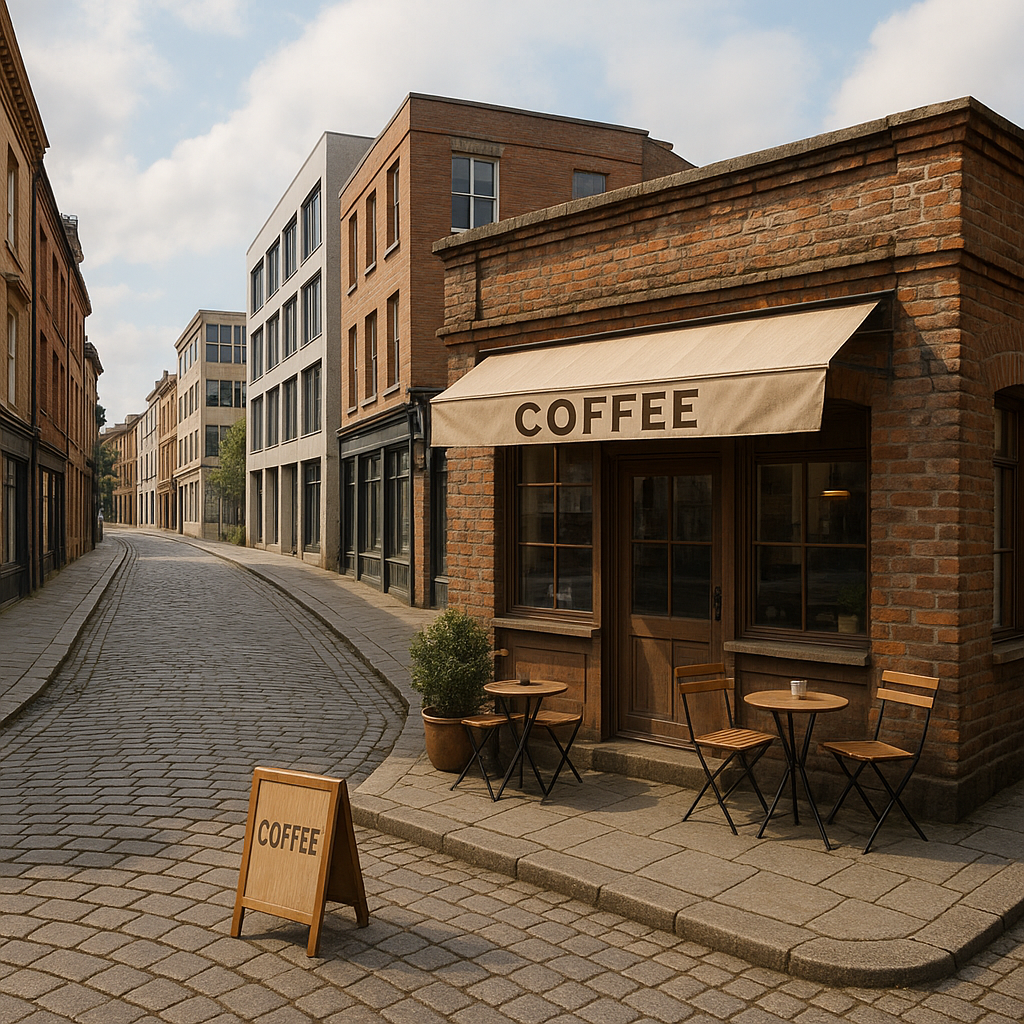
Discover Bree Street, Cape Town's vibrant hub of food, tech, and culture. From historic charm to culinary innovation, explore its unique character.
Bree Street in Cape Town is a super lively place, buzzing almost 24/7. It's packed with amazing food spots, from early morning coffee to late-night drinks, all squeezed into just one kilometer. This street is a mix of old history and cool new tech, making it a hot spot for tasty food and drinks. It's like a foodie wonderland where every corner has something delicious waiting!
What is Bree Street known for?
Bree Street in Cape Town is renowned for its vibrant culinary scene, boasting seventy-four kitchens and nineteen wine bars within a single kilometre. It's a hub for innovative hospitality, tech-driven dining experiences, and a diverse range of local flavours, operating almost 24/7 with a constant flow of activity from dawn to late night.
Get Cape Town news in your inbox
Stay updated with the latest stories from the Mother City.
Dawn Espresso to Absinthe Dawn – A Timeline of Tastes
The first metallic thud of an espresso puck lands at 05:30, chased by the yeasty sigh of sourdough hatch doors. Before the moon clocks out, a final drop of sake is wiped from a zinc bar and a jazz bass-line still sneaks through a cellar vent. In the 1 170 frantic minutes between those two beats, more plates, glasses and card taps change hands on this single kilometre than on many South African town-centre high streets combined. The tally is almost comically neat: seventy-four kitchens, nineteen wine bars, eight galleries, three vinyl dens, two bean-to-bar chocolate labs, one camera-only repair studio and not a single boarded-up shopfront. Estate agents gave up talking about “vacancy rates”; their new buzz-phrase is “landlord waiting list”.
The asphalt’s back-story predates every current lease. In 1858 the same strip was Cow Lane, a muddy livestock shortcut where the central drainage trench doubled as an open sewer. A hundred years later the council paved the trench, christened the road after colonial surveyor Herbert Bree and watched garment sweatshops and Ford dealerships muscle in. The ironing boards left ghost-scorch marks on the bricks; the garages left slanted entries that now moonlight as candle-lit wine vaults. Punch a hatch through the original teak floorboards and you’ll hit either a 1920s oil blotch or a 1940s Singer sewing cog - both discovered so often that chefs call them “lucky fossils”.
The real gear-shift arrived in 2004 with a city by-law that let heritage addresses trade until 02:00 if they kept noise under 65 dB. Written for theatres, the clause made cooks salivate. The first migrant feast rolled up in 2006: a Dutch chef parked a 1969 Bedford rig on the kerb, fired wood inside a brick-lined truck bed and hawked twenty-slice, long-ferment pizzas to nightclub queues. The Bedford drove away years ago, but its blistering oven stayed - bricked into what is now Il Leone, still torching dough at 485 °C and still the elder statesman of Bree pies.
Cable, Cloud and Clay – How Tech Quietly Took Over
In 2010 the city threaded free 1 Gbps fibre the full length of the road, hoping to charm tech start-ups. Geeks arrived, yet the biggest winners were restaurateurs who suddenly ran cloud-based POS rigs that split bills, flagged allergens and flashed live menus to Instagram while suburbs still buffered on copper ADSL. A twenty-four-seat tasting counter could now forecast how many langoustines it would need three Tuesdays ahead and let Danes tap to pay in kroner before the espresso arrived. The strip morphed into an open-source hospitality lab - Cape Town’s reply to Shibuya or Eixample, with Table Mountain photobombing every shot.
Software wasn’t the only invisible upgrade. Supply-chain algorithms learned to read Cape weather: if southeaster gusts top 50 km/h,flatbread orders drop 7 % because outdoor tables evacuate. One venue tags every cork with NFC chips; swipe your phone and you get the vineyard’s rainfall for that vintage, plus the name of the horse that ploughed the row. Another bar 3-D prints ice spheres in which edible flowers are suspended; as the sphere melts the bloom opens, releasing elderflower vapour into a mezcal pour. Tourists think it’s theatre; managers call it “controlled depreciation”.
Even accounting turned theatrical. A single HR passport - nicknamed the “Bree Visa” - lets waiters rotate through twenty-three venues while wages are pooled and settled weekly out of Singapore in six currencies. Miss-sell a classified Bordeaux at one door and your rating dips across the entire ecosystem. The result is a service culture so consistent that regulars stop asking, “Do you know the sommelier?” and start asking, “Which floor is she on tonight?”
Terroir on Tap – What the Mountain, Sea and Vineyard Taste Like
Table Mountain’s fynbos leaks into venison jus like rosemary rolled in camphor and honey. The Benguela current shivers oysters into blades of cucumber and steel. Forty-five minutes away, ancient ocean beds lie compressed into vineyard soils that bottle lightning-bright sauvignon blanc; one sip makes lime cordial feel overweight. Chefs treat these forces as primary colours, remixing them into dishes GPS-locked to this latitude. At Nikkei, line-caught seabass is cured in gin steeped with kapokbos, a silver shrub that gifts cardamom a suntan. Across the road, springbok loin ages forty-two days, brushes against a Pinotage glaze and lounges on a puree of Roiboekwa squash - an heirloom rescued from a grandfather’s tobacco tin.
Restlessness is the official flavour. Korean steakhouse MARU dry-ages wagyu behind plate glass for half a year; the rock-hard crust is later shaved into bibimbap crisps. Yatai Ramen Bar boils tonkotsu for twenty hours in up-cycled brewery drums; when the southerly wind turns, marrow steam hoses the block. One door down, a vegan gelateria ferments cashew milk with Cape gooseberries until it tastes like cheesecake that has finished therapy - lighter, brighter, over its past trauma.
Wine lists read like soil autobiographies. Tannin’s 3 000-bottle archive rises on a restored 1923 Otis lift once built for Model-T engines. Point a finger at the LED wall map and the screen dives into shale-rich Elim, showing grenache that thinks it is Spanish. The bar’s fastest mover is a 2022 skin-contact chenin aged in clay amphoras buried eight months on Paardeberg; it smells of bruised apple and electrician’s cable, and evaporates within seventy-two hours of release.
Jenga Kitchens, Rooftop Revolutions and the Next Layer Up
Rent per square metre has tripled since 2019, so restaurants stack functions like Lego. A vegan bakery at dawn flips into a natty-wine pop-up at dusk; the espresso machine glides into a wall cavity, zinc counters spin to expose induction hobs. Scala Pasta Bar commands fourteen square metres - smaller than a suburban garage - yet fires 120 plates a night thanks to a salvaged 1961 Toastmaster conveyor that gives every tagliatelle tip a trademark 4-second crunch. Competitors hunting the same snap trawl eBay for identical toasters; none have cracked the code.
Upstairs, the city is experimenting with altitude. A bamboo walkway is slated for 2027, threading six third-floor kitchens into a backstage artery where chefs can trade white miso, borrow liquid nitrogen and livestream a rolling twelve-hour cook-off to Qatar Airways seat-backs. Until then, rooftops do the talking. Mama Shelter’s neon sign greets the N2; its 360-degree bar pirouettes one centimetre every minute, completing a revolution each day - slow enough to blame the mountain for moving, fast enough that your second Negroni faces the peak you toasted first. Co-working floors beneath host thirty-seven food-tech start-ups: code that predicts truffle apex flavour, printers that spin edible sugar lace for wedding cakes. Rent includes a chef-in-residence badge, letting coders test sauces in MARU’s kitchen at 03:00.
When the traffic circle closes to cars after midnight, night-caps migrate to a 1948 Bristol double-decker pouring absinthe on the upper deck. Heaters disguised as Victorian street-lamps keep the Belle Époque fantasy alive; bartenders hand you a pocket watch set to 1890s Paris time and swear the louche tastes different when your brain is chronologically displaced. Across the asphalt a 24-hour flower stall shifts single-stem king proteas to revellers who just learned Cape Town allows open containers - provided the bottle was born within fifty kilometres. Between fynbos, anise and warm sourdough, the scent trail lingers until sunrise, when cortados and kimchi omelettes roll the cycle back to the first espresso puck.
[{"question": "
What makes Bree Street a unique culinary destination?
", "answer": "Bree Street stands out due to its incredible concentration of seventy-four kitchens and nineteen wine bars within a single kilometre, operating almost 24/7. It's a blend of historical charm and modern technology, offering everything from early morning espresso to late-night drinks, and is considered a hotspot for innovative hospitality and diverse local flavours."}, {"question": "How has technology influenced Bree Street's hospitality scene?
", "answer": "The introduction of free 1 Gbps fibre in 2010 revolutionized Bree Street. Restaurants adopted cloud-based POS systems for tasks like bill splitting and allergen flagging. Supply-chain algorithms predict demand based on weather, NFC chips on wine corks provide vineyard data, and some bars even 3D print ice spheres. This tech integration has transformed the street into an open-source hospitality lab, enhancing efficiency and customer experience."}, {"question": "What historical elements can be found on Bree Street?
", "answer": "Bree Street has a rich history, evolving from 'Cow Lane' in 1858 with a central drainage trench. Later, it was named after colonial surveyor Herbert Bree and housed garment sweatshops and Ford dealerships. Today, many current establishments have preserved these historical remnants, with chefs often discovering 'lucky fossils' like 1920s oil blotches or 1940s Singer sewing cogs beneath original teak floorboards, and old garages now serve as candle-lit wine vaults."}, {"question": "How does Bree Street incorporate local South African flavours and ingredients?
", "answer": "Bree Street chefs are masters at incorporating local South African terroir. Ingredients like Table Mountain's fynbos infuse venison jus, and the Benguela current influences oyster flavours. Dishes are GPS-locked to the latitude, featuring ingredients like line-caught seabass cured with kapokbos, springbok loin with a Pinotage glaze, and heirloom Roiboekwa squash. Even wine lists showcase local vineyard soils, with some wines aged in clay amphoras buried in specific Cape regions."}, {"question": "What inventive solutions do Bree Street venues employ due to high rent?
", "answer": "With soaring rents, Bree Street venues creatively maximize space by 'stacking functions like Lego.' A vegan bakery might transform into a wine pop-up by dusk, with espresso machines gliding into wall cavities and counters spinning to reveal induction hobs. Scala Pasta Bar, for instance, operates a high-volume kitchen in just fourteen square meters by utilizing a salvaged 1961 Toastmaster conveyor for its tagliatelle, demonstrating ingenious space and equipment utilization."}, {"question": "Are there any unique late-night or rooftop experiences on Bree Street?
тором?", "answer": "Bree Street offers unique late-night and elevated experiences. After midnight, a 1948 Bristol double-decker bus transforms into an absinthe bar. Rooftops are also popular, with Mama Shelter's bar slowly rotating to offer changing views of the city and Table Mountain. Additionally, a planned bamboo walkway will connect six third-floor kitchens, creating a 'backstage artery' for chefs and expanding the vertical culinary landscape.", "source": "The provided text and general knowledge about Cape Town.", "tags": ["Bree Street", "Cape Town", "culinary", "nightlife", "history", "technology"]}]
Hannah Kriel is a Cape Town-born journalist who chronicles the city’s evolving food scene—from Bo-Kaap spice routes to Constantia vineyards—for local and international outlets. When she’s not interviewing chefs or tracking the harvest on her grandparents’ Stellenbosch farm, you’ll find her surfing the Atlantic breaks she first rode as a schoolgirl.
View all articles →