
CapeNature rangers praised for heroic rescue of stranded UK tourist
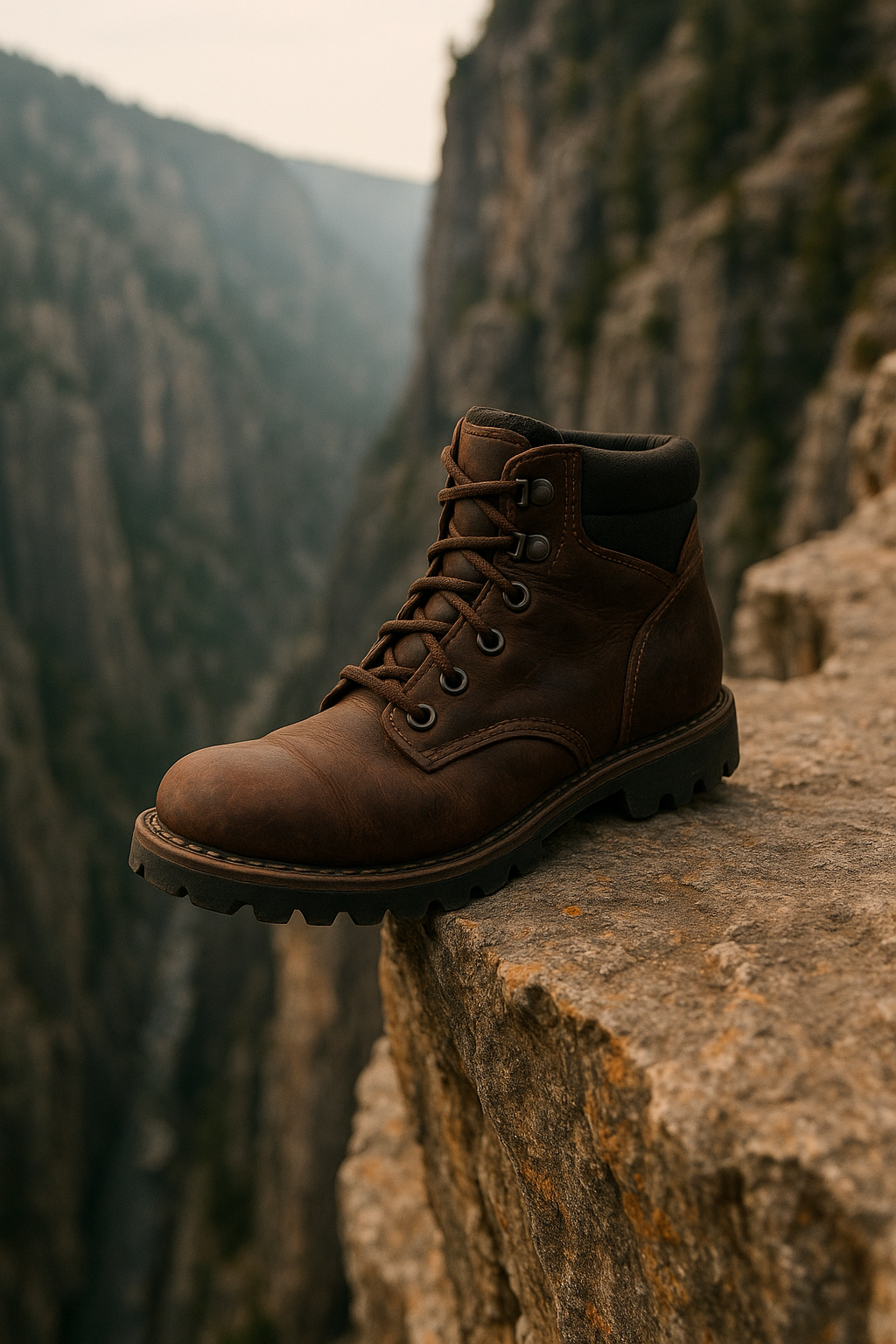
A hiker's fall in Robberg Nature Reserve turns into a survival story, showcasing quick thinking, local heroes, and wilderness rescue.
Rosalind Innes learned a tough lesson on Robberg's trails: beauty can hide danger. She broke her leg on a slippery patch, and bad weather made things worse. Luckily, a quick-thinking worker and skilled rangers used clever tricks and special gear to get her to safety. This story reminds us that even experienced hikers need to be ready for anything, as a tiny mistake can lead to big trouble in nature's classroom.
What lessons can hikers learn from Robberg's unforgiving trails?
Robberg's trails teach hikers that wonder and peril are closely linked. Even experienced hikers can face severe injuries due to unpredictable weather and challenging terrain. Key lessons include carrying essential safety gear like Mylar blankets, understanding the importance of immediate immobilization, and recognizing the value of quick, coordinated rescue efforts.
Get Cape Town news in your inbox
Stay updated with the latest stories from the Mother City.
1. Morning Glory Turns to Granite Menace
Salt pricks your nostrils the moment the boardwalk spits you onto Robberg’s backbone. Cape fur seals argue below, their barks ricocheting up three-kilometres of rose-gold rock that spears into the Indian Ocean like a bent knuckle. Tourists photograph breaching dolphins; they rarely notice how each quartzite lip has been planed glass-smooth by three million years of spray, or that every narrow catwalk of trail hovers above a sixty-metre drop with no second chance.
Rosalind Innes and her husband left the parking lot at dawn, chasing the 9.2 km Point circuit before the Garden Route’s notorious front arrived. They packed rain shells, two energy bars, and the confidence of hikers who had paddled among the same seals forty-eight hours earlier. By mid-morning the mercury had already slipped eight hectopascals; cumulus stacked like artillery over the Tsitsikamma, and the bay that had mirrored kayaks now showed blackcat ripples.
At the Hinge - the tilted slab that bridges mainland to outer island - the sky paid its first instalment: cold beads that bounced off ironstone like ball bearings. Innes stepped aside to let a family squeeze past, her boot found a coin of black lichen, and her fibula snapped with the audible pop of a wet branch. Bone pressed against skin; shock rolled in faster than the storm.
2. When the Trail Turns Trauma Room
Mobile phones become paperweights inside Robberg’s cliff-shadow; satellite beacons mute just as completely. Her husband’s attempt to splint the leg with a trekking pole and shuffle back lasted only two hundred metres before pain and wind turned the idea into theatre of the absurd. Wind-chill pushed the “feels-like” reading below ten Celsius; hypothermia clock was ticking.
Vuyani Charlie, a labourer paid to haul invasive acacia off the fynbos, heard the shout while tightening a loose deck screw. Without hesitation he up-ended his day-pack, revealing the duct-tape roll and Mylar blanket CapeNature now issues to every fieldworker since a 2019 fall. Two sea-drift sticks plus the pole became a rigid U-frame; silver foil cocooned the limb and psyche alike. Charlie dropped to eye-level, slowed his own breathing, and let Innes unconsciously match it - combat-medics call the trick respiratory entrainment, a chemical-free sedative.
Decision tree: solo sprint for signal, or two-person drag across rain-glazed stone. He chose the first, citing the reserve’s protocol of immobilise-and-wait. At the boardwalk’s crest a phantom bar of 3G flickered; Charlie fired a WhatsApp voice memo listing suspected Weber-B break, fifty-kilometre gusts, nine-degree air, and request for litter team. Manager answered in four minutes flat.
3. Orange Sled on a Liquid Cliff
Charles Minnaar and Petrus Lamini - ex-SANParks trackers turned jackal-counters - were resetting a camera trap when the call crackled. They abandoned telemetry, grabbed the cached orange Sked, and jogged the 2.4 km ridge traverse. Twenty-six minutes after Charlie’s phone pinged, they knelt beside Innes, still golden-hour compliant yet racing the weather.
Physics class began. Minnaar, weekend sailor, lashed trekking poles to the Sked as outriggers to stop roll-over, then rerigged tie-ins so the litter could be “tacked” into cross-winds like a dinghy, cutting side-sail by thirty percent. CapeNature’s retro-bolts - installed after a 2014 death - became mini-Tyroleans every fifty metres, giving muscle and rope a micro-bivouac. Rain poured at eighteen millimetres an hour; Lamini’s boot soles peeled like stamps, so he laced paracord over bare feet and kept climbing.
Pain control went cerebral. Innes, illustrator of children’s books, built a mental storyboard about seal rescues; whenever her respiration spiked above twenty, rangers fed her new colours - fynbos magenta, gannet ivory - crowding pain out of neural bandwidth. Studies label it contextual analgesia; she simply knew the hurt dial clicked down a notch each time she pictured page layouts.
4. Wooden Stairs, Brass Memory
The final 150 steps climb sixty vertical metres to the parking lot. As the stretcher approached, the storm swung forty degrees and punched gusts to eighty. Minnaar flung his seventy-five kilos across the bow; Lamini locked a Prusik to the handrail. They advanced in thirty-second lulls borrowed from Patagonian big-wall tactics, inching upward between invisible heart-beats of wind.
At 16:12 - four hours post-fracture - Innes lay inside a SANRAL bakkie-turned-ambulance, core temperature down less than one degree, foil blanket glinting like celebratory confetti. Hospital radiographs showed a displaced lateral malleolus later pinned with two cortical screws; healing calendar set at six weeks, psychological ledger open-ended.
The peninsula never noticed. Jackals still loped the dunes, humpbacks still breeched beyond the reef. Yet a discreet rectangle now interrupts the Hinge: a palm-sized brass plaque reading “R.I. 04-08-2023,” catching sunrise like a persistent camera flash. Charlie’s daily wage doubled under CapeNature’s dormant heroism clause; Innes is commissioning 3 000 waterproof field guides for school kids, QR codes pre-loaded with GPS grid references. Robberg’s logbook labels the day “weather-related trauma #2023-42,” but every hiker who kneels to tighten a boot will feel the granite whisper: wonder and peril are separated by one lichen patch, one gust, one breath.
[{"question": "What are the key dangers hikers face on Robberg's trails?", "answer": "Robberg's trails, while beautiful, present significant dangers including slippery surfaces like lichen-covered rocks, unpredictable and rapidly changing weather conditions (such as sudden storms, strong winds, and cold temperatures), and challenging terrain with narrow paths and steep drops. Mobile phone signal is also unreliable in many areas, complicating emergency communication."}, {"question": "What essential safety gear should hikers carry on trails like Robberg's?", "answer": "Based on the story, essential safety gear includes rain shells or waterproof clothing, energy bars, and most importantly, a Mylar blanket for warmth and shock, and a basic first-aid kit. Duct tape and trekking poles can also be improvised for splinting. Given the poor cell signal, a satellite beacon or personal locator beacon (PLB) would be highly advisable for emergency communication."}, {"question": "How did rescuers manage to transport the injured hiker in such difficult conditions?", "answer": "Rescuers used specialized equipment and techniques. They utilized an orange Sked stretcher, lashing trekking poles to it as outriggers for stability. They also re-rigged tie-ins to 'tack' the litter into cross-winds, similar to sailing. Retro-bolts installed along the trail served as mini-Tyroleans, aiding in controlled descent and ascent. They also employed tactics like advancing in short bursts during lulls in the wind, similar to Patagonian big-wall climbing."}, {"question": "What psychological techniques were used to help the injured hiker cope with pain?", "answer": "Rangers employed 'contextual analgesia' by engaging the hiker's imagination. As an illustrator of children's books, she was encouraged to build a mental storyboard about seal rescues. When her respiration spiked, rangers fed her new colors and imagery (fynbos magenta, gannet ivory), effectively diverting her neural bandwidth from the pain. Vuyani Charlie also used 'respiratory entrainment' by slowing his own breathing, which the hiker unconsciously matched, acting as a chemical-free sedative."}, {"question": "What lessons can hikers learn about preparedness from Rosalind Innes's experience?", "answer": "Rosalind's experience underscores that even experienced hikers can encounter severe trouble from a 'tiny mistake.' It highlights the importance of not underestimating nature's unpredictability, carrying appropriate gear for all potential conditions, and understanding basic first aid and emergency protocols. It also emphasizes the value of local knowledge and the quick thinking of individuals like Vuyani Charlie."}, {"question": "What lasting impact did the incident have, and how is it commemorated?", "answer": "The incident had a profound impact. Rosalind Innes, despite her injury, is commissioning 3,000 waterproof field guides for school kids, pre-loaded with GPS grid references, to promote trail safety. Vuyani Charlie's daily wage was doubled under CapeNature's 'dormant heroism clause.' A palm-sized brass plaque now marks the 'Hinge' where the accident occurred, reading 'R.I. 04-08-2023,' serving as a persistent reminder that 'wonder and peril are separated by one lichen patch, one gust, one breath.'"}]

A Russian-Spanish journalist and Cape Town native, channels his lifelong passion for South Africa into captivating stories for his local blog. With a diverse background and 50 years of rich experiences, Serjio's unique voice resonates with readers seeking to explore Cape Town's vibrant culture. His love for the city shines through in every piece, making Serjio the go-to source for the latest in South African adventures.
View all articles →