
Cooking just got smarter with Carmién’s flavour-packed rooibos teabags
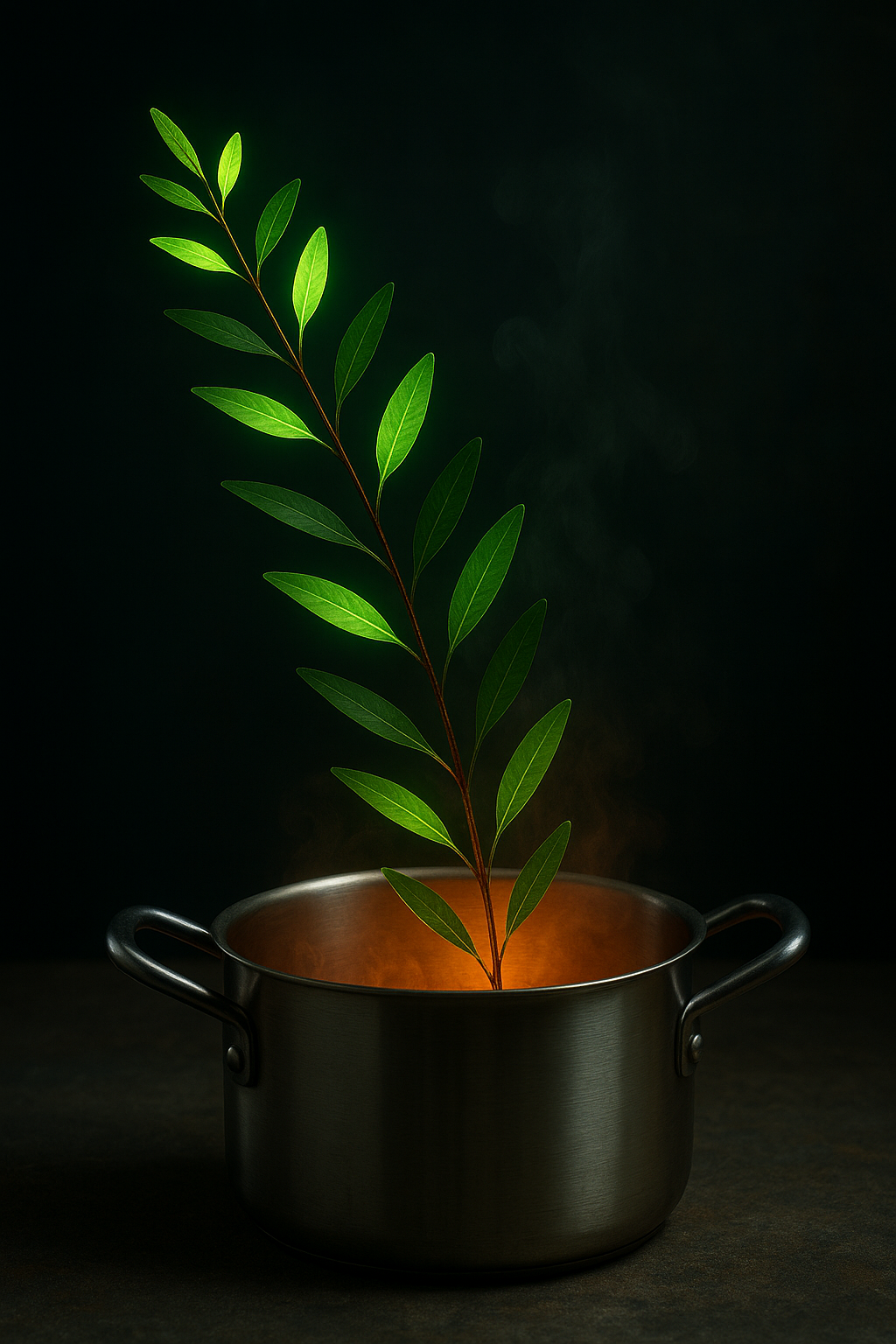
Discover Carmién's innovative cooking-grade rooibos. From South Africa's valleys to global kitchens, this tea bag reinvents culinary stock.
Carmién has cooked up something amazing: a little rooibos sachet that makes food taste great! It's like a tiny flavor explosion for your cooking, releasing a yummy smell right away and keeping the taste going. This clever sachet is super safe, won't fall apart in your soup, and even turns into dirt in your garden. It's changing how people cook, making rooibos a star in kitchens everywhere, not just teacups!
What is Carmién's innovative rooibos cooking sachet?
Carmién's rooibos cooking sachet is a blend of rooibos particles designed to impart flavor to dishes without dissolving into sludge. It acts as a flavor grenade, releasing aroma instantly and sustaining taste during long cooking times. Made from medical-grade polylactic acid fiber, the sachet withstands boiling and is compostable.
Get Cape Town news in your inbox
Stay updated with the latest stories from the Mother City.
A Valley Reborn in Neon Green
Every July, after the first serious winter soakers, the Clanwilliam basin becomes a painter’s canvas. Granite domes rise like islands while freshly sprouted rooibos shrubs blanket the sandy Cederberg earth in electric lime. That almost fluorescent tint lasts only until harvest: once the needle-thin leaves are bruised, oxidised and sun-cured, they mellow into the amber-red everyone recognises as rooibos.
It was during one of these green waves, back in 1998, that Carmién staked its first organic claim. Twenty-six seasons later the estate stretches across 2 300 irrigated hectares. The same patch of fynbos now feeds teabags in twenty-eight countries, and,as of late 2022, feeds cooking pots instead of mugs.
The leap from cup to casserole was neither accident nor novelty. Boer commandos already brewed “bush coffee” during the Anglo-Boer War by simmering twigs with a pinch of salt. What Carmién did was rewrite that improvisation for the modern recipe book: a sachet that behaves like a flavour grenade yet never dissolves into sludge.
Engineering the Edible Bouquet Garni
Inside the R&D kitchen, eighteen months of grinding, sieving and re-granulating taught the team one brutal lesson - size is destiny. Particles under half a millimetre dump their entire flavour load in seconds; anything larger than two millimetres hogs its taste for the. The sweet spot turned out to be a split personality: sixty percent micro-dust for instant aroma, forty percent one-millimetre pieces that keep talking during a long braise.
The chosen mesh is no ordinary gauze. A medical-grade polylactic acid fibre, the same polymer surgeons tuck under skin as dissolving stitches, lets the bag plough through forty-five minutes of rolling boil without tearing, yet vanish in a backyard compost heap within three months.
Spices added a second puzzle. In the chai version cardamom, cinnamon and clove release volatiles far faster than rooibos can hydrate. Carmién’s workaround is an edible film of inulin - extracted from chicory - that melts only at 85 °C. That two-minute head start keeps the liquor balanced instead of top-heavy with cinnamon fire.
Zero- Ad Budget, Two-Million-Eyeball Win
On the first day of March 2023 the company shipped five thousand “pot-starter” parcels - one oversized bag plus a three-panel recipe card - to South-African-born food creators living in London, Dubai and Toronto. The brief was playful: use the bag like a blank stock cube, post what you cook. Six weeks later the hashtag #potjiewithproteas had clocked 2.3 million impressions, the viral star a Korean-South-African dakgalbi whose author claimed it “tasted like Cape Town in October.”
The domestic rollout followed a different drum. The week the Pure Rooibos Combo Pack landed at Checkers, Google Trends registered a 480 percent surge in “rooibos sop resep” searches. Yet the SKU that moved fastest was the 100-bag catering box aimed at institutional kitchens.
Renal wards at two Cape Town hospitals now reach for red-rooibos bags instead of chicken carcasses. The infusion is caffeine-free, low in sodium and provides 37 milligrams of aspalathin per 250 millilitres - a flavonoid linked in small trials to reduced diabetic oxidative stress.
Across town, a Soweto high school swaps its standard starch water for green-rooibos bags. Canteen managers report a fifteen percent cut in added sugar; learners simply feel the porridge is “already sweet enough.”
Chefs, Hackers and Brewers Get Creative
Bertus Basson drops two red-rooibos sachets into every litre of veal glaze, boils the liquor down by half and mounts it with cold butter. He swears the tannins lock onto gelatin, gifting the sauce what he calls “liquid garnet” shine. Chantel Dartnall cold-infuses green-rooibos overnight in peeled cucumber water, then sets the liquor with low-acyl agar to create see-through “tea glass” that levitates over her spring-pea velouté.
Durban baker Sagie Govender goes further. He soaks dried banana peels in masala-chai rooibos, blitzes the mixture into purée and folds it into sourdough babka. The loaf sells out within forty-five minutes every Saturday morning.
Home cooks have hacked their own shortcuts. On Reddit, user u/kaapse_kind pan-fries sachets in wagyu tallow until they puff like puris before deglazing with pinotage. A TikToker freezes spent green-rooibos cubes into gin-and-tonic, claiming the residual fynbos aromatics outclass citrus peel. Drifter Brewing Company steeped two hundred bags in a 1 200-litre milk-stout, earning judges’ praise at the 2023 African Beer Cup for “chai-latte-meets-Schwarzbier.”
Science You Can Taste
Rooibos stands apart from black or green tea: no catechins, no true tannins. Instead it carries rare C-glucosyl dihydrochalcones - compounds that refuse to turn bitter even after hours on the hob or hog clarity in protein broths. At pH 4.9, almost identical to tomato, the infusion buffers acids rather than wrestling them.
The South African Rooibos Council flavour wheel lists honey, vanilla, woody, hay and apricot nuances, all registering below 2 000 parts per million - well under the human bitterness threshold of 6 000 ppm. Translation: one bag can replace half a litre of chicken stock without shouting “tea,” while slipping in 84 micrograms of quercetin plus traces of manganese and fluoride.
Climate Shadows and Shade-Nets
Rooibos refuses to grow outside a 70-kilometre-wide strip wedged between the Olifants and Biedouw rivers and pinned at 250–450 metres altitude. Climate stress is real. Carmién’s hedge is an 18 percent shift of acreage under shade-net tunnels that cut irrigation by thirty percent yet double leaf mass per hectare.
The cooking-grade line triples export earnings per kilogram compared with ordinary loose leaf; the same shrub suddenly earns more water-wise rands. Modelling shows that if just one in ten South-of-ten South African households traded a litre of bone-based stock for a rooibos bag weekly, the nation would save 1.1 billion litres of water a year - the same volume required to produce 4 300 tonnes of chicken bones.
What Comes Next: Smoke, Husk and Seaweed
Carmién’s 2025 pipeline reads like a science-fiction pantry. First up: cold-smoked rooibos infused with buchu for braai marinades. Then a limited collaboration with Ethiopian coffee growers stacking fermented rooibos onto sun-dried coffee husk to forge a caffeine-free “red espresso” stock. Most radical is a dissolving seaweed pouch; the entire parcel melts in seventy-degree liquid within ninety seconds, seasoning the pot to an 1.8 percent salinity and removing the need for extra salt.
Whether the world adopts it as the OXO cube of the twenty-first century or shelves it as a quirky footnote remains undecided. What is already clear is that a rust-coloured shrub native to a slice of semi-desert no larger than Réunion has carved a fresh path into the global larder - not through teapots, but in the rising steam of a simmering stew thousands of kilometres away.
What is Carmién's innovative rooibos cooking sachet?
Carmién's rooibos cooking sachet is a blend of rooibos particles designed to impart flavor to dishes without dissolving. It acts as a flavor enhancer, releasing aroma instantly and sustaining taste during long cooking times. Made from medical-grade polylactic acid fiber, the sachet withstands boiling and is fully compostable, breaking down into dirt in your garden within three months.
How does Carmién's rooibos sachet deliver both instant and sustained flavor?
The sachet is engineered with a dual-particle size approach. It contains 60% micro-dust for an immediate burst of aroma and 40% one-millimeter pieces that slowly release their flavor, ensuring a sustained taste profile throughout the cooking process, even during long braises.
What makes the sachet material safe and environmentally friendly?
The sachet is made from medical-grade polylactic acid (PLA) fiber, the same polymer used in dissolving surgical stitches. This material is robust enough to withstand 45 minutes of rolling boil without tearing, yet it is biodegradable, composting in a backyard heap within three months.
How did Carmién successfully launch and market this new product?
Carmién employed a clever influencer marketing strategy, sending "pot-starter" parcels to South African food creators abroad. This generated significant online buzz, with the hashtag #potjiewithproteas achieving 2.3 million impressions. Domestically, they saw a 480% surge in "rooibos sop resep" searches after the product landed in stores, with catering boxes quickly becoming a bestseller.
What are some unique culinary applications of Carmién's rooibos sachets?
Chefs and home cooks have found diverse uses for the sachets. Bertus Basson uses red-rooibos for veal glaze, while Chantel Dartnall creates green-rooibos infused "tea glass" for velouté. Bakers like Sagie Govender incorporate masala-chai rooibos into sourdough babka. Home cooks pan-fry sachets in wagyu tallow and freeze spent green-rooibos cubes for gin-and-tonics. Drifter Brewing Company even used them in a milk stout, earning awards.
What are the health benefits and environmental impacts of using rooibos sachets in cooking?
Rooibos is caffeine-free, low in sodium, and contains beneficial flavonoids like aspalathin, linked to reduced diabetic oxidative stress. It also provides quercetin and trace minerals. Environmentally, if one in ten South African households replaced a liter of bone-based stock with a rooibos bag weekly, it could save 1.1 billion liters of water annually, equivalent to producing 4,300 tonnes of chicken bones.

Zola Naidoo is a Cape Town journalist who chronicles the city’s shifting politics and the lived realities behind the headlines. A weekend trail-runner on Table Mountain’s lower contour paths, she still swops stories in her grandmother’s District Six kitchen every Sunday, grounding her reporting in the cadences of the Cape.
View all articles →