
DA in the Western Cape ready to mitigate wildfires and pressure on water resources
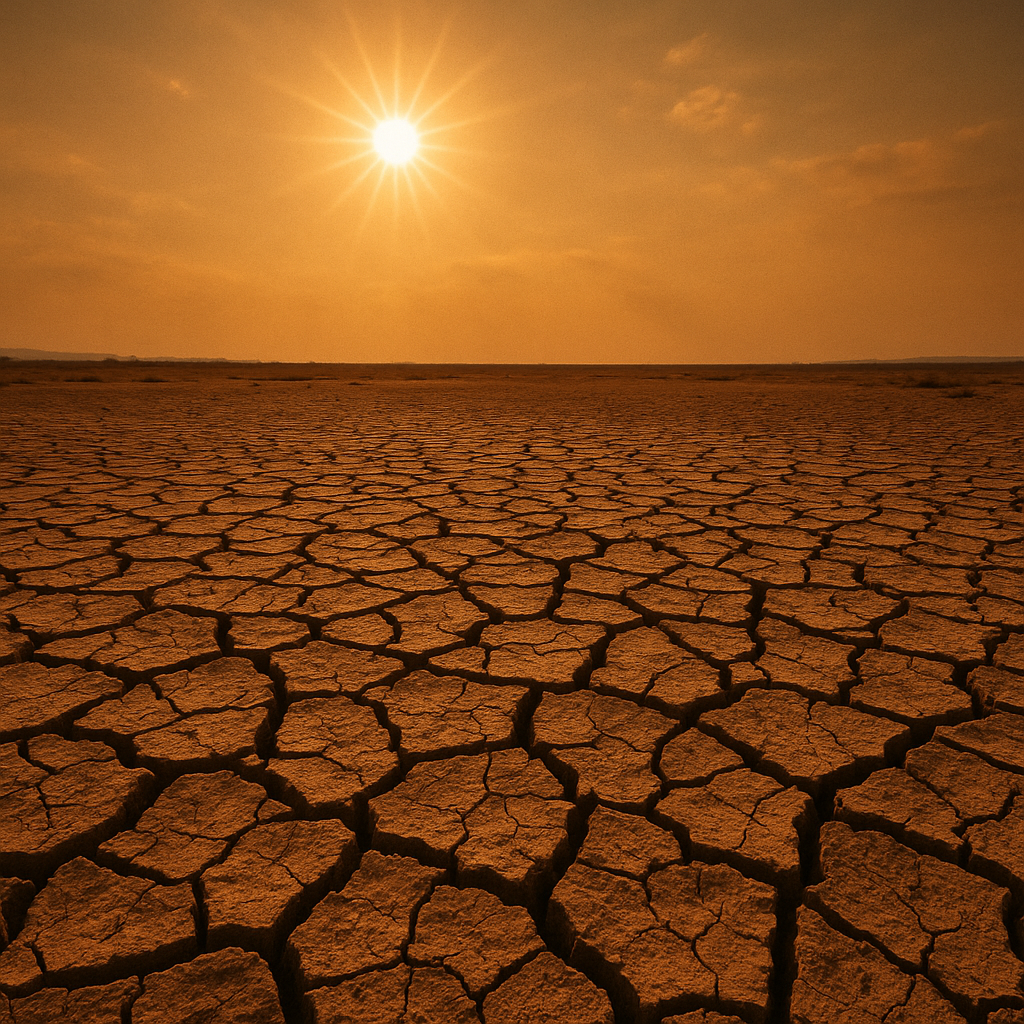
Western Cape mobilizes climate resilience infrastructure to combat extreme heatwave, wildfires, and water stress. Learn how years of investment prepare the province for dual environmental crises.
The Western Cape Government is using its special emergency plans to fight a big heatwave and other climate dangers. They are ready for wildfires and are watching their water very closely. They learned a lot from a past water crisis and have spent money to make sure they are better prepared now. They have planes ready for fires and new tech for water, showing they are serious about keeping everyone safe.
What is the Western Cape Government doing to address the current heatwave and climate threats?
The Western Cape Government is activating comprehensive climate resilience systems. This includes deploying extensive emergency protocols for wildfire dangers, managing water reserves, and coordinating between fire departments and volunteer networks. They are also utilizing aerial firefighting equipment and investing in water infrastructure like intelligent metering to ensure system durability amidst record-breaking temperatures.
Get Cape Town news in your inbox
Stay updated with the latest stories from the Mother City.
South Africa's Western Cape province finds itself at the epicenter of an environmental emergency this week, with the Democratic Alliance administration deploying extensive emergency protocols to tackle simultaneous threats from intensifying wildfire dangers and dwindling water reserves. Thermometers across the region have registered extraordinary readings, with some areas experiencing extreme conditions while Cape Town's metropolitan districts have also seen significant temperature increases. This thermal onslaught has prompted provincial leaders to evaluate infrastructure and response mechanisms built through deliberate, long-term investment in climate adaptation.
DA representative Dave Bryant detailed these readiness initiatives during an official briefing, stressing how sustained strategic funding has equipped the Western Cape with stronger disaster response capabilities than numerous peer subnational governments throughout Africa. The province's harrowing experience during the 2015-2018 "Day Zero" drought - when Cape Town narrowly avoided becoming history's first major metropolis to deplete its municipal water entirely - has permanently transformed how institutions handle environmental threats. This watershed moment generated political momentum for continued infrastructure expenditure that might have encountered opposition during tighter fiscal periods.
Fire Suppression Resources Activated
The extraordinary temperatures have pushed the Western Cape's wildfire defense network into emergency posture, with provincial disaster management headquarters directing coordination between municipal fire departments, Working on Fire program teams, and volunteer firefighting networks that have grown considerably since catastrophic fire seasons in recent years ravaged thousands of hectares of fynbos and urban-edge territories. Aerial firefighting equipment - including fixed-wing water bombers and helicopter bucket systems - remains on standby, though these assets encounter operational limitations when ambient heat surpasses safe flight thresholds, generally around high temperature limits for aircraft carrying full loads.
Bryant emphasized substantial provincial expenditure on terrestrial firefighting capabilities, encompassing specialized heavy machinery for constructing firebreaks in rugged mountain landscapes and enlarged fleets of off-road firefighting vehicles able to reach isolated zones where informal housing and farming activities abut fire-vulnerable natural vegetation. The Western Cape's distinctive biological heritage - marked by fire-adapted fynbos ecosystems requiring regular burning for ecological vitality - generates intricate management difficulties where human settlement patterns overlap with natural burning cycles. Global warming is upending traditional fire calendars, with University of Cape Town research demonstrating that fire seasons have extended significantly across recent decades, while individual blazes exhibit greater intensity linked to elevated temperatures and increasingly unpredictable wind behavior.
The provincial climate-adaptation blueprint dedicates significant resources to ecological fire stewardship, acknowledging that total fire elimination proves neither achievable nor environmentally sound. Rather, funding flows toward risk cartography pinpointing high-priority safeguarding zones - including essential water collection areas, biodiversity pathways, and settlements with restricted evacuation options - while permitting controlled burning in lower-sensitivity regions to diminish fuel accumulations that could otherwise fuel devastating conflagrations.
Water Infrastructure Faces Thermal Challenge
Alongside wildfire preparations, provincial and municipal water administrators track system performance under thermal conditions that hasten evaporation, spike consumption for urban and farming purposes, and burden distribution networks susceptible to pipeline ruptures when thermal expansion intersects with pressure variations. Water security has advanced markedly since the Day Zero emergency through capital projects including major expansion initiatives, enlarged wastewater processing and reclamation facilities, and groundwater replenishment schemes - yet system durability still depends on controlling demand surges during extraordinary weather episodes.
Bryant spotlighted investments in intelligent metering and leak identification technologies that have significantly cut non-revenue water losses - supply generated but unbilled due to infrastructure breakdowns or illegal extraction - from high figures in certain municipalities to improved provincial averages, though substantial disparities continue between affluent urban centers and resource-scarce rural jurisdictions. Several municipalities have initiated automatic demand reduction procedures during the current heat episode, encompassing modified pressure regulation in supply networks and public awareness drives promoting conservation practices that became routine during the drought emergency but have weakened as urgent crisis recollections diminish.
Farming operations, which typically represent a significant portion of provincial water use outside drought periods, confront specific hardships as thermal pressure coincides with crucial development phases for winter-rainfall harvests and permanent orchards. The Western Cape's substantial farming water resilience initiative has expanded on-property storage, enhanced irrigation effectiveness through technology incentives, and encouraged cultivation shifts toward reduced-water varieties - yet these adjustments cannot wholly remove production hazards from multi-day temperature spikes that harm produce quality and animal welfare. Provincial farming advisory services have launched heat stress warning networks, with focused attention on susceptible agricultural laborers whose residential circumstances frequently lack sufficient cooling provisions.
Governance Innovation in Compound Climate Scenarios
The Democratic Alliance has worked to distinguish its provincial administrative record through highlighting empirically-grounded climate adaptation, framing the Western Cape as a subnational testing ground for policies that national political barriers have blocked from broader implementation. The province's climate response framework, approved in 2014 and significantly updated in 2021, establishes inter-departmental coordination structures that engage under present conditions - connecting health services readying for heat-related disease increases, power distributors maintaining grid stability as refrigeration demand surges, and environmental monitors tracking air quality deterioration when temperature inversions confine contamination.
This organizational structure embodies lessons from compound incidents where multiple climate hazards interact sequentially, as transpired during recent fire seasons when suppression efforts drained water reserves already limited by drought, forcing painful choices between immediate emergency action and enduring resource preservation. Present heat episode response incorporates explicit guidelines for resource distribution decisions potentially requiring downgrading certain aims to safeguard essential system operations - an approach recognizing adaptation boundaries rather than presuming all desired outcomes remain simultaneously protectable.
The provincial administration's focus on preparedness investment reflects political judgment that visible infrastructure and organizational capacity offers electoral distinction in a region where climate consequences increasingly influence voter choices. National government climate adaptation performance has faced criticism from opposition groups and civic bodies for emphasizing mitigation pledges - South Africa's revised nationally determined contribution under the Paris Agreement - above concrete resilience spending in communities already suffering damages. The Western Cape's comparatively effective provincial bureaucracy, conversely, has produced quantifiable advances in disaster reaction speed, water security indicators, and ecological stewardship outcomes that the DA has utilized in consecutive electoral contests.
Long-Term Climate Projections and Adaptive Planning
The present heat episode unfolds within wider climate transformation patterns affecting southern Africa, with projections indicating continued temperature elevation, modified precipitation timing, and rising extreme event frequency. The Western Cape's Mediterranean weather pattern - characterized by winter precipitation concentrated in frontal systems and arid summers - renders it especially reactive to atmospheric circulation changes connected with spreading subtropical high-pressure zones. Climate simulations indicate "Day Zero"-category droughts may increase significantly in likelihood by mid-century, while heat extremes matching current experiences could transition from rare occurrences to standard summer conditions.
These forecasts guide the provincial administration's infrastructure investment timelines, which reach into the coming decades for water system commitments and incorporate evaluation of scenarios that would make present farming arrangements economically unsustainable. The climate-adaptation strategy contains provisions for organized withdrawal from shoreline settlements threatened by ocean elevation and coastal erosion, though executing relocation programs encounters considerable community opposition and legal intricacies surrounding property entitlements and remuneration.
Current emergency operations thus function within extended strategic frameworks accepting fundamental environmental condition transformation rather than anticipating return to historical norms. This orientation differentiates the Western Cape methodology from disaster management models centered on restoring pre-catastrophe states, instead prioritizing evolution toward systems operable under unprecedented climate circumstances. Whether this strategic direction persists through electoral cycles and budget pressures remains unclear, but established organizational and infrastructure investments deliver substantial adaptive capability that neighboring provinces with less anticipatory governance have not assembled.
Coming days will examine these arrangements as temperatures stay elevated and fire weather measurements signal continued elevated danger. Provincial officials have stated that present readiness levels suit anticipated conditions, though backup plans exist for national resource deployment should localized emergencies surpass provincial response capabilities.
[{"question": "What specific actions is the Western Cape Government taking to combat the current heatwave and climate threats?", "answer": "The Western Cape Government is activating comprehensive climate resilience systems. This includes deploying extensive emergency protocols for wildfire dangers, closely managing water reserves, and coordinating efforts between municipal fire departments, Working on Fire program teams, and volunteer firefighting networks. They are also utilizing aerial firefighting equipment and investing in water infrastructure like intelligent metering and leak identification technologies. Furthermore, they are implementing ecological fire stewardship, including risk cartography and controlled burning, and have launched heat stress warning networks for vulnerable agricultural laborers."}, {"question": "How has the 'Day Zero' drought experience influenced the Western Cape's current climate preparedness?", "answer": "The harrowing experience during the 2015-2018 'Day Zero' drought, when Cape Town narrowly avoided running out of municipal water, significantly transformed how institutions handle environmental threats. This watershed moment generated political momentum for sustained strategic funding in infrastructure and disaster response capabilities, ensuring the province is better prepared for future climate challenges. It led to capital projects like major expansion initiatives, enlarged wastewater processing, and groundwater replenishment schemes."}, {"question": "What measures are in place to address the increased risk of wildfires during this heatwave?", "answer": "The Western Cape's wildfire defense network is on emergency posture, with provincial disaster management headquarters directing coordination between various firefighting entities. Aerial firefighting equipment, including fixed-wing water bombers and helicopter bucket systems, is on standby, although operational limitations exist at very high temperatures. Substantial provincial expenditure on terrestrial firefighting capabilities includes specialized heavy machinery for firebreaks and enlarged fleets of off-road firefighting vehicles. They also employ ecological fire stewardship, focusing on risk mapping and controlled burning to reduce fuel loads."}, {"question": "How is the Western Cape Government ensuring water security amidst the thermal challenges?", "answer": "Water security has advanced markedly since the Day Zero emergency through capital projects like major expansion initiatives, enlarged wastewater processing, and groundwater replenishment schemes. Investments in intelligent metering and leak identification technologies have significantly cut non-revenue water losses. Several municipalities have initiated automatic demand reduction procedures, including modified pressure regulation and public awareness campaigns promoting conservation. For agriculture, there's a substantial farming water resilience initiative to expand on-property storage and enhance irrigation effectiveness."}, {"question": "What is unique about the Western Cape's approach to climate adaptation compared to other regions?", "answer": "The Western Cape's approach emphasizes empirically-grounded climate adaptation, positioning itself as a subnational testing ground for policies. Its climate response framework, updated in 2021, establishes inter-departmental coordination structures that connect various services, from health to power distributors. This organizational structure embodies lessons from compound incidents, recognizing adaptation boundaries rather than presuming all desired outcomes are simultaneously protectable. The focus is on evolving towards systems operable under unprecedented climate circumstances, rather than just restoring pre-catastrophe states."}, {"question": "What are the long-term climate projections for the Western Cape, and how is the government planning for them?", "answer": "Long-term projections indicate continued temperature elevation, modified precipitation timing, and rising extreme event frequency for southern Africa. Climate simulations suggest 'Day Zero'-category droughts may increase significantly in likelihood by mid-century, and current heat extremes could become standard summer conditions. These forecasts guide the provincial administration's infrastructure investment timelines, reaching into the coming decades for water system commitments. The climate-adaptation strategy also contains provisions for organized withdrawal from shoreline settlements threatened by ocean elevation and coastal erosion, acknowledging the need for fundamental environmental condition transformation."}]

Sizwe Dlamini is a Cape Town-based journalist who chronicles the city’s evolving food scene, from boeka picnics in the Bo-Kaap to seafood braais in Khayelitsha. Raised on the slopes of Table Mountain, he still starts every morning with a walk to the kramat in Constantia before heading out to discover whose grandmother is dishing up the best smoorsnoek that day.
View all articles →