
Donkey Long Tong – Born around a fire, built on adventure
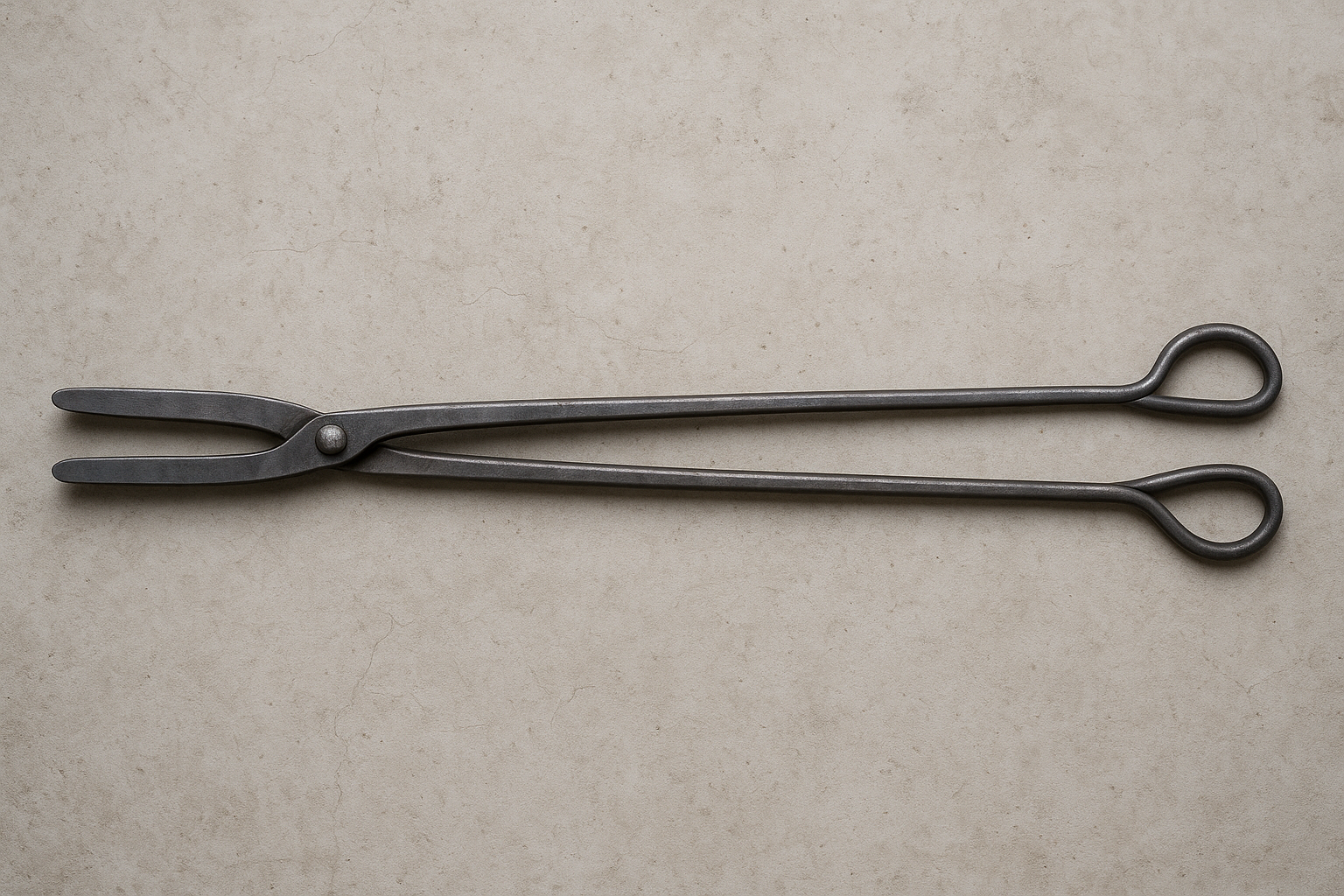
Discover Donkey Long Tong: from a campfire joke to a global braai icon. Explore their innovative, high-quality braai tongs.
Donkey Long Tong began with a simple bet to brown marshmallows from afar, leading to the creation of extra-long tongs. A challenging trip to Namibia cemented the idea when a prototype saved their braai. This humble start quickly grew into a global empire, crafting durable, super-long tongs for braai masters everywhere. Their secret? Making the fireside the ultimate boardroom for innovation and growth.
How did Donkey Long Tong (DLT) start?
Donkey Long Tong started when co-founder Marcel Hattingh and friends settled a bet to brown marshmallows without leaving their chairs, leading to the creation of longer tongs. The brand was officially born after a prototype saved their braai during a challenging Namibian trip, inspiring them to produce and sell their innovative long tongs.
Get Cape Town news in your inbox
Stay updated with the latest stories from the Mother City.
The Warehouse That Smells Like Adventure
The moment you step inside Donkey Long Tong’s three-storey converted warehouse on Cape Town’s southern flank, your nose gets the first memo: a heady blend of smouldering Rooikrans, freshly-cut stainless and coffee boiled over flame. Next comes the soundtrack – the low growl of a 2 kW disc-sander carving the trademark bend into 1,2 m tongs, punctuated by the metallic clack-clack of finished pairs stacked like chrome artillery. When your eyes adjust, the ground floor reveals itself as a working cathedral dedicated to smoke, meat and the open road.
Centre stage squats a patched-up 1972 Series IIA Land Rover, canopy stitched together like an old safari jacket. Its bonnet doubles as an altar: a three-legged skottel , a cast-iron potjie and two 80 cm Donkeys crossed in an X as though the old beast is being knighted. Behind the vehicle a wall-sized sunset shot of the Richtersveld glows in the same heat-blue and bruised-purple hues that end up baked into every pair of tongs that leaves the building.
Marcel Hattingh – co-founder, chief welder and self-titled “head donkey” – ambles over in a threadbare Springbok jersey, welding gloves swinging from his belt like a cowboy’s six-shooters. He talks the way he grills: quick, incisive, with sudden flashes of heat. “We didn’t wake up wanting a company,” he shrugs, steering me past a shelf of prototypes that look like surgical tools for giants. “We just wanted to settle a Friday-night bet: who could brown the perfect marshmallow without leaving the chair. Longer the tong, bigger the brag. Cash never entered the chat – only reach.”
That reach now stretches from a suburban Weber in Pinelands to a mobile safari kitchen on the Zambezi’s banks. Four years, nine products, 1 200 m² of factory and 18 export countries later, the trio – Marcel, his wife and Nic Eve – still haven’t taken a cent of outside funding, bought a single billboard or hired a marketing manager until last month. Their growth hack? “Make the fireside the only boardroom that matters.”
The 72-Hour Spark That Lit a Steel Wildfire
Every legend needs a moment of beautiful stupidity. For DLT it arrived on the Namibian edge of the Orange River, 12 km west of Sendelingsdrift, when three mates almost nose-dived their Landies into a ravine. The detour shaved three hours off daylight, forcing a night-time camp set-up and a termite-mound steak session. The 95 cm prototype Marcel had flung into the recovery box became the hero that saved sleeves, eyebrows and beer guts from the coals.
They christened the brand that night, scribbling on the back of a dog-health permit. “Donkey” saluted the cart that towed them clear; “Long Tong” nailed the joke that refused to die. By Sunday they’d pinged a cut-list to a Montague Gardens laser shop and pre-ordered 300 kg of 3CR12 ferritic steel. The first run vanished in 11 days, sold mostly through WhatsApp voice notes recorded around other campfires.
Word spread faster than a Karoo dust-devil. A farmer outside Springbok ordered five. A lodge near Skukuza wanted twelve. By month three the mates had quit their day jobs and were welding in Marcel’s driveway under a canvas awning. The campfire gag had become a full-time occupation.
Engineering a Punchline Into a Precision Tool
Stand still in the workshop for sixty seconds and you realise the joke has graduated into a miniature engineering faculty. Each pair starts life as a 2 m sheet of steel, laser-cut in one piece, folded on a 220-ton press brake and TIG-welded along the spine so the arms never wriggle. The pivot isn’t a flimsy pop-rivet but a 6 mm 316-stainless shoulder bolt spinning in a bronze bush – the same combo that keeps deep-sea reels alive. The business end is shaved to a 30° chisel so you can harpoon a boerewors without turning it into a sprinkler, while the grips drop 7° to keep knuckles cool and wrists straight.
Even the cheeky S-bend 40 cm from the tip is pure maths: it shoves the fulcrum 18 cm closer to your hand, gifting a 2,3-to-1 leverage ratio that lets a twelve-year-old flip a T-bone heavier than her schoolbag. Before boxing, every unit survives 1 000 cycles on a 5 kg rubber “steak”; if the tips part by more than a millimetre, the whole batch heads for the recycler. The signature blue skin comes from a 400 °C salt bath that lays down a chromium-oxide jacket, tested to survive 300 hours in a CASS salt-spray cabinet – roughly five years of seaside braai warfare.
Three-Hundred-a-Day and the Red Counter That Never Sleeps
July 2023 delivered a milestone nobody had doodled on that dog permit: 300 tongs in a single eight-hour shift – the number they once dreamt of selling in a year. Marcel marked the moment by bolting a scarlet industrial counter above the packing bench; each time the courier scanner chirps, the display ticks like a Geiger counter feeding on uranium. When I visit, we’re at 217 before the morning tea bell rings.
The shop floor lives by “camping rules”: every two hours you swap stations, Afrikaans rock until noon, British indie until three, thereafter DJ democracy. Lunch is grilled on the same gear coming off the line; the day I drop by, yellowtail collars sizzle on a prototype cast-iron plancha that may graduate into product number ten. By 14:00 the counter punches 312 and the courtyard welcomes its newest recruits – three welders from Atlantis and a logistics grad from Khayelitsha – for initiation by fire.
Marcel snaps off his gloves, hands a demo pair to the freshest face and delivers the only induction speech he knows: “Rule one – never trust a bloke whose tongs end before his shadow.” The drum fire cracks, the crew laughs, and inside the smoke you can already smell the next 300 pairs stamping their serial numbers on the world.
How did Donkey Long Tong (DLT) start?
Donkey Long Tong started when co-founder Marcel Hattingh and friends settled a bet to brown marshmallows without leaving their chairs, leading to the creation of longer tongs. The brand was officially born after a prototype saved their braai during a challenging Namibian trip, inspiring them to produce and sell their innovative long tongs.
What is the origin of the name "Donkey Long Tong"?
The name "Donkey Long Tong" originated during a challenging trip to Namibia. "Donkey" salutes the cart that towed them clear after almost nose-diving their Landies into a ravine, while "Long Tong" refers to the joke about the extra-long tongs needed to brown marshmallows from afar.
Where is Donkey Long Tong based and what is their workspace like?
Donkey Long Tong is based in a three-storey converted warehouse on Cape Town’s southern flank. The workspace is described as a "working cathedral dedicated to smoke, meat and the open road," featuring the smell of smouldering Rooikrans and stainless steel, the sound of disc-sanders, and a 1972 Series IIA Land Rover at its center. This environment reflects their passion for braai and adventure.
How has Donkey Long Tong grown since its inception?
Starting from a bet, Donkey Long Tong has experienced rapid growth. Within four years, they developed nine products, expanded into a 1,200 m² factory, and now export to 18 countries. Notably, they achieved this without outside funding or a marketing manager until recently, attributing their success to making "the fireside the only boardroom that matters."
What makes Donkey Long Tong's tongs a precision tool?
Donkey Long Tong's tongs are engineered for durability and functionality. Each pair is laser-cut from a single 2m steel sheet, folded on a 220-ton press brake, and TIG-welded. They feature a robust 6mm 316-stainless shoulder bolt with a bronze bush for the pivot, a 30° chisel tip for precision, and a 7° grip drop for comfort. An S-bend near the tip provides a 2.3-to-1 leverage ratio, making them powerful and easy to use. Every unit undergoes rigorous testing, including 1,000 cycles on a 5kg rubber "steak" and a 400°C salt bath for a protective chromium-oxide jacket.
What is Donkey Long Tong's production philosophy and daily operations like?
Donkey Long Tong's production floor operates under "camping rules," where employees swap stations every two hours and enjoy a varied music selection. Lunch is grilled on prototype equipment, embodying their commitment to testing and innovation. They've achieved a milestone of producing 300 tongs in an eight-hour shift, tracking their output with a scarlet industrial counter. Their philosophy, as stated by co-founder Marcel Hattingh, emphasizes practical experience and a humorous, yet deeply serious, dedication to their craft: "Rule one – never trust a bloke whose tongs end before his shadow."

Amanda Wilson is a Cape Town-born journalist who covers the city’s evolving food scene for national and international outlets, tracing stories from Bo-Kaap spice shops to Khayelitsha micro-breweries. Raised on her grandmother’s Karoo lamb potjie and weekend hikes up Lion’s Head, she brings equal parts palate and pride to every assignment. Colleagues know her for the quiet warmth that turns interviews into friendships and fact-checks into shared laughter.
View all articles →