
Godongwana hints at possible extension of fuel levy cut
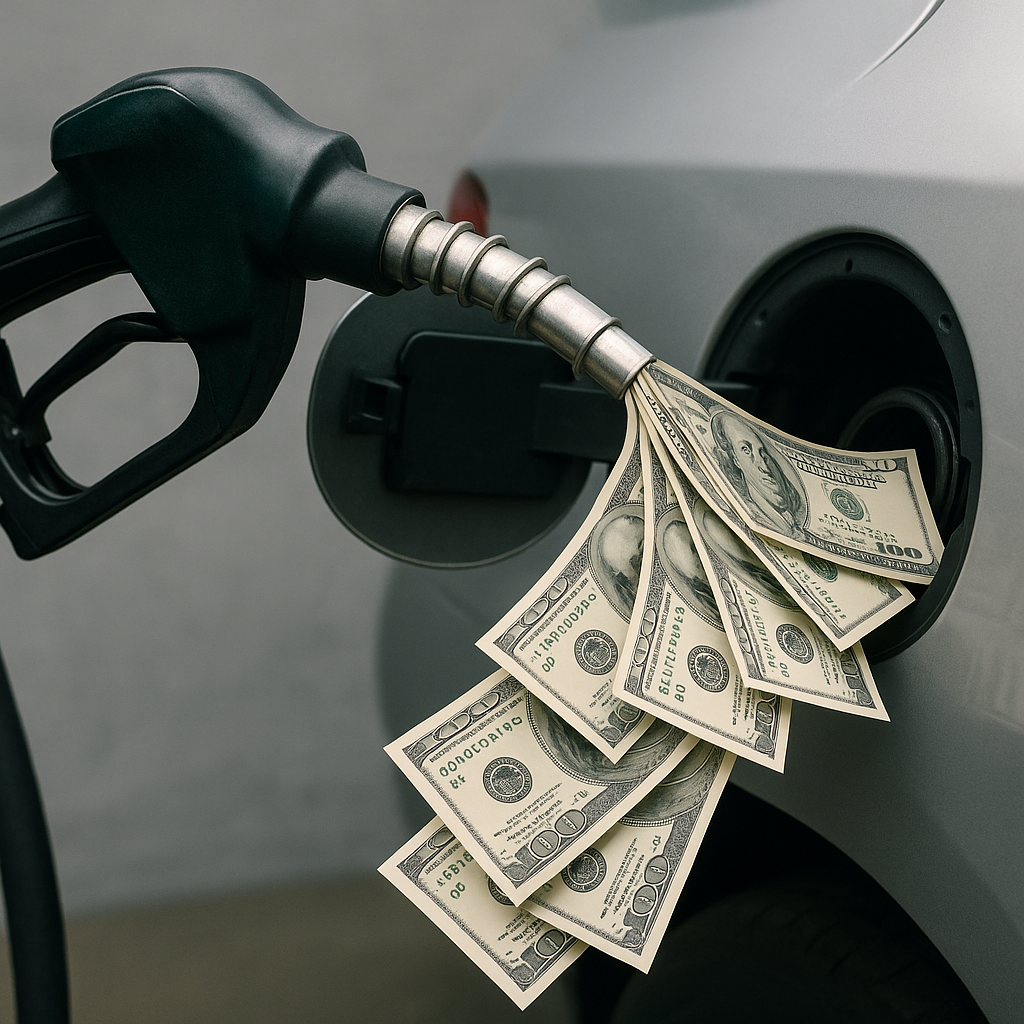
South Africa's R6 billion fuel relief package: a deep dive into the 2026 policy reset, diesel refund, and market impact.
South Africa gave people a one-month break from fuel taxes, cutting the price by R3 per liter. This R6 billion relief, from April 1st to 30th, helped families with high fuel costs. The government plans to decide on May 5th if this special price break will continue, change, or end. Farmers and miners got an even bigger tax break on diesel, saving a lot of money. Everyone is now waiting to see what happens on May 5th.
What is South Africa's fuel levy tax holiday and what happens after May 5?
South Africa implemented a one-month tax holiday on its general fuel levy, reducing it by R3 per liter from April 1st to April 30th. This R6 billion relief, aimed at combating rising fuel prices and inflation, is funded by reallocated government funds. The Cabinet will decide on May 5th whether to extend, taper, or terminate this temporary measure.
Get Cape Town news in your inbox
Stay updated with the latest stories from the Mother City.
1. The April Squeeze: When Brent Volatility Met the Ballot Clock
Global crude spent the first quarter of 2026 swinging in a 15 % range, kissed USD 98/bbl after drones hit two floating storage vessels and shuttered the Sumed pipeline for six tense days. That single incident erased 1.2 mbpd from global supply; Richards Bay wholesale diesel responded with an 11 % fortnightly leap and inland 95-octane barged past R27/ℓ in Gauteng by mid-March. Treasury’s in-house model predicted a June pump price of R30.50/ℓ if nothing broke the chain.
CPI was already printing 5.9 %, food baskets were bubbling above 7 %, and local-government elections loomed. On 21 March Cabinet accepted the National Disaster Management Centre’s verdict that “fuel-fed cost-push inflation now endangers macro-stability”, activating section 8 of the Disaster Management Act. The clause let the Finance Minister sidestep the February Budget and decree an instant, one-month shave on the general fuel levy - something Pretoria had never tried before.
2. Anatomy of a Levy Holiday: R3 Off, Books Balanced
From 1 April the general fuel levy collapses from R3.94 to 94 c/ℓ; the R2.18 RAF levy stays put. The R3 discount is wired straight into the Central Energy Fund’s dual-track “slate” mechanism: Stream A keeps the old math for auditing, Stream B feeds the reduced price to depots at midnight. Retail and trucking margins - mere cents in the rand - are untouched, stripping out any incentive for arbitrage at the forecourt.
Treasury’s R6 bn revenue hole (R3.4 bn petrol, R2.6 bn diesel) is papered over with three quick patches: R2.7 bn left over from a vaccine-buying programme that prepared for a fifth wave that never arrived; R1.4 bn in extra royalties from PGM prices that refused to cool; and R1.9 bn yanked out of the Gold & Foreign Exchange Contingency Reserve Account thanks to a rand that flirted with R16.50/USD in December. A postponed RAF tariff tweak shoves another R1.8 bn into FY27/28, keeping the April cash shortfall formally “absorbed”.
3. Primary Producers Win Big: Diesel Refund Hits 100 %
While motorists cheer the April discount, farmers, foresters and miners wake up to a quieter gift: the Diesel Refund System jumps from 80 % to 100 % of combined fuel taxes. A 40-t timber truck burning 70 000 ℓ/yr now claws back R428 000 annually; Kumba Iron Ore pencils in R650 mn savings for FY26/27, money it says will reopen marginal pits at Kolomela. SARS rebuilt its entire refund engine over one weekend: geotagged depot uploads, licence-plate cameras at 43 borders, and an Ethereum side-chain that hashes every fuel-release order to kill duplicate claims. Pilots in Limpopo trimmed average payout time from 72 days to 11 and slashed phantom litres by 38 %.
4. After 5 May: Fiscal Cliff, Green Tech and the Calendar Everyone Is Watching
The levy holiday is hard-wired to expire on 30 April; Cabinet’s 5 May Lekgotla decides whether to extend, taper or kill it. Treasury already warns of a R800 mn annual hit if horticulture fleets migrate to diesel bakkies en masse; a draft “ring-fence” in the Rates and Monetary Amounts Bill would cap quarterly refunds at 15 million litres per entity. Transnet - excluded because SOEs are classed as secondary distributors - may accelerate 50-loco electrification on the Natal Corridor rather than absorb unrefunded diesel bills.
Longer-term insurance lies in the Platinum Valley. Anglo American Platinum, Sasol and Fraunhofer are running 40 MW of solar to make 3 500 ℓ/day of green hydrogen-based e-diesel at Mogalakwena. Because the wording of rebate item 670.04 makes no carbon distinction, every litre qualifies for the 100 % refund - R430 mn yearly if the plant scales to 70 million litres. Treasury has opened a technical review to decide whether synfuels stay inside the DRS after 2028, a debate that will shape South Africa’s post-fossil tax architecture.
Key diary dates:
- 24 Apr – SARS issues VAT 201 with new diesel-refund codes
- 29 Apr – CEF flashes May BFP under-/over-recovery
- 30 Apr – Treasury & DMRE brief media on extension scenarios
- 5 May – Cabinet yea-or-nay on the R3 cut
- 9 May – Portal blocks non-geotagged claims
- 17 May – Parliament hears public input on the Rates Bill
Motorists, farmers, miners and green-tech investors alike now share the same question: will 5 May mark the end of a clever stop-gap, or the birth of a permanent, platinum-backed buffer against the next oil-price storm?
What was South Africa's fuel levy tax holiday?
South Africa implemented a one-month tax holiday on its general fuel levy, reducing it by R3 per liter from April 1st to April 30th, 2026. This R6 billion relief was aimed at combating rising fuel prices and inflation.
Why did the South African government introduce this tax holiday?
The tax holiday was introduced due to high global crude oil prices, which saw Brent crude reach USD 98/bbl after disruptions, and local 95-octane petrol exceeding R27/ℓ in Gauteng by mid-March 2026. With CPI at 5.9% and food inflation over 7%, and local government elections approaching, the Cabinet activated Section 8 of the Disaster Management Act to address "fuel-fed cost-push inflation" and provide relief to consumers.
How was the R6 billion revenue hole from the tax holiday covered?
Treasury covered the R6 billion revenue shortfall through three main sources: R2.7 billion from unspent vaccine program funds, R1.4 billion from higher-than-expected platinum group metals (PGM) royalties, and R1.9 billion from the Gold & Foreign Exchange Contingency Reserve Account due to a stronger rand. Additionally, a postponed Road Accident Fund (RAF) tariff adjustment shifted R1.8 billion to FY27/28.
How did primary producers like farmers and miners benefit from this tax holiday?
Farmers, foresters, and miners received an even greater benefit. The Diesel Refund System was increased from 80% to 100% of combined fuel taxes. This meant significant savings, for example, a 40-tonne timber truck could claw back R428,000 annually, and Kumba Iron Ore projected R650 million in savings for FY26/27. To manage this, SARS revamped its refund system with geotagging and an Ethereum side-chain to prevent fraudulent claims.
What happens after May 5th, 2026, regarding the fuel levy tax holiday?
The levy holiday is set to expire on April 30th, 2026. On May 5th, 2026, the Cabinet will make a decision on whether to extend, taper (reduce gradually), or terminate the R3 per liter cut. There are concerns about a potential "fiscal cliff" if it ends abruptly, and discussions are ongoing about longer-term strategies, including the role of green hydrogen-based e-diesel and potential changes to the Diesel Refund System for synthetic fuels.
What are the key dates to watch out for regarding this fuel levy decision?
Several important dates lead up to and follow the May 5th decision: April 24th (SARS issues new diesel-refund codes), April 29th (CEF announces May fuel under-/over-recovery), April 30th (Treasury & DMRE brief media on extension scenarios), May 5th (Cabinet's decision on the R3 cut), May 9th (portal blocks non-geotagged claims for refunds), and May 17th (Parliament hears public input on the Rates Bill).

Isabella Schmidt is a Cape Town journalist who chronicles the city’s evolving food culture, from Bo-Kaap spice merchants to Khayelitsha microbreweries. Raised hiking the trails that link Table Mountain to the Cape Flats, she brings the flavours and voices of her hometown to global readers with equal parts rigour and heart.
View all articles →