
Government sent back to the drawing board for Tafelberg site
Tafelberg's transformation: a Cape Town site's journey through memory, money, and the fight for urban rights. A 21st-century test.
The Tafelberg site in Cape Town is a hot spot where old memories, money matters, and who belongs collide. It was once a school, and now its sale is causing big debates. People are fighting over saving history, making homes everyone can afford, and building new businesses. This little piece of land shows all the different parts of Cape Town's past and what's happening there right now.
What is the Tafelberg site in Cape Town?
The Tafelberg site is a significant 9,600 m² plot in Sea Point, Cape Town, that has become a focal point for debates on memory, money, and belonging. Originally a school, its sale and subsequent legal challenges highlight the struggle between historical preservation, affordable housing needs, and commercial development, reflecting various layers of the city's past and present.
Get Cape Town news in your inbox
Stay updated with the latest stories from the Mother City.
Section 1 – The Ground That Won’t Keep Quiet
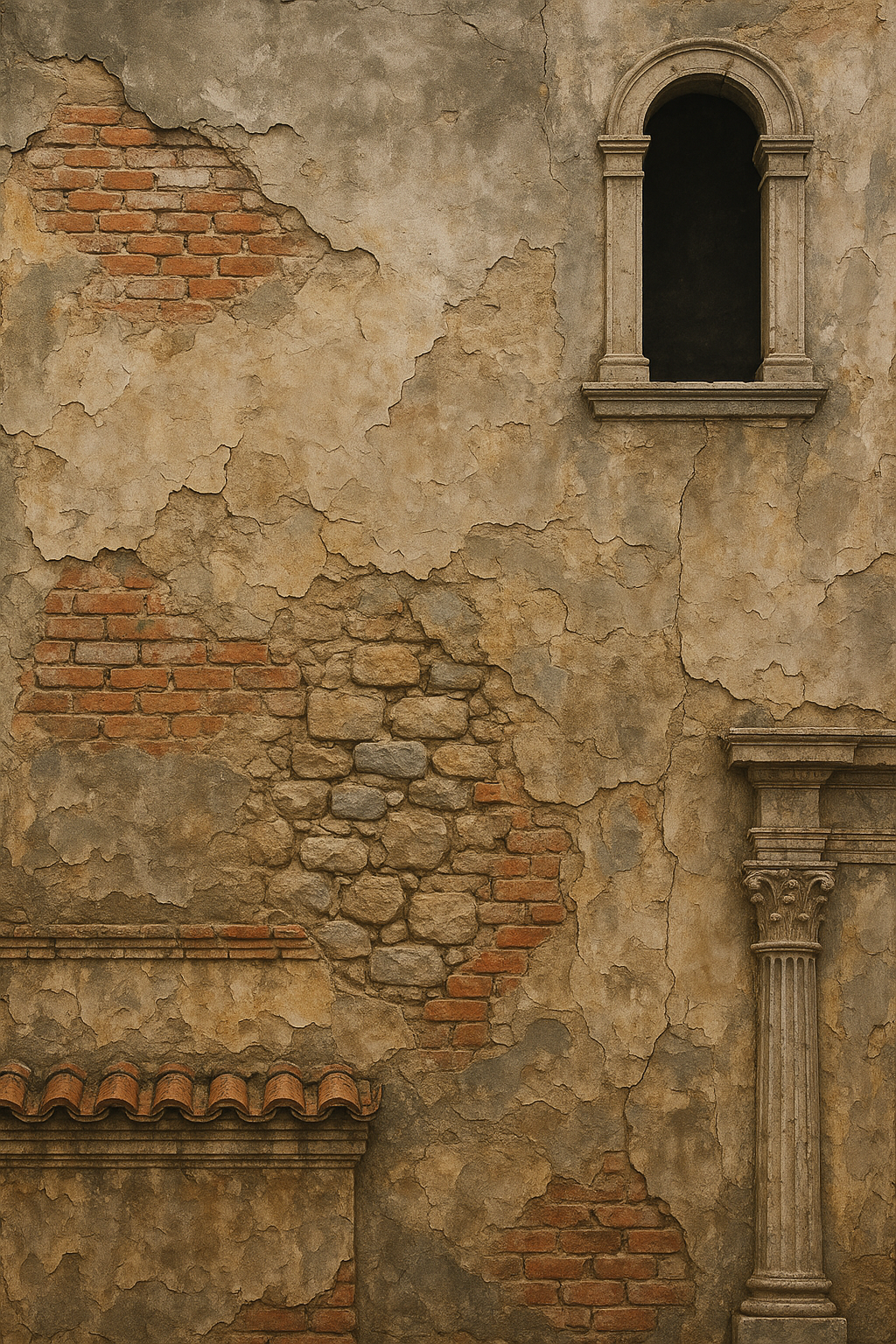
Cross Regent Road’s palm corridor and the pavement itself chatters. A 1974 terrazzo slab still carries the ghost-font of the old Tafelberg School for white children; centimetres below, granite piers remember Wynyard Mansions, the 1937 Art-Deco refuge for Lithuanian families who stepped off the docks and straight into sea-facing studios; deeper still, hoof-polished sandstone tracks speak of !Ora herders who guided their cattle to winter graze long before any crown surveyor drew line one. One 9 600 m² slice of Atlantic seaboard now hosts more lawyers per square metre than any address in the country simply because every epoch refuses to shut up.
Heritage consultants call the plot a palimpsest; residents call it a headache. Each stratum arrives with its own colour map, its own rent roll, its own moral claim. The Khoi want a sunrise slit that remembers the grazing calendar; Jewish alumni want the war-time mural conserved; current tenants want a rent freeze; the province wants a balance sheet that does not detonate the fiscal year. The only thing the layers agree on is that silence is not an option.
That refusal to forget is why parking attendants, dog-walkers and late-shift waiters now toss around phrases like “claw-back clause” and “Grade II protection” as casually as they debate weekend surf. A patch of earth has become a graduate seminar nobody asked to attend, yet everyone is forced to audit.
Section 2 – Lightning, Leaks and the R135-Million Spark
November 2015 looked bureaucratically dull: the provincial government logged the vacant school as “surplus,” signed it away to the Phyllis Jowell Trust for R135-million and filed the change-of-owner form before the public-address system finished the weekly anthem. The figure was pegged to 2010 valuations, quietly ignoring the five-year Sea Point price tsunami, and the deed carried a five-year develop-or-return fuse that almost nobody read. Treasury cashed the cheque, auditors ticked the box, and officials moved on to the next file.
Then the leak. Ndifuna Ukwazi unearthed a 2007 cabinet memo that still bracketed the address for “affordable rental stock” and a 2012 policy note ranking it “priority one” for low-income households. Overnight the deal looked less like tidy asset rotation and more like a sanctioned eviction of the poor to bankroll the affluent. Protest banners snapped in the southeaster, attorneys sharpened pencils, and the plot’s market tranquillity fractured into litigation shards.
Reclaim the City stitched the fragments into a constitutional argument: the state may not dump a resource suitable for housing rights simply because a private buyer waves a six-figure cheque. Courtroom A heard the case in 2018, voided the transaction and commanded the seller to “re-align with original intent.” Courtroom B overturned that two years later, warning judges not to micromanage asset registers. The file now sits in Braamfontein’s highest chamber for a final pronouncement while compound interest keeps a merciless tally.
Section 3 – Brick, Bark and Balconies: The Engineering of Shared Space
Heritage Western Cape sliced the parcel into three protection zones: the 1940 brick-modernist classrooms, the curved 1937 mansion block, and the playground arboretum crowned by a 120-year-old Moreton Bay fig. Each zone carries its own conservation script, so the winning consortium had to draft a single architectural score in three languages. Their answer is a checker-board volume where tenure never repeats on consecutive floors: a social-housing two-bed sits directly above a R3-million market studio, both open onto identical 8 m² balconies and share the same lobby tiles.
Retail strategy keeps the commercial layer humble: leases are capped at R110 per square metre for the first five years, giving the neighbourhood Laundromat the same shot as the latte franchise. Basement bays are rationed - 0,4 per social unit, 0,8 per market unit - pushing car ownership down and bus frequency up. Every resident pockets a pre-loaded R1 200 MyCiTi card for the first year, financed out of the marketing vote normally spent on billboard smiles.
Even the giant fig negotiated its own survival pact. Engineers rotated the pile plan three degrees to dodge critical roots, swapped a turning circle for a rooftop sprinkler skid that can be choppered in during fire season, and agreed to a 15 % canopy thinning so winter gales won’t peel the new façades like old stickers. The tree will now shade a crèche and frame a living lesson in climate adaptation every time children trace its aerial roots.
Section 4 – The Ledger, the Calendar and the World Outside
Money is where idealism meets the spreadsheet guillotine. Each social unit needs a R520 000 subsidy, yet the provincial Human Settlements bucket for 2025/26 is already 37 000 units short. If the national grant slips, the middle block could halve from 180 to 90 apartments, pushing the balance into the revenue wing and mutating the scheme into a polite but ordinary mixed-income project. Treasury insiders label this “funding-path risk”; occupiers call it “apartheid by Excel.”
Timing is equally brutal. Ground-break is locked for March 2026, three months after the municipal polls, because no politician wants a banner reading “Eviction Site” fluttering during the vote count. From October 2025 a retrofitted caravan will park on the verge offering VR tours, rental sign-up kiosns and free coffee, while security is briefed to pause demolition if more than six citizens cluster - an instant stakeholder meeting by decree. Activists counter with pocket-sized paper models disguised as library bookmarks; ratepayers can fold the floor plans into a 1:200 keepsake while they queue for thrillers.
Beyond the suburb, the planet is watching. UN-Habitat shortlisted Tafelberg as one of seven flagship presentations for the 2026 World Urban Forum in Cairo, citing the rare attempt to weaponise heritage status on behalf of inclusion rather than exclusion. Should the Constitutional Court endorse the 2018 ruling, South Africa will have a legal landmark where memory serves equality, not nostalgia. Should the sale stand, the province must repay R135-million plus a decade of interest - an invoice capable of swallowing several rural hospital budgets whole. Whatever the verdict, the palimpsest keeps scribbling itself: every ballot, every brick, every new leaf on the fig appends another sentence to the city’s unfinished autobiography, and the ground beneath Sea Point will keep talking long after the cranes leave.
What is the Tafelberg site in Cape Town?
The Tafelberg site is a significant 9,600 m² plot in Sea Point, Cape Town, that has become a focal point for debates on memory, money, and belonging. Originally a school, its sale and subsequent legal challenges highlight the struggle between historical preservation, affordable housing needs, and commercial development, reflecting various layers of the city's past and present. It's considered a 'palimpsest' due to its multiple historical layers.
Why is the Tafelberg site considered a 'palimpsest'?
The site is described as a palimpsest because it holds numerous historical layers, each with its own story and claim. These layers include remnants of the old Tafelberg School for white children, the foundations of Wynyard Mansions (an Art-Deco refuge for Lithuanian families), and even older tracks from !Ora herders. Each epoch has left its mark, creating a complex tapestry of memory and historical significance that refuses to be silenced.
What was the controversy surrounding the sale of the Tafelberg site?
The controversy arose when the provincial government sold the vacant school in 2015 for R135-million, based on 2010 valuations, to the Phyllis Jowell Trust. A leak revealed that earlier government memos had earmarked the site for "affordable rental stock" and as a "priority one" for low-income households. This led to accusations that the sale facilitated the eviction of the poor to benefit the affluent, sparking protests and legal challenges from groups like Reclaim the City.
What was the legal outcome of the Tafelberg site dispute?
The legal battle has seen conflicting rulings. In 2018, a court voided the transaction and ordered the seller to "re-align with original intent," meaning it should be used for affordable housing. However, two years later, another court overturned this decision, cautioning judges against micromanaging asset registers. The case is currently awaiting a final pronouncement from the highest chamber in Braamfontein, highlighting the ongoing judicial struggle over the site's future.
How is the proposed development balancing heritage, affordability, and commercial interests?
The proposed development aims to balance these aspects by dividing the parcel into three protection zones for heritage (classrooms, mansion block, and the fig tree). The architectural plan includes a checkerboard volume with mixed tenancy, where social-housing units are directly above market-rate studios, sharing common amenities. Retail spaces will have capped leases to support local businesses, and initiatives like rationed parking and MyCiTi cards promote public transport, demonstrating an effort to integrate diverse needs and preserve historical elements.
What are the broader implications of the Tafelberg site's future?
The Tafelberg site has significant implications both locally and internationally. Financially, the project faces

Sizwe Dlamini is a Cape Town-based journalist who chronicles the city’s evolving food scene, from boeka picnics in the Bo-Kaap to seafood braais in Khayelitsha. Raised on the slopes of Table Mountain, he still starts every morning with a walk to the kramat in Constantia before heading out to discover whose grandmother is dishing up the best smoorsnoek that day.
View all articles →