
How fuel hikes impact the price of bread
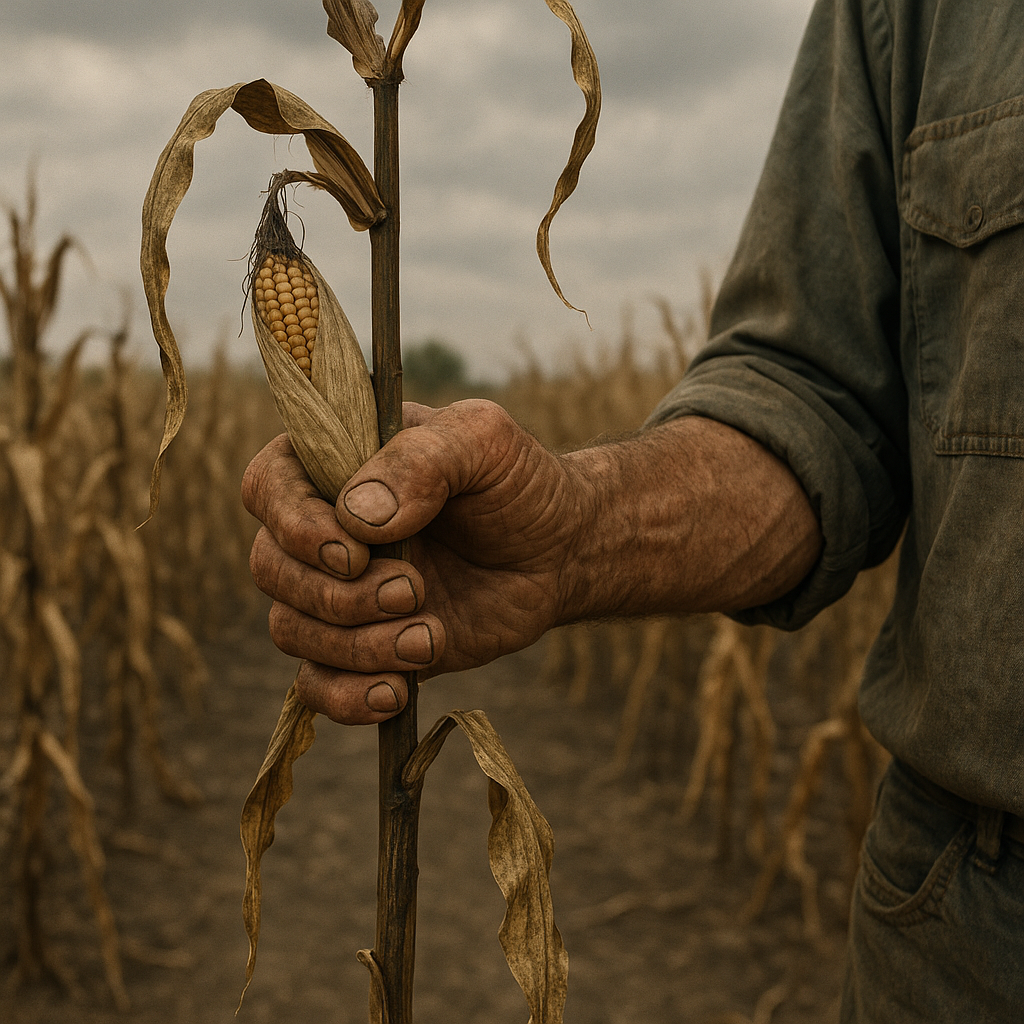
Soaring fuel and fertilizer costs are crippling South African agriculture, impacting food prices and farmer viability.
Sky-high diesel and fertilizer prices are making South African food super expensive. Farmers are feeling the pinch, with machines gobbling costly fuel and nitrogen fertilizer prices soaring. This means everyday foods like bread and beef now cost a lot more for everyone, hitting pockets hard across the country.
How do increased diesel and fertilizer prices impact food costs in South Africa?
Increased diesel and fertilizer prices significantly raise food costs in South Africa. Agriculture's reliance on diesel for machinery and transport, coupled with high nitrogen fertilizer costs, inflates production expenses. This leads to higher prices for staples like bread (up 14%) and beef, as these costs are passed down the supply chain to consumers.
Get Cape Town news in your inbox
Stay updated with the latest stories from the Mother City.
Dawn on the Highveld: A Dashboard That Hurts
The sky is still bruised purple when Tumi Mokoena thumbs the starter of the 280-horse John Deere.
Before the first kernel slips into the soil, the cab’s LCD screen flashes the damage: quarter-tank left, 3 hours 12 minutes to empty, R3 750 to refill - more than double last April’s bill.
By the time the sun edges over the maize stubble he will have vaporised another R1 200 in ultra-low-sulphur diesel, and the 28-ton urea spreader waiting at the gate is already idling, its own burner ticking like a taxi meter on steroids.
Those numbers are not trivia; they are the first domino.
A no-till planter gulps 18 litres per hectare, a combine needs 45 litres, and the 30-ton truck that hauls to the silo drinks 3,2 litres for every kilometre.
Add irrigation pumps, crop-spray planes and the refrigerated rigs that move flour to Cape Town’s industrial bakeries and agriculture alone burns 1,1 billion litres a year - R27,5 billion at Wednesday’s wholesale price of R25,03/l, an extra R9 billion compared with last season.
The planter finishes the 140-hectare camp at 14:15.
Refuelling means breaking seals on 60 yellow jerry-cans, each QR-coded so SARS will later rebate 75 % of the road-levy - if the paperwork is flawless.
Mokoena shrugs: “My grandfather said farming was roulette; nobody told me the wheel would spin this fast.”
The Fertiliser Tsunami: From Oman to the Free State
While the tractor cools, a second wave rolls in.
South Africa imports roughly two-thirds of its nitrogen; every kilogram is married to natural-gas prices that followed Brent crude past the US$100 cliff.
Ammonia that cost US$485 in February now lands at US$1 050/t, pushing the nitrogen bill for one hectare of wheat from manageable to murderous: R5 800, enough to wipe out the profit pencilled in January.
Francois Strydom, Grain SA’s Gauteng North chair, updates his 28-cost-centre spreadsheet each weekday at 14:30 the moment the Department of Energy drops the daily basic fuel price.
Fuel plus fertiliser were 48 % of cash costs last year; the model now spits out 62 %.
“You can’t out-yield or out-price this spike,” he says. “You borrow, and the bank prices the loan off the same falling futures curve that’s already terrified of demand destruction.”
Shipping queues tell the rest.
Fertiliser freight booked at US$85/t in February is now US$135 for July arrival; Red Sea diversions add ten steaming days and a US$4,50/t war-risk premium.
Once the vessel reaches Durban, cable-theft has gutted Transnet’s bulk line near Kroonstad, so 180 000 t of urea shifts to the N3 and N12, triggering Transnet’s own diesel surcharge of R28/t for every rand above R24/l - automatically activated this week.
Trucks, Feedlots and the 14 % Bread Alert
Seventy-eight percent of South African food travels by truck for at least one leg.
A standard 28-ton interlink burning the old wholesale rate needed R11 400 to run the 600 km from Bloemfontein to Durban; the same trip now costs R16 200.
Mills reset “delivery-paid” flour contracts every fourteen days; Premier Foods has already advised retailers of a 14 % ex-factory lift effective 6 May, while smaller independents talk of a further 9 % before winter.
In the feedlots outside Bethlehem 180 000 cattle convert maize into steak; feed is 68 % of the cost of a kilogram of beef.
Yellow-maize futures at R5 475/t - a nominal record - translate into R18,60 per kilo of feed, up from R13,40 in January.
Broiler producers face an even tighter noose: soya imports, already hit with anti-dumping duties, must travel the Durban-Johannesburg diesel corridor, a journey that now costs an extra R1 800 per 30-ton rig.
Government’s midnight gift - R3/l off both petrol and diesel until 31 July - looked bold on paper, worth R4,3 billion in “targeted relief”.
Yet by Wednesday morning the rand had slipped 1,8 %, nudging Gauteng 95-octane to R25,68, higher than before the cut.
Treasury concedes the holiday may be reviewed monthly; farmers hear “watch the currency, not the headlines.”
From Empty Stations to Experimental Wheat: What Happens Next
Landlocked neighbours feel the blast first.
Zimbabwe, importing every litre through South African arteries, saw pump prices leap 40 % in 48 hours; 300 stations ran dry as panic set in.
Botswana suspended grain export permits, fearing local shortages when South African producers hoard stocks to cover ballooning storage loans.
In the supermarket, the first feedback loop has already closed.
A 700 g government-fortified brown loaf that cost R12,99 in January now scans at R16,49; shelf talkers warn of “temporary supply adjustment”.
Behind the scenes the retailer’s algorithm has slashed payment terms to millers from 30 to 14 days, pushing working-capital pain upstream.
Researchers are racing against the calendar.
The Southern Africa Grain Laboratory is screening spring-wheat lines that demand 15 % less nitrogen, but harvest data will not arrive before November 2025.
Until then, BFAP’s rule-of-thumb stings: every rand added to diesel lifts maize production costs 0,8 % and wheat 1,1 %.
On that metric April’s shock alone has already inserted an extra R308/t into wheat ex-Bergville - enough for another 60 cents on a loaf before the July levy reprieve expires.
Night falls, and the jacarandas along the R42 glow under service-station neon.
Cars queue for a last top-up ahead of the midnight reset, but the farmers’ tanks are already brimming; their gamble is not the daily commute, but whether the green shoots now hidden underground will emerge into a world where the cost of keeping them alive is rewritten faster than the leaves can unfold.
[{"question": "
Why are food prices, especially bread and beef, increasing in South Africa?
Food prices in South Africa, particularly for staples like bread and beef, are rising significantly due to skyrocketing diesel and fertilizer costs. Farmers rely heavily on diesel for agricultural machinery and transportation, and nitrogen fertilizer is a crucial input. These increased input costs are passed down the supply chain, leading to higher consumer prices. For instance, bread prices have seen a 14% increase from the factory, and beef costs are impacted by the higher price of maize used for feed.
", "answer": null}, {"question": "How much has the cost of diesel impacted farming operations?
Diesel costs have dramatically increased, making a substantial dent in farmers' budgets. For example, refilling a tractor that previously cost half the current price now costs R3 750. A no-till planter uses 18 litres per hectare, a combine needs 45 litres, and trucks for hauling consume 3.2 litres per kilometre. Overall, South African agriculture burns 1.1 billion litres of diesel annually, costing R27.5 billion at the current wholesale price of R25.03/l, which is an additional R9 billion compared to last season. This means that fuel and fertiliser combined, which were 48% of cash costs last year, now account for 62%.
", "answer": null}, {"question": "What is the 'fertilizer tsunami' and how does it affect farmers?
The 'fertilizer tsunami' refers to the massive increase in nitrogen fertilizer prices. South Africa imports about two-thirds of its nitrogen, and its cost is directly linked to natural gas prices, which have surged. Ammonia, for instance, increased from US$485 in February to US$1 050/t. This pushes the nitrogen bill for one hectare of wheat to R5 800, potentially wiping out planned profits. Additionally, shipping costs for fertilizer have risen, and infrastructure issues like cable-theft affecting Transnet's bulk line near Kroonstad lead to further surcharges as fertilizer is diverted to road transport.
", "answer": null}, {"question": "How does the increase in fuel costs affect food transportation in South Africa?
Seventy-eight percent of South African food is transported by truck for at least one leg, making it highly vulnerable to fuel price hikes. A standard 28-ton interlink truck journey from Bloemfontein to Durban, which used to cost R11 400, now costs R16 200. This directly impacts the cost of delivering goods like flour to bakeries and feed to feedlots. Millers are resetting 'delivery-paid' flour contracts more frequently, leading to rapid price increases for retailers and ultimately, consumers.
", "answer": null}, {"question": "What was the government's response to the fuel price crisis, and how effective was it?
The government implemented a temporary relief measure, reducing R3/l off both petrol and diesel until July 31st, amounting to R4.3 billion in

A Russian-Spanish journalist and Cape Town native, channels his lifelong passion for South Africa into captivating stories for his local blog. With a diverse background and 50 years of rich experiences, Serjio's unique voice resonates with readers seeking to explore Cape Town's vibrant culture. His love for the city shines through in every piece, making Serjio the go-to source for the latest in South African adventures.
View all articles →