
In photos: Not your usual ballroom dance
Experience the vibrant energy of Cape Town's LEGACY Love Pride Ball: a night of voguing, community, and unforgettable performances.
The LEGACY Love Pride Ball in Cape Town is a dazzling celebration of queer culture, transforming the Old Biscuit Mill into a vibrant, pulsing tunnel of music and light. It's a place where unique fashion shines, vogue battles ignite the runway, and a strong sense of chosen family provides a safe space and vital community support. From 'virgin voguing' to fierce 'house' rivalries, the event pulsates with creativity, resilience, and a deep sense of belonging, proving that even when the lights go out, the spirit of the community glows on.
What is the LEGACY Love Pride Ball?
The LEGACY Love Pride Ball is a vibrant LGBTQ+ event held in Cape Town, transforming the Old Biscuit Mill into a tunnel of strobes and music. It's a celebration of queer culture, featuring vogue battles, unique fashion, and a strong sense of chosen family and community support, often providing resources and a safe space for participants.
Get Cape Town news in your inbox
Stay updated with the latest stories from the Mother City.
The Corridor of Light and Leather
At 22:30 on 7 February the Old Biscuit Mill stops pretending to be a daytime craft market. Crews unscrew bulbs, staple black canvas over skylights and roll out a mirror-finish runway that turns the concrete barn into a tunnel of strobes. Beyoncé’s “Rennaissance” gets spliced with Yoruba drums until the rafters clatter like tin trays; every down-beat shakes a rivet loose.
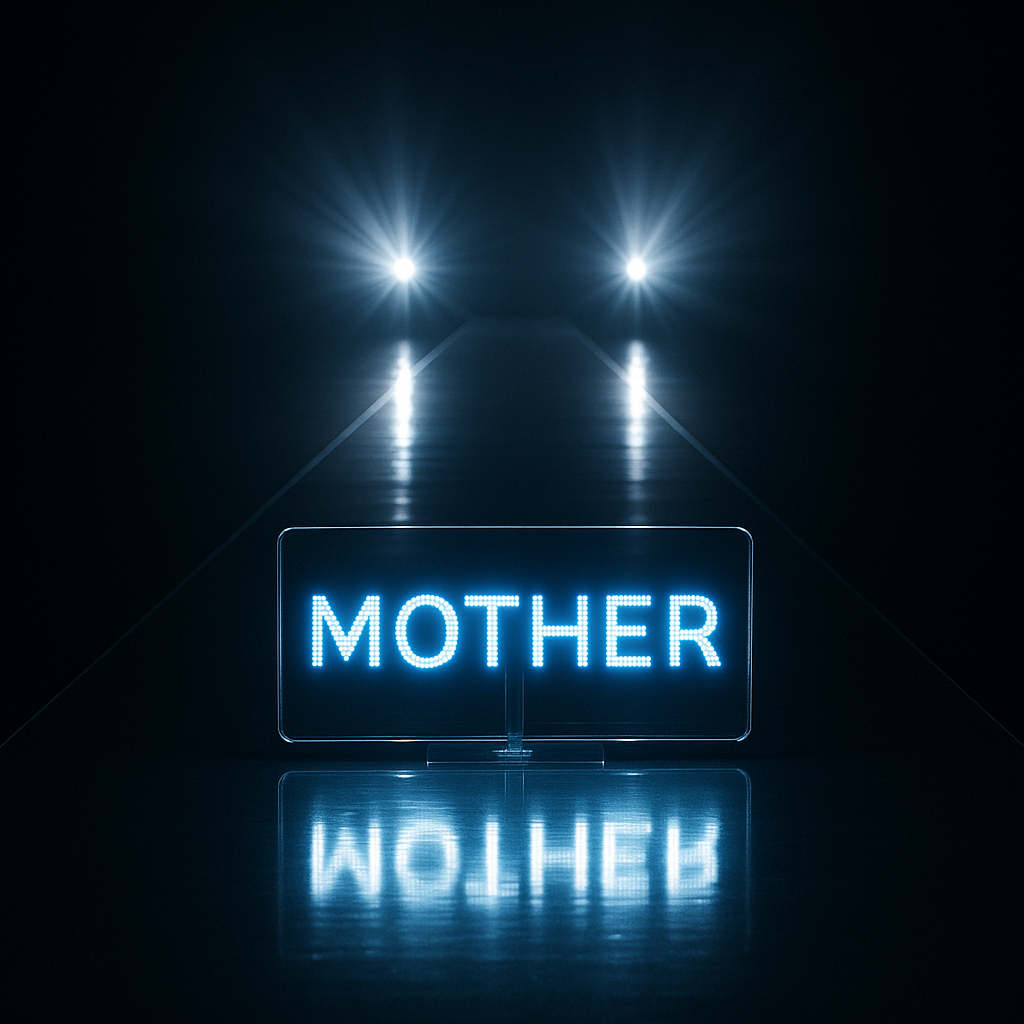
There is no velvet rope, only a human funnel: six hundred queers in Perspex boots, lamé corsets, marabou cuffs and hair teased so high it tickles the sprinkler system. Seating is DIY culture - milk crates bolted to scaffold boards, sprayed matte black so nothing competes with the skin. A lucite lectern hoists a single tablet that blinks “MOTHER” each time a new body claims the floor.
The first battle cry rings out: “Face!” A lone soldier steps through the curtain wearing nothing but nude mesh and a collar of crystals that climbs from collarbone to cheek. Four beats, ten metres, absolute silence except for camera shutters. Three judges perch on directors’ chairs stacked atop beer crates; they wield Ping-Pong paddles the size of dinner plates. Mother Continental, the Gauteng legend, keeps her mirror shades on so contestants watch themselves being clocked in real time.
Virgin Vogue and the Currency of Noise
Next category: Virgin Vogue Femme, open only to runway virgins. A 19-year-old from Khayelitsha strides out in school socks and a blazer patch-worked from discarded MTN adverts. Mid-runway he folds backwards until knees hover one inch from concrete; the DJ kills the bass at the exact millisecond of impact. Skin smacks cement, the room gasps, then roars “TEN! TEN! TEN!” before the beat returns.
While judges scribble, the DJ laces amapiano keys over classic “The Ha Dance” snares, stitching grandfathers of the culture to TikTok toddlers. Vendors drift through the dark hawking gin-in-a-tin branded “Gender Fluid” and chip packets labeled “Bottom Friendly – Low Bloat.” A folding table becomes a clinic: free PrEP refills, no queue longer than three minutes because ballroom law says anyone who can drop into a dip can jump any line.
Reputation is the only legal tender. A single look can cost R18 000 - Swarovski borrowed from pageant seamstresses, dental cement that keeps stones stuck through five dips - yet nobody pays an entry fee. Win and you leave with a spray-painted aluminium disc worth maybe R60, but that disc books you at corporate pride after-parties where brands cut R5 000 cheques for a fifteen-minute vogue demo. One trophy keeps a house in rehearsal snacks for half a year; two trophies can birth a new house that adopts kids who sleep under station bridges.
Houses, Hierarchies and the Art of War
Families here are chosen, not born. Thirty leopards march in under the House of Wild banner - bomber jackets wired with LED rope that pulses to the BPM. Mother Maxine Wild, six-foot-two in resin heels, lugs a Perscepter loaded with rose-gold confetti timed to detonate during her Sex Siren stunt. She barks the weekly roster: “Tuesdays we drill in a hall that smells of bleach and samp. Tonight you carry every sibling who couldn’t scrape together taxi fare.” Dues are paid in groceries, not rand - two tins of fish, one hour of trauma counselling, a solemn promise to pitch up at 3 a.m. if a house-child gets evicted.
Opposite them the House of Diamond rehearses optical warfare. Their capes are lined with micro-mirrors; when fanned they ricochet strobes straight into judges’ retinas. The move is dubbed “Blinding Light of Africa,” a joke about equatorial sun and the glare queer bodies endure in headlines. They practise the tilt in slow-motion video, measuring angles until the reflected halo lands like a crown.
Money flickers, disappears, resurfaces. A feathered headpiece rents for R4 000 a night; a friend-of-a-friend with a station-wagon drives it down from Joburg in exchange for two crates of beer. A 16-year-old contestant stitches her entire look from green refuse bags and tinsel found in a mall dumpster; the biodegradable shell wins Runway European and earns her an Instagram DM from a German art school offering a six-month scholarship.
Midnight Miracles and the Blackout Benediction
The witching hour belongs to Sex Siren. C-amoré of House Eros struts out in red elastic and a braid that doubles as a whip. Halfway down she bites the cap off a Lion Lager, pours suds across her chest; the strobe turns foam to molten glass. Elastic snaps - ping - yet hips keep perfect time, proving desire is expensive and fragile and still unstoppable.
At 01:15 the entire grid collapses. Phones rise like fireflies while the DJ hot-wires a battery speaker. A volunteer spotlight plugs into a car inverter; the ball shrinks to candle-watt intimacy. Veterans nod - every LEGACY party must survive a blackout, evidence that the culture glows independent of Eskom.
Dawn leaks lilac behind cement silos when the last category ends. A foster kid wearing a trash-bag coat scores a perfect 40; she folds the garment into a square and lays it at Maxine’s feet, an ancient offering of first skin to temple. Outside, rideshare drivers herd glitter-spattered bodies across gravel puddles while mothers count heads like teachers after a field trip.
Volunteers sweep shards that glitter like lethal stars. Someone finds a leftover LED rope still pulsing; they twist it into a heart and centre it on the bare runway. The gates roll shut at 04:00, but the heart keeps beating - powered by a watch battery good for another 72 hours, long enough for the next eviction, the next rehearsal, the next family that will call a warehouse home.
[{"question": "What is the LEGACY Love Pride Ball?", "answer": "The LEGACY Love Pride Ball is a vibrant LGBTQ+ event held in Cape Town, transforming the Old Biscuit Mill into a tunnel of strobes and music. It's a celebration of queer culture, featuring vogue battles, unique fashion, and a strong sense of chosen family and community support, often providing resources and a safe space for participants."}, {"question": "Where and when does the LEGACY Love Pride Ball take place?", "answer": "The event transforms the Old Biscuit Mill in Cape Town, specifically at 22:30 on February 7th, where it sheds its daytime craft market facade to become a pulsating hub of queer celebration."}, {"question": "What kind of performances can be seen at the Ball?", "answer": "The Ball features dazzling vogue battles, including 'Virgin Vogue Femme' for newcomers and intense 'house' rivalries. Categories like 'Face' and 'Sex Siren' showcase incredible talent, unique fashion, and powerful expressions of queer identity."}, {"question": "How does the LEGACY Love Pride Ball foster community and support?", "answer": "The Ball emphasizes a strong sense of 'chosen family,' providing a safe space and vital community support. 'Houses' serve as familial units, offering emotional and practical assistance, from trauma counseling to housing support for their members. The event also provides free services like PrEP refills."}, {"question": "What is the 'currency' or value system at the Ball?", "answer": "Reputation is the primary 'legal tender' at the Ball. While there's no entry fee, winning a category, even with a small spray-painted disc, can lead to significant opportunities like corporate pride after-party bookings and financial support for 'houses' to care for their members."}, {"question": "What happens during a 'blackout' at the Ball, and what does it signify?", "answer": "Occasionally, the power grid collapses, leading to a 'blackout.' During these moments, the community improvises with battery speakers and car inverters. This resilience signifies that the culture and spirit of the community glow on, independent of external circumstances, proving its inherent strength and enduring light."}]

Lerato Mokena is a Cape Town-based journalist who covers the city’s vibrant arts and culture scene with a focus on emerging voices from Khayelitsha to the Bo-Kaap. Born and raised at the foot of Table Mountain, she brings an insider’s eye to how creativity shapes—and is shaped by—South Africa’s complex social landscape. When she’s not chasing stories, Lerato can be found surfing Muizenberg’s gentle waves or debating politics over rooibos in her grandmother’s Gugulethu kitchen.
View all articles →