
Made in Cape Town – The story of Stiebeuel
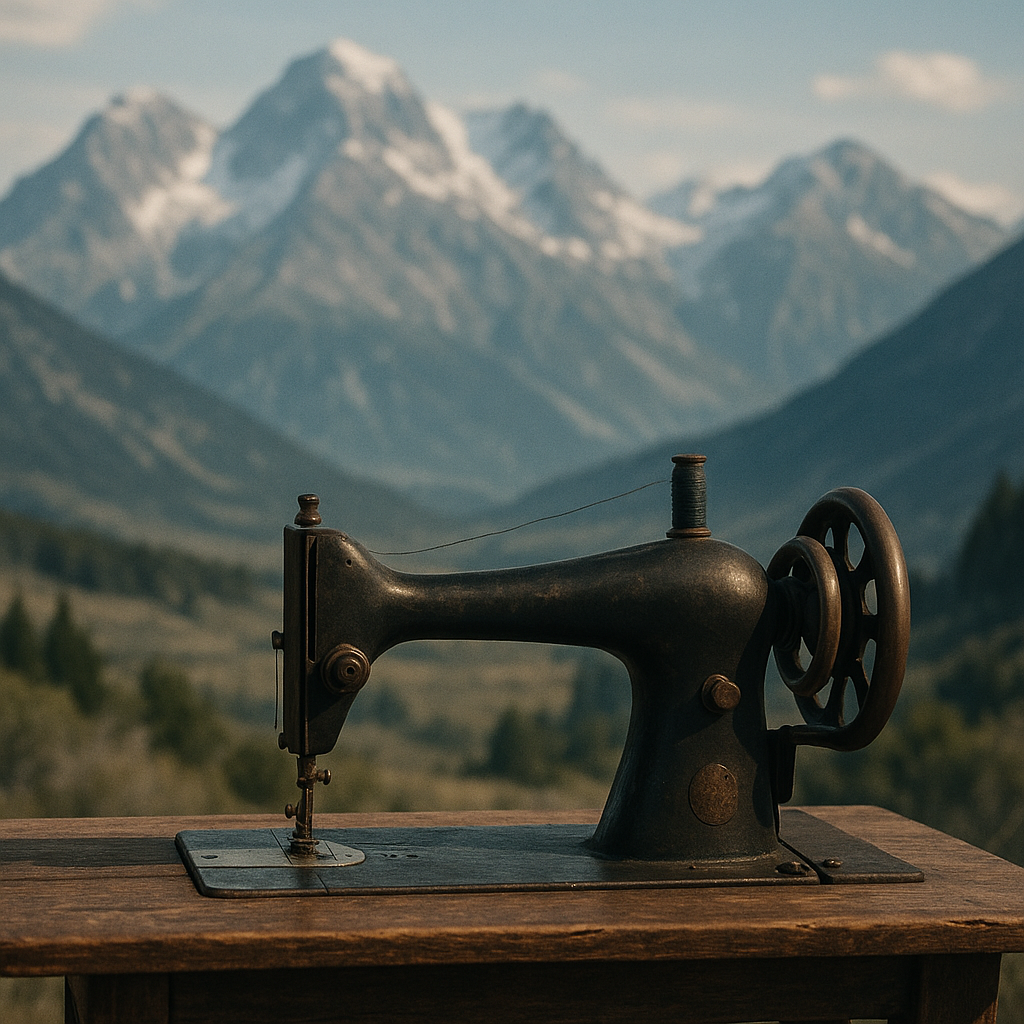
Discover Stiebeuel: From a tattoo parlor rail to Bree Street, this Cape Town brand crafts durable, minimalist apparel inspired by its city.
Stiebeuel is a cool fashion brand from Cape Town that started in a tattoo shop. They make tough, stylish clothes that blend local vibes with simple, useful designs. Every piece tells a story, from where it's made to the weather on the day it was cut. It's more than just clothes; it's a quiet rebellion sewn into the city's pulse.
What is Stiebeuel?
Stiebeuel is a Cape Town-based fashion brand founded by Nico Arendse, known for its high-quality, utility-focused garments. Originating from a tattoo loft, it emphasizes local craftsmanship, durability, and unique design details, often drawing inspiration from South African culture and landscapes, making it a unique player in Southern African minimalism.
Get Cape Town news in your inbox
Stay updated with the latest stories from the Mother City.
Section 1 – From Stairwell to Street: How a Tattoo Loft Became a Blueprint
Nico Arendse never planned to run a fashion house. In 2017 he was merely a fired costume standby who sang in a punk trio and graded film patterns on a Walmer Estate dining-room table after 2 a.m. gigs. The first Stiebeuel garments - twelve charcoal linen shirts - were financed with leftover apartheid-era-drama budget and hung on a single rail above Palm Black Tattoo. Nine sold in a week, returning creased and smelling of Turkish tobacco because an actor refused to take them off unless Nico traded for vintage Red Wings. That swap became the brand’s first press release: word spread that a nameless local could cut a shirt tough enough for Long Street tequila and dawn touch-rugby on Camps Bay sand.
By 2018 the rail had tripled, annoying tattoo artists whose clients now spent consult minutes staring at indigo twill instead of flash sheets. Nico leased the entire first floor, punched out a partition and installed a 1940s Singer button-hole machine bought from a retired Hout Bay sail-maker. Ink-stained floorboards, rebar pattern weights and cracked skylight splatter remained; the loft turned into an after-hours clubhouse for wine-trading sommeliers, Drakensberg-bound climbers and photographers borrowing look-books. Production stayed micro - thirty units max - yet every garment carried a serial tattoo of its dye bath, cloth batch and the weather on the day it was cut. Customers began talking about “my” dye lot the way oenophiles cite vintages.
Late 2022 gravity and opportunity pulled the operation downhill to a Victorian Port warehouse on Bree Street. Nico preserved Oregon-pine flooring, patched gaps with off-cuts from film-set flats and painted walls the exact grey of Table Mountain after rain. Garments now hang two fingers apart on a steel rail so the Cape south-easter can riffle hems when the door opens. Shwe-shwe fitting-room curtains - dead-stock from a cancelled Denis Villeneuve sci-fi - look neutral from afar but reveal indigo geometry only under direct light, an Easter-egg for costume nerds. The move felt less like expansion than like the city itself pushing the label into plainer view.
Section 2 – Lighthouse Atelier: Where Utility Becomes Vernacular
Behind the shop, a former crypto-art gallery now houses Lighthouse, Stiebeuel’s R&D and manufacturing hub. Ten machinists, two pattern-makers and one ex-Levi’s Eureka denim specialist cut, fuse and chain-stitch to a soundtrack of local krautrock re-issues. Natural light hits the cutting table at noon; every pattern still begins as paper labelled in Nico’s spidery handwriting. Test garments are washed in the same front-loaders that service film shoots, proving that anything surviving a twelve-hour set can handle a Cederberg weekend.
The best-selling “Parow” work jacket - named for the freight line behind the suburb, not the suburb itself - updates each season. It has appeared in organic hemp-canvas, brushed selvedge and paper-thin merino that packs to naartjie size. Spring–Summer 2024’s “Offshore on Kloof” collection spins the instant when Atlantic fog lifts to expose the mountain in negative: asphalt, kelp, oxidised copper, sea-foam white. Flagship piece is the “Llandudno” overshirt - half shirt, half jacket - cut from 5 oz Japanese chambray laced with reflective pin-stripes visible only under headlights. Nico night-skated Kloof Nek while a cinematographer tailed him in a pickup to verify visibility; the look-book was shot on 35 mm during a gale so fierce the reflector board became a sail. Models are local climbers whose chalk bags were colour-matched to each garment.
Load-shedding blackouts halt machines without stopping work: machinists switch to candle-lit hand-finishing, turning crisis into theatre. Bound button-holes sewn during Stage-6 darkness are tagged accordingly, each outage logged like a vintage year. Water shortages prompted ozone-wash denim that slashes consumption from seventy litres to three per pair. When the 2023 taxi strike froze roads, cutters skated in with fabric rolls balanced like surfboards; Nico delivered orders on foot in brown-paper sleeves once used for film call-sheets. Every sleeve now carries the GPS coordinates of the cotton source tree - an archival habit borrowed from continuity departments.
Section 3 – Southern-African Minimalism Goes Global, But Only Just
Buyers overseas slot Stiebeuel next to A.P.C. or early Everlane, yet the comparison ignores pocket bags depth-tested for a Lesotho passport and gate clickers, or hemlines calibrated for the 40 km/h updraft on Wale Street. Vegetable-tanned Karoo steer-hide patches on jeans are branded with the farm’s coordinates - traceability pitched as romance, not compliance. Even the “District Six” coin pouch hides a 1960s street map of the bulldozed neighbourhood, visible only when the leather is oiled; history worn as whisper.
Collaborations arrive only when a partner brings process, not logo. 2023’s Cape Coffee Beans jacket has pocket lining impregnated with bean oil that exhales aroma when body-warmed. An upcoming Tony Gum project stretches selvedge off-cuts into canvas frames, the red-line edge becoming the horizon of her photographs - garments and prints shown side by side, neither complete without the other. Next
[
{
"question": "
What is Stiebeuel?
","answer": "Stiebeuel is a Cape Town-based fashion brand founded by Nico Arendse. It is known for creating tough, stylish, and utility-focused clothing that blends local South African vibes with simple, functional designs. The brand emphasizes high-quality craftsmanship, durability, and unique design details, often drawing inspiration from the local culture and landscapes, making it a distinct player in Southern African minimalism."
},
{
"question": "
Where did Stiebeuel originate and how did it grow?
","answer": "Stiebeuel began in 2017 in a tattoo loft above Palm Black Tattoo in Cape Town. Founder Nico Arendse, a former costume standby, started by selling twelve charcoal linen shirts, which quickly sold out. Due to growing demand, he leased the entire first floor by 2018, transforming the loft into a production space and a creative hub. In late 2022, the operation moved to a Victorian Port warehouse on Bree Street, expanding its visibility and production capabilities."
},
{
"question": "
What makes Stiebeuel's production process unique?
","answer": "Stiebeuel's production, housed in its 'Lighthouse' R&D and manufacturing hub, focuses on meticulous craftsmanship. Every garment's pattern still begins as paper with Nico's handwriting. Production is kept micro, with each item carrying a 'serial tattoo' detailing its dye bath, cloth batch, and the weather on the day it was cut. The brand also incorporates resilience into its process, such as candle-lit hand-finishing during load-shedding blackouts, ozone-wash denim for water conservation, and unique delivery methods during strikes, showcasing a deep connection to its local environment."
},
{
"question": "
What kind of designs and materials does Stiebeuel use?
","answer": "Stiebeuel's designs are utilitarian and stylish, blending local influences with practical features. For example, their best-selling 'Parow' work jacket is updated seasonally using materials like organic hemp-canvas, brushed selvedge, and merino. The 'Llandudno' overshirt from the 'Offshore on Kloof' collection features Japanese chambray with reflective pin-stripes. The brand also uses vegetable-tanned Karoo steer-hide patches on jeans, branded with the farm's coordinates, and even incorporates historical elements like a 1960s street map of District Six hidden within a coin pouch."
},
{
"question": "
How does Stiebeuel incorporate its Cape Town identity into its products?
","answer": "Stiebeuel deeply integrates its Cape Town identity into its products. This includes designing pocket bags depth-tested for items like a Lesotho passport and gate clickers, and calibrating hemlines for the updraft on Wale Street. The brand's aesthetic is influenced by the city's landscapes, weather, and history, from the grey walls mirroring Table Mountain after rain to the specific GPS coordinates of cotton source trees on garment sleeves. Even challenges like load-shedding and water shortages are woven into the brand's narrative, marking garments with 'vintage years' based on these events."
},
{
"question": "
Does Stiebeuel collaborate with other brands or artists?
","answer": "Yes, Stiebeuel engages in collaborations, but only when the partner brings a unique process or innovation, rather than just a logo. An example is the 2023 Cape Coffee Beans jacket, which features pocket lining impregnated with bean oil that exhales aroma when warmed. They also have an upcoming project with artist Tony Gum, where selvedge off-cuts will be repurposed into canvas frames, with the red-line edge becoming the horizon in her photographs, creating a symbiotic relationship between garments and art pieces."
}
]

Lerato Mokena is a Cape Town-based journalist who covers the city’s vibrant arts and culture scene with a focus on emerging voices from Khayelitsha to the Bo-Kaap. Born and raised at the foot of Table Mountain, she brings an insider’s eye to how creativity shapes—and is shaped by—South Africa’s complex social landscape. When she’s not chasing stories, Lerato can be found surfing Muizenberg’s gentle waves or debating politics over rooibos in her grandmother’s Gugulethu kitchen.
View all articles →