
Mitchells Plain cart horse seized after frightening crash leaves animal badly injured
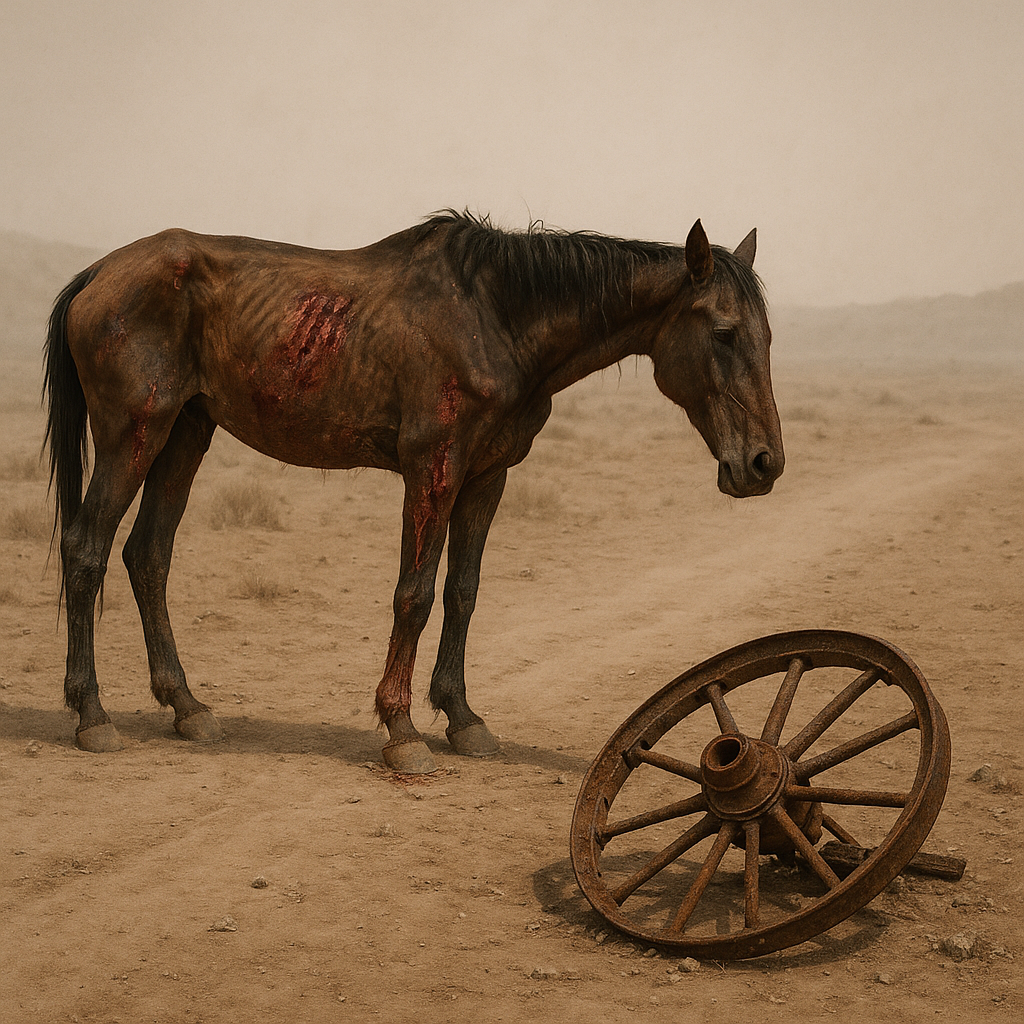
SPCA seizes severely injured cart horse in Cape Town, exposing systemic failures in animal welfare regulation and child labor laws.
A cart horse in Cape Town got very hurt after crashing into a metal gate. It was scared by a dog and was being led by two young boys. This sad event showed that laws meant to protect animals are not being followed, especially rules about who can handle horses and how they should be cared for. The SPCA stepped in to help the horse and is now pushing for the people responsible to be held accountable for this animal's suffering.
What happened to the cart horse in Cape Town?
A cart horse in Cape Town suffered severe trauma after crashing into a metal gate, spooked by a roaming dog, while being operated by two minors. The incident highlighted critical gaps in animal protection systems, including the use of underage handlers and failures in enforcing permit regulations for working animals.
Get Cape Town news in your inbox
Stay updated with the latest stories from the Mother City.
The Emergency: When Routine Oversight Fails
A tranquil afternoon in Portland, Mitchells Plain, erupted into crisis when a cart horse suffered devastating trauma after crashing into a metal gate. Responders from the Cape of Good Hope SPCA arrived to investigate alarming reports of animal cruelty, encountering circumstances that would ultimately illuminate widespread breakdowns in how South African cities manage working equines.
Witnesses reconstructed the chain of events: a roaming canine spooked the horse, igniting panic that drove the animal headlong into steel barriers. The collision inflicted horrific damage - copious bleeding from a wound near the right eye, apparent bite wounds across the body, and serious harm to the front right limb. The severity of facial trauma, described by first responders as a substantial open wound, offered unmistakable evidence of what transpires when working animals lack adequate protection.
Minors Behind the Reins: A Dangerous Violation
The individuals attempting to control this distressed animal presented perhaps the most alarming aspect of the entire episode. Two boys, both younger than thirteen, had travelled from Philippi with this powerful equine, finding themselves utterly unequipped to handle a creature in full flight mode. Their physical limitations and developmental immaturity made effective intervention impossible when the horse bolted.
Municipal statutes explicitly forbid this exact scenario. Cape Town ordinances stipulate that no person below eighteen may operate cart horses on public roads - legislation crafted specifically to prevent the hazardous intersection of youthful inexperience and volatile animal behaviour that unfolded here.
Belinda Abraham, representing the SPCA, minced no words regarding this violation: "Safeguarding working animals demands unwavering commitment. Youngsters lack both the know-how and physical capability to manage these muscular animals securely, endangering themselves, the creature, and innocent bystanders alike." Her remarks highlight an often-neglected truth - that mistreatment of labouring animals simultaneously threatens human populations, especially where protective measures go unheeded.
Permitting Breakdowns and Enforcement Gaps
This case casts harsh light on broader dysfunction within Cape Town's authorisation regime for working animals. City regulations require owners to secure formal approval before deploying horses commercially, procedures intended to guarantee sufficient veterinary care, suitable shelter provisions, and compassionate treatment standards.
The circumstances surrounding this confiscation indicate these safeguards functioned poorly if at all. Unauthorised juvenile handlers, apparent supervisory voids, and ultimately catastrophic injuries collectively suggest monitoring failures extending past isolated misconduct to encompass structural insufficiency.
The SPCA has committed to initiating judicial proceedings against the registered proprietor, marking a deliberate turn toward consequence-based advocacy. Abraham's stress on "legal accountability" mirrors developing strategies among welfare organisations, approaches that acknowledge rigorous statute enforcement as crucial for meaningful systemic advancement.
Economic Realities of Urban Horse Labour
Understanding this episode requires examining Cape Town's informal transportation economy. Karretjie horses maintain vital roles where established infrastructure proves inadequate - collecting refuse, hauling construction supplies, and distributing agricultural products. The Philippi Horticultural Area, identified as this journey's starting point, ranks among South Africa's foremost vegetable-producing zones, where equine transport retains practical necessity despite mechanism elsewhere.
Yet this economic significance has historically obscured questionable practices from proper examination. Welfare monitors have consistently recorded troubling conditions: neglected hoof maintenance causing persistent lameness, inadequate recuperation between work shifts, weather exposure without proper cover, and dietary shortcomings undermining health and healing capacity.
The SPCA's decision to assume immediate custody - rather than merely documenting infractions - reflects assessment of circumstances so severe that removal became medically and morally unavoidable. Such seizures, while essential, impose considerable organisational burdens; the Cape of Good Hope SPCA operates one of Africa's most extensive animal medical facilities, though need perpetually outstrips available resources.
Medical Intervention and Recovery Pathways
Post-seizure, specialists evaluated the horse at SPCA premises. Documented trauma - cranial damage with active bleeding, numerous bite marks indicating either prior neglect or concurrent assault, and structural harm to the primary load-bearing limb - created an intricate clinical scenario demanding varied expertise.
Standard protocols for comparable cases typically commence with immediate bleeding control and wound management, proceed to skeletal imaging, soft-tissue ultrasound examination, and thorough blood work to detect secondary issues like infection or blood loss. The facial injury's positioning raises specific worries about eye preservation and possible nervous system effects.
Prognosis for rescued working horses fluctuates widely depending on wound severity, age, and disposition. Certain animals transition to sanctuary retirement; others, following complete recuperation and retraining, secure alternative placement in supervised therapeutic or instructional settings. The SPCA's ultimate determination for this horse will hinge substantially on medical outlook and temperament evaluation throughout recovery.
Civic Engagement and the Culture of Reporting
Documentation of this episode depended heavily on neighbourhood involvement - a citizen's alert triggered SPCA mobilisation, while additional witnesses supplied corroborating accounts. This pattern demonstrates the vital function of public attentiveness in welfare enforcement, particularly where formal oversight cannot achieve blanket coverage.
Nevertheless, community reporting also exposes underlying complications. Cart horse operations typically encompass extended kin networks and financial interconnections that muddle the ethics of raising concerns. Contacting authorities may stem from authentic humanitarian motivation, yet might equally derive from personal disputes disconnected from creature welfare. Investigators must therefore weigh informant reliability while remaining attentive to tangible proof.
Multiple concerned witnesses emerging in this situation suggests wider communal unease with observable animal distress - a potentially hopeful sign of evolving social standards, even where regulatory implementation stays uneven.
Global Parallels and Distinctive Local Features
Worldwide, urban working horse numbers have dropped dramatically over the past hundred years, yet significant populations endure from Manhattan (where carriage operations generate ongoing political dispute) to Marrakech, Mumbai, and various Latin American capitals. Each setting produces unique regulatory difficulties reflecting indigenous economic pressures, cultural perspectives, and administrative capability.
New York's carriage horse sector functions under arguably the planet's most comprehensive supervisory structure: obligatory veterinary inspections, defined temperature operating limits, mandatory downtime intervals, and elaborate housing specifications. Critics maintain these rules remain poorly applied; proponents argue they constitute viable accommodation between creature welfare and financial survival.
Mumbai's roughly 1,300 licensed Victoria horses (traditional sightseeing conveyances) confronted proposed elimination in 2015, ultimately revised to allow operation within designated heritage zones under strengthened welfare conditions. This arc - threatened prohibition yielding regulated continuation - offers possible guidance for Cape Town officials seeking equilibrium among competing priorities.
The Cape Town situation, however, diverges materially from these international examples through its exposure of child labour exploitation - a facet that elevates welfare concern into wider human rights inquiry, potentially activating labour inspectors and child safeguarding services alongside animal protection agencies.
Institutional Challenges and Collaborative Solutions
Effective supervision of municipal working animals necessitates cooperation across numerous governmental and civil society bodies: municipal police, traffic management, veterinary departments, and specialised welfare groups. Practically speaking, jurisdictional uncertainties routinely undermine intervention effectiveness.
The SPCA's central role in this confiscation reflects both organisational strength and systemic disarray. As a non-state actor with statutory enforcement authority under South Africa's Animals Protection Act, the SPCA occupies a distinctive hybrid position - empowered to commence legal action yet relying on private contributions for operational viability.
This structural configuration produces ongoing strains: the organisation must simultaneously address urgent welfare crises, advance lengthy prosecutions, and sustain public contributor backing through conspicuous intervention. Cases featuring dramatic injuries and unambiguous regulatory breaches serve various organisational objectives, yet they represent merely the visible portion of enduring welfare degradation affecting working animals throughout the region.
Legal Proceedings and Lasting Implications
As official processes unfold, the SPCA confronts evidentiary obstacles familiar to animal welfare litigation. Demonstrating ownership and operational accountability requires documentation that informal economic arrangements often resist producing. Establishing culpable intent grows complicated where defendants may reasonably attribute circumstances to underage handlers or unpredictable creature conduct.
The organisation's declared resolve to advance judicial action nonetheless carries weight transcending individual case resolution. Observable enforcement initiatives generate deterrent impacts, signal regulatory commitment to municipal authorities, and maintain contributor engagement essential for ongoing functioning. Each successfully prosecuted matter builds precedent for future interventions.
Meanwhile, the confiscated horse's recuperation continues under professional supervision, its eventual fate determined by clinical evaluation and accessible placement alternatives - sanctuary, adoption, or, where outlook remains bleak, compassionate termination. The organisation's considerable investment in this creature's treatment exemplifies the resource-heavy character of welfare enforcement, where every intervention represents commitment extending far past initial emergency reaction.
The Portland episode thus embodies numerous intersecting difficulties: financial pressures perpetuating outdated labour arrangements, protective frameworks poorly converted into tangible security, community alertness enabling responsive action, and institutional determination pursuing accountability through accessible judicial avenues. The horse whose suffering initiated this sequence of developments remains, fittingly, at the narrative core - individual anguish that galvanised collective response, and individual healing that will gauge, however imperfectly, the effectiveness of safeguards subsequently applied.
What happened to the cart horse in Cape Town?
A cart horse in Cape Town was severely injured after crashing into a metal gate. The incident occurred when the horse, being led by two young boys, was spooked by a dog. This event highlighted significant failures in animal protection systems, including the use of underage handlers and the lack of enforcement of permit regulations for working animals.
Who was responsible for the cart horse when the incident occurred?
Two boys, both under the age of thirteen, were leading the cart horse when it crashed. This is a direct violation of Cape Town ordinances, which state that no one under eighteen years old is permitted to operate cart horses on public roads. The SPCA is pursuing legal action against the registered owner of the horse for this neglect and violation.
What kind of injuries did the cart horse sustain?
The horse suffered severe trauma, including a substantial open wound near its right eye with copious bleeding, apparent bite wounds across its body, and serious harm to its front right limb. These injuries suggest the horse experienced significant distress and impact during the incident.
Why is the SPCA involved, and what action are they taking?
The Cape of Good Hope SPCA responded to reports of animal cruelty. They immediately confiscated the horse due to the severity of its injuries and the clear violations of animal protection laws. The SPCA is now providing medical care for the horse and is committed to initiating judicial proceedings against the registered owner to ensure legal accountability for the animal's suffering and the breaches of regulations.
What are the broader implications of this incident for animal protection in Cape Town?
This incident exposes critical gaps in the enforcement of animal protection laws and permit regulations for working animals in Cape Town. It highlights issues such as the use of underage handlers, inadequate supervision, and potential systemic failures in monitoring the welfare of working equines. The case underscores the need for stricter enforcement and better oversight to prevent similar incidents and ensure the humane treatment of these animals.
How does this incident relate to the economic realities of urban horse labour in Cape Town?
Cart horses play a vital role in Cape Town's informal transportation economy, particularly in areas like Philippi, for tasks such as collecting refuse and hauling goods. However, this economic necessity often overshadows the welfare concerns of these animals. This incident brings to light common issues like neglected hoof maintenance, insufficient rest, exposure to harsh weather, and poor nutrition. The SPCA's intervention emphasizes that economic considerations should not compromise the fundamental welfare and protection of these working animals.

Kagiso Petersen is a Cape Town journalist who reports on the city’s evolving food culture—tracking everything from township braai innovators to Sea Point bistros signed up to the Ocean Wise pledge. Raised in Bo-Kaap and now cycling daily along the Atlantic Seaboard, he brings a palpable love for the city’s layered flavours and even more layered stories to every assignment.
View all articles →