
Moana live-action trailer brings the ocean’s magic to life
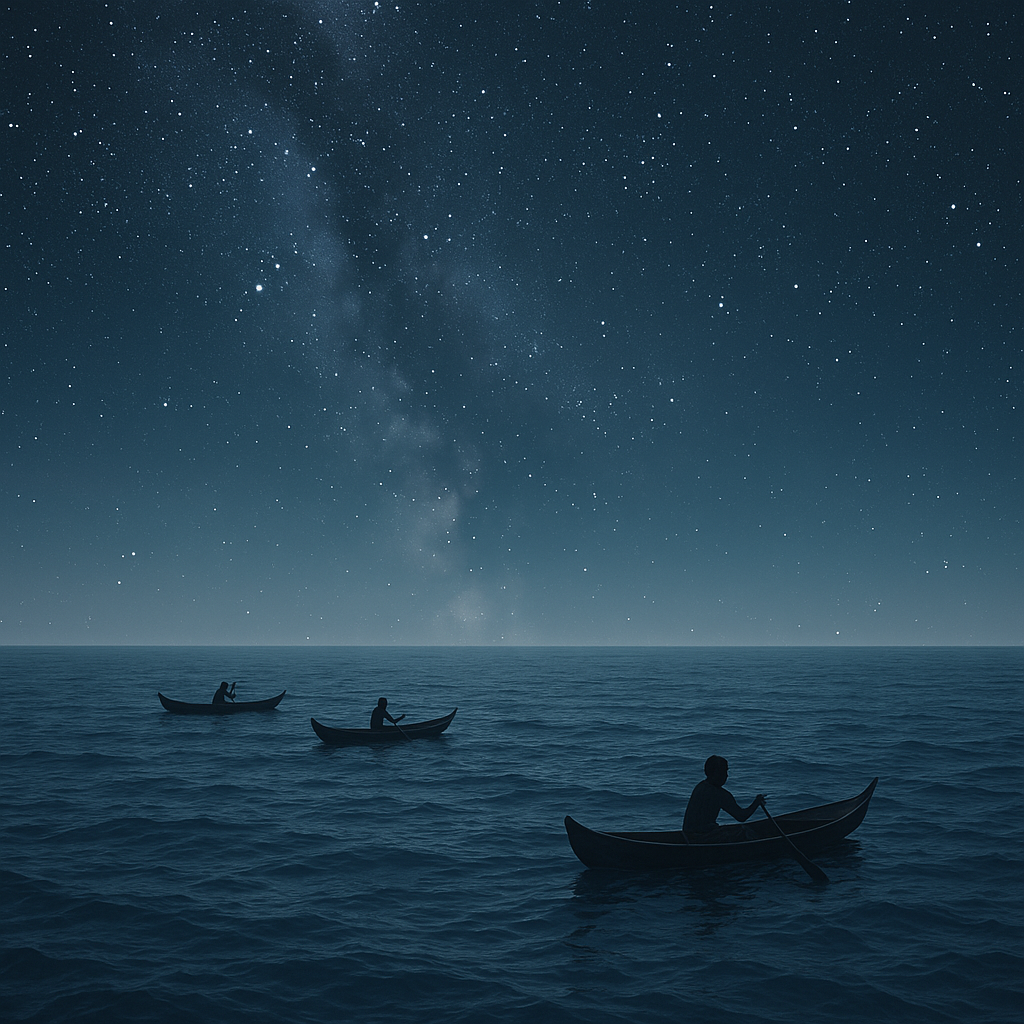
Moana 2026: Disney's live-action remake dives deep, using real water, canoes, and cultural protocols to bring the epic tale to life.
Disney's live-action Moana in 2026 is making waves with its incredibly real approach! They're filming in the actual open ocean off Fiji, using cool gadgets to make the lead actress seem truly part of the sea. They even cast Pacific Islanders with real family ties to the region, built proper canoes that can sail, and gave Maui real, amazing tattoos. This means a movie soaked in true culture and jaw-dropping real-world magic, bringing the ocean to life like never before!
How did Disney achieve realism in the live-action Moana 2026?
Disney achieved realism for Moana 2026 by filming in open-water zones off Fiji, using a custom "Pendant Rig" for lead actress Catherine Lagaʻaia to simulate interaction with the sea, and casting Pacific Islanders with documented ancestry. They also built ocean-worthy canoes and used real tattoos for Maui, reflecting extensive cultural immersion and practical effects.
Get Cape Town news in your inbox
Stay updated with the latest stories from the Mother City.
1. A Leak That Wasn’t a Leak
On 27 May 2025 Disney pressed “publish” and dropped 157 seconds of footage that sprinted past fifty million plays before the sun rose twice. The clip was only the froth on the reef. Beneath the hype, the studio has already thrown out the animation playbook and written a new one soaked in salt water, genealogy exams, and 2 300 pages of cultural protocol that travel everywhere the crew goes. Paper oceans can’t kill cameras; cartoon heroines never get hypothermia. The 2026 production had to solve both problems every dawn.
Director Thomas Kail opened his first development meeting with a single demand: “The Pacific needs union cards.” That meant no cosy sound-stage tank. Instead, the marine department leased three open-water zones off Fiji’s Yasawa archipelago where the reef shears away to a 1 000-metre drop and winter swells arrive at a dependable six-to-ten-foot rhythm. An eighteen-million-dollar “wet budget” bought a floating Technocrane platform the size of a basketball court that could be tugged into place in the dark, giving the team a 45-minute gold-light window before the trades chopped the mirror.
Keeping 17-year-old lead Catherine Lagaʻaia alive while the sea “chose” her required a gadget the crew nicknamed the Pendant Rig: hair-thin Dyneema lines vanished beneath her tapa vest and ran to underwater drones capable of nudging, steadying, or twirling her at 1.4 knots. Divers clocked 4 700 hours installing and removing the system - so many wrinkled palms that “Prune Palm” became the on-set merit badge.
2. Casting an Ocean of Cousins
The 2022 talent hunt sounded more like a census than an audition. Casting directors visited 97 000 Pacific Islanders across Hawaiʻi, Sāmoa, Tonga, Fiji, Aotearoa, Los Angeles and Sydney. Checkboxes were brutal: speak (or swiftly learn) Samoan and Tokelauan; stay calm 200 nautical miles from land; free-dive four metres; and show paper-trail Polynesian ancestry within three generations. Editorials screamed “reverse exclusivity.” Producers answered that the clause was cheaper than lawsuits and apologies 30 years later.
Catherine Lagaʻaia was scooping popcorn at a Six Flags outside Auckland when her mother filmed a 42-second Ngāti Porou haka in a sodium-lit parking lot. Casting froze the frame on her irises - an accidental match for the turquoise Pantone of animated Moana’s necklace bead. Seventy-two hours later the concession counter lost an employee and the Pacific gained a new voyager. Before cameras rolled she completed a 12-credit ocean-navigation sequence at the University of the South Pacific so every star-sighting line would survive nerd-Twitter frame checks.
Genealogy homework didn’t stop at the lead. Background sailors had to pass a one-day wayfinding primer run by the Polynesian Voyaging Society; even the catering crew learned to lash a spar. The result is a fleet of faces that looks like a family reunion, not a Los Angeles casting call.
3. Ink, Skin, and a Volcano-Slim Demigod
Dwayne Johnson already owned Maui’s smirk; turning voice work into living myth meant surrendering 46 square feet of epidermis. Makeup artist Adrien Morot arrives at 3 a.m. with a team of six who spend 5.5 hours laying full-body silicone transfers, then 2.5 more hours patching spray-salt gaps between takes. Three Samoan tufuga ta tatau storyboarded every squiggle so each line chants the proper ʻie toga mat pattern. Legal feared merchandising appropriation, so every motif lives on a blockchain ledger that self-destructs on the film’s 70th birthday and returns the imagery to the Samoa Arts Council.
Johnson’s torso wasn’t the only thing trimmed. Nineteenth-century tapa depict Maui as rope-lean, not gym-enhanced, so the actor downsized 28 lb on a 3 900-calorie zone diet of taro, reef fish and green coconut water. A pop-up gym inside a 40-foot shipping container followed the barge island-to-island so he could dead-lift at midnight under moth-swarmed generator lights.
The transformation turned Maui into a walking argument against “poly-bulk” stereotypes and let the tattoos read clearly instead of stretching over exaggerated delts.
4. Canoes, Choirs, and a Premiere on an Aircraft Carrier
Disney commissioned two fully ocean-worthy camakau. The flagship “Spirit of Motunui” stretches 72 feet and weighs 12 tons; its stunt twin “Te Fiti’s Wake” is 15 percent smaller so helicopter lenses inflate scale. Shipwrights in Suva used traditional bread-wood hulls, then secretly carbon-fibered them to survive 30-foot cyclone swells. A gyro-stabilised ARRI 65 strung between the catamarans keeps the horizon level, tricking the viewer into feeling the ocean inhale.
When the vessels needed enemies, the art department built four-foot Kakamora puppets on jet-ski sleds so actors could chase the canoe at 20 knots. Physical spray gave animators the correct refraction math for every droplet. Night-time plates of Kīlauea’s lava fountains were stitched into a 12 K LED dome in Sydney, letting performers sweat under molten skies while standing on air-conditioned plywood.
Lin-Manuel Miranda penned three fresh songs, but the new sonic signature is a 460-voice ocean choir recorded inside Fiji’s Sawa-i-Lau caves, accessible only at low tide. The resulting spatial-audio mix will drop on Apple Vision Pro headsets, turning living rooms into stalactite cathedrals.
Disney locked the 10 July 2026 global date - inside the same corridor that once steered Pirates of the Caribbean to a billion-dollar haul - then booked the decommissioned aircraft carrier USS Midway in San Diego Harbour for the world premiere. Guests will arrive by tender and sit on 4 000 waterproof beanbags while a 360° LED wall projects bioluminescent patterns synced to the score. Two studios, one ocean, and a generation of kids who may never again think of the Pacific as mere wallpaper.
How did Disney achieve realism in the live-action Moana 2026?
Disney achieved realism for Moana 2026 by filming in open-water zones off Fiji, using a custom "Pendant Rig" for lead actress Catherine Lagaʻaia to simulate interaction with the sea, and casting Pacific Islanders with documented ancestry. They also built ocean-worthy canoes and used real tattoos for Maui, reflecting extensive cultural immersion and practical effects.
What was the 'Pendant Rig' and how was it used?
The 'Pendant Rig' was a custom gadget designed to keep 17-year-old lead actress Catherine Lagaʻaia safe and allow her to interact realistically with the open ocean. It consisted of hair-thin Dyneema lines connected to underwater drones that could nudge, steady, or twirl her at 1.4 knots, making it seem as though the sea was choosing her. Divers spent 4,700 hours installing and removing the system, earning them the nickname 'Prune Palm' for their wrinkled hands.
How did Disney ensure authentic casting for Moana 2026?
Disney conducted an extensive talent hunt across 97,000 Pacific Islanders in various regions, requiring candidates to speak or learn Samoan and Tokelauan, remain calm 200 nautical miles from land, free-dive four meters, and demonstrate documented Polynesian ancestry within three generations. This rigorous process aimed for cultural authenticity and avoided potential future lawsuits, resulting in a cast that felt like a true family reunion.
How were Maui's tattoos brought to life authentically?
Makeup artist Adrien Morot and a team of six spent 5.5 hours applying full-body silicone transfers of Maui's tattoos, followed by 2.5 hours patching gaps. Three Samoan tufuga ta tatau (traditional tattoo artists) storyboarded every squiggle to ensure each line chanted the proper ʻie toga mat pattern, reflecting deep cultural significance. Legal concerns about merchandising appropriation led to each motif being recorded on a blockchain ledger, returning imagery rights to the Samoa Arts Council after 70 years.
What efforts were made to ensure the canoes and other elements were sea-worthy and realistic?
Disney commissioned two fully ocean-worthy camakau, a 72-foot flagship "Spirit of Motunui" and a 15% smaller stunt twin "Te Fiti’s Wake." Shipwrights in Suva used traditional bread-wood hulls, which were secretly carbon-fibered to withstand 30-foot cyclone swells. A gyro-stabilized ARRI 65 camera between the catamarans maintained a level horizon, creating an immersive experience. For the Kakamora, four-foot puppets on jet-ski sleds were used to allow actors to chase the canoes at 20 knots, capturing accurate physical spray for animation.
Where and when will the Moana 2026 premiere take place?
The global premiere for Moana 2026 is scheduled for July 10, 2026. Disney has booked the decommissioned aircraft carrier USS Midway in San Diego Harbour for the event. Guests will arrive by tender and sit on 4,000 waterproof beanbags, while a 360° LED wall projects bioluminescent patterns synchronized to the film's score, promising a unique and immersive experience.
Liam Fortuin is a Cape Town journalist whose reporting on the city’s evolving food culture—from township kitchens to wine-land farms—captures the flavours and stories of South Africa’s many kitchens. Raised in Bo-Kaap, he still starts Saturday mornings hunting koesisters at family stalls on Wale Street, a ritual that feeds both his palate and his notebook.
View all articles →