
Nelson Mandela’s great-grandson wins police brutality court case after 2021 assault
Mthatha High Court rebukes police for "unlawful assault" on Nelson Mandela's great-grandson, reopening debate on police brutality.
Mayibuye Mandela won a big case against the police, meaning they have to pay for hurting him. This happened after he was attacked on a dark road in 2021. The judge said the police were wrong and that they need to be held responsible, especially when they hurt people in the countryside. This win is a huge step for everyone in South Africa who has faced police violence.
What was the outcome of Mayibuye Mandela's assault case against the police?
Mayibuye Mandela won his civil case against the South African Police Service (SAPS) after being assaulted by officers in 2021. Judge Masonwabe Mhambi ruled in his favor, ordering the state to pay legal costs and damages, setting a precedent for police accountability in South Africa, especially concerning rural violence.
Get Cape Town news in your inbox
Stay updated with the latest stories from the Mother City.
The Night That Wouldn’t Stay in the Dark
Just after nine on a chilly May evening in 2021, Mayibuye Mandela and three friends crested a hill on the R61 between Mthatha and Mqhekezweni. Silver-grey Corolla glinting under a sickle moon, they expected maybe a breath-test, maybe a bored officer fishing for a fifty-rand note. What they got was a police van with no plates, one blue light, and an order barked in isiXhosa that translates far less politely than “get out.”
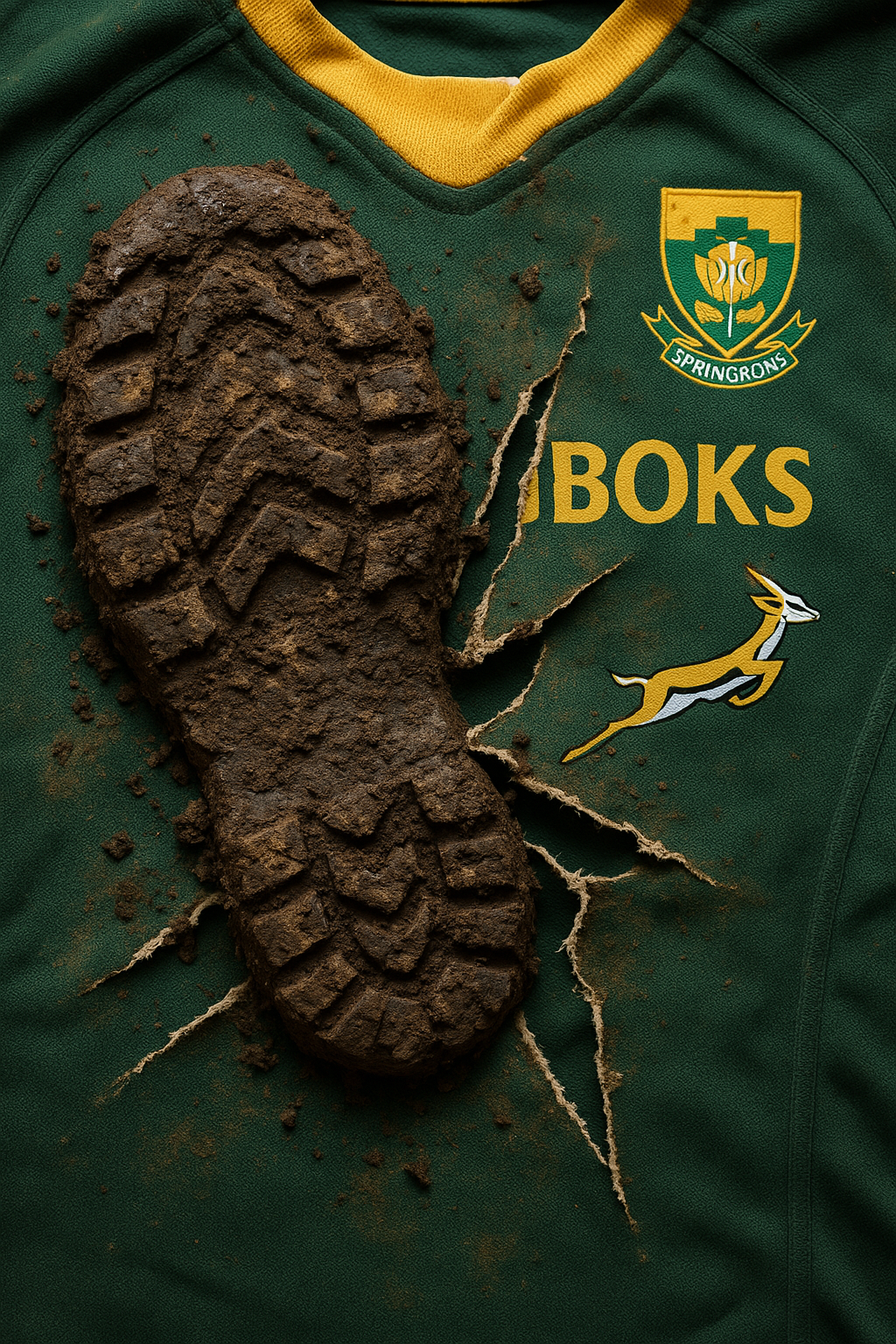
The four occupants stepped onto the muddy verge. Mandela, fresh from a student meeting, wore his Springbok jersey and an attitude sharpened by weeks of speeches against police bullying. One constable seemed to recognise him; friends later heard the man mutter “that one from Walter Sisulu.” Seconds later Mandela lay face-down, cheek kissing red soil, while batons carved the night air and boot soles pressed vertebrae into gravel.
A cellphone, shaky yet merciless, caught the full four minutes: thud of wood on flesh, the glint of water where Mandela’s face half-drowned, the metallic click of a firearm pointed at anyone who moved. When the van fishtailed away, Mandela curled on the shoulder, jersey torn, blood threading into the mud. No breath-test, no arrest, no charge, just the sour smell of diesel and dread.
Anatomy of a Cover-up That Failed
The medical folder handed to the court listed soft-tissue bruises like topographical maps across his back, a hairline fracture in the left forearm, and crimson spiderwebs in his left eye where a boot heel had connected. At 23:00 the physician at Life St Dominic’s noted blood-alcohol level at 0.01 % – barely a communion sip – shredding later rumours of drunken aggression. filed charges at Mthatha Central SAPS vanished twice. Statements were allegedly retyped.
Weeks slipped into years. Police lawyers, led by Advocate Jaco van Rensburg, clung to a single technicality: the absence of a complete registration number on the ghost van. They produced no dash-cam footage, no officers in the witness box, just a stony silence the judge found more damning than lies.
Then, like a twist in a township novella, Nokwanda Ngcizela stepped forward. The nineteen-year-old car-guard from a nearby BP had memorised four digits from the plate, WhatsApped them to her sister, and backed the claim with MTN tower data. A telecoms engineer authenticated the cloud backup. The prosecution’s corridor hush became the sound of a settlement folding.
Courtroom 3B: Where Silence Became Evidence
On 28 January 2025, Courtroom 3B overflowed with history. Leopard-skin chiefs, ageing UDF veterans in faded T-shirts, journalists smelling printer toner from the morning papers – they all pressed shoulder to shoulder. Judge Masonwabe Mhambi delivered words that ricocheted down the decades: “Silence in the face of grave allegations can, in appropriate circumstances, be more damning than perjured denials.” He ordered the state to pay costs and left the damages cheque for later in 2025, an uncapped tab now whispered to reach into the millions.
Outside, an elderly woman in emerald head-wrap ululated loud enough to drown the stenographer. SABC pronounced Mayibuye’s name three different ways; EWN’s headline anointed him “Mandela Heir,” missing the point that this victory belonged less to royalty than to every rural body ever bruised by a badge.
Tembeka Ngcukaitobi SC, Mandela’s counsel, hinted the next hearing will chase constitutional and aggravated damages, citing psychological scars and reputational assault. Any money flowing in will seed a legal fund for villagers who cannot spell “litigation,” let alone afford it.
Bloodlines and Battle Lines
Mayibuye Mandela came into the world in April 1994, the week ballot boxes replaced bullets. Raised between Qunu’s rolling hills and Johannesburg’s jarring streets, he carries two names: the ancestral “Melisizwe” – let the nation be heard – and the surname that feels both birthright and burden. After Waterford Kamhlaba in eSwatini and UCT protests in 2015, he rejected corporate boardrooms and built the Melisizwe Mandela Foundation, a scrappy NGO punching above its weight on land claims and boreholes in forgotten villages.
Officers tried to smear him as combative and drunk, yet the tox screen and leaked photos scorched that narrative. Some relatives mutter “loudest surname in the room”; supporters counter that silence would betray every ancestor from Mvezo to Robben Island. Either way, the assault hurled him from activist to symbol, willing or not.
Policing by the Numbers: Eastern Cape Realities
Crime stats released in September 2024 paint the Eastern Cape as South Africa’s poster-child for police violence. IPID juggles 3 047 open cases; 37 % involve serious assault. In the Mthatha cluster, 41 % of citizen complaints against officers were quietly refiled as “resisting arrest” before IPID ever knew they existed. The Mandela judgment slices through that bureaucratic fog like high-beams on a dark stretch of N2.
Whistle-blowers call it “blue-on-black” violence – uniform versus skin – and the roadblock where Mandela bled is already a pilgrimage site. Bouquets of hardy aloes planted by local pupils mark the spot; they plan to refresh them every May because memory needs tending.
Trauma, Therapy and TikTok Fame
Two suicide ideations and recurring nightmares – therapist notes are now evidence. Eye-movement desensitisation sessions, paid from Mandela’s pocket after Bonitas labelled the assault “political,” finally gave language to the mud turning into blood behind closed eyelids. Support groups across the country queue up to hear a rural man speak openly about PTSD, a rarity in places where stoicism is currency.
On the night of the judgment, Black Power Station artists projected a looping mural onto the Mthatha High Court façade: Mandela’s silhouette dissolving into batons, then into scales. TikTok copies spread faster than signal on a hilltop, racking up 2.8 million views in two days. Parallel murals bloom in Johannesburg’s Maboneng and Khayelitsha’s Spine Road, each tagged #InkululekoIsNotFreeUntilRuralBodiesAreSafe, a riff on the old man’s 1956 trial quip.
Ripple Effects: Elections, Alliances and Unlikely Bedfellows
The judgment lands in an election year already boiling with new parties and old grudges. ANC provincial leaders tread softly, praising the courts while side-eyeing Chief Mandla Mandela’s influence in Mvezo. The EFF hauls out megaphones and rallies in Qunu, Julius Malema invoking Marikana ghosts to enthusiastic murmurs.
Across the ideological canyon, Mandela has accepted a co-chair role at a rural safety indaba organised by AfriForum’s Ernst Roets. Critics on the left cry opportunism; Mandela merely replies, “The enemy of impunity is a united citizenry.” Whether ideological alchemy or blind opportunism, the optics scramble Twitter and beer-hall debates alike.
Beyond Payouts: Transparency Tools and Rural Women
The next skirmish is already filed: a declaratory order forcing SAPS to release every dash-cam and body-cam clip from rural roadblocks within a 100 km radius since 2020. Code for Africa is coding an open-source portal so citizens can track requests and responses. One hundred and seventeen NGOs have signed on; donors from the Open Society Initiative for Southern Africa have conditionally green-lit funds.
Meanwhile, a quieter class-action suit filed by the Keiskamma Trust represents 43 women from Nqileni village coerced into sex at roadblocks. Their lawyers believe Mandela’s liability precedent tightens the screws on a defence that has long hidden behind lost dockets and terrified witnesses.
Living Calendars and Future Murals
The road outside the Mqhekezweni Great Place remains a red-clay ribbon. Children planted aloes on the exact patch where boots once pressed Mandela into earth – they call it a living calendar, to be replanted every May because forgetting is a luxury rural South Africa cannot afford.
What was the outcome of Mayibuye Mandela's case against the police?
Mayibuye Mandela won his civil case against the South African Police Service (SAPS) for an assault that occurred in 2021. Judge Masonwabe Mhambi ruled in his favor, ordering the state to pay legal costs and damages. This judgment is seen as a significant step towards police accountability in South Africa, particularly concerning violence in rural areas.
What happened to Mayibuye Mandela on the night of the incident?
On a May evening in 2021, while driving on the R61 between Mthatha and Mqhekezweni with three friends, Mayibuye Mandela was stopped by police. Despite no breath-test, arrest, or charge, he was severely assaulted by officers, sustaining soft-tissue bruises, a hairline fracture in his forearm, and eye injuries. The assault was captured on a cellphone video.
How did Mayibuye Mandela prove his case despite initial challenges?
Initially, charges filed at Mthatha Central SAPS vanished, and statements were allegedly retyped. Police lawyers attempted to dismiss the case based on the absence of a complete registration number for the police van. However, a car-guard named Nokwanda Ngcizela provided crucial evidence, having memorized four digits of the license plate and WhatsApped them to her sister, which was later authenticated by MTN tower data and a telecoms engineer.
What is the significance of Judge Mhambi's ruling?
Judge Masonwabe Mhambi's ruling emphasized that "Silence in the face of grave allegations can, in appropriate circumstances, be more damning than perjured denials." This judgment is expected to set a precedent for holding the police accountable for violence, especially in rural settings, and has been hailed as a victory for all South Africans who have experienced police brutality. The damages, yet to be finalized, are anticipated to be substantial.
What are the broader implications of this judgment for policing in South Africa?
The judgment is expected to have far-reaching effects, particularly in the Eastern Cape, which has a high incidence of police violence. It highlights issues of "blue-on-black" violence and bureaucratic cover-ups, such as refiling citizen complaints as "resisting arrest." Mandela's legal team plans to pursue constitutional and aggravated damages, with any funds received intended to establish a legal fund for rural villagers who cannot afford litigation. There are also efforts to push for greater transparency, including a declaratory order to force SAPS to release dash-cam and body-cam footage from rural roadblocks.
How has the public and political landscape reacted to Mayibuye Mandela's victory?
The judgment has sparked widespread reactions. It has garnered significant attention on social media platforms like TikTok, with murals and hashtags emerging to commemorate the victory and advocate for rural safety. Politically, the ruling comes during an election year, prompting various parties to weigh in. Mayibuye Mandela has also engaged with diverse groups, including co-chairing a rural safety indaba with AfriForum, underscoring a broader call for a united citizenry against impunity.

Chloe de Kock is a Cape Town-born journalist who chronicles the city’s evolving food culture, from township braai joints to Constantia vineyards, for the Mail & Guardian and Eat Out. When she’s not interviewing grandmothers about secret bobotie recipes or tracking the impact of drought on winemakers, you’ll find her surfing the mellow breaks at Muizenberg—wetsuit zipped, notebook tucked into her backpack in case the next story floats by.
View all articles →