
New labour laws will strengthen protections for South Africa’s workers
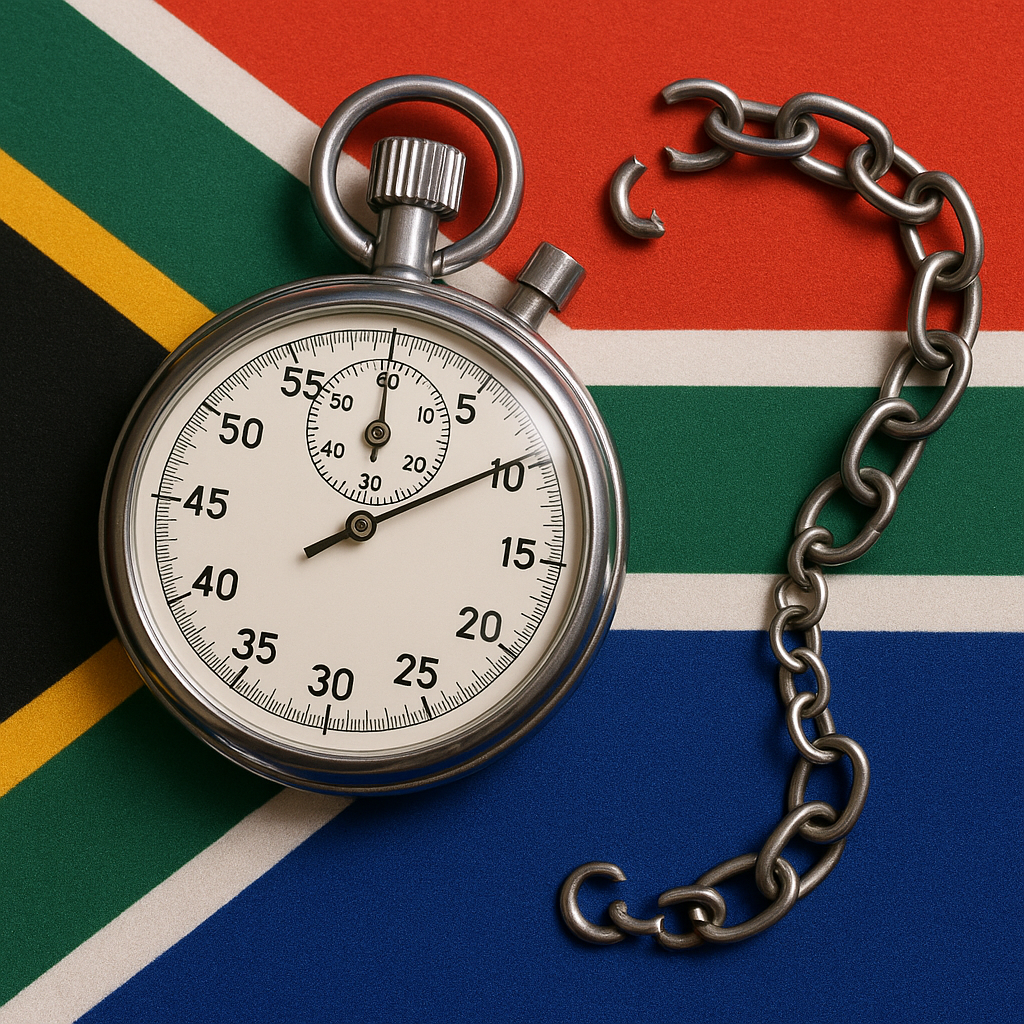
SA's 2025 Labour Laws Amendment Bill redefines employment, parental leave, and strengthens worker protections, impacting all businesses.
South Africa is shaking up its work rules big time in 2025! New laws mean all parents get 128 days off, no matter who birthed the baby. "Zero-hours" jobs get stricter, so workers get guaranteed pay and hours. Plus, app-based workers like Uber drivers might now be seen as employees, getting more rights. Companies that don't follow these new rules will face bigger fines and even jail time for bosses.
What are the key changes in South Africa's 2025 Labour Reboot?
South Africa's 2025 Labour Reboot introduces significant changes including a gender-neutral 128-day parental leave, stricter rules for zero-hours contracts to guarantee minimum work, and a new Schedule 11 to clarify the employment status of platform workers. It also doubles statutory severance pay and strengthens enforcement with new inspection methods.
Get Cape Town news in your inbox
Stay updated with the latest stories from the Mother City.
1 | The Perfect Storm That Forced a Rewrite
South Africa tweaks its labour statutes every half-decade, usually to plug a court-detected hole or to tick an ILO box. February 2025 breaks that habit: two thick bills drop a 200-page demolition on the 1995 blueprint. Three realities made incremental patches impossible. First, apps now dish out shifts by algorithm, leaving drivers and designers without a legal umbrella. Second, four in every ten young adults can’t find a job, so the informal sector has become the country’s biggest recruiter by default. Third, the Constitutional Court’s 2023 Uber judgment declared the old “digital-worker” exclusions unconstitutional, forcing Parliament to redraw the map instead of colouring outside the lines.
Cabinet fused three reform tracks - leave modernisation, job-status clarity and benefit-fund honesty - into one omnibus rather than the usual trilogy of amending acts. The outcome is a single law that resets the risk dial for every payer of human effort, from JSE-listed giants to a township café that pays a neighbour to stack shelves on Saturdays.
If the Portfolio Committee wraps hearings by June, the machinery starts on 1 September 2025. Firms then have six months to audit contracts, but only sixty days to plug their payroll systems into a new real-time contribution engine. Miss the second deadline and your staff payments are flagged before the weekend.
2 | Parental Leave Without Borders: How the 128-Day Pot Works
Gone is the 1970s relic that gave four months only to the birth-giver and three pity days to a partner. Every child now unlocks a 128-day gender-neutral leave wallet that can be tapped at any point in the first two years of life - or up to age six for adoptive and surrogacy placements. Solo parent? You take the full stretch. Couple? Split the bundle any way you like and score an extra ten “bonding days” that must be used together, nudging fathers into the nursery and mothers back to boardrooms.
Money arrives from the UIF at 66 % of capped earnings, almost double the old 38 %, funded by a 0.9 % levy split down the middle between paycheque and employer. Net result: an extra 0.1 % on the wage bill buys a social-insurance safety net that actually cushions. Ten days’ notice - down from thirty - gets you in, so emergency arrivals and premature births no longer trigger paperwork nightmares.
Dismissing someone for dipping into the leave wallet is now automatically unfair. A small firm that retrenches a new dad must prove the redundancy had zero to do with the cot, or face reinstatement plus two years’ back-pay. Payroll dashboards must therefore flag parental-leave takers in the same risk column as pregnant employees.
3 | Zero-Hours, Platforms and the End of Casual Guessing Games
Roughly 1.2 million South Africans sign contracts that promise “up to” 40 hours yet deliver half. The new code kills that bait-and-switch in three moves. First, within 48 hours of hire the employer must hand over a written “core band” (say, 20–30 hours) and guarantee at least the floor every four weeks. Miss the target and you owe 1.5 times the wage for each lost hour. Second, any hours above the band attract a 25 % loading, making it cheaper to roster properly than to keep a standing army of extras. Third, cancel a shift inside 24 hours and you pay three hours or the full length, whichever hurts less.
Apps are not excused: geo-fence the notice period inside the interface or stand joint-and-several liable with the client. And that “no outside work” clause you slipped into casual contracts? Void, unless you can spell out - in writing - a genuine operational conflict. The CCMA will arbitrate such spats in a fast 30-day lane, so side-hustle surfers can moonlight without moon-sized fear.
4 | Schedule 11, Severance Doubling and the Enforcement Arsenal
Platform battles globally hinge on one question: employee or entrepreneur? Schedule 11 serves a rebuttable answer: meet any three of seven criteria - earning 75 % of income from one app, wearing branded gear, barred from haggling over price, unable to subcontract, rated by an algorithm, integrated longer than 30 days, or told how to dress or drive - and the law presumes you are staff. The burden flips to the platform to show VAT registration, multiple clients or real capital outlay. Lose the argument and the driver, coder or courier gains full LRA cover, including union rights and unfair-dismissal protection after six months.
Retrenchment becomes pricier for every sector. Statutory severance jumps from one week per year to two, capped at 52 weeks. A worker can now stride into any CCMA office, tick “Severance only” and walk out with an enforceable award in six weeks - no need to litigate the fairness of the lay-off. Pay late and the meter runs at 5 % simple interest per month; if the company folds within two years, directors must reach into their own pockets.
To police the new deal, 800 fresh inspectors get body-cams and an AI case-manager. Visits trigger automatically when contribution data wobbles, when five platform workers file status-reversal forms, or when parental-leave complaints land. Inspectors can hand you an on-the-spot compliance agreement: sign, admit guilt, add 10 % penalty, and avoid court. Refuse, and the National Prosecuting Authority weighs in with “aggravated wage theft” charges carrying up to twelve years in orange overalls - the same tariff reserved for common theft.
[{"question": "What are the main changes introduced by South Africa's 2025 Labour Reboot?", "answer": "The 2025 Labour Reboot in South Africa brings several major changes. These include a new gender-neutral 128-day parental leave, stricter regulations for 'zero-hours' contracts to ensure guaranteed pay and hours, and a new Schedule 11 to clarify the employment status of platform workers like Uber drivers. It also doubles statutory severance pay and introduces stronger enforcement mechanisms, including higher fines and potential jail time for non-compliant employers."}, {"question": "Why was such a significant overhaul of labour laws necessary?", "answer": "This major overhaul was prompted by several factors. The rise of app-based work created a class of workers without clear legal protection, highlighted by the Constitutional Court's 2023 Uber judgment which found previous digital-worker exclusions unconstitutional. High youth unemployment also pushed many into the informal sector, necessitating better protections. Previous incremental changes were deemed insufficient to address these 'perfect storm' conditions, leading to a comprehensive rewrite of the 1995 labour blueprint."}, {"question": "How does the new parental leave system work?", "answer": "The new system offers a gender-neutral 'leave wallet' of 128 days per child, which can be used at any point within the child's first two years (or up to age six for adoptive/surrogacy placements). Solo parents can take the full amount, while couples can split it as they wish, with an additional ten 'bonding days' required to be taken together. The Unemployment Insurance Fund (UIF) will pay 66% of capped earnings, funded by a 0.9% levy split between employee and employer. Notice for leave is reduced to ten days, and dismissing an employee for taking parental leave is automatically considered unfair."}, {"question": "What are the new rules for 'zero-hours' contracts and casual workers?", "answer": "The new rules aim to end the unpredictability of 'zero-hours' contracts. Employers must now provide a written 'core band' of guaranteed hours (e.g., 20-30 hours) within 48 hours of hire, ensuring at least the minimum floor every four weeks. If the guaranteed hours are not met, employers owe 1.5 times the wage for each lost hour. Hours worked above the core band attract a 25% loading. Additionally, canceling a shift within 24 hours requires payment of three hours or the full shift length, whichever is less. Clauses preventing outside work are void unless a genuine operational conflict can be proven."}, {"question": "How will the employment status of platform workers be determined?", "answer": "Schedule 11 introduces a rebuttable presumption that platform workers are employees if they meet any three of seven criteria. These criteria include earning 75% of income from one app, wearing branded gear, being unable to negotiate prices, being barred from subcontracting, being rated by an algorithm, being integrated for longer than 30 days, or being dictated to about dress or driving. If these criteria are met, the burden shifts to the platform to prove the worker is an independent contractor (e.g., through VAT registration, multiple clients, or real capital outlay). If the platform loses, the worker gains full Labour Relations Act (LRA) protections, including union rights and unfair dismissal protection after six months."}, {"question": "What are the consequences for companies that don't comply with the new laws?", "answer": "Non-compliant companies face significantly increased penalties. Statutory severance pay has doubled from one week to two weeks per year of service, capped at 52 weeks. Directors can be held personally liable if a company folds within two years of failing to pay severance. To enforce these rules, 800 new inspectors equipped with body-cams and AI case managers will conduct visits. Employers can sign an on-the-spot compliance agreement with a 10% penalty to avoid court. Refusal can lead to 'aggravated wage theft' charges from the National Prosecuting Authority, carrying penalties of up to twelve years in prison."}]

Lerato Mokena is a Cape Town-based journalist who covers the city’s vibrant arts and culture scene with a focus on emerging voices from Khayelitsha to the Bo-Kaap. Born and raised at the foot of Table Mountain, she brings an insider’s eye to how creativity shapes—and is shaped by—South Africa’s complex social landscape. When she’s not chasing stories, Lerato can be found surfing Muizenberg’s gentle waves or debating politics over rooibos in her grandmother’s Gugulethu kitchen.
View all articles →