
Newlands Cricket Ground set for possible name change
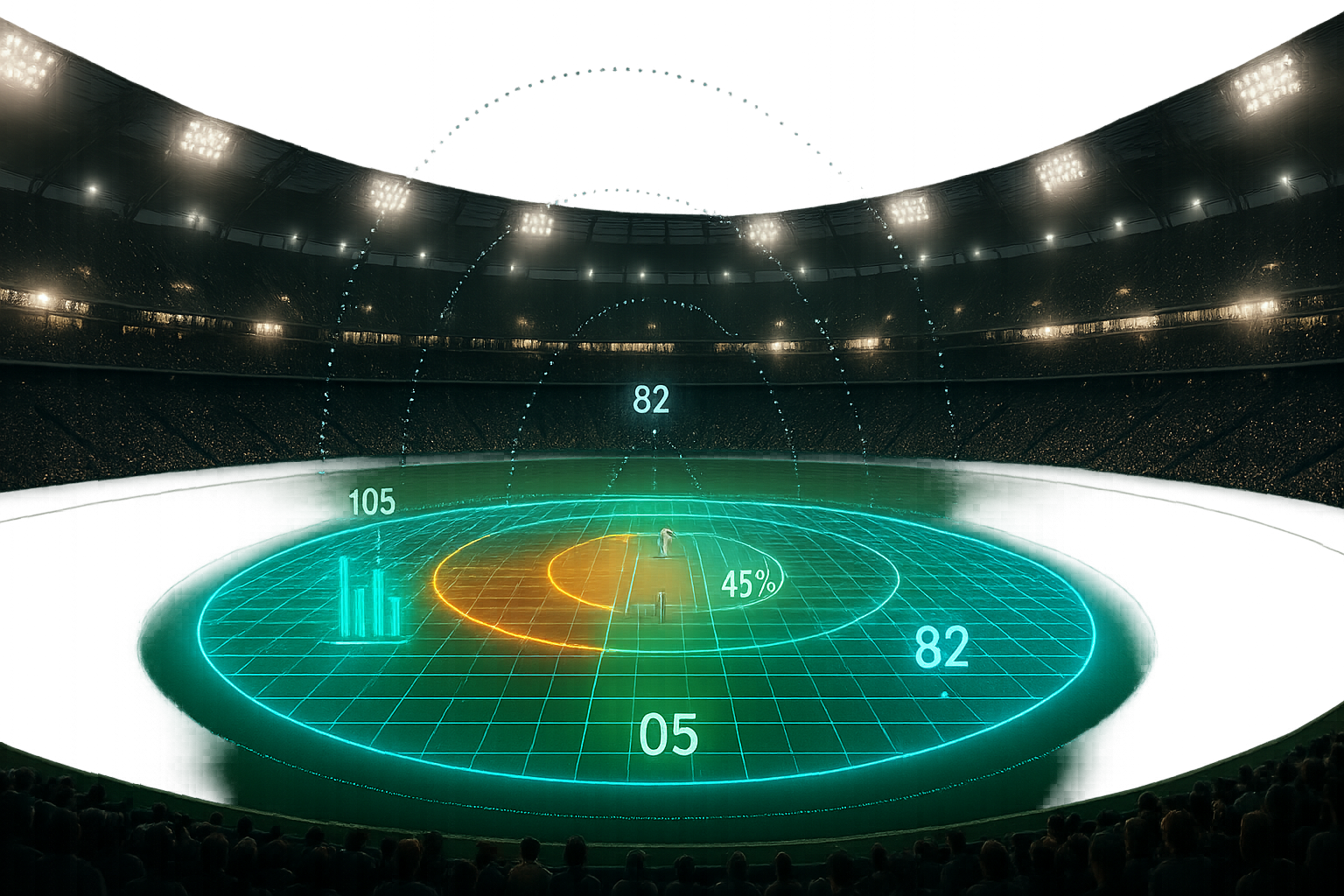
Newlands Cricket Ground undergoes a massive commercial audit, exploring new revenue streams from digital assets to eco-tourism and fractional naming rights.
Newlands Stadium is getting a huge makeover to make more money! They're selling everything from special grass to tours of the old stadium. They're even pricing how long fans sit in certain spots like it's a TV ad. Plus, they're using cool tech like AI songs and carbon trackers to attract big sponsors. This old stadium is becoming a super modern money-making machine, all while caring for women's cricket and the environment.
How is Newlands Stadium generating new revenue streams?
Newlands Stadium is generating new revenue streams through innovative strategies including pricing match-day experiences like TV spots, selling fractional naming rights, offering digital content streams, commercializing specialized grass cultivars, and leveraging its heritage status through tours and sponsored exhibits. They are also focusing on social impact and sustainability initiatives.
Get Cape Town news in your inbox
Stay updated with the latest stories from the Mother City.
The Census That Started It All
The Western Province Cricket Association (WPCA) has launched the deepest financial stock-take Newlands has ever seen, a project that goes far beyond slapping a new logo on the gates. The naming-rights contract with World Sports Betting is about to lapse, but board papers show the union is treating the expiry as a launchpad for a three-stage overhaul that will touch every rand that enters the 11-hectare bowl: ticket tiers, pocket-sized fan zones, digital space that is still imaginary, and the century-old film reels and photo negatives that have been gathering dust in the pavilion basement.
Phase 1 is already live. London shop Futures Sport & Entertainment has clocked six match-day visits, tablets in hand, measuring every centimetre that can legally be sold without breaching ICC sight-line codes or the City of Cape Town’s heritage edicts. Thermal cameras tracked how spectators actually move; the data will decide where a roving gin wagon or a fintech demo cube can park without clogging arteries. One early nugget: the grassy Oaks corner, until now a low-value picnic patch, keeps fans rooted for 42 minutes on average - longer than anywhere else bar the President’s Pavilion. For the first time those 42 minutes are being priced like TV spots.
While the tape measures were out, Cape Town agency Megapro began courting companies that have never spent a cent on cricket. April 2025 pitch decks show the ground reborn as “Newlands by Spotify,” complete with AI-generated walk-on songs for every grandstand and a kids-only silent-disco commentary channel. A second deck, “Amazon Web Services Oval at Newlands,” promises a live carbon counter on the big screen, fed by 2 800 solar-powered sensors that AWS will buy and install. Once the last ball is bowled the anonymised crowd-heat and energy-use data is resold to AWS’s climate-science unit, gifting WPCA a second payday that never featured in the outgoing betting-house deal.
Digital Side-Streams and the CSA Shadow
Cricket South Africa’s national media deal runs out in 2028, and that clock hovers over every conversation. WPCA has won CSA approval to sell three bite-size streams that sit outside the central bundle: a 45-minute dawn magazine show shot on the outfield, a post-play mic’d-up reel, and a 24-hour squirrel-cam that follows the famous grey residents on quiet days. Two Nordic betting-tech firms have already tabled a combined USD 1.9 million a year for the trio, cash that would bypass CSA’s revenue split and land straight in the union’s account. CEO Andre van Zyl has told member clubs the money is earmarked for township hubs that clone the “KFC Mini-Cricket” template but use old Newlands balls re-stitched by inmates at Drakenstein Correctional Centre, polishing the ESG story for sceptical corporates.
Heritage watchdogs have forced lawyers to craft a “ghost clause.” On heritage fixtures - the New Year’s Test and any visit by Australia or England - the corporate prefix vanishes from scorecards, the brass Long-Room plaque and every official utterance. Because the ground still sits exactly where it did in 1888, the provincial authority treats those games as cultural crown jewels. Futures Sport has modelled two tariffs: a 365-day rate and a cheaper “heritage-day” rebate. A headline ZAR 110 million a year deflates to ZAR 97 million once the ghost clause bites, yet that net figure is still 34 % above the inflation-adjusted yield of the expiring WSB contract.
Pop-Ups, Fractional Titles and the Grass Racket
Space is tight. The Liesbeeck River and a leafy suburb lock the stadium in a natural bowl, so any permanent steel-and-glass extension would trigger an environmental scuffle that could drag past 2029. Architects dhk have sketched a demountable 1 800-seat “cricket cabaret” that drops into the golf-course parking lot for T20 nights only. Sixty-five percent of the structure is rented scaffolding; cranes fly it in 72 hours before first ball and whisk it away 96 hours later, returning bays to the Mowbray Golf Club. Early renders brand it “The Heineken Star Pavilion,” offered game-by-game like an F1 hospitality chalet. WPCA bean-counters pencil in ZAR 4.3 million per T20 night from that stand alone, more than the outgoing naming-rights holder once paid for an entire first-class season.
If one backer feels old-hat, why not three? The “fractional naming” idea, lifted from US college sport, would park a bank on the pavilion roof, a logistics giant on the pylons and a telco on LED ribbons. Each pays ZAR 45 million, lifting total annual rent to ZAR 135 million, comfortably above the single-title reserve. Lawyers warn that message clutter could erode brand punch, yet venture-capital funds - used to basket investing - already recognise the logic. Whatever the route, requests for proposals hit 42 entities on 1 May 2025; answers are due 30 June, a shortlist of three goes to the WPCA board on 15 July, and final sign-off from CSA and the City must land by 31 August so new livery can be stress-tested before the November 2026 T20 international.
Nothing is off limits, not even the blades of grass. Stellenbosch University botanists bred “CapeShield,” a rye cultivar that survived the 2018 drought, and Newlands was the test lab. The seed is now sold to Gulf golf courses; WPCA pockets 2 % of every bag, enough to bankroll the head groundsman’s annual salary. A “CapeShield Partner” package - ZAR 1.5 million a year - nabs branding on the roller and a 90-second micro-doc in the broadcast. Ticket pricing is also getting the Bayern Munich treatment; algorithms tweak seat costs every six hours using weather, team news and even the local Uber surge. Early returns show a 17 % jump in per-head yield without denting crowd size, a margin sponsors can harvest by bundling discounted ride codes with their logos.
Squirrels, Social Impact and the June Countdown
Women’s cricket is carved out separately. South Africa will stage the 2027 Women’s ODI World Cup final at Newlands regardless of host-team progress, so WPCA has ring-fenced 30 % of every fresh commercial rand for the women’s pathway. The “Daughters of Newlands” pass - ZAR 50 - lets primary-school girls join a post-match clinic on the outfield. A Cape Town fem-tech start-up that tracks menstrual-health data underwrites the pass; in return it receives anonymised age-range metrics for product sizing, converting a once-dead half-hour into measurable inventory.
Even the oak trees, protected since 1982, now carry recycled-paper tags sponsored by a local eco-insurance broker. Scanning a QR code lets fans buy “carbon-offset tickets” that bankroll fynbos planting in Philippi. More than 11 000 offsets moved during the 2025 domestic season, a figure expected to rocket when Australia and England roll into town. Futures Sport has priced the entire ecological layer at ZAR 3 million a year - small change next to a naming deal, yet priceless for sponsors chasing Scope-3 bragging rights.
The South African Cricketers’ Association wants 5 % of any uplift above the old WSB baseline channeled to player wellness, arguing that premium brands demand extra media chores. Negotiations run parallel to the main tender and will not shift the timeline, but appearance caps (12 man-days per season) are already being hard-baked so that training hours are not cannibalised. Meanwhile, Cape Town Tourism now lists Newlands as a “living museum”; 38 000 heritage-tour tickets were sold in 2024, double the turnout of a first-class fixture. Future contracts will oblige sponsors to fund a new exhibit every 24 months, ensuring the commercial overlay does not erode the very fan experience that underwrites the price.
Inside the Rygersdal-end nets Megapro has built a war-room where whiteboards track ESG scores, B-BBEE levels and the incoming ICC booze-ad rules. Every bidder is run through a “Cape Town authenticity index” that scores local hiring, Afrikaans helplines and winter-month activation in townships when rain empties the calendars. No other cricket venue has yet married heritage, climate data, gender-equality pledges and township outreach into a single valuation spreadsheet. That is why the June deadline is less about choosing a new name than about blueprinting an entire micro-economy that just happens to revolve around 11 pristine hectares in the shadow of Table Mountain.
{
"faq": [
{
"question": "How is Newlands Stadium generating new revenue streams?",
"answer": "Newlands Stadium is generating new revenue streams through innovative strategies including pricing match-day experiences like TV spots, selling fractional naming rights, offering digital content streams, commercializing specialized grass cultivars, and leveraging its heritage status through tours and sponsored exhibits. They are also focusing on social impact and sustainability initiatives."
},
{
"question": "What technological innovations are being implemented at Newlands Stadium?",
"answer": "Newlands Stadium is embracing technology with features like AI-generated walk-on songs for grandstands, kids-only silent-disco commentary channels, and a live carbon counter on the big screen powered by 2,800 solar-powered sensors. Thermal cameras are also used to track spectator movement to optimize vendor placement, and algorithms are used for dynamic ticket pricing."
},
{
"question": "How is Newlands Stadium incorporating sustainability and social impact into its new model?",
"answer": "Sustainability and social impact are key. Initiatives include installing solar-powered sensors for a live carbon counter, reselling anonymized climate data, and using recycled-paper tags on oak trees for carbon-offset ticket purchases. Social impact is addressed by earmarking a significant portion of new revenue for township cricket hubs using re-stitched old Newlands balls, and ring-fencing 30% of commercial funds for women's cricket pathways, including 'Daughters of Newlands' passes for young girls."
},
{
"question": "What is 'fractional naming' and how does it work at Newlands Stadium?",
"answer": "Fractional naming is an innovative approach adopted from US college sports, where different parts of the stadium (e.g., pavilion roof, pylons, LED ribbons) are sold as separate naming rights to multiple sponsors. This allows Newlands to attract several backers, potentially increasing total annual sponsorship revenue beyond what a single naming rights partner would pay, despite potential concerns about brand clutter."
},
{
"question": "How is the stadium's heritage being preserved amidst these commercial changes?",
"answer": "Newlands Stadium's rich heritage is carefully preserved. A 'ghost clause' ensures that on heritage fixtures (like the New Year's Test or matches against Australia/England), corporate prefixes vanish from scorecards and official mentions. The stadium is also marketed as a 'living museum' with heritage tours, and future contracts will require sponsors to fund new exhibits every two years to ensure the commercial overlay enhances rather than erodes the fan experience."
},
{
"question": "What unique revenue streams are being generated from unexpected sources?",
"answer": "Even the grass and squirrels are contributing to revenue! Newlands sells 'CapeShield,' a drought-resistant rye cultivar developed on its grounds, to Gulf golf courses, earning a percentage of sales. Digital 'side-streams' include a dawn magazine show, post-play mic'd-up reels, and a 24-hour squirrel-cam, which have attracted significant bids from betting-tech firms. Spectator dwell-time in specific areas, like the Oaks corner, is now priced like TV spots."
}
]
}

Sarah Kendricks is a Cape Town journalist who covers the city’s vibrant food scene, from township kitchens reinventing heritage dishes to sustainable fine-dining at the foot of Table Mountain. Raised between Bo-Kaap spice stalls and her grandmother’s kitchen in Khayelitsha, she brings a lived intimacy to every story, tracing how a plate of food carries the politics, migrations and memories of the Cape.
View all articles →