
Out and About in Cape Town: Things to do this weekend
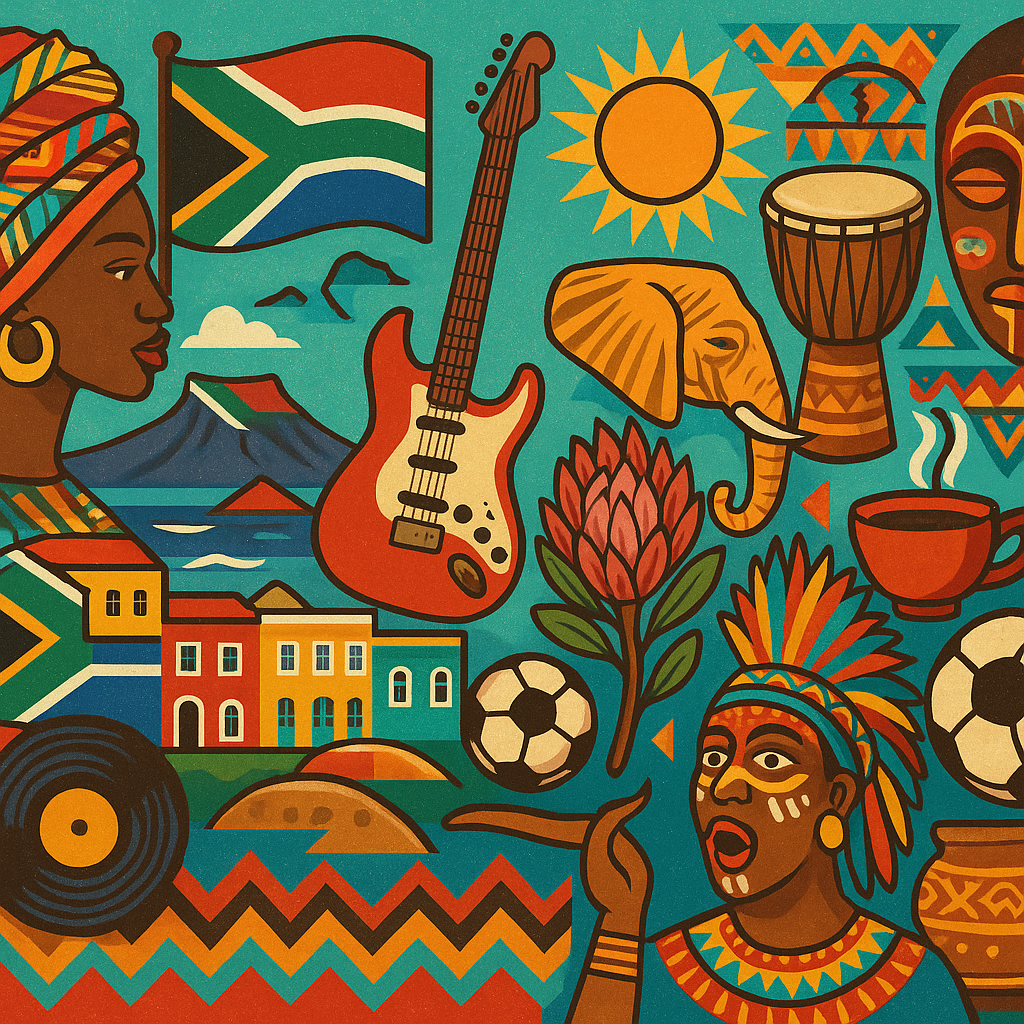
Explore Cape Town's vibrant cultural scene from Jan 30 - Feb 1: GLOW Film Festival, ARTNIGHT, Ramadaan Expo, & Stellenbosch FC!
Cape Town buzzes with cultural excitement during late January! While the GLOW International Film Festival 2026 was scheduled for January 29-30, 2026, the city offers many other cultural attractions and events throughout this vibrant period. Explore Cape Town's renowned cultural institutions and discover the dynamic arts scene that makes this city special. It's always a lively time in the Mother City!
What cultural events might be happening in Cape Town during late January?
Cape Town's cultural calendar during late January may include film festivals, art events, and cultural exhibitions, though specific programming varies by year. The city's established cultural institutions like galleries, museums, and performance venues typically maintain active programming during this summer period, offering visitors and residents diverse cultural experiences.
Get Cape Town news in your inbox
Stay updated with the latest stories from the Mother City.
The Mother City comes alive during the summer months, offering an extraordinary tapestry of creative expression and communal gathering. Visitors and residents alike discover a metropolitan landscape where cutting-edge innovation meets ancient tradition, and where the streets themselves often become galleries. This period captures Cape Town at its most dynamic - simultaneously rooted in South African heritage and engaged with global conversations.
Film Festivals: Where Cinema Meets Innovation
Reimagining Cinema Beyond the Theater
Cape Town's film festival scene has been exploring innovative approaches to how audiences experience moving images. Rather than limiting viewers to traditional theater settings, some festivals have experimented with utilizing Cape Town's dramatic physical spaces - the cragged face of Table Mountain, the stately facades of the Company's Garden, the industrial elegance of the V&A Waterfront.
According to industry reports, projection mapping technology has been increasingly used to transform heritage architecture into dynamic visual displays. Historic structures can become surfaces for luminous narratives that respond to their physical contours, creating dialogues between past construction and present imagination. This approach encourages filmmakers to reconsider fundamental relationships between image, space, and spectator.
Global Voices, Local Focus
Film programming in Cape Town often seeks to amplify diverse perspectives while maintaining international participation. Many festivals feature addresses tracing storytelling traditions across African societies - from shadow puppetry traditions to contemporary digital practice.
Creative practitioners frequently arrive from various countries including South Korea, Brazil, and Germany, each bringing distinctive approaches to visual narrative. Their contributions generate productive dialogue with local sensibilities, with festivals typically insisting on technical excellence as a prerequisite for inclusion, regardless of geographic origin.
Innovation and Environmental Consciousness
Many film events run concurrent innovation programs that pair emerging South African filmmakers with experienced professionals from Cape Town's substantial film production infrastructure. According to industry reports, these mentors often carry credits from major studio projects that have utilized the city's world-class facilities, transferring technical knowledge that might otherwise remain inaccessible.
Documentary selections frequently confront pressing regional challenges through inventive formal strategies. Some notable premieres have employed thermal imaging and data visualization to examine important issues like Western Cape infrastructure systems. Statistical information can become visceral experience through these imaging technologies, rendering complex topics in immediately comprehensible visual terms.
Art Events: Democratizing Cultural Access
Spatial Justice in Practice
Cape Town hosts various art events that work to dismantle barriers between established cultural institutions and broader publics. Some initiatives involve multiple galleries, museums, and unconventional spaces extending normal operating hours and creating illuminated pedestrian routes that connect dispersed locations into coherent exploratory experiences.
Recent editions of art events have explicitly engaged spatial justice - the distribution of cultural resources across a city marked by geographic segregation. Participating venues often include neighborhoods historically excluded from tourism itineraries and critical attention. The District Six Museum frequently anchors programming with interventions examining memory, forced removal, and contemporary displacement. Simultaneously, spaces in areas like Woodstock and Observatory platform emerging practitioners addressing gentrification pressures and creative economy challenges.
Performance and Participation
Evening art events often overflow with embodied art forms. Choreographed movements unfold in public thoroughfares; interventions can disrupt transport nodes with unexpected aesthetic encounters. The Cape Town Philharmonic Orchestra has been known to adapt its repertoire for outdoor settings like the Company's Garden, while electronic musicians collaborate with visual artists in warehouse environments that map the city's creative networks.
Bridging Artistic Ecosystems
Art events often construct connections between Cape Town's formal gallery infrastructure and the street art movement that has fundamentally reshaped urban visual culture over recent years. These domains typically operate with minimal intersection - institutional validation versus subcultural authenticity. Curatorial frameworks increasingly insist on productive dialogue, recognizing that both traditions contribute essential elements to the city's creative identity.
Cultural and Lifestyle Exhibitions: Faith, Fashion, and Family
Community Celebrations
Cape Town hosts various cultural and lifestyle exhibitions throughout the year that serve diverse communities. These events often arrive at strategically significant moments, enabling both practical preparation and cultural celebration while addressing material and contemplative dimensions of community life.
Exhibition scope typically exceeds narrow definitions, encompassing fashion, gastronomy, design, and comprehensive family programming. This breadth acknowledges the sophisticated markets that have developed within South African communities and their extensive networks spanning the African continent.
Global Fashion, Local Adaptation
Fashion pavilions at cultural exhibitions often present international arrays of designers from countries like Turkey, Malaysia, and Nigeria alongside established South African houses. These displays demonstrate how global aesthetic trends undergo modification for local climate and cultural context.
Technical textile innovation frequently receives emphasis. According to industry reports, fabric engineers have developed breathable materials suitable for Cape Town's variable temperature ranges. These advances solve practical problems that affect wardrobe choices in Mediterranean-climate communities worldwide.
Culinary Heritage and Contemporary Enterprise
Food exhibitions have expanded significantly in recent years. Live cooking demonstrations often feature chefs whose training encompasses diverse foundations before evolving into distinctive local expressions. Cape Malay culinary tradition - unique to the Western Cape - represents centuries of cultural synthesis now receiving institutional validation.
Small-scale producers from the surrounding Winelands often present artisanal products, including sophisticated beverages that have successfully penetrated markets beyond their original target consumers. This commercial expansion illustrates how specialized production standards can generate competitive advantage.
Contemporary Programming
Evening sessions at cultural exhibitions often confront contemporary relevance directly - examining traditional practices within contexts of modern challenges, questioning how cultural observance might inform rather than ignore structural issues.
Sports and Entertainment: Academic Excellence Meets Athletic Ambition
Professional Football in the Winelands
Professional football commands attention in the Cape Winelands region. Local clubs have shown compelling development trajectories, with some rising from provincial levels to achieve top-flight competitiveness, representing significant sporting development narratives.
Venues like the Danie Craven Stadium - long synonymous with rugby union - have undergone transformation. Natural amphitheater configurations, framed by encircling mountains, can generate atmospheric intensity that larger, more modern venues struggle to replicate. These physical settings often become competitive advantages.
The University Connection
Some football clubs' operational models attract attention from sports economists and development specialists. Institutional partnerships with universities can deliver access to sports science infrastructure, nutritional expertise, and performance analytics that match resources available to wealthier metropolitan competitors.
Academic connections often extend beyond immediate competitive advantage into player welfare. Educational programming can prepare athletes for occupational transitions inevitable in professional sport's compressed career span, acknowledging that athletic participation represents temporary identity requiring complementary skill development.
Matchday Experiences
Smaller capacity venues generate intimacy impossible in larger stadiums. Spectator proximity to playing surfaces can create measurable atmosphere and tangible home advantage beyond statistical abstraction.
Sustainable Development
Youth academies, sometimes situated on university land, have produced national team representatives. These pipelines offer sustainable alternatives to financial models that dominate much of South African football, where capital-rich clubs purchase established talent rather than cultivating local potential. Some clubs demonstrate that systematic development can compete with market purchasing power.
Practical Navigation and Extended Opportunities
Supplementary Cultural Programming
Beyond major events, Cape Town's institutional infrastructure sustains substantial cultural offerings year-round. Zeitz MOCAA maintains regular programming with emphasis on its permanent African photography collection. Kirstenbosch National Botanical Garden hosts concerts in its natural amphitheater, spanning classical, jazz, and indigenous musical traditions.
Logistics and Environmental Considerations
Event concentration can generate significant transportation demand. The MyCiTi bus system and ride-hailing services may experience peak pressure; municipal authorities sometimes deploy special traffic management protocols with strategic park-and-ride facilities. International visitors should secure accommodation well in advance - late January and February constitute peak summer season.
Weather generally cooperates with outdoor programming, though the Cape Doctor wind system can disrupt open-air events. Evening temperatures remain comfortable for extended activity, while summer's extended daylight hours enable scheduling impossible in northern hemisphere contexts.
This convergence of cultural sophistication, community celebration, athletic competition, and democratic cultural access illustrates Cape Town's maturation as a global destination maintaining irreducible regional character. The programming choices reveal metropolitan confidence in multiple, sometimes contradictory identities - and commitment to cultural participation that transcends traditional exclusion boundaries.
[{"question": "
What are the main cultural attractions in Cape Town during late January?
", "answer": "Cape Town's cultural scene during late January may include film festivals, art events, and cultural exhibitions, though specific programming varies by year. The city's established institutions like galleries, museums, and performance venues typically maintain active programming during this summer period, offering diverse cultural experiences for visitors and residents."}, {"question": "What makes Cape Town's film festivals unique?
", "answer": "Cape Town's film festivals have been exploring innovative approaches by utilizing the city's iconic landmarks like Table Mountain, the Company's Garden, and the V&A Waterfront. According to industry reports, projection mapping technology has been increasingly used to transform heritage architecture into dynamic visual displays, featuring global voices with strong local focus and highlighting innovative, environmentally conscious filmmaking."}, {"question": "How do art events promote cultural access in Cape Town?
", "answer": "Art events in Cape Town work to dismantle barriers between established cultural institutions and broader publics, with some initiatives involving multiple galleries, museums, and unconventional spaces that extend operating hours and create illuminated pedestrian routes. These events often address spatial justice by featuring venues in historically excluded neighborhoods and incorporate diverse performances, fostering dialogue between formal galleries and street art."}, {"question": "What can attendees expect at cultural and lifestyle exhibitions?
", "answer": "Cultural and lifestyle exhibitions in Cape Town offer comprehensive experiences encompassing fashion, gastronomy, design, and family programming. They showcase global fashion adapted for local contexts, feature live cooking demonstrations of local culinary heritage like Cape Malay traditions, and include contemporary programming discussing modern cultural relevance."}, {"question": "What is noteworthy about the region's sports scene?
", "answer": "The Cape Winelands region features professional football clubs with compelling development narratives. Some clubs benefit from university partnerships that provide access to advanced sports science, nutritional expertise, and educational programming for athletes. Venues like the Danie Craven Stadium offer unique, intimate experiences, and some clubs are recognized for sustainable talent production through their youth academies."}, {"question": "Are there any practical tips for visiting Cape Town during this period?
", "answer": "Due to potential event concentration, transportation may be in high demand, so utilizing the MyCiTi bus system or ride-hailing services is recommended. Municipal authorities sometimes implement special traffic management and park-and-ride facilities. It's advisable for international visitors to book accommodation well in advance as it's peak summer season. While generally pleasant, be aware of the 'Cape Doctor' wind, which can affect outdoor events."}]
Zola Naidoo is a Cape Town journalist who chronicles the city’s shifting politics and the lived realities behind the headlines. A weekend trail-runner on Table Mountain’s lower contour paths, she still swops stories in her grandmother’s District Six kitchen every Sunday, grounding her reporting in the cadences of the Cape.
View all articles →