
Premier Winde calls for action against unethical fuel suppliers
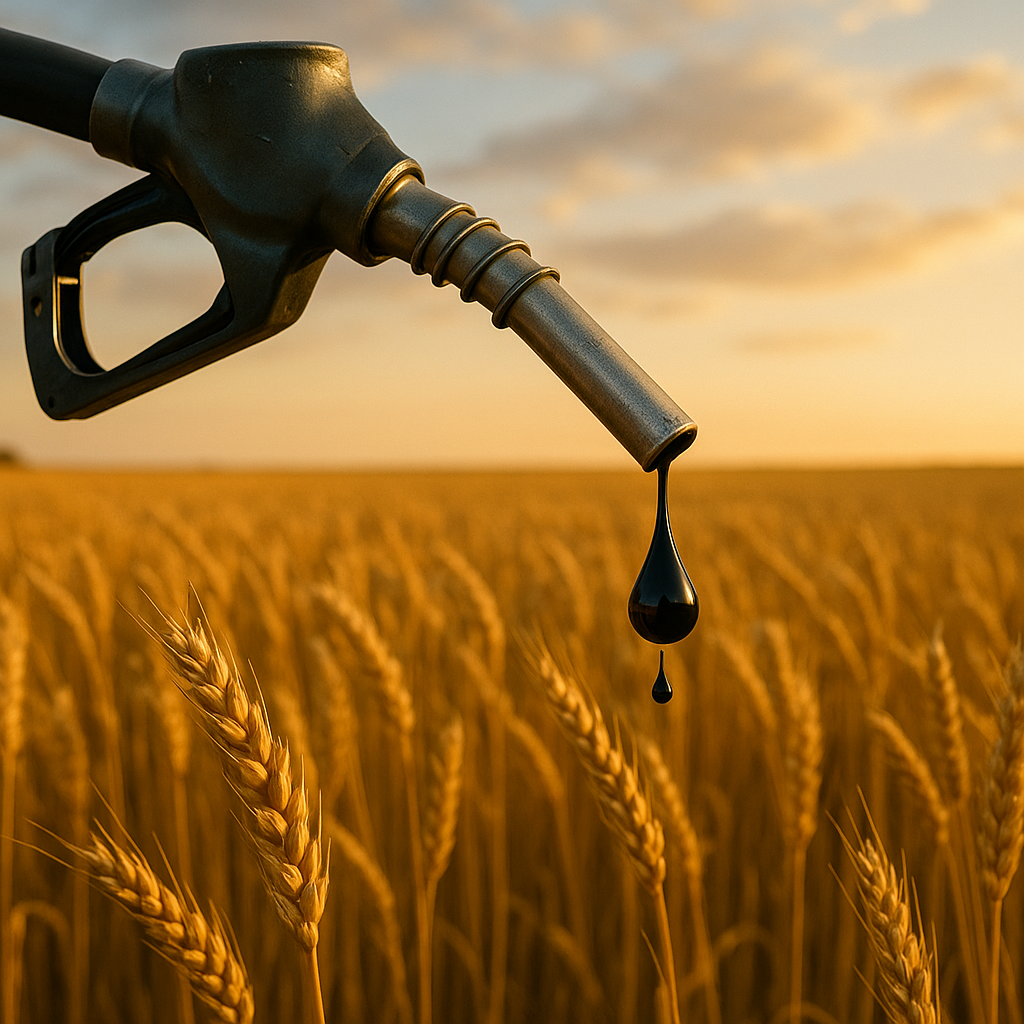
Western Cape faces a fuel crisis! Alleged hoarding and market manipulation threaten agriculture. Premier Winde calls it "economic sabotage."
The Western Cape is facing a big diesel problem! Some fuel companies are holding back millions of liters of diesel. They want to sell it later for a higher price after July 3rd. This is hurting farmers during harvest season, like turning off a hospital's oxygen. The Premier is very angry and calls it 'economic sabotage.' He wants the government to make these companies share the fuel right away.
Why is there a diesel shortage in the Western Cape?
Certain bulk fuel traders are allegedly stockpiling millions of litres of diesel, anticipating a significant price hike on July 3rd. This deliberate withholding, termed "economic sabotage" by Premier Alan Winde, aims to profit from the price increase, leaving rural dealers with insufficient allocations and resulting in widespread fuel shortages, particularly impacting the agricultural sector during harvest season.
Get Cape Town news in your inbox
Stay updated with the latest stories from the Mother City.
Silent Pumps, Loud Accusations
Cape Town – Pull into a country garage between Caledon and Riversdale and you will be greeted by a dangling green nozzle and an apologetic cashier. Wheat lands that should be buzzing with combines lie silent, and outside Mossel Bay hauliers queue like holiday-makers at a toll gate. Provincial government insiders are convinced the dry taps are not an accident of supply but a deliberate tactic: certain bulk traders are sitting on millions of litres, gambling that the July price hike will hand them an eight-figure windfall.
Premier Alan Winde turned up the volume on Monday, firing off a four-page missile to President Cyril Ramaphosa, Minister Gwede Mantashe and the Competition Commission.
"Holding back diesel from farmers at harvest time is no different from switching off a hospital’s oxygen," he wrote.
The letter, shown to our reporters, pins the label "economic sabotage" on unnamed oil companies and attaches a confidential map marking 62 retail sites that are “critically low” on 50 ppm diesel, 41 of them west of the Riviersonderend range where winter cereals and wine grapes must be brought in before the next cold front. Winde wants Mantashe to exercise Section 6(3) of the Petroleum Products Act and order stock re-distribution within 72 hours.
Why the Farm Belt Runs on Diesel
South Africa’s food chain is hooked on diesel: tractors, harvesters, irrigation pumps, pack-house chillers and reefers all sip from the same straw. The Western Cape alone generates more than half of the country’s farm export revenue – table grapes, citrus, apples, pears, wine and shellfish – so a fuel kink here punches a hole in foreign-currency earnings.
Grain growers are the most exposed. A single combine guzzles 120–150 ℓ every hour; with 185 000 ha of wheat ready, the provincial crop is valued at R5.4 billion. Each day past the optimal moisture window shaves 0.5 % off grain mass, roughly R27 million gone with the wind.
Perishables feel the squeeze next. A Paarl citrus estate despatches 18 refrigerated rigs nightly to Gqeberha port; last week six were cancelled because drivers could not be sure of a return-leg refill. A stationary reefer burns 45 ℓ daily to hold −1 °C; after 36 hours the load breaches EU protocol and the exporter faces a US$35 000 penalty per container.
Anatomy of a “Phantom Shortage”
The Fuel Industry Association claims the country closed last week with 19.8 days of diesel cover, well above the legal 15-day floor, and that two coastal vessels, Montfort and New Confidence, recently tipped 110 million litres into the V&A Multipurpose Terminal. If the cargo is here, why are pumps empty?
Market veterans outline a textbook inventory arbitrage:
- Wholesale licences linked to oil majors quietly shunt 10–12 million litres into private “tank farms”.
- The fuel is parked “on consignment” until the 3 July price adjustment, currently signalling a 73–81 c/ℓ rise.
- When the hike lands, holders pocket an instant R7–8 million per 10 million litres.
- Rural dealers who balk at pre-paying the inflated “rack” rate receive cut-rate allocations, hence the empty nozzles farmers encounter.
A logistics boss at one retail chain, unwilling to be named, says:
"We were told berthing delays kept our coastal parcel ashore. Vessel-tracking data shows both ships sailed on schedule; the diesel is simply locked in third-party tanks."
Courts, Crowds and Contingency Plans
The Competition Commission has opened a file. Commissioner Doris Tshepe warns that price-gouging in a supply emergency can draw fines of R1 million or 10 % of turnover. Shoppers and hauliers are invited to upload receipts where the pump price exceeds the gazetted ceiling by more than 5 %.
Proving market manipulation is tougher. Investigators must show collusion or “conscious parallelism”. They have subpoenaed daily stock reports from 17 coastal depots and blockchain manifests from Durban’s smart terminal. Early numbers reveal four traders withdrew stocks simultaneously on 11 June, hours after headlines of inland shortages first appeared.
By Thursday Mantashe had merely “noted” Winde’s plea and hinted at “industry self-correction”, triggering accusations of “national-passing-the-buck”. The Centre for Environmental Rights has lodged an urgent High Court bid to force the Minister to release 50 million litres to inland silos at Malmesbury, Vredendal and Riversdale within 48 hours; judgment is set for 2 July.
While lawyers argue, roadside ingenuity kicks in. The provincial transport department has relaxed axle-mass limits on the N7, squeezing an extra 200 000 ℓ a day out of the Cape Town terminal run. Transnet is rehabilitating the flood-damaged Saldanha-Ceres rail line to rail in 4 million litres by mid-July. Shoprite’s logistics wing has lent 50 mini-tankers normally used for groceries to shuttle 1.5 million litres from Durban, absorbing R2 million a day to keep shelves – and reputations – intact.
International precedent offers both hope and warning. Nigeria’s government suspended 12 trader licences after an 11-week hoarding spree in 2022 cost US$1.3 billion in lost GDP. France requisitioned stranded fuel stocks and deployed gendarme-escorted convoys to farms during a 2022 refinery strike, a move later upheld by the Conseil d’État.
Tech may soon make hoarding harder. SAPREF, Standard Bank and Singapore-based Partior are piloting a blockchain ledger that tokenises every litre from ship to nozzle, rendering hidden storage impossible without an immutable gap. Roll-out would need legal tweaks to recognise digital custody, but a 2026 debut is possible.
Back in Riebeek-Kasteel, Caltex owner Nazeem Salie watches his underground gauge sink below 3 000 ℓ. “I turn away thirty vehicles an hour,” he sighs. Outside Malmesbury, grain farmer Pieter van der Merwe has parked a R6 million John Deere S780. “If it rains this weekend, fifteen percent of my wheat lodges. That’s R3 million I’ll never recover.” At 3 a.m. in Hout Bay, abalone skipper Ricardo Koopman still waits for a 2 000 ℓ delivery. “Legal boats stay tied up; poachers don’t queue for diesel,” he shrugs.
The next ten days are critical. Watch the Competition Commission’s preliminary report on 5 July, Mantashe’s response to the court application, and the fuel-price announcement that could validate or wreck the hoarders’ wager. In the meantime, Winde’s real-time crowdsourcing portal – wcfuelwatch.gov.za – is logging thousands of pump-status photos, turning frustration into the largest open fuel-dataset South Africa has ever seen.
Harvesters, reefers and fishing skiffs now scan the sky for two things: rainclouds that could rot a season’s work, and tanker convoys that might still deliver salvation before the rot sets in.
Why is there a diesel shortage in the Western Cape?
Certain bulk fuel traders are allegedly stockpiling millions of litres of diesel, anticipating a significant price hike on July 3rd. This deliberate withholding, termed "economic sabotage" by Premier Alan Winde, aims to profit from the price increase, leaving rural dealers with insufficient allocations and resulting in widespread fuel shortages, particularly impacting the agricultural sector during harvest season.
What are the consequences of this diesel shortage?
The shortage is severely impacting the Western Cape's agricultural sector, especially during harvest season. Farmers are unable to operate essential machinery like combines and irrigation pumps, leading to potential crop losses, such as wheat losing market value daily. The food export industry is also affected, with refrigerated transport being cancelled, risking spoilage of perishable goods and incurring substantial financial penalties for exporters. Fishing operations are also disrupted, impacting livelihoods and potentially encouraging illegal activities.
Who is being accused of causing the shortage?
Premier Alan Winde has accused unnamed bulk fuel traders and oil companies of deliberately withholding millions of litres of diesel. He has labelled their actions as "economic sabotage" due to their alleged intent to sell the fuel for a higher profit after the anticipated price increase on July 3rd. This includes shunting fuel into private "tank farms" and parking it "on consignment" until the price adjustment.
What actions are authorities taking to address the crisis?
Premier Alan Winde has formally escalated the issue to President Cyril Ramaphosa, Minister Gwede Mantashe, and the Competition Commission, urging immediate intervention under the Petroleum Products Act to redistribute fuel stocks. The Competition Commission has opened an investigation into potential price-gouging and market manipulation, with warnings of significant fines. Additionally, the Centre for Environmental Rights has launched a High Court bid to compel the Minister to release 50 million litres to inland silos. Provincial authorities are also implementing contingency plans, such as easing axle-mass limits for fuel transport and rehabilitating rail lines for diesel delivery.
How are farmers and businesses being affected on the ground?
Farmers are facing dire situations, with combines idled and crops at risk of rotting if not harvested promptly. For example, grain farmers could lose millions in a single weekend. Perishable goods exporters are cancelling vital refrigerated transport, leading to potential breaches of international protocols and hefty penalties. Retailers like Caltex owner Nazeem Salie are turning away dozens of customers hourly, while abalone skippers are unable to operate, highlighting the widespread disruption across various industries reliant on diesel.
What long-term solutions or preventive measures are being considered?
While immediate actions focus on alleviating the current crisis, there are discussions around long-term preventive measures. One technological solution being explored is a blockchain ledger system, piloted by SAPREF, Standard Bank, and Partior, which would tokenise every litre of fuel from ship to nozzle. This system aims to create an immutable record, making hidden storage and hoarding much more difficult. Such a system, potentially debuting by 2026, would require legal adjustments to recognise digital custody of fuel. International precedents, such as Nigeria suspending trader licenses and France requisitioning fuel stocks, also offer insights into potential future governmental responses to similar crises.

Kagiso Petersen is a Cape Town journalist who reports on the city’s evolving food culture—tracking everything from township braai innovators to Sea Point bistros signed up to the Ocean Wise pledge. Raised in Bo-Kaap and now cycling daily along the Atlantic Seaboard, he brings a palpable love for the city’s layered flavours and even more layered stories to every assignment.
View all articles →