
Putin and Ramaphosa talk trade and peace in Ukraine
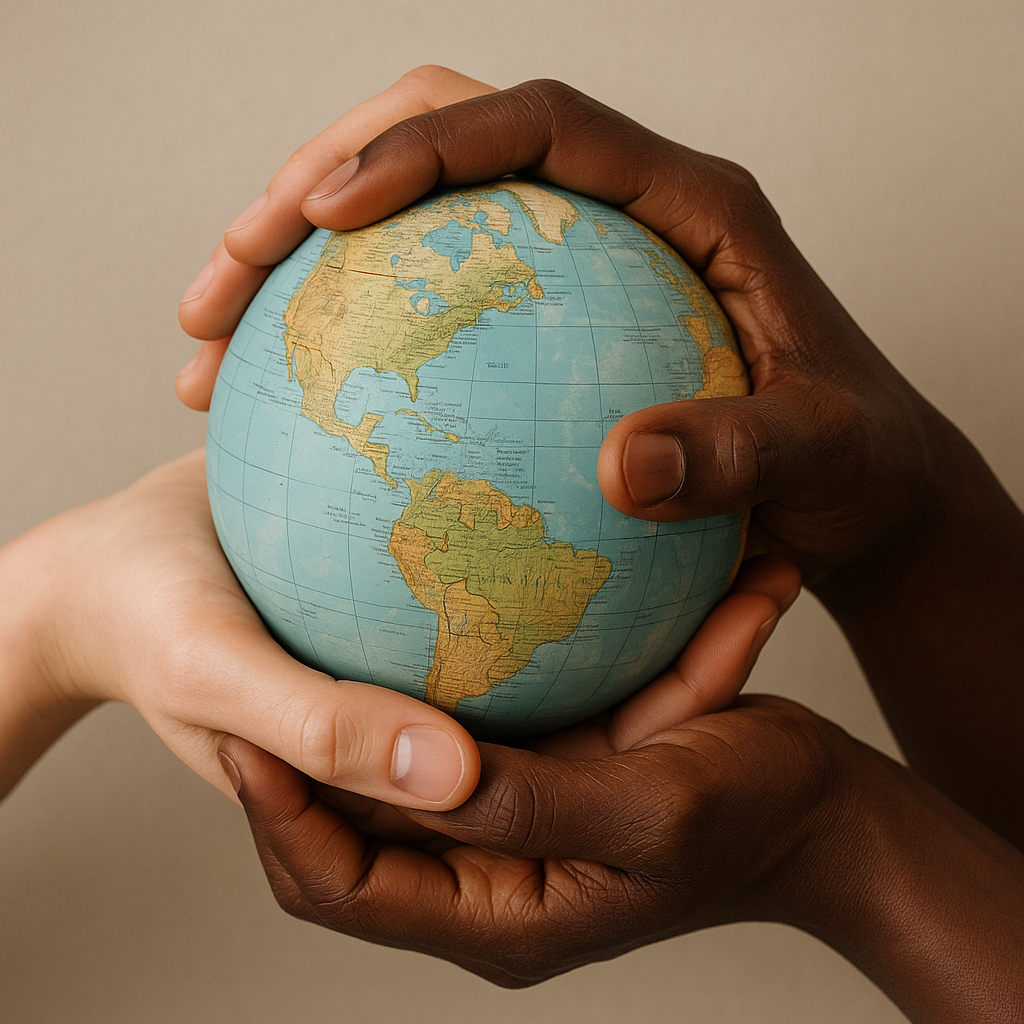
Putin & Ramaphosa's 30-min call reveals a new post-Western world order: de-dollarization, new trade routes, and shifted alliances.
A secret phone call between South Africa and Russia shows a big change happening in the world. They talked about new ways to trade, get energy, and even use different money, all without needing help from Western countries like the USA or Europe. This call is a sign that countries in the Global South are working together more, building their own systems for business and safety. They're making their own rules and deals, which means the old ways of doing things are quickly changing.
What is the significance of the Russia-South Africa 'red channel' call?
The encrypted call between Cyril Ramaphosa and Vladimir Putin on February 10, 2026, signals a major shift in global trade, finance, and security away from Western influence. This diplomatic 'red channel' facilitates direct communication and collaboration between Global South nations, bypassing traditional gatekeepers and fostering new economic and strategic alliances, exemplified by discussions on energy, trade, and defense.
Get Cape Town news in your inbox
Stay updated with the latest stories from the Mother City.
Section 1 – A Private Line, a Public Shift
No stenographer will ever release the tape, yet every snippet that slipped into view on 10 February 2026 is a pixel in a much wider picture: the planet’s trade, money and security grids are being rewired so they no longer detour through London, Brussels or Washington. Cyril Ramaphosa’s voice travelled over the Kremlin’s encrypted “red channel” to reach Vladimir Putin, and the two leaders were not trading holiday greetings for Diplomatic Worker’s Day. They were road-testing a diplomatic spine designed by and for the Global South, a project under construction since the first Russia–Africa summit in Sochi seven years ago.
The call connected at 15:12 Moscow time through a quantum-protected router Rostelecom installed inside South Africa’s Union Buildings in 2024. The same agreement handed MTN a 5G licence for the Russian Arctic. The box matters: it lets the two governments speak without bumping into a switch operated from the United States, a precaution Russia adopted after the 2022 freeze on half of its central-bank reserves. Pretoria, still embarrassed by the 2023 leak of a routine Ukraine discussion that popped up in the Financial Times after passing through Frankfurt, now keeps its sensitive traffic firmly inside this BRICS lane.
Hardware is only the first layer. The real story is what the men discussed once the line was secure: food, fuel, money, arms, diplomats and even television scripts. Each topic points to the same destination – a day-to-day operating system that no longer demands Western clearance.
Section 2 – Grain, Gold and Gas: Pricing Life in New Currency
Putin used the call to remind Ramaphosa that Moscow can double discounted diesel shipments to Eskom. In exchange, Pretoria will speed up an 800 MW floating gas plant destined for Coega harbour. Yamal LNG will feed the barge, but the price will track the forthcoming BRICS grain index, not the Dutch TTF hub, cutting African utilities loose from European price spikes.
The grain index itself is more than a reporter’s footnote. Johannesburg Stock Exchange will list it on 18 April, starting with wheat, maize and sunflower. A pilot deal on 28 January swapped 5 000 t of Russian wheat for 50 kg of South African medical-grade platinum; the tokenised contract cleared in fourteen seconds at a fee of 0.08 %, a sliver of the 7.2 % banks usually charge. Expect that demo to headline the G20 finance meeting in Durban come June.
Section 3 – Mediation, Mining and the Unmentionable Mercenaries
Ramaphosa repeated Pretoria’s standard line that it backs “diplomatic and peaceful efforts” on Ukraine. Those six words copy-paste from a 2025 non-paper circulated among the 36-nation BRICS Friends group. The plan suggests a cease-fire observed by Brazil, India, China and South Africa under a U.N. Chapter VI mandate, bankrolled through an IMF special-drawings allocation that admits the rouble and the rand. Putin indicated Russia could pause strikes on Novorossiysk during the G20 finance ministers’ gathering in Durban if Kyiv promises not to hit the port. Whether Ukraine agrees depends on a U.S. congressional green light for fresh ATACMS rockets, a decision tangled in America’s own debt-ceiling drama.
Mining followed foreign policy. Norilsk Nickel wants to join Implats in building a 30 t-per-year palladium and rhodium refinery at Coega. Russian membrane tech would lop sulphur-dioxide output by 60 %. Washington has sanctioned Russian palladium, but certificates of South African origin would open a back road into U.S. auto-catalyst plants. Ramaphosa demanded a 20 % black-empowerment share and a training school for 300 engineers; Putin countered with 150 tuition-free places at St Petersburg Mining University, provided graduates spend five years in Siberian pits – a soft-power echo of the Cuban doctors who trained ANC medics in exile.
“Consular issues” hid the sharpest thorn: about 470 South Africans, most of them ex-police or soldiers, serve in Wagner-linked protection teams in Mali and the Central African Republic. Seventeen have died since December. Putin agreed to route death benefits through the BRICS humanitarian channel used for Syrian medical cargo, so widows can be paid via South Africa’s Land Bank without tripping secondary sanctions. In return, Pretoria will merely abstain on a forthcoming U.N. Human Rights Council resolution demanding a tribunal on Wagner operations, stopping short of a veto that would split the cabinet.
Section 4 – Power, Propaganda and the Calendar That Seals the Deal
Eskom needs $2.3 billion to keep the 45-year-old Koeberg reactors alive until 2045. Rosatom offers 4.5 % interest and delivery of a VVER-1200 vessel by 2029, plus a pledge to buy 30 % of the required uranium from the dormant Shiva mine in the Northern Cape, a move that could reopen 3 500 mining jobs. France’s EDF counters at twice the interest rate and no uranium sweetener. Washington warns that choosing Rosatom will cost South Africa its AGOA trade perks, but AGOA expires in 2029, and the BRICS New Development Bank has already dangled a $1 billion contingency credit.
Culture is part of the glue. The Kremlin bankrolled “Red Horizon,” a nine-part streaming drama about the 1988 Cuito Cuanavale battle that pitted Cuban-Soviet units against apartheid forces. Filmed with South Africa’s eNCA, it drops on Showmax in August, weeks before Cape Town hosts the G20 leaders’ summit. Hashtags are already buzzing; #CuitoCuanavale trended second nationwide on the day of the presidents’ chat.
Next comes a timetable of quiet milestones. A Rosatom team lands at Waterkloof on 15 February to start Koeberg feasibility drills. On 3 March the first diesel consignment insured by the new Russo-South African mutual-fund docks at Coega. refrigerated containers for citrus leave Vladivostok for Durban in May, and on 30 June finance ministers will watch a tokenised platinum-for-wheat deal clear in seconds. By the Rio BRICS summit in September the settlement unit should be rubber-stamped for humanitarian use, legalising the payout channel for Wagner widows. Before year-end cabinet must decide whether to dust off the secret 1999 grain-for-tanks annex, while Rosatom and EDF file final bids for Koeberg on the same November afternoon.
The itinerary may slide, but the structure will not: rails, pipelines, fibre, insurance policies and university dorms are fastening the southern tip of Africa to the Eurasian core with ever-fainter fingerprints from Western middlemen.
What is the significance of the Russia-South Africa 'red channel' call?
The encrypted call between Cyril Ramaphosa and Vladimir Putin on February 10, 2026, signals a major shift in global trade, finance, and security away from Western influence. This diplomatic 'red channel' facilitates direct communication and collaboration between Global South nations, bypassing traditional gatekeepers and fostering new economic and strategic alliances, exemplified by discussions on energy, trade, and defense.
How are Russia and South Africa bypassing Western financial systems?
Russia and South Africa are developing new trading and financial mechanisms to operate outside Western systems. This includes using a BRICS grain index (listed on the Johannesburg Stock Exchange) for pricing commodities like diesel, and conducting tokenized transactions (e.g., Russian wheat for South African platinum) that clear in seconds with significantly lower fees compared to traditional banking. The BRICS New Development Bank also offers an alternative to Western financial institutions.
What specific energy deals were discussed between the two nations?
During the call, Russia offered to double discounted diesel shipments to South Africa's Eskom. In return, South Africa agreed to expedite an 800 MW floating gas plant at Coega harbour, which will be fed by Yamal LNG. Importantly, the price for this LNG will track the forthcoming BRICS grain index, rather than the European TTF hub, aiming to insulate African utilities from European price volatility. Additionally, Rosatom is bidding to extend the life of South Africa's Koeberg nuclear reactors with a favorable financial offer.
How are Russia and South Africa collaborating on mineral resources?
Norilsk Nickel intends to partner with Implats to build a palladium and rhodium refinery at Coega, utilizing Russian membrane technology to reduce sulphur-dioxide emissions. This project could provide a backdoor into the U.S. auto-catalyst market for Russian palladium by using South African certificates of origin, thus circumventing U.S. sanctions. There are also discussions about Russia purchasing uranium from South Africa's dormant Shiva mine.
What role does culture and media play in strengthening their ties?
Cultural initiatives are being used to reinforce ties. The Kremlin funded "Red Horizon," a nine-part streaming drama about the 1988 Cuito Cuanavale battle, which involved Cuban-Soviet units and apartheid forces. This series, filmed with South Africa's eNCA, is set to be released on Showmax, coinciding with the G20 leaders' summit in Cape Town, aiming to build a shared narrative and historical understanding.
What are the broader geopolitical implications of this 'red channel'?
The 'red channel' signifies a fundamental shift in global power dynamics, indicating that countries in the Global South are actively building independent systems for trade, finance, and security. This move challenges the long-standing dominance of Western gatekeepers (USA, Europe) and fosters new alliances, potentially leading to a more multipolar world order where economic and strategic decisions are made without requiring Western approval or involvement.
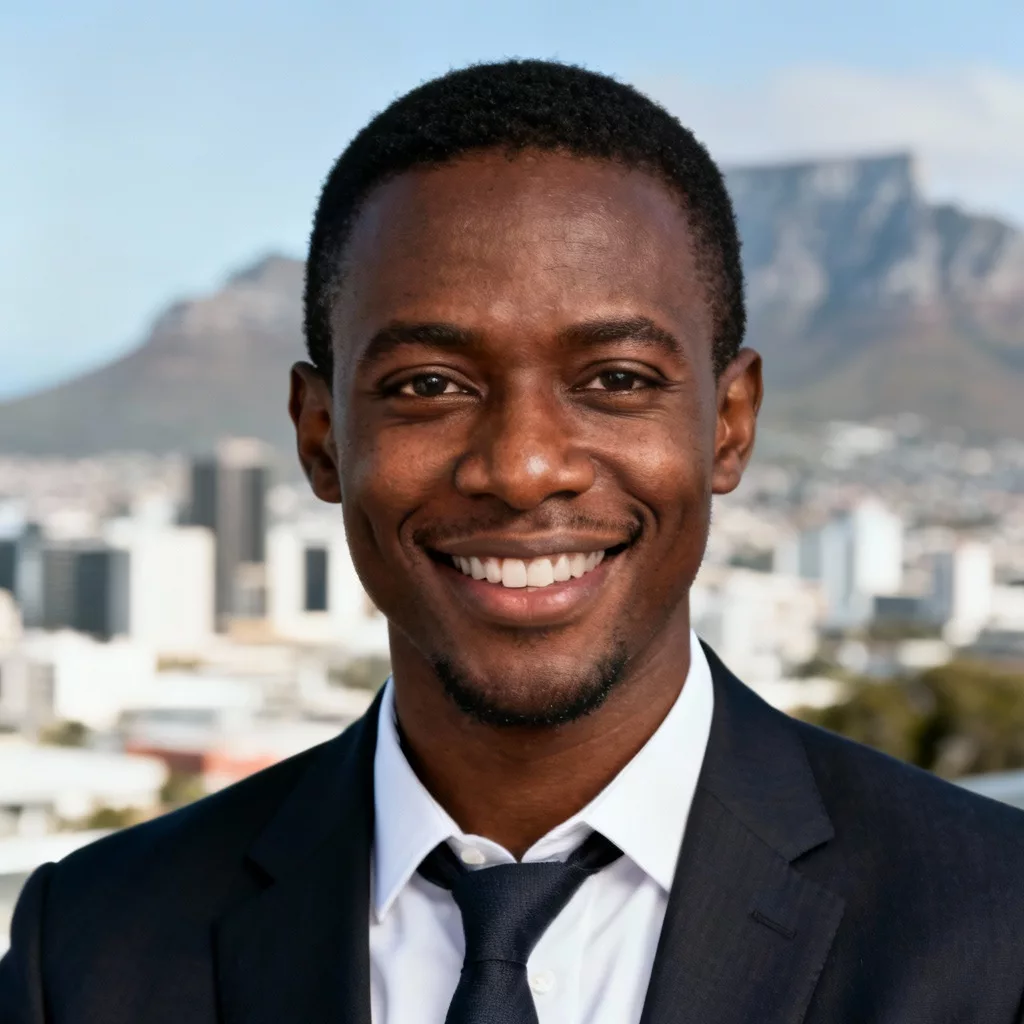
Sizwe Dlamini is a Cape Town-based journalist who chronicles the city’s evolving food scene, from boeka picnics in the Bo-Kaap to seafood braais in Khayelitsha. Raised on the slopes of Table Mountain, he still starts every morning with a walk to the kramat in Constantia before heading out to discover whose grandmother is dishing up the best smoorsnoek that day.
View all articles →