
SA’s only state transgender surgery clinic can help just four patients a year
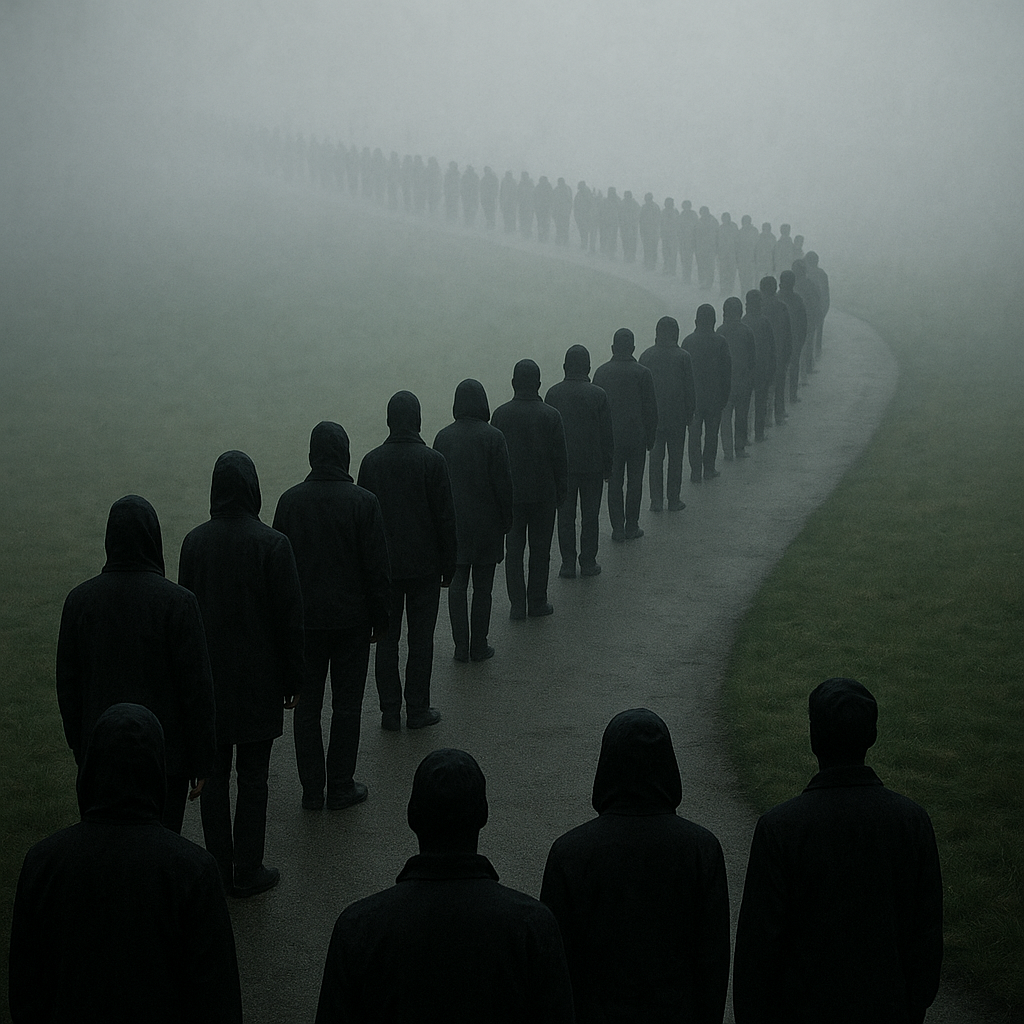
Explore the quiet mathematics of waiting for gender-affirming surgery in South Africa, where queues, budget limits, and societal factors create decades-long waits.
Transgender people in South Africa wait many, many years for gender-affirming surgery in public hospitals. It's because there isn't enough money, staff, or beds. This long wait can be decades, forcing some to find unsafe ways to get surgery. They often face hardship, and some even die while waiting, making the problem even worse.
How long do transgender individuals wait for gender-affirming surgery (GRS) in South Africa's public healthcare system?
Transgender individuals in South Africa's public healthcare system face extensive waiting periods for gender-affirming surgery. The process is lengthy due to bureaucracy, limited resources, and budget constraints, often extending to decades. This forces many to seek alternatives like private care or even dangerous informal procedures.
Get Cape Town news in your inbox
Stay updated with the latest stories from the Mother City.
1. A Line That Started Long Before the Hospital
Christien Odendaal’s first measurement wasn’t a tape or a scale - it was a balance: one girl behind the ribs, one boy on the skin. In rural KwaZulu-Natal the village acted as daily referendum, casting verdicts on a skirt or a haircut signalled. By the grey of forty-seven she had crossed sixteen hundred kilometres to Cape Town, but every mile had been pre-padded with earlier refusals - school toilets she skipped by not drinking, a church rail she was nudged away from, a graveside spot relatives suggested she vacate so as not to “unsettle the bereaved”. The hospital queue she finally entered was merely the latest ledger; the other rejections were never tallied, yet they lengthen the wait more than any spreadsheet dares to admit.
Every childhood corridor doubled as a checkpoint. A cousin’s whisper, a pastor’s glare, a classmate’s shove - each counted as a silent vote against the body she needed. Years before Covid the system rationed dignity in simpler ways: locked doors, empty water bottles, invitations that never arrived. These earlier inspections did not carry appointment numbers, yet they set the survival odds for any future list. By the time she reached Groote Schuur she had already spent decades rehearsing patience, which is the one prerequisite nobody advertises for.
2. A Corridor the Colour of Bureaucracy
Step off the fifth-floor lift at the old main building and you enter a hallway painted what staff call “public-service beige”. Four rooms no bigger than a small-town lounge house the Transgender Health Clinic. On Tuesdays the air carries the citrus of perfume-strip testers; patients arrive hours early and practice futures on scraps of white cardboard. One shelf holds dog-eared magazines and one laminated A4 page whose arrows read like a treasure map: Triangle referral → psych → endocrine → social work → surgeon → theatre. The map is linear in ink, merciless in life. Some arrows loop, some retreat, some simply fade.
In the endocrinology nook a nurse sticks a cartoon timeline titled “Changes Might Include”. No promise is printed; only the adverb maybe guards every bullet. At three months maybe pitch descends, maybe breasts bud. At one year maybe Adam’s apple softens, maybe hips arc outward. The body keeps its own archive and refuses rush orders. Still, for many, the first prescription feels like a passport - Jackye Majawie calls the monthly injection “a slow stamp telling me I’ve left boy-country even though the next land is still oceans away”.
3. Budget Lines That Outrank Blood Lines
Dr Kevin Adams owns two calculators. One is generic; the other, supplied by a device firm, turns operating minutes into rands with a single tap. A vaginoplasty devours eight to nine theatre hours, R84 000 in disposables, four inpatient days, three return visits - and one of four annual “plastic-slots” Treasury grants the province. That slot is priceless because it guarantees a fully crewed theatre from eight to five, a resource no donor can purchase when staff overtime is capped. Adams types R10 million into the customised calculator; the margin reads: queue shortens by four. The leftover remain decimals in the state’s ledger, breathing.
The gap between private and public is a domestic migration route no census tracks. Twenty-three accredited plastic surgeons offer affirmation surgery outside the state, clustered in Rosebank, Claremont, Umhlanga. Fees run R160 000–R220 000 for vaginoplasty, R70 000 for chest reconstruction, R45 000 for orchiectomy. A medical aid will sometimes stamp “medical necessity” across the bill, provided the member brings two psychologist letters, one psychiatrist note, twelve months of hormones, and a motivational letter that avoids the word identity. Even then the co-payment averages thirty-five percent. A security guard bringing home twelve thousand rand owes three years of rent for one procedure. People move to cities not for jobs but for proximity to a line they still cannot afford to leave.
4. Waiting Rooms of Our Own Making
During the first Covid wave the clinic shut for five months; theatre time was funneled to emergency caesareans and shattered bones. Four patients on the cusp of surgery attempted suicide; two died. Their names vanished from the Excel sheet, shortening the queue and lengthening the hush. Carol Lennon, a nurse,, keeps a soft-covered notebook titled “Book of Unbecoming”. Each row lists first referral date, last unanswered message, and the story relayed to frantic relatives - “took a job in Joburg”, “joined a church programme” - while the real cause sits in brackets: (gone). She never mails corrections; she simply turns the page.
Across social platforms, patients invent stokvel-style “surgery circles”. Twenty members tip R500 a month; once a year a lottery names one person who collects R120 000. Anyone hospitalised after a suicide attempt gets an extra ticket, yet the math remains harsh: expected wait, twenty years. Some circles broker package tours to Chennai or Bangkok - surgery plus flights plus ten-day rest for R95 000 - but passports, visas and annual leave elude domestic workers. Meanwhile township pumping parties peddle industrial silicone at R200 a litre. Within months abscesses bloom, silicone drifts to lungs, and septic breasts commandeer the very emergency theatres that bump scheduled gender cases. The queue grows longer under the banner of triage.
While calendars crawl, micro-utopias appear. Once a month Triangle Project hosts “Dress-Up & Dialogue” in Athlone. Clothes rails read “Pre-HRT”, “Six Months”, “Post-Op”, letting newcomers measure cloth against possibility. A retired drag queen teaches contouring with R12 eyeshadow; a granny hands out samoosas and perfect pronouns without being asked. These nights do not carry surgical outcome data, yet they craft an intangible archive of gestures, recipes, and survival tricks - what Lennon calls “holding the frame until the picture loads”.
In the surgeon’s late-night spreadsheets lies a fantasy ward: six theatres humming five days a week, convalescent rooms facing the Atlantic, waiting time counted in weeks instead of decades. Medically doable, politically unthinkable. A private file titled “If Budget Was Infinite” lists every deferred name since 2015 and a single cell summing the years of life saved if suicide risk fell to the general-population baseline. The total reads 1 742. Adams never attaches the file to his budget plea; the figure feels like extortion. He closes the laptop, returns to the corridor that still smells faintly of tester perfume, and prepares tomorrow’s four irreplaceable slots.
How long do transgender individuals wait for gender-affirming surgery (GRS) in South Africa's public healthcare system?
Transgender individuals in South Africa's public healthcare system face extensive waiting periods for gender-affirming surgery. The process is lengthy due to bureaucracy, limited resources, and budget constraints, often extending to decades. This forces many to seek alternatives like private care or even dangerous informal procedures.
What are the primary reasons for the long waiting times for GRS in South Africa?
The extensive waiting times are primarily due to a severe lack of funding, insufficient staff, and a shortage of available hospital beds. Public hospitals are allocated a very limited number of surgical slots for gender-affirming procedures each year, making the queue exceptionally long. Bureaucratic hurdles and a complex referral system further exacerbate these delays.
What challenges do transgender individuals face while waiting for GRS?
While waiting for GRS, transgender individuals face numerous hardships, including psychological distress, social rejection, and discrimination. Some are forced to seek unsafe, informal surgical procedures due to the long wait, which can lead to severe health complications and even death. The emotional toll of waiting for decades can also lead to increased rates of mental health issues, including suicide attempts, with some individuals tragically dying while on the waiting list.
How does the public healthcare system's GRS provision compare to private options in South Africa?
The public healthcare system offers GRS at no direct cost to patients, but with a waiting period that can span decades. In contrast, private healthcare offers significantly shorter waiting times, but at a substantial financial cost. A vaginoplasty in the private sector can range from R160,000 to R220,000, while chest reconstruction costs around R70,000. These costs are prohibitive for most, creating a significant barrier to access.
Are there any support systems or alternative solutions for transgender individuals in South Africa while they wait for GRS?
Yes, various support systems and alternative solutions exist. Community-led initiatives like "surgery circles" allow individuals to pool funds for one person to receive surgery annually, though the wait is still long. Some individuals also explore package tours for surgery in countries like Thailand or India, which offer more affordable options. Additionally, organizations like Triangle Project provide safe spaces and support through events like "Dress-Up & Dialogue," fostering a sense of community and offering practical advice.
What are the potential consequences of the prolonged GRS waiting times in South Africa?
The prolonged waiting times have severe consequences, including significant psychological distress leading to increased suicide attempts and deaths among patients. It also forces individuals to resort to dangerous, unregulated procedures or to live for decades in bodies that do not align with their gender identity. This long wait effectively denies transgender individuals timely access to essential healthcare, impacting their overall well-being and human rights.
Oliver Daniels is a Cape Town journalist who chronicles the intersection of food, migration and identity in South Africa's kitchens—from wood-fired Gugulethu braai spots to Constantia vineyards. Born and raised on the slopes of Devil’s Peak, he still starts each week with a dawn walk across Table Mountain to catch the first Atlantic light before filing copy.
View all articles →