
South Africans abroad rank among the world’s most homesick
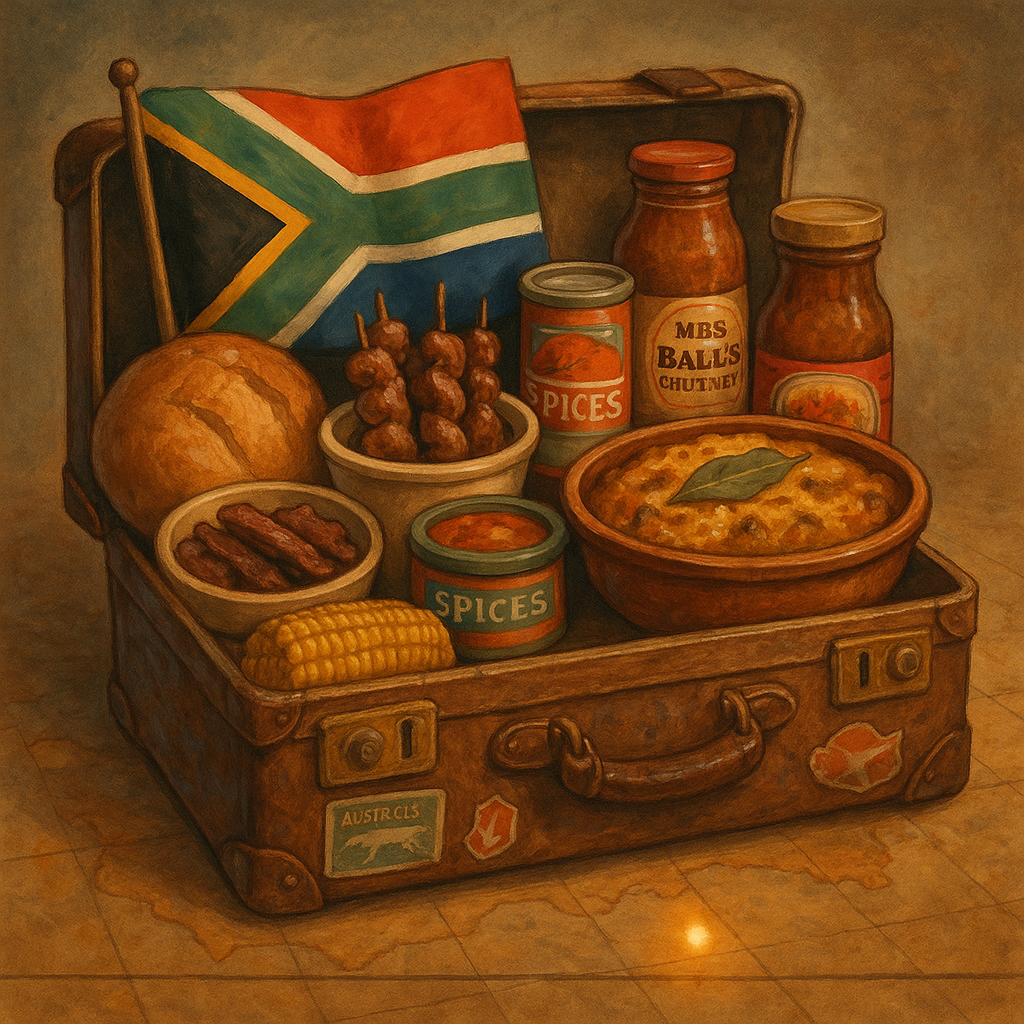
Exploring the complex emotional journey of South African migrants abroad, from homesickness to recreating home through food, rituals, and technology.
South Africans abroad deal with homesickness by creating their own 'homeland' in their minds. They bring food from home, send money to family, and even pretend to have power outages like in South Africa. They also use technology to talk to loved ones but know it's not the same as being there. They keep their culture alive through language and rituals, always dreaming of what they'll do when they return home.
How do South Africans living abroad cope with homesickness?
South Africans abroad cope with homesickness by recreating elements of home, such as importing food, performing financial transactions for family, staging mock load-shedding, and using technology to connect with loved ones. They also maintain cultural identity through language and rituals, continuously updating a mental list of
Get Cape Town news in your inbox
Stay updated with the latest stories from the Mother City.
1. The Take-Off Promise and the First Smell of Theft
The moment the cabin bulbs dim above OR Tambo, every migrant signs an unwritten treaty with altitude. The Boeing vaults into the Highveld darkness and the mining-belt sparkle that once back-lit Friday-night rugby shrinks to a thumbnail shimmer. At 35 000 feet you strike the first bargain: you vow to keep trilling that treble-r in “lekker”, even if the Dublin or Toronto passport desk already guillotined your surname to something his mouth can chew. Whispered to the window, the pledge becomes the cornerstone of a do-it-yourself country you will spend years redesigning in your head.
Homesickness, the surveys insist, is measurable; what they never plot is its ninja entrance. No sobs, just an ambush in aisle three: the Canadian checkout girl chirps “have a good one” instead of “cheers” and the missing syllable punches the air out of you faster than January frost. Later, a London pub flyer screams “REAL SA BRAAI TONIGHT”. Paraffin-flavoured smoke drifts over the courtyard, your shoulders drop, you almost ask whose round it is for the brandy-and-Coke, then notice the green-and-gold shirts still have price tags. The jolt is tectonic, as though the old mine-dumps outside Joburg just shifted again beneath your shoes.
2. Edible Souvenirs and the Mathematics of Almost
Comfort is cheapest when it can be eaten, so luggage groans with shrink-wrapped rusks, foil-slab chutney and double-bagged rooibos. Once shelved abroad, however, the stash turns museum exhibit: one Safari peanut packet can survive three Finnish winters because snapping it open would confess that your return ticket is still mythical. You become an underground food detective: Argentinian sausage stuffed by a Texan who once dated a Bloemfontein girl; Calabrian ’nduja that masquerades as Durban curry if you squint and stir in apricot jam. Every mouthful is scored on a secret 10-point closeness scale, arithmetic nobody at the dinner table knows you’re running.
At 03:00 - what used to be 05:00 back home - you perform the nightly currency tango. Rand, dollar, pound, dirham flicker across the inside of your eyelids like a broken stock ticker. You open the banking app, fire last week’s salary to a Capitec purse so a Pretoria nephew can buy school socks. The fee is R147; you translate it into two Amsterdam pints, one London tube ride, half a Dubai salad - then hit “confirm” anyway. The receipt spits out faster than a taxi shooting a red robot and becomes the closest thing to touching your mother’s shoulder.
3. Digital Bridges, Compressed Laughter and DIY Load-Shedding
Tech salesmen promise a seamless bridge; they deliver a hall of mirrors. WhatsApp squeezes December-pool laughter into metallic barks; Zoom turns cousin Nandi’s newborn into a glitchy constellation of beige squares. You become a lag-linguist: a two-second delay equals a Vodacom tower in the former Transkei, 400 ms screams Sandton fibre. Love gets pencilled into Outlook - “Call Home” squeezed between shift-end and the host-country nightly news - for forty minutes you are barefoot on imaginary Pretoria grass while colleagues think you’re auditing spreadsheets.
To plug the holes, expats invent micro-holidays. In Melbourne they trip the mains, ignite candles and stage “Stage-Four load-shedding” until the imaginary Eskom blesses them with power again. In Seoul, teachers watch sunrise at 07:00 local, midnight in Cape Town, because dawn is the only event both hemispheres attend live. Korean rice-flour koesisters sink like golf balls, but carrot-juice syrup dyes them the mandatory radioactive orange and everyone chews in reverent silence. The ritual does not copy home; it jury-rigs a skeleton from memory and hopeful glue.
Language shape-shifts even faster. Within half a year you own an internal toggle: crisp English for clients, hybrid slang for Dad’s voicemail. “Hey Pa, forecast says flats of snow tomorrow, so I’m rocking the beanie - ja, the one that makes me look like a farm-fashion victim.” Colleagues call it genius code-switching; they never realise the stunt is homesickness in drag, each swivel a flare that shouts, “I still belong.”
4. Weather Betrayals, Calendar Battles and the List That Never Closes
You brace for polar nights but nobody warns you about the violence of endless blue skies. In Vancouver another postcard dawn feels like gloating; you crave thunder, crave the Highveld bruising itself violet so the first fat drops can smack the dust. You stalk Windguru the way exes stalk Facebook, hungry for a green Doppler blob crawling over the Drakensberg. A woman in Frankfurt shells out €18 monthly for a Kruger live-stream; she falls asleep to cicada hiss and distant hyena whoops, phone glowing like a tiny veld fire under her duvet.
Office life turns into perpetual translation. You book December leave in June because “summer” is non-negotiable in your boss’s hemisphere. HR files 16 December under “religious observance” after you explain Reconciliation Day is heavier than beer and braai. When the Boks charge, you tilt your phone under the desk, knee jerking against the CPU in Morse that spells try-scoring ecstasy. The Springbok win is yours alone; open-plan ears will never grasp why one yelp equals national oxygen.
Children inherit a split-screen birthright: your London toddler trills “Baby Shark” like the Duchess yet IDs a hadeda on a flashcard. You read her the kiddie Mandela biography, praying the baby-language paragraphs still weigh enough to moor her. She will never breathe petrichor on tar, so you uncap a jar of damp potting-soil for bedtime whiffs, a fragrance you label “First Drops”. One day she questions your “veld” with a phantom “t” and you feel the ancestral elastic fray; evening is lost to YouTube phoneme boot-camp for both of you.
Governments tot up remittances in GDP columns; they cannot tally the emotional surcharge. The cost is the Tuesday you weep for a Saturday funeral, the wedding bouquet you catch over Facebook Live, the clod of foreign garden-soil you fling into a houseplant because you cannot throw sand on a pine coffin. When the rand claws back two cents you feel a burst of triumph - your next 3k will cost four dollars less - then loathe yourself for thinking forex over fresh graves.
Still, the loop stays open. Every migrant nurses an invisible scroll titled “When I’m Back”, updated nightly: first food, first dawn, first billboard promising Wimpy breakfasts. The longer you stay, the longer the scroll, until it holds entire weather systems: the tar smell of the N1 after rain, the squeak of a Pick n Pay trolley, the airport-shuttle driver who says “shap” instead of goodbye. You cannot tell if the list anchors you or proves the past unreachable; you only know it is ballast. Without it the night would be darker, the new passport oath weightless, the drift unstoppable.
How do South Africans living abroad cope with homesickness?
South Africans abroad cope with homesickness by recreating elements of home, such as importing food, performing financial transactions for family, staging mock load-shedding, and using technology to connect with loved ones. They also maintain cultural identity through language and rituals, continuously updating a mental list of what they'll do upon returning home.
What are some common ways South Africans maintain their cultural identity while living abroad?
South Africans living abroad maintain their cultural identity through various means. They consciously preserve their language, using specific pronunciations and slang like 'lekker' and 'ja'. They also engage in rituals that mimic home, such as staging 'Stage-Four load-shedding' with candles or watching the sunrise at a time that aligns with dawn back in Cape Town. Food plays a significant role, with expats importing traditional items like rusks, chutney, and rooibos tea, and even creatively finding substitutes for South African dishes.
How does technology factor into the experience of South African expats?
Technology serves as a crucial, yet imperfect, bridge for South African expats. While platforms like WhatsApp and Zoom allow them to connect with loved ones, the digital experience often falls short, with audio compression and video glitches diminishing the quality of interactions. Expats develop 'lag-linguistics' to interpret delays and schedule calls carefully to align with home time zones. Despite its limitations, technology facilitates essential connections, such as sending money to family back home.
What emotional and financial sacrifices do South Africans abroad often make?
South Africans abroad face significant emotional and financial sacrifices. They experience a deep sense of loss, missing important family events like funerals and weddings. There's a constant internal struggle, where financial considerations, like the exchange rate's impact on remittances, can clash with profound personal grief. The act of sending money home, even with associated fees, becomes a tangible way to maintain a connection and provide support, despite the personal cost.
How do South African expats keep the dream of returning home alive?
South African expats continuously nurture an 'invisible scroll' titled 'When I'm Back'. This scroll is updated nightly with a growing list of sensory experiences and everyday moments they look forward to upon their return. This includes specific foods, the smell of the N1 after rain, the sound of a Pick n Pay trolley, and familiar greetings. This detailed mental list serves as a constant source of hope and a powerful ballast against the feeling of drift, reinforcing their connection to their homeland.
What unique challenges do expat children of South Africans face?
Children of South African expats often inherit a 'split-screen birthright', navigating two cultures simultaneously. While they might adopt the language and customs of their host country, their parents make concerted efforts to introduce them to their South African heritage. This can involve reading them biographies of figures like Mandela, using traditional language, and even recreating sensory experiences like the smell of 'First Drops' (petrichor). These children might struggle with accents or specific cultural references, leading to efforts by parents to bridge this cultural gap.

Sizwe Dlamini is a Cape Town-based journalist who chronicles the city’s evolving food scene, from boeka picnics in the Bo-Kaap to seafood braais in Khayelitsha. Raised on the slopes of Table Mountain, he still starts every morning with a walk to the kramat in Constantia before heading out to discover whose grandmother is dishing up the best smoorsnoek that day.
View all articles →