
South Africans love their homes more than anyone else, global study finds
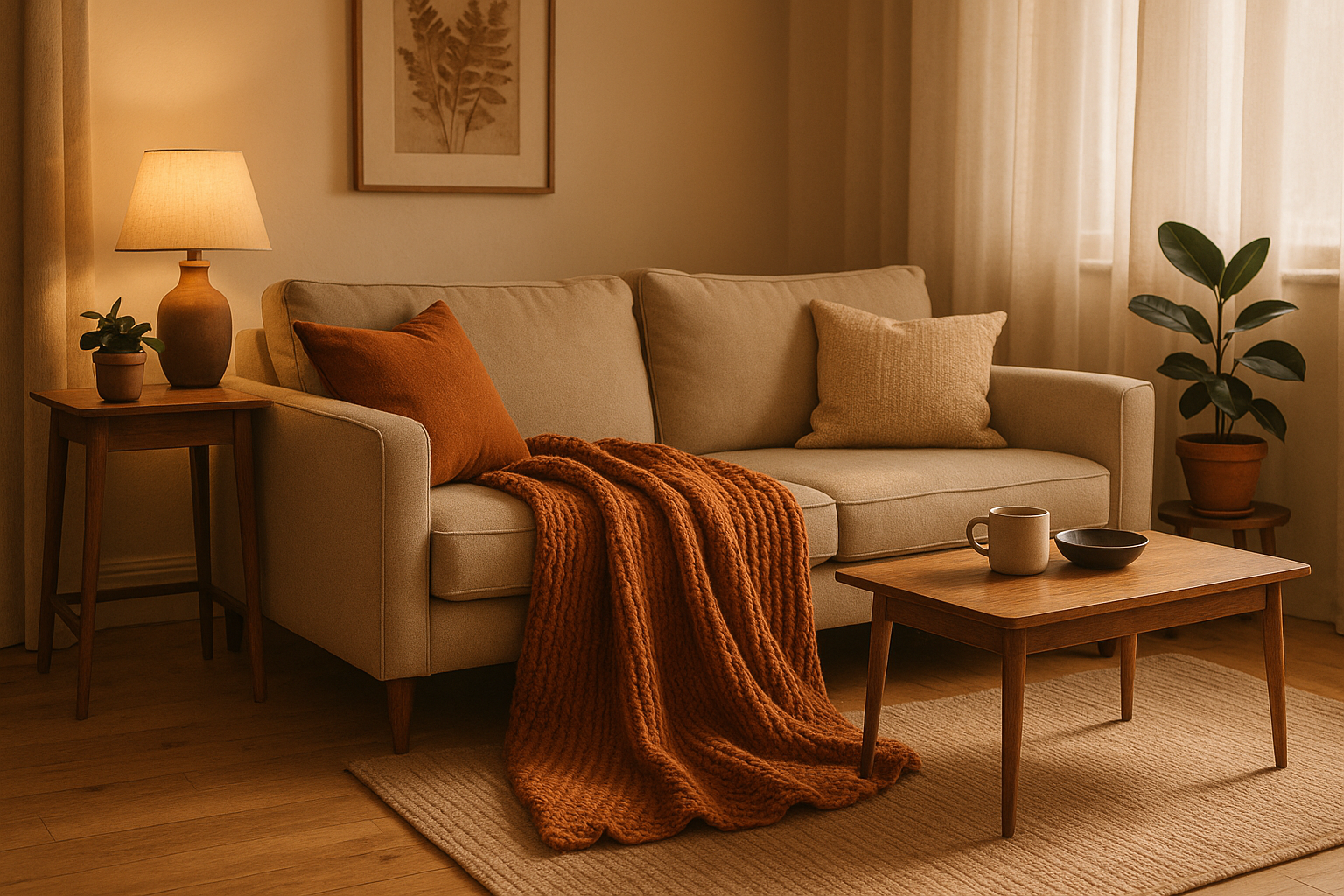
Discover why South Africans prefer their couches to clubs! Learn how history, climate, and culture make home the ultimate haven.
South Africans are homebodies, loving their houses more than anyone else in the world, scoring 74.3 out of 100 in a global survey. They often choose staying home over going out, even turning down invitations. This isn't because they're shy or broke, but because they genuinely prefer their own space. It's a mix of long commutes, power cuts, and a strong culture of home gatherings like 'braais'. Science even shows people are calmer at home. So, for many, happiness is found on the couch, not in a club.
Why do South Africans prefer staying at home?
South Africans prefer staying at home due to a unique blend of factors. These include long commutes, frequent load-shedding, a cultural emphasis on home-based gatherings like 'braais' (barbecues), and even scientific findings suggesting that home provides a calming, restorative environment.
Get Cape Town news in your inbox
Stay updated with the latest stories from the Mother City.
A Global 74.3–Point Love Letter to the Front Door
Stats can sound boring, until you discover that an entire nation just scored 74.3 out of 100 for “how fiercely they adore their own homes.” British furniture specialist Sharps ran that survey, and South Africa outranked every other country on the planet. A companion “Homebody Index” tallied 95 out of 100, while a cheeky 44 % of citizens confess they “turn down invites just to stay put.” That is not shyness, poverty, or pandemic fallout in disguise. It is a deliberate lifestyle choice wrapped in sunshine, song, and the smell of chops on an open flame.
Picture the moment. A key turns, the latch clicks, and an invisible weight slides off your shoulders. Somewhere in that tiny, involuntary sigh, sixty million people send the same telepathic message: “Tonight, we’re not going anywhere.” The rest of the world may queue for speakeasies, rooftop sushi or sunrise raves, but the majority here have switched the metaphorical neon “CLOSED” sign on and tuned the TV to rugby.
The numbers look like punch-lines to a cosmic joke. They hint that South Africans have cracked a secret code: happiness is not found on a guest list; it is waiting on the couch, remote in one hand, brandy in the other.
Weather, Wheels and Watts: The Economics That Keep Us Inside
The commute is the first jailer. Urban drivers gift roughly eleven full days per year to brake lights and bumper stickers on the N1, M5 or whichever arterial vein feeds the city. By the time the engine cools and the seatbelt clicks off, the idea of driving anywhere - especially back into gridlock - feels like volunteering for punishment.
Load-shedding plays referee next. Eskom’s rolling blackouts turn nightlife into Russian roulette: will the bar go dark before last call, or will the couch win again under a battery-powered LED lamp? When uncertainty knocks, familiar candle-lit walls answer.
Architects notice the ripple. Greg Truen from Cape Town says every new brief now opens with the same sentence: “Blend the inside with the outside.” Sliding stack doors, weather-proof televisions and built-in braai alcoves have become non-negotiable. Estate agents swear that a house lacking a “braai room” lingers on the market a third longer, regardless of its price tag. Sunshine helps: the country enjoys about 2,500 hours of it every year. That is double London, double Vancouver. December nights stay balmy past midnight; Highveld winter afternoons beg for a hoodie and a firepit. Why pay a cover charge when the garden is already warmer, prettier and Wi-Fi-enabled?
Ubuntu in the Kitchen, Bluetooth on the Windowsill
Local culture refuses to treat the living room as a holding cell before the “real” party elsewhere. Ubuntu - I am because we are - shows up in pots the size of satellite dishes and aunts who arrive before sunrise to start them. Birthday celebrations are not bookings at a tapas bar; they are cousins stoking coals at 6 a.m. while a Bluetooth speaker balances on a windowsill, volume tweaked so the amapiano bassline respects the crickets.
Each generation layers fresh memories onto the same square footage. Grandparents still call the lounge “the front room,” parents remember installing the first indoor loo, teenagers have annexed the garage for TikTok rehearsals. Between jacaranda or pomegranate branches, smoke curls from curried chops sharing fire space with boerewors. These rituals survived 1980s curfews, 2010 street parties and 2020 banana-bread boredom. The house is not curated for Pinterest; it is curated for story.
Language itself conspires. People “fetch” friends rather than “meet” them. A plate is always “made” for the security guard who minded the street during the festivities. Even sport is domestic. Rugby is played in stadiums, yet it is properly viewed on a sofa, remote passing like a sacred relic while a laundry tub of ice keeps the beers honest.
Cortex on the Couch: Science, Retail and the Future Block
Neuroscientists at Stellenbosch wired 120 Capetonians with portable EEG headsets and compared brainwaves on a night out versus a night in. The verdict? Alpha-wave calm - the signature of relaxed alertness - jumped 34 % when subjects lounged on their own couches. The paper, playfully titled “Couch Cortex,” argues the domestic space acts like an emotional battery charger.
Retail has read the memo. Breweries sell “crowler” cans - 32-ounce sealed growlers - for the braai that starts at 11 a.m. and ends when the last uncle leaves after midnight. Furniture stores rent-to-own firepits sized to fit a Corolla boot, because December reunions in Transkei demand portable joy. Woolworths advertises cable-knits and velvet slippers under the line “Stay Home, Stay Fabulous.” Even Woolies tacitly admits loafing is now a style choice, not a Saturday accident.
City planners and developers watch the trend reshape budgets. Reliable refuse collection and neighbourhood patrols suddenly outrank flashy downtown footbridges, because the party stops at the gate. Vertical stacking loses ground to horizontal patios; fibre roll-outs top 60 % of suburbia, turning living rooms into cinemas. The hottest amenity of 2024 is not a gym; it is a prepaid braai box - an insulated drawer that keeps ice and meat apart during load-shedding.
Social life has not vanished; it has simply swapped coordinates. The bouncer is a toddler who inspects shoes at the door. The cover charge is a bag of wood and a token salad. And the 44 % who keep saying, “Let’s rain-check” are not antisocial - they are just busy refining the most efficient path to happiness: through the half-open gate, across the patio, onto the couch where the nation’s heartbeat is loudest.
[{"question": "
Why do South Africans prefer staying at home?
South Africans prefer staying at home due to a unique blend of factors. These include long commutes, frequent load-shedding (power cuts), a strong cultural emphasis on home-based gatherings like 'braais' (barbecues), and even scientific findings suggesting that home provides a calming, restorative environment. They genuinely prefer their own space over going out, a deliberate lifestyle choice rather than shyness or financial constraints.
", "answer": ""}, {"question": "What does the global survey reveal about South Africans' love for their homes?
A global survey conducted by British furniture specialist Sharps found that South Africans scored an impressive 74.3 out of 100 for their love of their own homes, outranking every other country. Additionally, a companion 'Homebody Index' tallied 95 out of 100, and a significant 44% of citizens admit to turning down invitations specifically to stay home.
", "answer": ""}, {"question": "How do factors like commutes and load-shedding contribute to this preference?
Long daily commutes, often equating to eleven full days per year spent in traffic, make the idea of going out again after work unappealing. Furthermore, frequent load-shedding (scheduled power outages) introduces uncertainty to plans for going out, making the predictability and comfort of a well-equipped home (perhaps with alternative power solutions) a more attractive option.
", "answer": ""}, {"question": "How does local culture, like 'Ubuntu' and 'braais', reinforce the homebody trend?
Local culture strongly emphasizes home-based social interactions. The concept of 'Ubuntu' ('I am because we are') manifests in large home gatherings where families and friends celebrate with food, music, and shared experiences, often centered around a 'braai'. These traditions make the home the primary venue for social life, where memories are layered across generations.
", "answer": ""}, {"question": "Is there any scientific evidence supporting the idea that people are calmer at home?
Yes, neuroscientists at Stellenbosch University conducted a study comparing brainwaves of Capetonians on a night out versus a night in. They found that alpha-wave calm, an indicator of relaxed alertness, jumped 34% when subjects were lounging on their own couches. This research, playfully titled 'Couch Cortex,' suggests the domestic space acts as an emotional battery charger.
", "answer": ""}, {"question": "How are businesses and city planners adapting to South Africans' home-centric lifestyle?
Businesses are responding by offering products and services tailored to home comfort and entertainment, such as 'crowler' cans for home braais, rent-to-own firepits, and high-quality home goods like cable-knits and velvet slippers. City planners and developers are also adapting by prioritizing amenities like reliable refuse collection and neighborhood patrols over flashy downtown attractions, and designing homes with features like sliding stack doors, weather-proof televisions, and dedicated 'braai rooms' to blend indoor and outdoor living.
", "answer": ""}]
Aiden Abrahams is a Cape Town-based journalist who chronicles the city’s shifting political landscape for the Weekend Argus and Daily Maverick. Whether tracking parliamentary debates or tracing the legacy of District Six through his family’s own displacement, he roots every story in the voices that braid the Peninsula’s many cultures. Off deadline you’ll find him pacing the Sea Point promenade, debating Kaapse klopse rhythms with anyone who’ll listen.
View all articles →