
Temu’s viral meat trend: Delicious deal or dangerous bite?
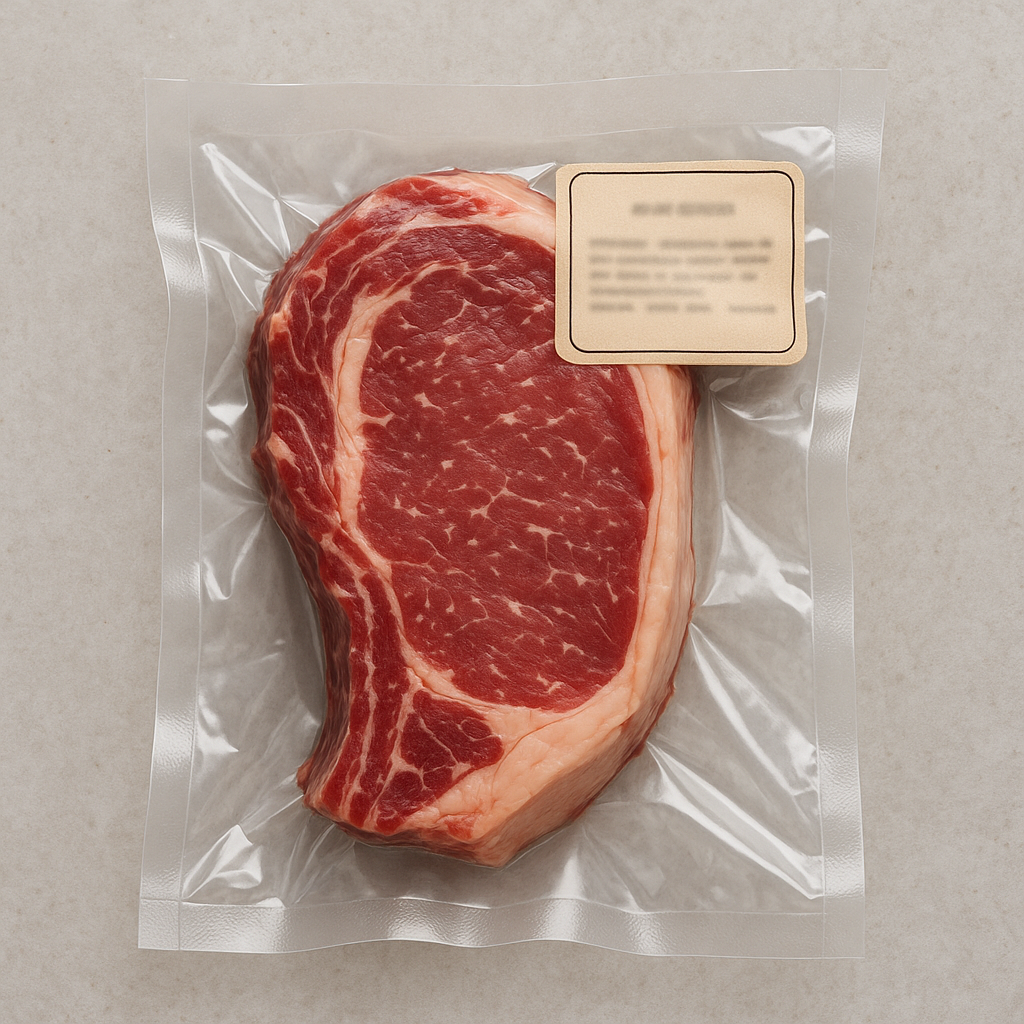
Temu's "Steak in a Box" reveals how bargain apps rewrite grocery rules, leveraging complex logistics, regulatory loopholes, and culinary "hacks."
Temu is shaking up the frozen food market by selling super cheap meat online, like a $4 rib-eye steak! They do this by using a complicated, not-so-official way of getting meat from all over, shipping it in empty containers, and storing it in temporary cold spots. People are going wild on TikTok, unboxing these cheap steaks, even though there are big worries about food safety and what it means for the environment. It's all about cheap prices, clever shipping, and a bit of a gamble on what you're actually eating.
How does Temu sell frozen meat so cheaply?
Temu sells frozen meat cheaply by leveraging a complex, grey-market supply chain. This involves sourcing meat from various countries, utilizing empty shipping containers for transport, renting surplus cold storage, and using standard parcel delivery services. Additionally, a weak yuan, protein oversupply in China, and regulatory loopholes contribute to the low prices.
Get Cape Town news in your inbox
Stay updated with the latest stories from the Mother City.
Midnight Unboxing: How a $4 Rib-eye Became TikTok Gold
Scroll past 3 a.m. and you’ll meet the “meat drop” genre: left panel, a cavernous warehouse in Guangdong; right panel, a student in Leeds or Lagos slicing open a foil pouch stamped “USDA Choice Rib-eye 230 g $4.70.” A 90-cent “steak-house” rub follows, then a $17 pocket-grill (both shipped by the same app). Four minutes later, the creator bites, eyes roll, hashtags explode. The clip sits at 2.4 million hearts and climbing.
The stunt isn’t a prank - it’s the newest shelf in Chinese cross-border commerce: chilled groceries. Between December 2023 and March 2024, PDD Holdings’ Temu stealth-listed 1,100 frozen SKUs - shrimp, salmon, drumsticks, “Angus” patties, even a 1.1 kg “Brazilian tomahawk.” No press release, no investor call, no FDA fanfare. The offers simply materialised between neck fans and dupe-Dyson dryers, nudged to anyone who once typed “air-fryer hacks” or “cheap protein.”
The choreography is as important as the cost. Grainy warehouse footage whispers authenticity; the vacuum pouch’s hiss supplies ASMR; the mini-grill’s flare promises theatre. Viewers don’t taste the steak - they taste the hustle. And every swipe sends the algorithm fresher eyeballs, cheaper freight, fatter commissions.
The Cold-Chain Matryoshka: Four Shells, One Cheap Cut
-
Shell 1 – Sourcing*
Labels read “Product of USA/Australia/Brazil/Argentina,” a phrase allowed because the carcass was merely re-vacuumed inside a USDA-inspected room. The animal may have lived, died and frozen in Paraguay, thawed in Shanghai’s Pudong free-trade zone, then refrozen beside fish or pork on the same line. Overhead drops, contamination odds rise. -
Shell 2 – Ocean Ride*
Temu charters no reefers; it back-fills empties returning to America after Shein hauls and Amazon returns. Spot rates from Shanghai to Los Angeles sank below $1,200 per forty-footer in February 2024, adding roughly 19 ¢ to a one-pound steak for the 18-day float. Meat lounges at –18 °C while the vessel idles through Busan and Oakland, waiting for a berth. -
Shell 3 – Ghost Freezers*
Rather than erect regulated freezers, Temu rents surplus pallets inside third-party cold stores thrown up during Covid’s grocery surge. Utilisation nationwide hovers at 67 %. One tray of Temu prawns can neighbour Wendy’s fries or kibble; software simply slaps a new label when an order pings. FDA traceback halts at the warehouse door because the platform is the “importer of record.” UPS SurePost or FedEx Ground Economy - networks invented for socks - finish the trip. -
Shell 4 – The Final Sweat Box*
Warehouse workers blast steaks to –6 °C, slip them into mylar mailers with two 200 g gel packs and a 12-¢ styrofoam sheet. Parcels then roast in the belly of an un-air-conditioned USPS van where summer readings hit 45 °C. South African NGO SafeFood tracked internal temperatures for 30 hours; the meat spent more than a day above 4 °C yet still felt “cold” because the outer gel was sweating. The danger zone clock keeps ticking while the unboxing camera rolls.
Currency, Commodities and Creative Paperwork
A $3.80 salmon fillet lands while Walmart still asks ten bucks thanks to a perfect storm of weak yuan, protein oversupply and regulatory blind spots. China’s 2023 pork rebound flooded state cold rooms; COFCO and New Hope Group off-load surplus beef, chicken and shrimp onto cross-border apps at yuan prices that translate to pocket change once converted to naira, pesos or rand. A kilo of Brazilian mid-joint wings trades inside China at ¥7.80 ($1.08) ex-plant; even after Johannesburg’s 30 %tariff, the landed cost stays below the price of a bottle of water in Cape Town.
Importers spice the deal with paperwork yoga. In the U.S., USDA’s 2021 e-commerce pilot lets “presentation” of imported meat last 30 seconds per lot, provided the carton is deemed shelf-stable - an rule written for canned chicken, not raw sirloin. The FDA, meanwhile, waves through seafood parcels under 7 kg labelled “not for resale,” a loophole influencers flaunt when unboxing “personal” salmon. Europe’s TRACES database lists only two Chinese beef plants, yet Temu advertises 37 “EU warehouse” SKUs that arrive as “zero-value frozen food samples.” Irish customs seized 1.2 tonnes in March; the €500 fine is cheaper than one viral affiliate clip. South African importers simply call beef striploins “frozen cooked chicken” because Beijing sits on the poultry A-list, not the beef one. If caught in Durban, the penalty is a R20,000 fee plus destruction - still cheaper than legal duties on a 25-tonne box.
Science, Side Hustles and the Next Grey-Market Protein
Stellenbosch University microbiologists ordered 30 anonymous Temu items in March 2024. Thirty-seven percent of raw beef carried non-O157 STEC - South Africa’s zero-tolerance pathogen. Twenty-eight percent of chicken hosted Listeria above EU limits. Seafood fared better, but 60 % of bacterial isolates flaunted colistin- or cephalosporin-resistant genes. The steak metagenome was dominated by Psychrobacter, a marine bacterium, hinting beef and fish shared cutting lines.
While scientists count colonies, creators count cash. Temu pays 8 %–20 % commission on first-time buyers, triple Amazon’s grocery rate. A leaked ledger shows the top 200 meat referral codes rang up $4.7 million in three months; a 19-year-old Leeds student pocketed $109,000 in eight weeks. Bots join the frenzy, vacuuming flash-sale prawns and flipping them on Facebook Marketplace at 100 % markup the same afternoon. Local butchers from Louisiana to Limpopo watch foot traffic sag 12 %–18 % as shoppers wave phones quoting $4 tomahawks.
Environmentalists see darker ripples. Brazil’s 2024 beef quota to China jumped 40 %; April satellite alerts show a 28 % spike in Pará deforestation, precisely where three indirect Temu suppliers slaughter. Meanwhile, Temu’s seller roadmap - visible after a $5,000 deposit - lists “cultivated meat snacks – ambient” and “freeze-dried emergency protein” for Q4 2024. GOOD Meat and Believer Meats admit they may offload grey-coloured cell nuggets that failed cosmetic QC into Temu pouches shipping at room temp. Ukrainian brokers talk of moving 30,000 tonnes of leg quarters once destined for Syria, rebranded as “turkey tails” to dodge quotas. The same pipes that today deliver a four-dollar rib-eye can tomorrow ship Shenzhen-grown lion burgers or Odessa’s irradiated wartime rations.
Buyers who still click “checkout” can armour up: freeze on arrival, cook from frozen to 75 °C core, USDA-check the plant number before the return window closes, reject loose vacuum bags, and never re-freeze anything that arrives above 4 °C. Whether the bargain lasts depends less on flavour than on tolerance - for risk, for regulatory lag, for the metallic aftertaste of a wager that starts with free shipping and ends with a grey sirloin sizzling at 2 a.m. while comments flood in: “Girl, that’s botulism” and “Looks bussin’ 🔥” in equal measure.
1. How does Temu offer frozen meat at such incredibly low prices?
Temu achieves its low prices for frozen meat through a multi-faceted approach. This includes sourcing meat from various international locations, often leveraging a global oversupply of protein, particularly from China, where a weak yuan further reduces costs. They utilize empty shipping containers for transport, which lowers freight expenses, and rent surplus cold storage facilities. Regulatory loopholes and what's described as "creative paperwork" also play a significant role in minimizing import duties and oversight, allowing them to bypass typical costs associated with international food trade.
2. What kind of frozen meat products does Temu sell?
Between December 2023 and March 2024, Temu stealth-listed over 1,100 frozen SKUs. These include a variety of meats such as shrimp, salmon, chicken drumsticks, "Angus" patties, and even large cuts like a 1.1 kg "Brazilian tomahawk." These items appear alongside other general merchandise on the platform, without formal announcements or typical regulatory fanfare.
3. What are the main concerns regarding the safety and quality of Temu's frozen meat?
Significant concerns exist regarding food safety and quality. The complex sourcing involves meat potentially being thawed and refrozen multiple times across different locations, increasing contamination risks. The shipping process uses standard parcel delivery (like UPS SurePost or FedEx Ground Economy) not designed for perishable goods, often leading to products spending extended periods in temperatures above safe limits (e.g., over 4 °C), even if they feel cold upon arrival. Microbiological studies have found high percentages of dangerous pathogens like non-O157 STEC and Listeria, as well as antibiotic-resistant bacteria, in Temu's raw beef and chicken products.
4. How does Temu manage its cold chain logistics without owning specialized infrastructure?
Temu does not charter specialized refrigerated vessels (reefers) or build its own regulated freezers. Instead, they back-fill empty shipping containers returning to the US from other e-commerce hauls. For storage, they rent surplus pallet space inside third-party cold storage facilities that became available during the COVID-19 grocery surge. These

Sarah Kendricks is a Cape Town journalist who covers the city’s vibrant food scene, from township kitchens reinventing heritage dishes to sustainable fine-dining at the foot of Table Mountain. Raised between Bo-Kaap spice stalls and her grandmother’s kitchen in Khayelitsha, she brings a lived intimacy to every story, tracing how a plate of food carries the politics, migrations and memories of the Cape.
View all articles →