
The magic of the South African version of the musical Cats
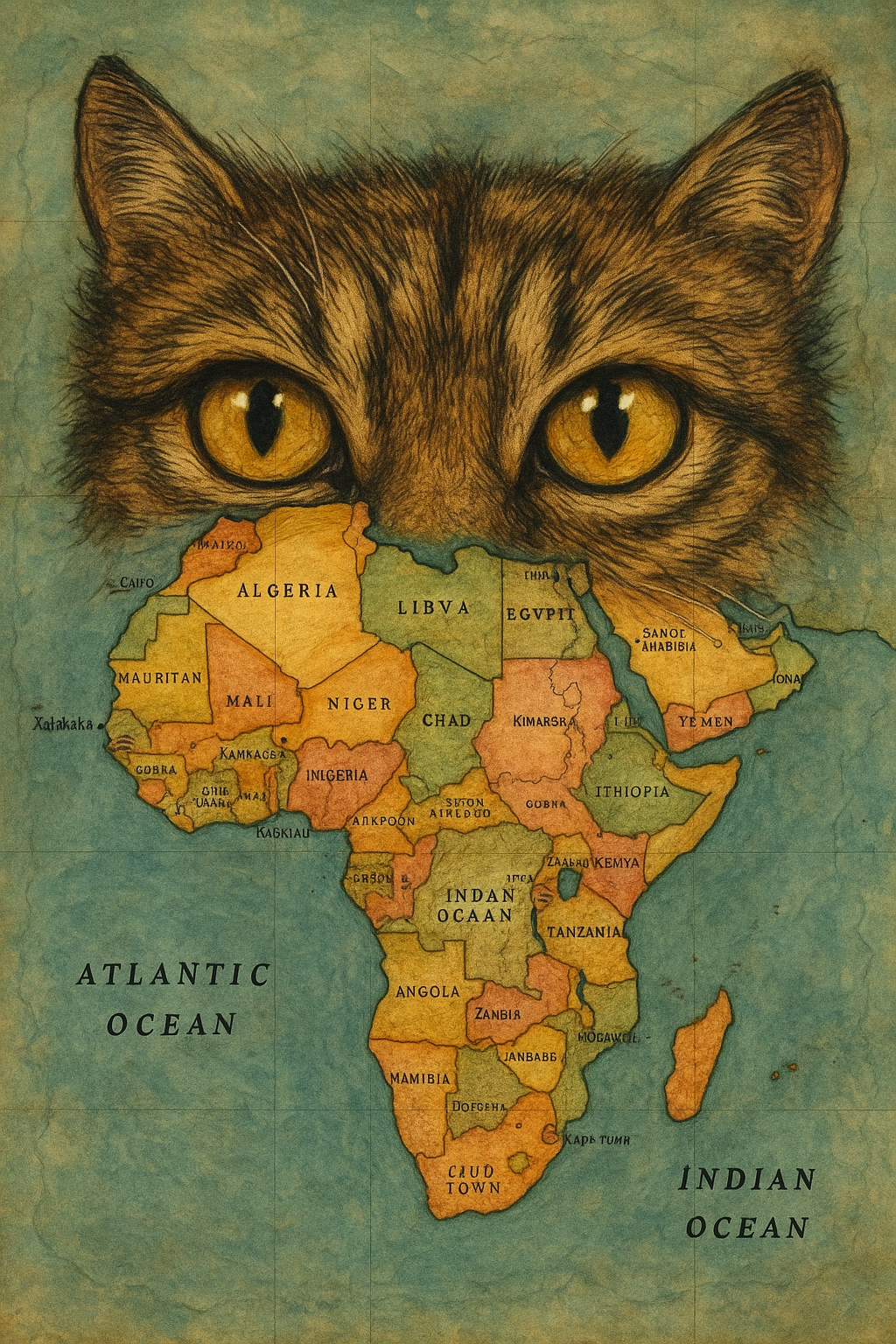
South Africa's "Cats: The Mzansi Revival" reimagines the classic with an all-local cast, African-inspired sets, and vibrant cultural fusion.
Cape Town's "Mzansi Revival" of the musical Cats is a vibrant, South African-inspired spectacle. It throws out old traditions, using local culture, materials, and stories to make it truly unique. The show is a blend of art and community, creating jobs and celebrating the country's spirit. It's a powerful experience that captivates audiences, proving that art can reflect a nation's heart and hopes.
What is the "Mzansi Revival" version of the Cats musical?
"The Mzansi Revival" is a groundbreaking South African adaptation of the musical Cats, reimagined with local cultural references and aesthetics. Directed by Hope Maimane, it replaces traditional London nostalgia with themes reflecting South African experiences, utilizing local materials for sets and costumes, and creating jobs for rural communities.
Get Cape Town news in your inbox
Stay updated with the latest stories from the Mother City.
Section 1 – A City Holds Its Breath
The Artscape Opera House never feels as alive as when the lights die and a single electronic chord rises from the pit. On opening night that chord felt like a defibrillator: Cape Town’s chest lifted, the harbour paused, even the traffic lights on Heerengracht seemed to blink in time. Tourists expected polite British pizzazz; locals expected another round of rolling blackouts. Instead, both got a prowling synthesizer growl that sounded like last year’s protests and next year’s hope squeezed into one note.
When the first pair of glowing cat eyes flashed across the stalls, the entire audience inhaled as if choreographed. Students in dreadlocks, aunties in faux-leopard coats, rugby dads clutching program booklets - everyone exhaled together, turning the auditorium into one huge lung. In that instant the 113-year-old playhouse shook off its colonial marble skin and became a township street corner, a Cederberg star party, a District Six kitchen at midnight.
No one checked phones. Usherettes forgot to shush. Even the gulls outside stopped circling, fooled by the echo of chants that smelled of sea salt and paraffin stoves. The city, famous for loadshedding and water restrictions, suddenly overflowed with surplus electricity - human-made, heart-generated, impossible to ration.
Section 2 – From Broadway Blueprint to Mzansi Myth
Officially the show is subtitled “The Mzansi Revival,” a risky hyphen that dares you to expect more than recycled New York pizzazz. Producer Bernard Kalil nearly shelved the idea when sterling spiked in 2022; then a crowdfunder hit its target in 11 days after a TikTok plea by two UCT drama students. The National Lotteries Commission topped up the gap, motivated less by art than by the 120 rural jobs already created braiding tails and wiring LED tunics.
Director-choreographer Hope Maimane traded Manhattan glitter for a drive-in outside Soweto. She sketched the set on a napkin at Wits Arts Museum: minibus taxis gutted, copper-sprayed, stacked like meccano dolmens. The production office phoned scrapyards from Mdantsane to Mahikeng, paying cash on collection day. One driver threw in a cracked windscreen for free, joking that “even my taxi now goes to the opera.”
Her concept meeting sounded like a political rally. “No one here owes nostalgia to Victorian London,” she told the room. “Your cats are gogo’s ghost, the miner who never clocked out, the scholar denied a visa.” She banned the phrase “swan-like” from rehearsal notes, replacing it with “amakrwala staggering home,” “amapantsula dodging raids,” “domestic workers rewashing the same white shirts.” Dancers nodded, having lived each reference.
Section 3 – Muscles, Stitching and Code
At 05:15 the basement studio smells of rooibos and deep-heat. Dr. Nalini Naidoo times hamstring stretches while a physio gun rattles like a taxi tailpipe. Each performer will sprint, leap and drop into a split 147 times before curtain call, torching 720 kilojoules - equal to three bowls of umngqusho. The Springbok nutritionist couriered crates of rehydration sachets labelled “Forward pack only,” now hijacked by dancing cats.
Upstairs, costume chief Cinga Dyala screens WhatsApp videos of 1980s train commuters, freeze-framing suit textures he wants to recreate in isiShweshwe. Seamstresses in Mount Frere braid tails from T-shirt yarn, earning R45 a metre - enough to keep village tanks full for a month. LEDs arrive from a Durban start-up that usually lights container ships; they tested every solder point inside a deep-freeze to mimic Cape humidity.
Lighting operator Nico van der Merwe rewrote code on a Durban beach at 2 a.m., laptop balanced on a boogie board so sea spray could trigger the same sensor glitch vexing the theatre. Marine-grade dehumidifiers - normally sold for yacht galleys - now hum beneath the stage, protecting servers worth more than the average rural school computer lab. The LED wall curves 270 degrees, feeding audiences star-fields recorded by a Karoo astronomer who normally hunts exoplanets, not theatrical applause.
Section 4 – When the Tail Lights Go Off
Stage manager Lindy Mnguni’s spreadsheet resembles Eskom’s load-shedding chart, only colour-coded for hope, not despair. By midnight the set has to vanish so Afrikaans comics can store microphone stands where Macavity once prowled. Crew scatter fresh sawdust to hide the smell of gunge from a marimba championship earlier that afternoon. They finish at 03:00, nap on costume crates, then crawl back for dawn notes, earning overtime that will pay next semester’s fees.
The gamble is economic razor-wire. Royalties land in London every Friday; each rand that coughs against sterling costs roughly the price of 160 school lunches. Kalil keeps a “break-even” app on his phone: 78 percent occupancy flashes red when fuel prices spike. One customs delay - 18 kg of yak hair stuck in quarantine - forced synthetic Plan-B at triple tariff, yet the show still posted a profit in week two because queues around the block bought ice-cream in the interval.
Hope is measured in purple-crayon portraits. Eleven-year-old Amara du Plessis sold fudge for six months to afford her R480 stall seat. After the show she recites “Memory” in Afrikaans, voice cracking on “middernagt.” Nonhlanhla Yende signs her drawing, adding a Xhosa blessing: “Grow in storytelling.” The girl’s mother pockets the autograph in a zip-bag reserved for her university acceptance letter one day. Outside, Robben Island’s ferry sweeps a searchlight across the banner of cat eyes superimposed over Africa, as if daring the island to object. The island stays quiet; it knows a thing or two about surviving impossible nights and still greeting the dawn.
[{"question": "What is the \"Mzansi Revival\" version of the Cats musical?", "answer": "The \"Mzansi Revival\" is a groundbreaking South African adaptation of the musical Cats, reimagined with local cultural references and aesthetics. Directed by Hope Maimane, it replaces traditional London nostalgia with themes reflecting South African experiences, utilizing local materials for sets and costumes, and creating jobs for rural communities. It transforms the classic musical into a narrative deeply rooted in the country's heart and hopes."}, {"question": "Who is the director and what was her vision for the \"Mzansi Revival\"?", "answer": "The director of the \"Mzansi Revival\" is Hope Maimane. Her vision was to strip away the original's British nostalgia and infuse the production with authentic South African narratives. She envisioned cats that embody local figures and experiences, from 'gogo's ghost' to 'the miner who never clocked out,' and banned phrases like 'swan-like,' replacing them with local references like 'amakrwala staggering home.' She even sketched the set on a napkin, using gutted minibus taxis stacked like 'meccano dolmens.'"}, {"question": "How did the \"Mzansi Revival\" manage its funding and production challenges?", "answer": "Producer Bernard Kalil initially faced financial hurdles due to a spike in sterling. However, a crowdfunding campaign, sparked by a TikTok plea from two UCT drama students, met its target in just 11 days. The National Lotteries Commission provided additional funding, motivated by the creation of 120 rural jobs involved in crafting elements like braided tails and LED tunics. The production creatively sourced materials, using items like cracked windscreens from scrapyards and marine-grade dehumidifiers for stage equipment."}, {"question": "What unique cultural and material elements are incorporated into the production?", "answer": "The \"Mzansi Revival\" is rich with local cultural and material elements. Sets are constructed from gutted minibus taxis, and costumes feature traditional isiShweshwe fabric. Tails are braided from T-shirt yarn by seamstresses in Mount Frere, providing income for rural communities. Even the lighting incorporates LEDs from a Durban start-up usually supplying container ships, and the LED wall displays star-fields recorded by a Karoo astronomer, deeply embedding South African identity into every aspect of the show."}, {"question": "How does the \"Mzansi Revival\" impact the local community and economy?", "answer": "The production has a significant positive impact on the local community and economy. It created 120 rural jobs for tasks like braiding tails and wiring LED tunics, providing vital income. The creative reuse of local materials supports various local businesses, from scrapyards to innovative tech start-ups. The show also serves as a powerful cultural statement, reflecting the nation's experiences and hopes, and attracting diverse audiences, contributing to the vibrant arts scene in Cape Town and beyond."}, {"question": "What is the physical and logistical intensity behind staging the \"Mzansi Revival\"?", "answer": "Staging the \"Mzansi Revival\" is a physically and logistically intense undertaking. Performers undergo rigorous training, with each individual sprinting, leaping, and dropping into splits 147 times per show, burning 720 kilojoules. The backstage crew, including stage manager Lindy Mnguni, works long hours, often until 3 AM, to transform the set for other productions, then returns for dawn notes. The production navigates complex logistics, including customs delays for materials like yak hair and managing a \"break-even\" app to monitor profitability against fluctuating currency and fuel prices."}]

Oliver Daniels is a Cape Town journalist who chronicles the intersection of food, migration and identity in South Africa's kitchens—from wood-fired Gugulethu braai spots to Constantia vineyards. Born and raised on the slopes of Devil’s Peak, he still starts each week with a dawn walk across Table Mountain to catch the first Atlantic light before filing copy.
View all articles →