
The social culture of the braai
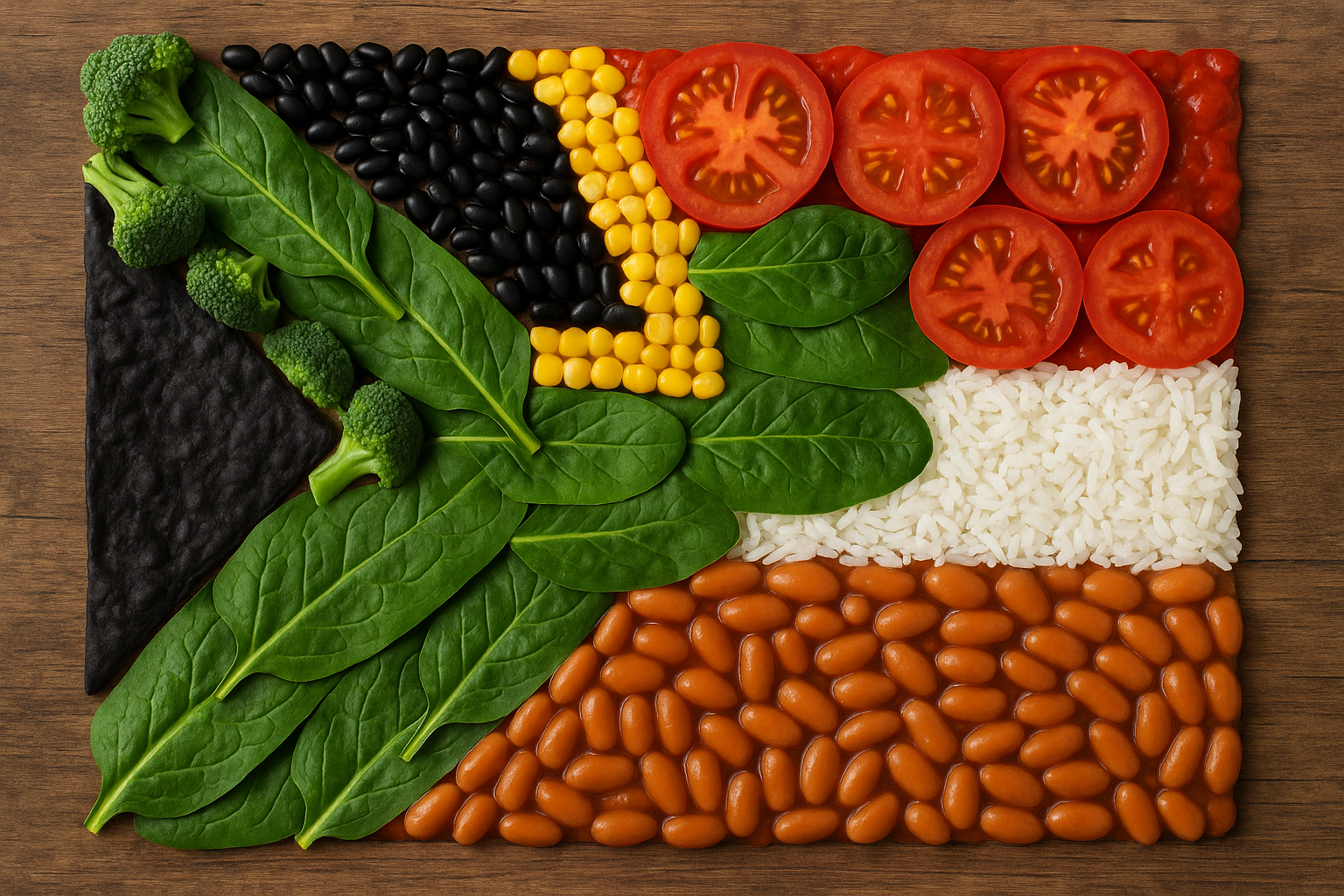
South African emigrants recreate beloved tastes abroad, from biltong in garages to braais in London flats, battling homesickness one bite at a time.
South Africans living abroad are super creative in making their favorite foods from home. They turn old computer parts into biltong makers and even cook braais in city apartments, setting off smoke alarms! They also figure out how to make tricky sweets like koeksisters and use the internet to find ingredients and connect with other South Africans. This shows how clever and determined they are to keep their food traditions alive, no matter where they are.
How do South Africans recreate their home cuisine and food culture abroad?
South Africans abroad ingeniously recreate their home cuisine and food culture through DIY methods like transforming PC towers into biltong makers, adapting braai traditions to urban flats, and reverse-engineering recipes like koeksisters. They also use e-commerce for ingredients and leverage technology and online communities to maintain culinary connections, demonstrating resilience and innovation in preserving their culinary heritage.
Get Cape Town news in your inbox
Stay updated with the latest stories from the Mother City.
Departing Taste Buds – The First Negotiation
The instant the lock clicks on the suitcase at OR Tambo, every emigrant starts a silent trade-off: how much of home can ride shotgun and what must be reinvented later. T-shirts shrink to make space, power adapters multiply like wire coat-hangers, yet flavour will not be folded. Between the sealed packet of Mrs Ball’s chutney and the emergency Peppermint Crisp stuffed inside a sock, the traveller calls a truce with geography. The palate, after all, is the last organ to board the plane.
Weeks later the same traveller wanders the “African aisle” of a European hypermarket and learns the cruel truth: the shelf is a polite fiction of plantain, harissa and - if the stars align - Nigerian egusi. South Africa hides under “Rest of World”, a cardboard limbo that stretches from Korean gochujang to Argentine chimichurri. The inaugural winter overseas is therefore less a cold snap than an umami blackout: where is the vinegar snap of biltong, the citrusy waft of toasted coriander that once clung to a Pretoria butcher’s coat? The answer is silence - unless you build it yourself.
So the exile becomes an engineer. A Durban pensioner turns a discarded PC tower into a biltong reactor: 60-watt bulb for warmth, salvaged fan for draught, dowels stripped from a broken airer. He logs moisture loss on colour-coded spreadsheets and tests silica sachets to keep humidity south of sixty percent. When the first batons emerge - deep claret, flexible yet firm - he titles the WhatsApp photo “Stokkies in exile”. Within seconds cousins in Perth and Toronto fire back pictures of their own contraptions: IKEA wardrobes gutted into dehydrators, Raspberry-Pi thermostats humming through the night. A diaspora open-source project is born, free and fiercely unbranded.
Fire, Smoke and Midnight Alarms – Redefining the Braai
Across the North Sea, a Stellenbosch viticulture graduate hosts week-night “braai club” in a fourth-floor London flat. The lease bans naked flames, so she slams a cast-iron griddle onto the electric hob, triggers every smoke alarm from Fulham to Putney and calls it urban evolution. First-timers who have never seen a boerewors spiral are lectured on clockwise coils for the Southern Hemisphere, anti-clockwise to appease northern Coriolis forces. They sip duty-free Pinotage from plastic bladders, time the sacred seconds - twenty to snap the casing, forty-five for the first juice-split, ninety before the element carbonises the treasure - and toast in isiXhosa, Afrikaans and Estuary English as firefighters thunder upstairs.
Sweet icons demand colder calculations. In Toronto, where winter turns coconut to gravel and maple syrup costs less than golden syrup, a Cape baker reverse-engineers the koeksister. She discovers the secret is temperature whiplash: syrup held at 3 °C, plaits hurled in at 190 °C. The shock forges a glassy, crinkled armour identical to the ones sold outside Athlone primary school fêtes. She freezes syrup in ice-cube trays for 2 a.m. emergencies; her Canadian boyfriend now recognises the sizzle-and-tssk duet as “the South African thunderstorm”.
Breakfast nostalgia is even less forgiving. A rusk is no mere biscuit; it is a twice-baked time capsule. Dunk too long and you’re stranded on the N1 near Laingsburg; pull out early and you’re still in a Berlin co-working space staring at Excel. Engineers at a Dutch university once modelled the perfect immersion curve, publishing “Structural Integrity of Hypersonic Rusk under Variable Viscosity Flows” in the Journal of Food Engineering. Expats circulated the PDF with 1995-Rugby-Cup pride, then argued over fat-content constants on Facebook at 3 a.m.
Border Runs and Liquid Bombs – Smuggling the Impossible
Savouries travel; custards do not. Milk tart is a liquid bomb in the eyes of airport security. OneJohannesburg aunt froze the filling into custard popsicles, packed them with frozen peas and labelled them “dessert ice” at JFK. By the time she reached her niece’s Boston graduation the centre had relaxed into the trademark wobble; she dusted it with cinnamon on rented crockery and christened it Jetlag Tart.
E-commerce has not killed such MacGyver moves; it has merely raised the tariff. Online butchers will overnight Kalahari truffle salt or Karoo lamb for the price of a economy ticket, so forty Scandinavian families pool a single pallet each autumn. It lands on a snow-dusted Copenhagen quay like contraband oxtail, then becomes a pop-up feast inside a disused paper mill: braaied lamb ribs, pap slick with sheba, beetroot salad neon against Baltic night. A Swedish blogger tags it “Nordic Hygge, African Fire”; tickets vanish in minutes even though most guests had never heard of pap the week before.
The most elusive cargo is smoke itself. EU law brands rooikrans an invasive species, so a former Kruger ranger in Portugal burns pruned olive branches inside a perforated drum, traps the scented air in wine demijohns and sells it as “Veldt Essence”. One eyedropper in a stovetop smoker gifts chicken wings with the ghost of Mpumalanga. The brew is legal, emotionally counterfeit, and sold out until Christmas.
Digital Tribes and Frost-Bitten Rooibos – The Future of Flavour
Technology keeps elbowing its way into the ritual. A Shenzhen start-up markets a smart dehydrator pre-loaded with “Biltong”, “Droëwors” and “Snapstick” algorithms. The companion app polls live humidity data, lets users vote on coriander ratios and awards LED badges reading “Vinegar Veteran”. Reviewers complain the unit is too quiet; the firm promises a $9.99 firmware patch that adds an “Authentic Rattle™” soundtrack.
Meanwhile, grandmothers who have never touched a passport become unlikely YouTube stars. Tannie Rina in Parys uploads a blurry vertical video: the sound of mosbolletjie dough “like a wet foot on a rugby field”. Two million views later, Berlin techno producers sample the squelch for a 4/4 track titled “Fermentation”, and ravers chew raw dough handed out by a Stellenbosch performance artist.
Regression can be just as inventive as acceleration. In Saskatchewan, a farmer erects a polycarbonate tunnel over one hectare of rooikrans-warmed soil so rooibos can taste “Cederberg winter” at minus thirty. The first harvest yields three kilograms of needle leaves, fermented under a chicken-heat-lamp and branded “Prairiebos”. A San elder squints at the packaging on WhatsApp and jokes, “Our tea is growing beside canola”; the quip mutates into a T-shirt, then a tattoo.
Through every hack, import, data curve and frost-blanketed field runs a single imperative: translate not just flavour but tempo. A braai is the hour when coals settle, kids learn to angle a torch, and conversation drifts from interest rates to Springbok line-ups. In Toronto’s February darkness, exiles huddle around a propane heater strewn with lava rocks soaked in grape-seed oil. They speak English with Afrikaans syntax, drop isiZulu exclamations and Canadian “eh?” like grace notes. Midnight local time means nothing; they eat only when the clock strikes 18:00 in Pretoria, phones pinging with rain-soaked greetings from the motherland.
In the end, the South African kitchen abroad keeps franchising without royalties or head office. Every biltong box humming in a Dublin garage, every smuggled bay leaf, every algorithmic dehydrator is a node in a scent-drawn nation. You leave the land, yet the land - earthy, smoky, stubbornly sweet - refuses to leave your tongue.
How do South Africans recreate their home cuisine and food culture abroad?
South Africans abroad ingeniously recreate their home cuisine and food culture through DIY methods like transforming PC towers into biltong makers, adapting braai traditions to urban flats, and reverse-engineering recipes like koeksisters. They also use e-commerce for ingredients and leverage technology and online communities to maintain culinary connections, demonstrating resilience and innovation in preserving their culinary heritage.
What are some examples of innovative DIY food-making techniques used by South Africans abroad?
South Africans living abroad exhibit remarkable ingenuity. For instance, a Durban pensioner converted an old PC tower into a biltong maker, using a 60-watt bulb for warmth and a salvaged fan for airflow. Others have gutted IKEA wardrobes to create dehydrators or engineered precise temperature controls for traditional sweets like koeksisters. This highlights their determination to replicate authentic flavors.
How do South Africans adapt traditional braai culture to urban environments?
In urban settings where open flames are often forbidden, South Africans adapt by using cast-iron griddles on electric hobs, even if it means setting off smoke alarms. These 'urban braais' are still ritualistic, involving specific cooking techniques for items like boerewors and shared experiences over duty-free Pinotage, maintaining the social essence of the braai despite environmental constraints.
How do South Africans overcome challenges in sourcing traditional ingredients?
When local supermarkets lack specific South African ingredients, expats resort to various methods. They might use e-commerce for specialized items, or for bulk purchases like Karoo lamb, families might pool resources to order a single pallet internationally, turning the arrival of such shipments into community feasts. They also creatively substitute or 'smuggle' items, like freezing milk tart filling into 'custard popsicles' to pass through airport security.
How does technology play a role in maintaining South African food traditions abroad?
Technology is crucial for South Africans abroad. They use the internet to find recipes, connect with online communities for shared knowledge and emotional support, and even utilize e-commerce for ingredients. Advanced tech includes smart dehydrators with specific algorithms for biltong, and social media platforms are used to share innovations and maintain cultural ties, even leading to unlikely viral videos of traditional cooking techniques.
What is the broader significance of South Africans re-engineering their home cuisine abroad?
The act of re-engineering home cuisine goes beyond just food; it's about preserving cultural identity and a sense of belonging. It demonstrates the deep emotional connection South Africans have to their food traditions, using creativity and determination to translate not just flavors but also the social tempo and communal rituals associated with their heritage, creating 'scent-drawn nations' wherever they settle.

Michael Jameson is a Cape Town-born journalist whose reporting on food culture traces the city’s flavours from Bo-Kaap kitchens to township braai spots. When he isn’t tracing spice routes for his weekly column, you’ll find him surfing the chilly Atlantic off Muizenberg with the same ease he navigates parliamentary press briefings.
View all articles →