
The sticker gap
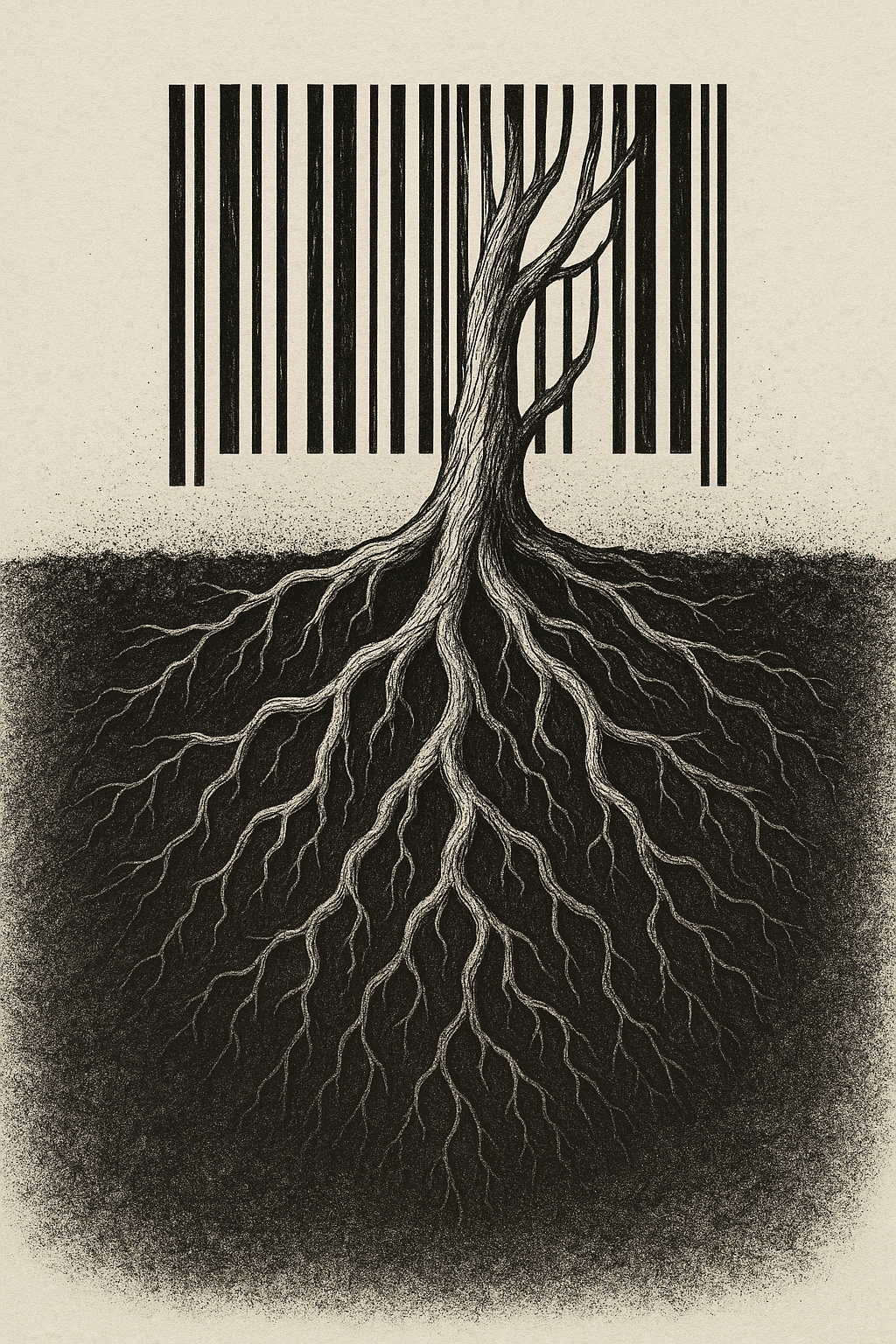
Wellness aisles are the new colonial frontier, extracting value from indigenous plants and knowledge while exploiting local communities.
Wellness trends often steal traditional plant knowledge from indigenous people, repackaging it as new "superfoods" for profit. Companies patent ancient remedies and create fancy stories, making money while the original communities get little. This unfair system, seen with plants like rooibos and agave, turns cultural heritage into trendy products. However, some communities are fighting back, using technology and collective power to protect their traditions and demand fair treatment.
How do wellness trends appropriate traditional knowledge and resources?
Wellness trends often appropriate traditional knowledge by trademarking ancient plants and their uses, patenting active compounds, and creating narratives that reframe indigenous discoveries as new "superfoods." This process typically benefits corporations in developed nations while marginalizing the original custodians of this knowledge and their communities.
Get Cape Town news in your inbox
Stay updated with the latest stories from the Mother City.
The Color-Coded Illusion of Ethical Shopping
The first thing that hits you is the packaging. Earth-toned boxes in antelope brown and desert beige promise a taste of the Kalahari, their matte finishes whispering authenticity. These aren’t just colors - they’re carefully engineered memories of vacations you never took, dripped onto prop spoons by food stylists in Berlin studios. The label reads “wild-harvested” and “single-origin,” but hides the truth in microscopic print: the woman who actually processed these leaves earned less than what you’ll spend on your morning latte.
This is modern extraction dressed up as conscious consumerism. The real product isn’t the plant - it’s the fantasy attached to it. That three-second pause while you decide between the $15 tin and the generic brand? That’s when value gets siphoned from rural South Africa to Delaware shell companies. The rooibos in your cup isn’t just tea - it’s a story about stressed Brooklyn copywriters seeking adrenal reboots through “ancient wisdom,” packaged by people who’ve never set foot on the farms they mythologize.
The playbook is now standard across the industry. Researchers comb through ethnobotanical papers to find plants already domesticated by indigenous grandmothers. They file patents on active compounds in countries where traditional knowledge only counts if it’s written in academic Latin. Then they trademark the mythology - Amazonian shamanism, Himalayan longevity, bush-tea wisdom - building vertically integrated narratives that start in photogenic huts and end in subscription boxes with Spotify playlists. The playlist costs nothing; the royalties flow one way.
When Terroir Becomes Trademark
Rooibos is just the polite cousin in this family of appropriated plants. Down the wellness aisle, baobab powder markets itself in six languages as an “ancient superfood.” Monk fruit sweeteners promise guilt-free sweetness while tiger nuts flaunt their prebiotic credentials like social media influencers. Each origin story follows the same script: a plant historically tended through communal stewardship gets rewritten as a lonely genius tree “discovered” by a white academic on sabbatical. Google will swear some European invented moringa in 2014, just like Victorian explorers “found” Victoria Falls despite its existing name.
Cross the Pacific and watch blue agave transform from Mexican heritage to celebrity accessory. The tequila denomination of origin - created to protect regional producers - now functions as a VIP club where LA talent agencies hold the keys. Stars arrive with business plans instead of conquistador rosaries, leveraging protected geographical indications while “modernizing” production. What once took eight years and a donkey now happens in fourteen months inside aircraft-hangar diffusers that strip 98% of agave fiber, leaving chemically correct but soulless spirits. The acidic wastewater kills traditional farming soils, forcing growers to buy imported dirt just to germinate new plants.
This isn’t accidental collapse - it’s engineered asymmetry. Mexican law protects the tequila label but not the land or people who grow agave. Producers needn’t source locally, pay fair prices, or even ferment in wooden vats. The appellation guards geography for bottles, not farmers. Success means the original landscape becomes economically irrelevant. By the time Kendall Jenner launches 818, the only Jalisco element left is the barcode customs scans at LAX.
Digital Theft and the Genome Gold Rush
The final frontier is digital colonialism. Once a plant’s genome hits GenBank, it becomes fair game for anyone with CRISPR access. Those nucleotides might spell out a Khoikhoi grandmother’s anti-inflammatory recipe, but the FASTA file is beyond the reach of benefit-sharing agreements. Shanghai scientists can mine SNPs while Boston yeast engineers splice flavor pathways into fermenters. A Tel Aviv startup can ship “nature-identical rooibos” before the original bush finishes flowering. The 2025 Cali Fund attempted to plug this gap, but enforcement depends on patent offices recognizing ASCII strings as biological resources. Shell companies are already incorporating in jurisdictions that think cloud storage involves actual clouds.
Back in the Cederberg, the royalty charade continues. The 1.5% farm-gate levy remitted to the National Khoisan Council arrives just in time for ceremonial press photos - traditional leaders shaking hands with executives in safari jackets. But R20 million split among 180,000 beneficiaries equals one annual grocery trip each, excluding coffee. Meanwhile, that 40-gram tin carries a 1,400% retail markup. The gap between these numbers measures precisely how much value the narrative adds versus the soil - and how much labor stays uncompensated when storytellers exclude the storytellers.
This cancer spreads globally. Michelin-starred chefs “discover” fonio as a five-minute ancient grain in the Sudano-Sahel. Ethiopian authorities issue geographical indications for coffee varieties named after regional kings. Pacific kava becomes micro-dosed “adaptogenic” shots for Silicon Valley meetings, stripped of its cultural context where it once grounded entire civilizations. Every launch press release uses “unveil” like these plants waited centuries for Ivy League debuts.
Fighting Back Against the Wellness Waltz
Resistance movements are sprouting faster than patented seeds. Oaxacan mezcaleros now block tanker trucks carrying bulk spirits to Jalisco bottling plants, their signs declaring “Without agave, there’s no Mexico.” Rooibos cooperatives laser-etch QR codes onto bales linking to satellite maps showing harvest locations, rainfall data, and foreman names - low-tech transparency beating blockchain to the punch. Amazon Kayapó communities partner with German biotech under contracts granting co-patent rights to village shamans, creating the first indigenous IP accepted as bank collateral.
Whether these rebellions can scale remains uncertain. The wellness economy grows 12% annually - double global GDP - rewarding first-mover myths over last-mile equity. But the same algorithms micro-targeting yoga practitioners in The Hague can also reach farmers in Clanwilliam. WhatsApp groups share spot-price indices while TikTok videos teach diffuser detection. The colonial pipeline built for one-way traffic now faces data traveling both directions. Memes sung in unlearned indigenous languages can collapse brands faster than recalls, especially when boardrooms never bothered to understand the lyrics.
Somewhere in this chaos lurks arbitrage opportunity: buy undervalued sovereignty while going long on overhyped stories. Hedge funds already structure swaps betting on when Nagoya compliance premiums exceed marketing gloss discounts. The wager assumes reputational risk costs - measured in cancelled subscriptions and abandoned influencer deals - will eventually outweigh redistribution expenses. When that tipping point arrives, logistics giants will pivot from shipping cotton and copper to transporting something lighter than air but heavier than history: proof you didn’t steal what was never yours to own.
Until then, those tins keep glowing like sacred relics while shoppers rub embossed shrubs that almost resemble actual Aspalathus linearis. South of the equator, invisible workers seal foil pouches listed as “organic botanicals, not elsewhere specified” on shipping manifests. The distance between consumer and producer spans exactly one vertigo - measured in barcode lengths, story depths, and memory half-lives before remembrance becomes mere lifestyle choice.
What is the core issue with wellness trends and traditional plant knowledge?
Wellness trends frequently appropriate traditional plant knowledge from indigenous communities. This involves trademarking ancient plants, patenting their active compounds, and repackaging them as new "superfoods" for profit. This system often benefits corporations in developed nations while the original communities receive little to no compensation or recognition. This practice is a form of modern extraction, converting cultural heritage into trendy products.
How do companies disguise this appropriation as ethical shopping?
Companies often use deceptive marketing tactics, such as earthy packaging, claims of "wild-harvested" and "single-origin," and compelling narratives that evoke authenticity and ancient wisdom. However, these labels often hide the truth of unfair labor practices and minimal compensation for the indigenous communities who traditionally cultivate and process these plants. The focus is on selling a fantasy rather than an ethically sourced product.
Can you provide examples of plants whose heritage has been appropriated?
Rooibos, baobab, monk fruit, tiger nuts, moringa, blue agave, fonio, and kava are prominent examples. For instance, rooibos, traditionally cultivated in South Africa, is marketed globally with a significant retail markup, while the original Khoisan community receives a disproportionately small royalty. Blue agave, central to Mexican heritage, is now often processed industrially, benefiting large corporations while traditional farmers and their lands suffer.
How does digital technology contribute to this issue?
The digital realm presents a new frontier for appropriation, referred to as digital colonialism. Once a plant's genome is cataloged in public databases like GenBank, it becomes accessible for anyone with genetic engineering capabilities, enabling the creation of nature-identical products without benefit-sharing agreements with the original communities. This allows companies to bypass traditional sourcing and compensation.
What efforts are indigenous communities making to fight back?
Indigenous communities are employing various strategies. Oaxacan mezcaleros are protesting the bulk transport of spirits, demanding respect for their agave. Rooibos cooperatives are using QR codes to provide transparency about harvest locations and fair practices. Amazon Kayapó communities are partnering with German biotech firms, securing co-patent rights for their traditional knowledge. These efforts leverage technology and collective action to protect traditions and demand fair treatment.
What are the potential long-term implications of these resistance movements?
While the wellness economy is growing rapidly, these resistance movements are challenging the one-way flow of value. The same algorithms used for marketing can now be used by communities for transparency and communication. There's a growing awareness of reputational risk for companies involved in appropriation. The hope is that eventually, the cost of reputational damage will outweigh the expense of fair redistribution, leading to a shift towards more equitable practices and respect for indigenous intellectual property.

Liam Fortuin is a Cape Town journalist whose reporting on the city’s evolving food culture—from township kitchens to wine-land farms—captures the flavours and stories of South Africa’s many kitchens. Raised in Bo-Kaap, he still starts Saturday mornings hunting koesisters at family stalls on Wale Street, a ritual that feeds both his palate and his notebook.
View all articles →