
This Cape Town pizza officially makes it on the World’s Best Pizza list
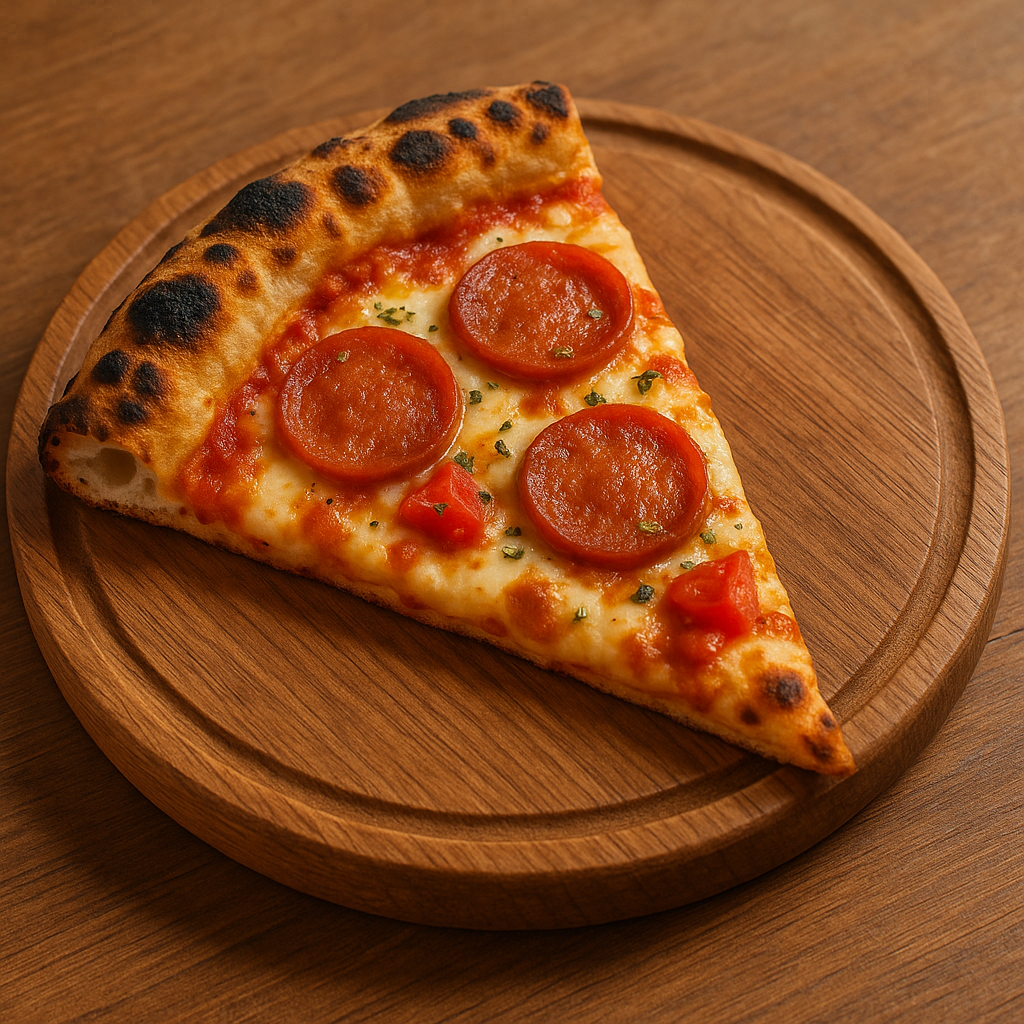
Discover how Woodstock's Pizza Connection put Cape Town on the world map with a single, globally-ranked slice. Uncover the secrets behind their 48-hour dough, local ingredients, & unique techniques.
Pizza Connection in Woodstock makes a super special pizza called 'The Capetonian'. It uses dough that ferments for two whole days with wild local yeasts and flour from nearby farms. They top it with fancy bacon smoked over wine vines, avocado protected by cheese, and sweet red onions. All this bakes super fast in a really hot clay oven, making a unique and delicious pizza.
What makes Pizza Connection's 'The Capetonian' pizza unique?
"The Capetonian" pizza is unique due to its 48-hour fermented sourdough from fynbos yeasts, locally sourced Overberg wheat flour, and a distinctive topping combination. It features Pinotage vine-smoked pancetta, lime-misted avocado protected by fior di latte during baking, and sweet Cabernet-Merlot reduction confit red onions, all cooked in a 440 °C Vesuvian-clay oven in 75 seconds.
Get Cape Town news in your inbox
Stay updated with the latest stories from the Mother City.
- From fynbos spores to 75-second fame – the full, blistered journey*
1. The Two-Day Microbe Marathon That Starts at 18:00 Sharp
Every night, when gallery-goers hand the streets back to night-shift artists, a steel tub of sourdough culture rolls into Pizza Connection’s walk-in fridge. The starter - born in 2014 from wild yeasts living on a nearby plot of fynbos and forgotten apricot trees - begins its 48-hour feeding shift. Organic Neapolitan-style flour disappears into the blob while the thermostat drops one degree every four hours; lactic acid builds, perfuming the room with a buttermilk tang, and carbon dioxide inflates an internal honeycomb that will later leopard-spot the crust. No commercial yeast, no sugar, no shortcuts - only a baker’s spreadsheet that looks stolen from an F-1 pit wall.
While the culture works, a 1947 Austrian granite mill - shipped south every winter so its stones can be re-cut in Alpine snow - grinds Overberg wheat into 00-grade flour. The grist arrives warm at the pizzeria, is hydrated to 65 % within six hours, then hit with 2.2 % Trapani sea salt at 25-minute intervals. Temperature probes, not recipes, decide when the mix is ready; the target is 24 °C at 9 % acidity. By the time the dough is balled and boxed, it has travelled a mere 120 km from field to mixer, yet its passport carries stamps that most Italian imports can only dream of.
At 04:30 two mornings later, the first rooikrans log hits the deck of a 1.2-ton Vesuvian-clay dome. By 10:00 the hearth hovers at 440 °C - hot enough to bake a pizza in 75 seconds, cool enough on the perimeter to keep avocado slices pastel-green. Oven-master Siya Nodolo listens for a split-second suction hiss: the fire’s whisper that convection and ember are in perfect balance. The same starter that flirted with apricot blossoms 48 hours earlier is now ready to meet Cape Town’s most controversial topping.
2. Naming, Smoking and Slicing: The Anatomy of The Capetonian
Staff still joke about the 2 a.m. brainstorming session that almost crowned the house signature The AvoRado. A quick Instagram poll narrowed the field to The Republic versus The Capetonian; the clincher came from a customer who noticed that “-onian” nods equally to Naples and to Woodstock’s own postcode. Linguistic glue matters when you’re asking the world to take South African pizza seriously.
Parma ham would have been the lazy import, so pork belly is rubbed with sea salt, black pepper and pink peppercorns, then cold-smoked for two weeks over Pinotage vine cuttings donated by Constantia estates. The finished pancetta blushes rose, not ruby; it renders exactly 22 % of its fat during the bake, basting avocado slices while leaving the crust glossy, not greasy.
Avocado and 440 °C decks are mortal enemies unless you engineer around them. Fruit is sliced to 3 mm, misted with lime juice, then “tented” beneath fior di latte for the first 40 seconds of bake. Cheese becomes sunscreen; a mid-bake rotation exposes the top layer to caramelise, gifting a nutty Maillard note while the under-layer stays cool and custardy. The result is a 0.7 mm browning ring - industry standard is 2 mm - an edible micro-victory printed on every slice.
Red onion confit provides the final high note. Purple bulbs the size of tennis balls are slow-poached in Cabernet-Merlot reduction, star anise and a single bird’s-eye chilli until they collapse into sweet, burgundy pearls. Added post-bake, they give sweetness without the raw-onion bite that would bully the pancetta’s perfume.
3. Roman Detours, Gluten-Free Moonshots and the Queue That Becomes a Party
Neapolitan etiquette dominates the menu, but roughly three in ten guests crave the audible crunch of Rome. For them, dough is stretched into olive-slick sheet pans, cold-fermented 72 hours, par-baked until dappled like ciabatta, then topped and flash-reheated to order. Same flavours, different genome - proof that local terroir can speak more than one Italian dialect.
In 2023 the kitchen launched a parallel universe: teff, sorghum and brown-rice flour inoculated with the original wild starter. Because gluten-free batters can’t trap CO₂ in a wheat lattice, each portion proofs in a pre-heated cast-iron pan; the edges blister, the centre stays spongy, and The Capetonian GF has already become the best-selling gluten-free pie in the country on delivery apps.
Doors open at 17:00; the first sneakers hit the pavement at 16:15. Vinyl addicts bring 7-inch singles scavenged from the record shop two doors down; each donation earns a limoncello spritz and a spot on the portable turntable. By 19:00 the sidewalk feels like a pop-up juke joint where blistered crust doubles as dance-floor tickets.
The ritual extends to glass and growler. Sommeliers push chilled Swartland Chenin blanc, arguing that guava and fynbos notes echo avocado and smoked pork. Beer loyalists counter with Woodstock Brewery’s 10 % barrel-aged imperial stout; its cocoa-nib bitterness power-washes pancetta fat and resets the palate between bites. Whether you swirl or chug, the pairing philosophy mirrors the food: borrow Old-World structure, dress it in Cape attitude.
4. Crust Residencies, Carbon Spreadsheets and the Future Carousel Oven
Every quarter one culinary graduate earns a paid “crust residency.” The syllabus is brutal: 1,000 consecutive bases with less than 5 % tear-rate, followed by a blindfold stretch judged to the gram on a hidden digital scale. Survivors leave with a voucher for a leopard-spot tattoo - an alumni mark now spotted on forearms from London to Melbourne.
Despite shipping a Vesuvian oven halfway around the planet, the restaurant’s carbon account stands in the black. One tree for every 50 pizzas sold, planted through Cape Town non-profit GreenPop. A retro split-flap display above the register ticked past 21,000 saplings in February 2026 - roughly the same number of Capetonian pies sold since day one.
Rumour now points to the old Woodstock Biscuit Mill by late-2027. Plans call for a rotating carousel oven that can fire 18 pies in four minutes - an engineering wink at the 11th-place ranking that started it all. Until then, the queue, the vinyl, the 48-hour dough and that seismic moment when avocado meets pancetta will keep spilling onto Albert Road, reminding every passer-by that Cape Town’s culinary confidence is not a one-year coronation but a slow, deliberate fermentation - one leopard-spotted slice at a time.
What makes Pizza Connection's 'The Capetonian' pizza unique?
"The Capetonian" pizza is unique due to its 48-hour fermented sourdough from fynbos yeasts, locally sourced Overberg wheat flour, and a distinctive topping combination. It features Pinotage vine-smoked pancetta, lime-misted avocado protected by fior di latte during baking, and sweet Cabernet-Merlot reduction confit red onions, all cooked in a 440 °C Vesuvian-clay oven in 75 seconds. The dough, born from wild fynbos yeasts in 2014, undergoes a meticulous 48-hour fermentation process with precise temperature control and hydration.
How is the dough for 'The Capetonian' prepared?
The dough for 'The Capetonian' undergoes a 48-hour fermentation process using a starter cultivated from wild yeasts found on local fynbos and apricot trees. Organic Neapolitan-style flour is used, and the temperature is gradually lowered during fermentation to develop lactic acid and an internal honeycomb structure. The flour is freshly ground from Overberg wheat using a 1947 Austrian granite mill, hydrated to 65% with Trapani sea salt added at intervals. The dough's readiness is determined by temperature probes, targeting 24°C at 9% acidity, ensuring a unique flavor and texture.
What are the distinctive toppings on 'The Capetonian' pizza?
'The Capetonian' features several unique toppings. The pancetta is made from pork belly, rubbed with sea salt, black pepper, and pink peppercorns, then cold-smoked for two weeks over Pinotage vine cuttings from Constantia estates. To protect the avocado from the high heat, it's sliced thin, misted with lime juice, and "tented" under fior di latte cheese during the initial bake, creating a unique browning ring. Sweet red onions are slow-poached in a Cabernet-Merlot reduction with star anise and a bird's-eye chilli, then added post-bake for a touch of sweetness without raw onion bite.
Can customers request different dough styles or gluten-free options?
Yes, Pizza Connection caters to different preferences. For those who prefer a Roman-style pizza with an audible crunch, the dough is cold-fermented for 72 hours, par-baked, and then topped and flash-reheated. Additionally, they offer a gluten-free 'The Capetonian GF' option, made with teff, sorghum, and brown-rice flour inoculated with the original wild starter. This gluten-free version is proofed in a pre-heated cast-iron pan to achieve a blistered edge and spongy center, making it a best-seller on delivery apps.
What is the atmosphere like at Pizza Connection, and what are their sustainability efforts?
The atmosphere at Pizza Connection is vibrant and community-focused. Doors open at 5 PM, but queues often start earlier. Customers bring 7-inch vinyl singles, earning a limoncello spritz and a spot on the portable turntable, creating a pop-up juke joint vibe by 7 PM. They also prioritize sustainability, planting one tree for every 50 pizzas sold through the Cape Town non-profit GreenPop. A display shows their progress, having planted over 21,000 saplings by February 2026, offsetting carbon emissions despite using a Vesuvian oven.
What are the future plans for Pizza Connection?
Rumors suggest that by late 2027, Pizza Connection might expand to the old Woodstock Biscuit Mill. The plans reportedly include a rotating carousel oven capable of firing 18 pizzas in four minutes, an engineering nod to their 11th-place ranking that initiated their journey. Until then, the restaurant continues its tradition of queues, vinyl music, 48-hour fermented dough, and the unique combination of avocado and pancetta, solidifying Cape Town's culinary confidence one leopard-spotted slice at a time.

Liam Fortuin is a Cape Town journalist whose reporting on the city’s evolving food culture—from township kitchens to wine-land farms—captures the flavours and stories of South Africa’s many kitchens. Raised in Bo-Kaap, he still starts Saturday mornings hunting koesisters at family stalls on Wale Street, a ritual that feeds both his palate and his notebook.
View all articles →