
Trump’s Iran war: the promise he couldn’t keep
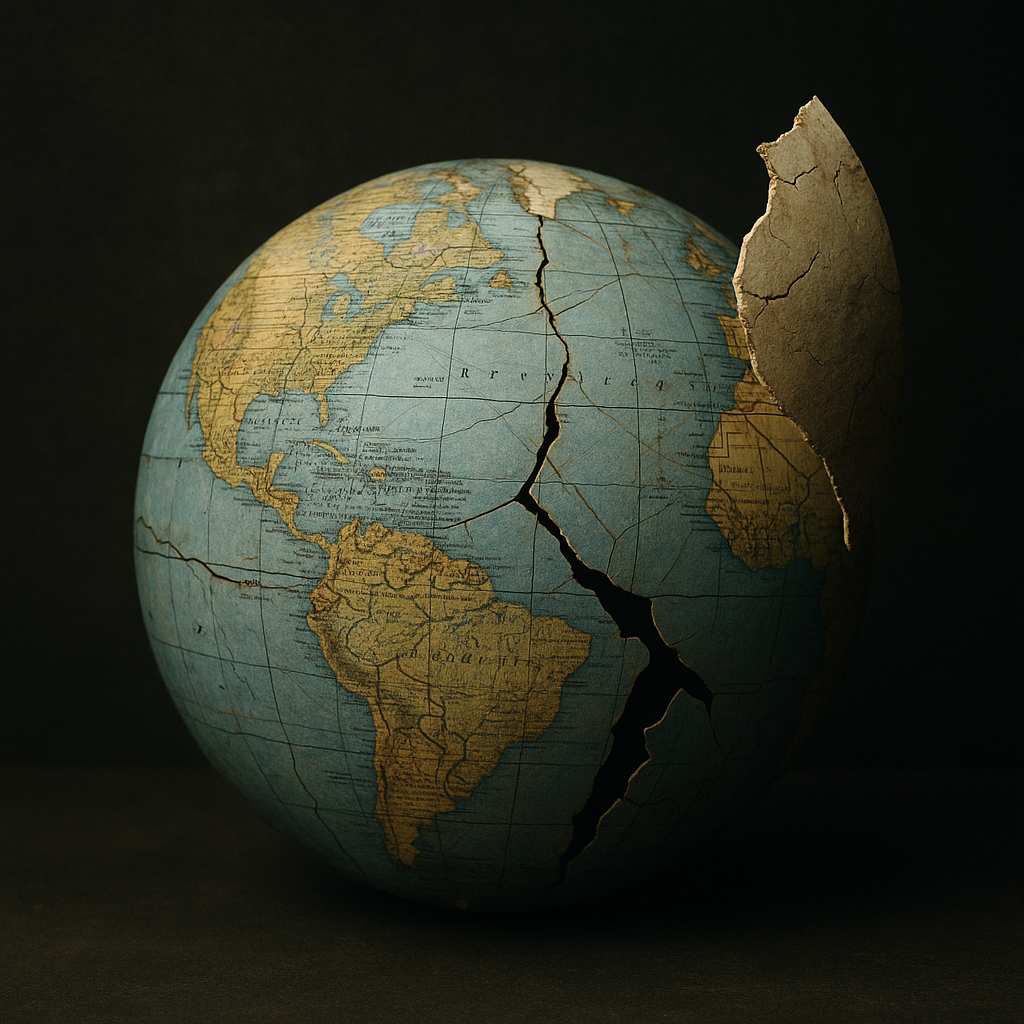
The Iran War exposes the limits of US leverage as nations seek alternatives to Washington's demands, fueled by rising oil prices.
The Iran War exposed Washington's weakening global power. High oil prices turned economic threats into shared pain, making other nations less likely to obey. Supply chain chaos pushed allies to find new routes, ignoring US naval power. Clumsy diplomacy and social media blunders angered countries, leading them to ban US goods and flights. Finally, nations bypassed dollar-based sanctions with currency swaps and clever oil dealings, showing that the world was moving away from relying on America.
What factors led to the weakening of Washington's global influence during the Iran War?
Washington's global influence weakened due to several factors: the economic pain from rising oil prices inverting the leverage against other nations, supply chain disruptions prompting allies to find alternative routes, diplomatic missteps causing backlash, and other countries developing non-dollar currency swaps and bypassing sanctions through loopholes. These elements collectively exposed a shift towards multipolarity.
Get Cape Town news in your inbox
Stay updated with the latest stories from the Mother City.
1. The Leverage Mirage
Donald Trump’s second-term team gambled that the planet could still be blackmailed with a simple ultimatum: pick America’s consumer market or cheap fossil fuel. The script looked tidy - wave AGOA expulsion papers, tack on a 30 % tariff, sail a carrier through the Gulf and wait for surrender telegrams. For about eighteen months the bluff seemed to pay. The South African rand shed twelve cents within seven days of the May 2025 sneak attack; Brazilian soybean giants rushed to sign fresh pledges on Amazon metrics; Delhi even shelved its rupee-rial clearing house for Iranian crude.
What the White House accountants left off the spreadsheet was the break-even line: once Brent climbs past triple digits the pain curve inverts. Every domestic approval point Trump bleeds gifts a middle-tier country roughly fourteen extra days of stamina. At one-hundred-ten dollars crude turns into an open-ended pass, because agony is suddenly mutual. U.S. voters scream at Chevron boards the same second a trucker in Gqeberha feels the pinch. The super-power premium evaporates overnight.
2. Supply-Chain Mutiny: Oranges, Algorithms and the EU Subsidy
Two days after the first Tomahawks cratered Bushehr, Maersk’s artificial-intelligence routing hub silently tagged the Strait of Hormuz “Tier-1 conflict corridor.” The immediate fallout: 167 refrigerated containers of Eastern Cape citrus missed the Muscat shortcut, swung around the Cape of Good Hope and arrived in Antwerp nineteen days late. Each box burned an extra 6,400 dollars in bunker fuel, and - more devastating - missed the pre-Easter retail slot in EU supermarkets. Deciduous fruit earns South Africa 14 billion rand a year; 60 % of that cash is collected only when the fruit is on European shelves.
When the delayed invoices hit inboxes the rand dipped another 1.8 %, yet Brussels simultaneously accelerated its pilot “Cape of Good Hope Corridor” rebate. European importers now pocket €0.12 for every additional kilometre sailed to avoid choke-points policed by the U.S. Navy. Nobody in the Berlaymont called the subsidy anti-American; it was framed as prudent risk diversification. In effect, Washington’s closest ally paid South African farmers to ignore Washington’s naval strategy.
The episode taught every agro-exporter from Nairobi to Mendoza that algorithms, not admirals, now decide whose fruit reaches shelf first. Once the EU stamped the detour as subsidised, Walmart Canada quietly asked suppliers to price the same route for British Columbia cherries. The mutiny stopped being about Iran; it became about who writes the freight code.
3. Diplomatic Self-Owns: Tweets, Satellites and Overflight Bans
Reuben Bozell III landed in Pretoria in September 2025 promising to “name, shame and bankrupt” any firm still invoicing Tehran. By February he had 47 local companies on a public risk ledger - petrochemical titan Sasol, pharma leader Aspen, even a Stellenbosch winery that once sold 40,000 bottles of alcohol-free rosé to Iran. The ambassador’s Twitter timeline - equal parts tariff threats and Bible verses - turned into compulsory reading in Sandton elevators. Then on 22 March he posted a carrier photo with the caption “Your tax rand keeps these sea lanes open.” Twenty minutes later the tweet vanished, but screenshots detonated across WhatsApp groups.
Two days later Spar, Checkers and Woolworths began stripping California table grapes and Florida orange juice from shelves. Annual U.S. farm exports to South Africa are a mere 420 million dollars - digitally insignificant - yet the delisting took less than a weekend. Corporate South Africa signaled it could erase American produce faster than Capitol Hill could schedule hearings.
While Bozell back-pedaled, Luanda executed a quieter coup. On 26 March Angola’s transport ministry announced that U.S. military transports were no longer welcome in its airspace. The move mattered because AngoSat-2 - an 80 % Chinese-built geostationary platform - carries the backup data link for American drones operating south of the Equator. Lose the satellite and Djibouti-based Reapers fly blind south of the Equator. President João Lourenço later told reporters “the age of default African obedience is extinct.” He spoke with a Chinese-financed satellite backing his words.
4. When Sanctions Lose the Clock: Currency Swaps, Refinery Cheats and the 2026 Midterms
On the last day of March the U.S. Trade Representative quietly informed Congress that the mid-year AGOA review would be postponed six months “to allow deeper stakeholder feedback.” Translation: the White House lacks votes to kick 35 African states out of the preference program while Midwestern gasoline flirts with five dollars. Pretoria’s legal team had 63 pages of WTO precedents ready; they shredded them unused. The mere specter of a Senate floor brawl - where every Iowa Republican would have to defend pricier fruit - was sufficient. Leverage, once again, turned out to be a wasting asset.
The same week the Shanghai-based Bank of Communications signed a nine-billion-rand currency swap with the South African Reserve Bank. One tranche is yuan cash, the other yuan-denominated gold futures, letting Pretoria pay for 38 % of its crude imports without touching a dollar. The facility prices 180 basis points below the Federal Reserve’s standing window, and it is expandable. Currency traders responded by shoving the rand 90 cents stronger in three sessions; SWIFT sanctions suddenly looked like a rotary-phone threat in a 5G world.
Even inside the G-7 compliance is crumbling. Japan’s Idemitsu and Korea’s SK Innovation have booked “transformation” cargoes from Kharg Island through UAE front companies - legal under a technicality. Berlin refineries are reportedly blending Iranian barrels labeled as “Iraqi mix” to keep diesel below €2.30, betting inspectors will be too distracted to show up. Meanwhile Iowa’s senators draft a bill to waive the Jones Act for gasoline shipping - an act of domestic desperation that would have been unthinkable eighteen months earlier. The common thread: once the global timetable slips out of Washington’s hands, the sanctions architecture becomes a very expensive piece of performance art. The Iran war did not create multipolarity; it merely exposed it at the exact moment American shoppers started counting milk cartons.
[{"question": "
What factors led to the weakening of Washington's global influence during the Iran War?
", "answer": "Washington's global influence weakened due to several factors: the economic pain from rising oil prices inverting the leverage against other nations, supply chain disruptions prompting allies to find alternative routes, diplomatic missteps causing backlash, and other countries developing non-dollar currency swaps and bypassing sanctions through loopholes. These elements collectively exposed a shift towards multipolarity."}, {"question": "How did rising oil prices impact US leverage during the Iran War?
", "answer": "During the Iran War, rising oil prices, particularly when Brent crude surpassed triple digits, inverted the leverage dynamic. While the US initially attempted to use economic threats like AGOA expulsion and tariffs, the shared pain of high oil prices meant that other nations, and even US consumers, felt the pinch. This made countries less willing to comply with US demands, as the economic agony became mutual, effectively eroding the 'super-power premium' the US once enjoyed."}, {"question": "What was the 'Supply-Chain Mutiny' and how did it affect US naval strategy?
", "answer": "The 'Supply-Chain Mutiny' refers to the redirection of shipping routes away from conflict zones policed by the US Navy, specifically the Strait of Hormuz, after Tomahawk missiles cratered Bushehr. For example, refrigerated citrus from South Africa was rerouted around the Cape of Good Hope. This was not just a commercial decision; the EU even subsidized these longer routes as 'prudent risk diversification,' effectively paying allies to ignore US naval presence. This demonstrated that algorithms and economic incentives, rather than US military might, began to dictate global freight routes, undermining Washington's naval strategy."}, {"question": "How did diplomatic blunders and social media gaffes contribute to the US's declining influence?
", "answer": "Diplomatic blunders and social media gaffes significantly angered other nations. For instance, Ambassador Reuben Bozell III's aggressive public shaming of companies dealing with Iran and his tone-deaf social media posts, like claiming 'Your tax rand keeps these sea lanes open,' led to swift backlash. South African retailers immediately delisted American produce, digitally erasing US farm exports. Furthermore, countries like Angola banned US military transports from their airspace, asserting their independence and highlighting a shift from 'default African obedience,' often with the backing of non-US technologies like Chinese-built satellites."}, {"question": "In what ways did nations bypass dollar-based sanctions and what was the significance of this?
", "answer": "Nations bypassed dollar-based sanctions through currency swaps and clever oil dealings. For example, the Shanghai-based Bank of Communications signed a nine-billion-rand currency swap with the South African Reserve Bank, allowing Pretoria to pay for a significant portion of its crude imports without using dollars. This made SWIFT sanctions appear outdated. Additionally, even G-7 members like Japan and Korea used front companies to book 'transformation' cargoes from Iran, and German refineries reportedly blended Iranian oil labeled as 'Iraqi mix.' These actions signaled that the world was moving away from relying on the US dollar and its associated financial architecture, exposing the limits of Washington's sanctions regime."}, {"question": "What broader global shift did the Iran War expose regarding American dominance?
", "answer": "The Iran War did not create multipolarity but rather exposed it at a critical juncture. It highlighted that the world was moving away from relying on America as the sole global power. The convergence of economic pain from high oil prices, supply chain re-alignments, diplomatic missteps leading to backlash, and the development of non-dollar financial mechanisms demonstrated that Washington's global grip was slipping. This shift meant that the US could no longer reliably use its economic, military, or diplomatic tools to compel other nations, especially when the costs to those nations (and even to US consumers) became too high."}]
A Russian-Spanish journalist and Cape Town native, channels his lifelong passion for South Africa into captivating stories for his local blog. With a diverse background and 50 years of rich experiences, Serjio's unique voice resonates with readers seeking to explore Cape Town's vibrant culture. His love for the city shines through in every piece, making Serjio the go-to source for the latest in South African adventures.
View all articles →