
Watch: Mayor shows Bree Street, Lerotholi Avenue come alive
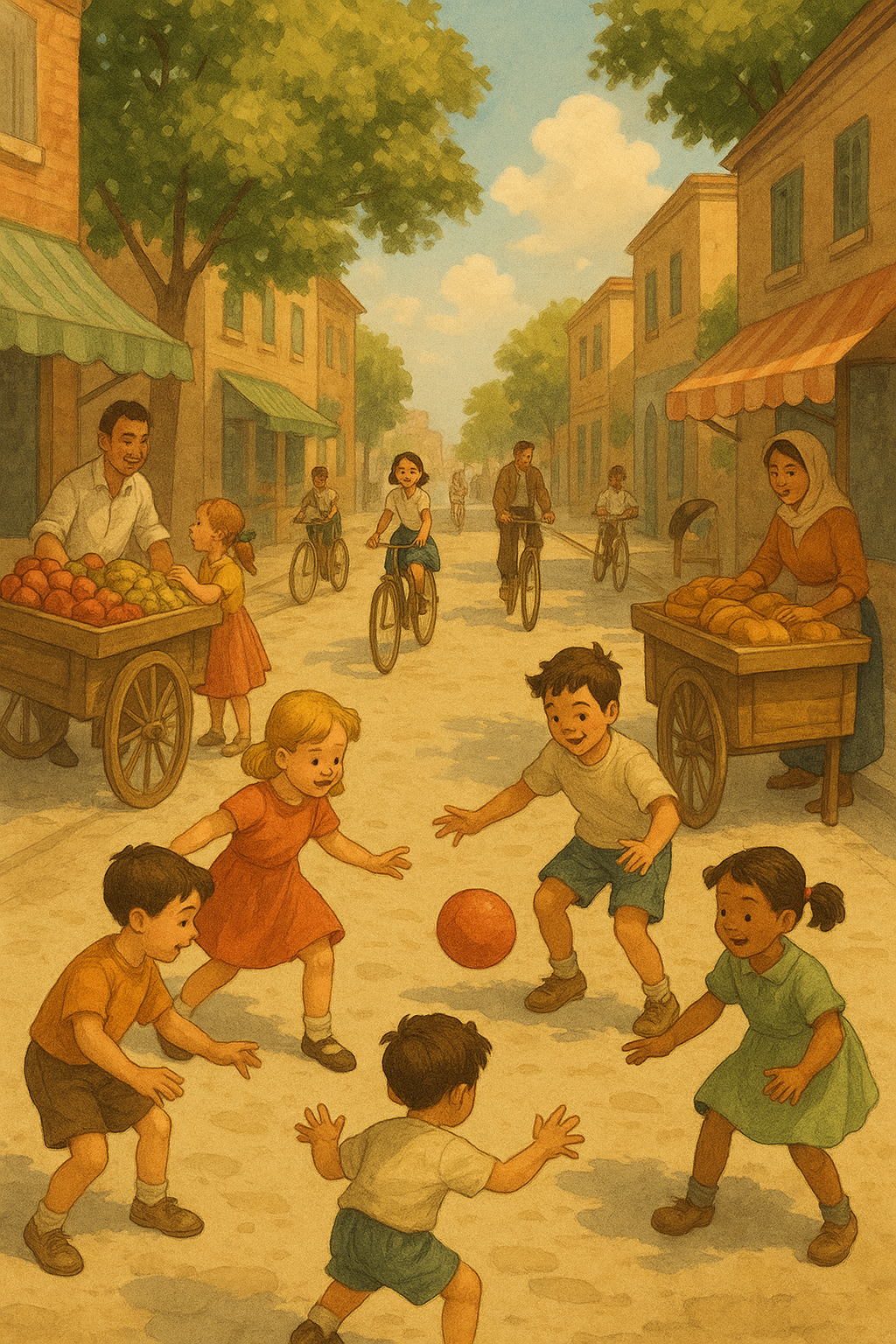
Cape Town transforms two streets, Bree and Lerotholi, into car-free community spaces every Sunday, fostering connection and creativity.
Cape Town's "Two Roads, One Breath" project turns city streets into lively public spaces every Sunday. For six hours, Bree Street and Lerotholi Avenue close to cars, welcoming people to play, share, and connect. It's a magical time where different cultures mix, creating fun and unexpected moments for everyone. This simple idea helps build a stronger, happier community, showing how much good can come from just changing how we use our streets.
What is the "Two Roads, One Breath" initiative in Cape Town?
The "Two Roads, One Breath" initiative is a weekly event in Cape Town where Bree Street and Lerotholi Avenue are closed to traffic on Sundays. This transforms the streets into shared public spaces for six hours, fostering community activities, spontaneous interactions, and diverse cultural exchanges among residents from different areas.
Get Cape Town news in your inbox
Stay updated with the latest stories from the Mother City.
1. A Tale of Two Thoroughfares
Bree Street and Lerotholi Avenue will never share a postcard, yet every seven days they fall into the same heartbeat. Bree slices through the colonial grid, its Edwardian faces now neon-washed by gin bars and cold-brew taps. Six kilometres away, Lerotholi crosses Langa, the nation’s first purpose-built Black township, where kwela once duelled with steam trains and backyard jazz still seeps through corrugated fences.
On Saturdays the two strips speak different dialects: Bree hums with delivery scooters and card machines, Lerotholi throbs to gospel harmonies and taxi hoots. Come Sunday at ten, both dialects drop to a whisper. Exhaust gives way to sunscreen, rubber soles, the soft pop of a tennis-ball cricket catch. No mayor cuts a ribbon; no app pings approval. The closure is announced by a single neon-yellow bib that migrates weekly among waiters, architects, baristas and code kids who call themselves Young Urbanists.
Their WhatsApp thread - 417 members at last count - includes a retired circus aerialist who strings a tight-rope between lamp-posts and a Philippi grower who offers DIY oyster-mushroom kits the size of matchboxes. Stock-takers, gospel choirs, graffiti crews and German film students all mute their usual programming for six hours and let the road itself write the agenda.
2. Six Hours of Unplanned Magic
By 09:45 the last ride-share car is waved away; mismatched wooden palettes appear like stage flats. At ten the asphalt turns blank canvas. A graphic-designer dad unrolls thirty metres of butcher paper and hands out crayons thick as pool cues. By lunchtime the scroll is alive: libraries with slippery slides, bank-notes that melt on touch, trains that smell like naartjies.
A barber from Lubumbashi fires up a generator; lightning bolts and Cape Town City FC logos blossom on young scalps. Someone backs a flat-bed truck against a wall and projects 1995 cricket highlights; grandparents who haven’t seen Jonty Rhodes dive in decades pull up camping chairs and narrate every run-out in isiXhosa, Afrikaans and Setswana.
Money changes pockets, but gently. A coffee hatch that usually shifts seventy flat-whites is past two hundred by noon and hires two nine-year-olds to chalk arrows from the crossing to the counter. A Langa auntie moves her braai stand into the middle of Lerotholi, sells sixty lamb sticks at ten rand each and hands eight more to kids who return with clean plates. A Bree boutique that arrived in 2023 with Belgian loafers now displays second-hand skateboards; three Sundays later the boards are sold and the owner is learning to kick-flip from a twelve-year-old who still has all his baby teeth.
3. Safety, Logistics and the Poetry of Rain
Official numbers - still provisional - show petty theft on Bree down thirty-eight percent during the block, traffic collisions at zero, asthma cases at the Langa clinic falling as exhaust thins. But spreadsheets feel anaemic next to living folklore: the fluorescent “pink-bike girl” who trades cycling lessons for fresh jokes, the retired marine engineer who swears children can sight the earth’s curve through his 1960 theodolite at high noon.
Behind the wonder runs an invisible clockwork. Refrigerated vans get escorted in before 09:30 by roller-blading marshals jingling bells. Apartment dwellers who need their garages invoke the “three-knock rule”; a host walks them through the revelry. In Langa, organisers painted hopscotch grids that double as queue lanes for communal taps so grandmothers can fill buckets without tripping over skippers.
Rain is greeted like an unpredictable DJ. A drizzle ends cricket early but leaves mirror-puddles that flip the city upside-down for free. The south-easter gusting at seventy kilometres an hour? Kids turn it into science, flying plastic-bag kites tethered to wind-socks cut from old billboard vinyl while elders judge which gale makes the best whistle against corrugated walls.
4. Ghost Warmth at Fifthirty
At 16:45 the same volunteers who lifted the barriers now become gentle ushers. Trumpet cases snap shut, camping chairs fold, the last woven bracelet - made from cancelled MyCiti bus tickets - slides onto a stranger’s wrist. By 17:30 engines return, diesel perfumes the air, and the tar reclaims its weekday job description.
Yet the asphalt keeps a ghost warmth, a memory bank of 400-metre stroke-rehab walks, Haitian chess victories, drone-dropped chalk shadows. Schoolkids now treat the route as an open-air lab: fractions on zebra stripes, optics with mirrors, cardboard maquettes destined for a Youth-Day bonfire that critiques and celebrates the skyline in the same breath.
No one can book the kerb on Instagram; no sponsor gets permanent banner rights. The initiative survives through radical incompletion - every fourth Sunday must contain something half-finished that could flop. The see-saw without a pivot becomes a balance beam; the hopscotch lesson without chalk becomes a broom-handle etching in dust.
Whether the yellow bibs survive the next budget cycle is uncertain. What seems durable is an expanding catalogue of gestures: knees that know the lamp-post spacing on Bree, palms that remember Lerotholi’s patched grit, ears that store the hush between bicycle tyre and tar. Infrastructure, after all, is not only what we pour in concrete but also what we learn to do together when the city forgets to rush.
[{"question": "What is the \"Two Roads, One Breath\" initiative in Cape Town?", "answer": "The \"Two Roads, One Breath\" initiative is a weekly event in Cape Town where Bree Street and Lerotholi Avenue are closed to traffic every Sunday for six hours. This transforms the streets into vibrant public spaces for community activities, spontaneous interactions, and diverse cultural exchanges, aiming to build a stronger community by reimagining street usage."}, {"question": "Which streets are involved in the \"Two Roads, One Breath\" project and what are their characteristics?", "answer": "The project involves Bree Street and Lerotholi Avenue. Bree Street is part of Cape Town's colonial grid, known for its modern establishments like gin bars and cold-brew taps. Lerotholi Avenue is located in Langa, the nation's first purpose-built Black township, historically rich with kwela music and jazz. While distinct during the week, both streets unite in their transformation every Sunday."}, {"question": "Who organizes and participates in the street closures?", "answer": "The street closures are announced and facilitated by a single neon-yellow bib, which rotates weekly among a diverse group of 'Young Urbanists' including waiters, architects, baristas, and code kids. This community-driven effort involves a wide range of participants, from retired circus aerialists and local growers to gospel choirs, graffiti crews, and German film students, all contributing to the day's agenda."}, {"question": "What kind of activities can one expect during the \"Six Hours of Unplanned Magic\"?", "answer": "During these six hours, the streets become a canvas for creativity and community. Activities range from children drawing on long rolls of butcher paper, barbers giving unique haircuts, and outdoor projections of sports highlights, to informal markets selling lamb sticks and coffee, and even pop-up shops exchanging Belgian loafers for skateboards. It's a space for spontaneous play, learning, and cultural exchange among all ages."}, {"question": "How does the \"Two Roads, One Breath\" initiative impact safety and community health?", "answer": "Provisional data indicates positive impacts on safety and health. Petty theft on Bree Street has reportedly decreased by thirty-eight percent, and traffic collisions are at zero during the block. Additionally, asthma cases at the Langa clinic have shown a decline as exhaust fumes thin out. The initiative also fosters a sense of community resilience, with organized systems for deliveries and garage access, and even turns rain into opportunities for scientific observation and play."}, {"question": "What happens when the streets reopen and what is the long-term vision of the project?", "answer": "At 16:45, volunteers begin to usher people out, and by 17:30, vehicles return, and the streets resume their weekday functions. However, the asphalt retains a 'ghost warmth' and memory of the day's activities. The initiative thrives on 'radical incompletion,' ensuring each event has something unfinished to encourage future participation. The project emphasizes that 'infrastructure is not only what we pour in concrete but also what we learn to do together when the city forgets to rush,' highlighting a vision of community-led urban transformation beyond formal structures and budgets."}]

Oliver Daniels is a Cape Town journalist who chronicles the intersection of food, migration and identity in South Africa's kitchens—from wood-fired Gugulethu braai spots to Constantia vineyards. Born and raised on the slopes of Devil’s Peak, he still starts each week with a dawn walk across Table Mountain to catch the first Atlantic light before filing copy.
View all articles →