
Watch: Nature Connect links jobs with Karoo conservation efforts
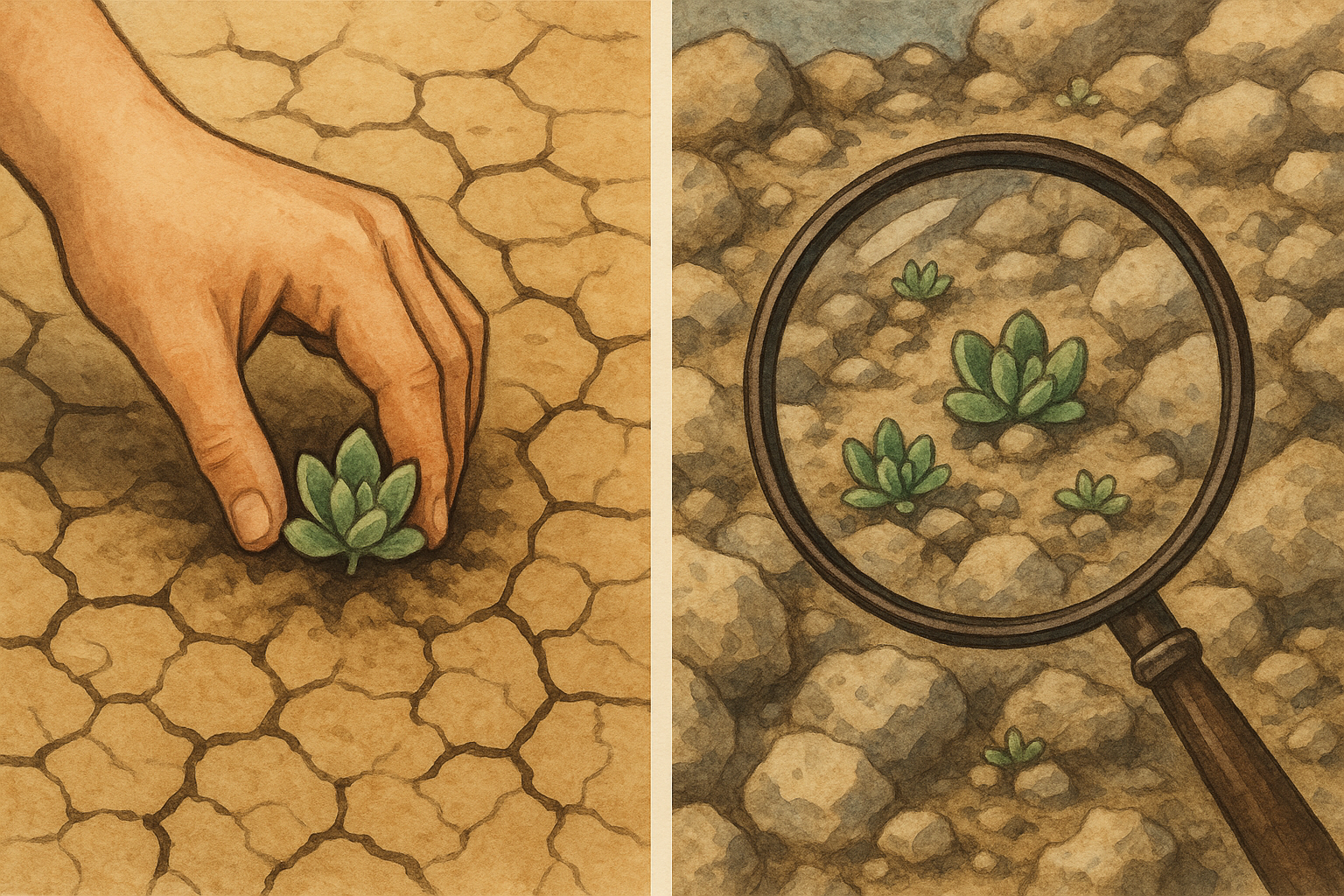
Youth in SA's Karoo turn conservation into careers, protecting succulents & boosting local economies through accredited training.
In the arid Karoo, a unique bootcamp is turning young, unemployed locals into powerful conservationists. They learn everything from drone piloting to plant identification, then launch their own eco-businesses, selling legal plants or restoring habitats for profit. These newly trained para-rangers also patrol the land, using technology to stop plant poachers and bring them to justice. This amazing program not only saves rare plants but also creates jobs and changes lives, showing how fighting crime and poverty can go hand-in-hand.
How does the Karoo bootcamp combat plant poaching and youth unemployment?
The Karoo bootcamp transforms unemployed youth into conservationists by providing CATHSSETA-accredited training, fostering micro-businesses tied to habitat restoration, and training them as para-rangers using technology to deter poachers. This multi-pronged approach offers sustainable income, protects endangered plants, and shifts community perception from poaching to preservation.
Get Cape Town news in your inbox
Stay updated with the latest stories from the Mother City.
Section 1 – From Pews to Plants: A Town Hall Rewritten
On a late-autumn Thursday, the Calvinia church hall smelled of pine dust instead of incense. Forty-two twenty-somethings marched past the unused pulpit in freshly pressed khaki, cardboard name tags swinging. Each tag showed a surname plus a Latin whisper - Conophytum pageae, Lithops herrei, Tylecodon paniculatus - the first succulent each student ever coaxed from leaf to root. No brass band, no canapés, yet the room crackled: the Hantam district had never before hosted a CATHSSETA-accredited NQF4 send-off in Nature Conservation.
To outsiders the Karoo looks like punishment geography - scrub and dust and more dust. Locals under thirty-five know the harsher equation: 68 % youth unemployment, Telegram groups that promise R 500 a night to slip Conophytum into shoeboxes, and Korean auction sites where one tiny turquoise button sells for $ 120. The maths is brutal, but the graduation proved the denominator can change.
The ceremony lasted forty minutes; the applause echoed longer. Retired shearers wiped eyes, farmers recorded on cracked phones, and the mayor whispered, “Our kids just became rangers instead of suspects.” The modest stage held no politicians - only mentors, mothers, and a single pot of Lithops seedlings that graduates insisted replace the usual bouquet.
Section 2 – Blueprint in Three Strands: Study, Earn, Guard
Learn While the Land Bleeds
Students scatter across Calvinia, Nieuwoudtville and Goegap reserves for fourteen contact weeks, sleeping in field huts and labourers’ cottages - cutting board-and-lodging bills by more than a third. Trainers come from CapeNature, SANParks and, crucially, local grandfathers who read cloud shapes like stock charts. Modules range from herbarium craft to drone piloting; one unit standard was co-written by the cohort after they proved a Land-Cruiser-launched fixed-wing maps Conophytum clusters twice as fast as shoe leather.
Profit that Protects
Every learner must birth a micro-business that ties revenue to restored habitat. Karoo Jeug Stigting fronts each project R 7,500 - no strings except the planet must benefit. Ian van Wyk, 21, sells “guilt-free gravel”: discarded diamond-screen quartz planted with legal Lithops and tagged on a blockchain ledger scannable at weekend markets. Sisters Anverine and Carmen Saay flipped a derelict kraal into a 400 m² Tylecodon wallichii nursery, undercutting Chinese black-market prices by 30 % and still pocketing 45 % profit.
Eleven tiny firms turned over R 312,000 in six months - petrol-station coffee money to Sandton, but enough to lift thirty-four relatives above the food-poverty line. None of the enterprises needs city grid power; all use shade-cloth, borehole water and WhatsApp for orders. The most lucrative side-effect is social: when a neighbour’s son earns more from nursery trays than night-time plant raids, the Telegram poaching groups lose foot soldiers.
Patrol with a Phone
The same teenagers who once dodged moonlight now walk it with purpose. Trained as para-rangers, they earn R 2,800 a month to hike 5,000-hectare blocks armed with the offline app iKaroo. One tap logs GPS, a second snaps evidence, a third hashes the file and auto-mails detectives before a pickup hits the N7. Since launch they have filed forty-seven dossiers; thirteen warrants produced 11,423 confiscated plants worth R 4.3 million.
Restorative justice follows every arrest. First-time offenders meet victims in the school hall and leave with two options: court or khaki. Nine former harvesters are now students themselves, proving crime can be an admissions test - just not the kind universities advertise.
Section 3 – Money, Maps & Marriage: The Ripple Effects
Funding Jenga
Running a college in a place that lost its last campus in 1997 demands origami budgeting. Twenty-seven landowners open gates, lend bathrooms and boreholes. Calvinia hospital lets trainees practice first aid on stable patients. A women’s co-op cooks surplus Karoo lamb rejected for fat colour, driving meal costs to R 34 a head. CATHSSETA pays 60 % of assessors; Nedbank clients, Stellenbosch wine trustees and a biodiversity-offset broker fill the gap. Cash-flow models predict break-even in 2027 if 120 students graduate yearly and 65 % step into real jobs - figures the team tracks like rainfall.
Job Cartography
Alumni updates arrive by voice note, not e-mail - data is cheaper than taxis. Of the 112 who started, 42 hit NQF4 within twelve months; 37 walked straight into pay slips. SANParks absorbed eight, CapeNature six, private reserves four, and nineteen now run alien-clearing or eco-guide gigs that bill landowners directly. Starting wage averages R 6,800, tripling the local youth median and jumping to R 10,500 after year one. Seventy percent stay within 120 km of home, so wages soak spaza shops, tyre repairmen and stokvels rather than city landlords.
Gender after God
Programme rules demand at least one woman per patrol, a clause that cracked Calvinia’s conservative crust. Fathers who once banned daughters from koppie hikes now ask them to check sprinkler leaks near rare Conophytum patches. Dowry talks in Paulshoek now tally a para-ranger badge beside goat counts. Ten top female graduates may head to the Military Academy’s ranger command course, putting a Karoo woman on track to lead a national park protection unit before she turns thirty.
Section 4 – Open Source, Carbon Credits & a Night-School Galaxy
Copy-Paste in Pofadder
Because the Succulent Karoo ignores provincial lines, Nature Connect dumped the entire curriculum on GitHub: drone scripts, lesson plans, even the church-hall seating chart. In May 2025 Pofadder’s //Khara Hais Municipality launched its own cohort, swapping Conophytum for half-men Pachypodium namaquanum. Early data say the model survives dialects, biomes and local politics - provided a trusted youth anchor fronts the paperwork.
Carbon on the Horizon
A single Conophytum locks only 0.3 g of carbon, but intact desert crust prevents soil losses that would vent 2.3 t CO₂ per hectare over twenty years. Nature Connect is piloting 1,000 hectares near Nieuwoudtville under Verra’s “avoided conversion” rules. Early maths promise an extra USD 45 per hectare yearly - enough to double para-ranger stipends and lure private matching funds without begging donors. The cleaner the desert, the richer the credit; the richer the credit, the fewer reasons to sneak plants into hand luggage.
Starlink under the Southern Cross
To keep graduates orbiting the learning universe, UNISA and Nature Connect are wiring the Calvinia hall with solar-fed Starlink routers. After dusk the same goats that graised during graduation will listen to NQF5 lectures on environmental law, GIS and conflict mediation beamed from Pretoria. A ranger who once logged poachers on a cracked phone could, by age thirty, manage an entire protected area - without ever abandoning the Karoo night sky.
What is the Khaki Futures program?
The Khaki Futures program is a unique bootcamp in the Karoo that trains unemployed youth to become conservationists and eco-entrepreneurs. It provides CATHSSETA-accredited training in various skills, from plant identification and drone piloting to business development, enabling participants to launch their own eco-businesses or work as para-rangers to combat plant poaching.
How does the bootcamp address both environmental conservation and youth unemployment?
The program tackles both issues simultaneously. It combats plant poaching by training para-rangers who use technology like the iKaroo app to identify and report poachers, leading to arrests and confiscation of illegally harvested plants. For youth unemployment, it equips participants with marketable skills and supports them in creating micro-businesses, such as selling legal plants or restoring habitats, which generate income and contribute to the local economy, lifting families above the poverty line.
What kind of training do participants receive?
Students undergo fourteen weeks of CATHSSETA-accredited NQF4 training in Nature Conservation. Modules include herbarium craft, drone piloting, plant identification, and ecological restoration techniques. The curriculum also involves practical, on-the-ground experience in reserves and includes insights from local experts, such as grandfathers who understand the land.
How do participants earn an income through the program?
Every learner is required to establish a micro-business that connects revenue to habitat restoration. The Karoo Jeug Stigting provides seed funding of R 7,500 for these projects. Examples include selling legal Lithops planted in discarded diamond-screen quartz, establishing nurseries for indigenous plants like Tylecodon wallichii, or engaging in alien-clearing and eco-guiding services. These businesses not only generate profit but also create a legal alternative to plant poaching.
What is the role of technology in the Khaki Futures program?
Technology plays a crucial role. Participants learn drone piloting for mapping Conophytum clusters. As para-rangers, they use the offline iKaroo app on their phones to log GPS coordinates, snap evidence, and automatically report poaching incidents to detectives. The program also plans to use solar-fed Starlink routers to provide graduates with access to NQF5 lectures on environmental law, GIS, and conflict mediation, enabling continuous learning and career advancement.
How is the program funded and sustained?
The program employs an innovative funding model. CATHSSETA covers 60% of assessor costs, with the remaining gap filled by Nedbank clients, Stellenbosch wine trustees, and biodiversity-offset brokers. Operational costs are reduced through partnerships: landowners provide facilities, Calvinia hospital allows first-aid practice, and a women’s co-op provides affordable meals. Future sustainability plans include potential income from carbon credits through projects like preventing soil loss in the desert and aiming for a break-even point by 2027 by graduating 120 students annually.

Isabella Schmidt is a Cape Town journalist who chronicles the city’s evolving food culture, from Bo-Kaap spice merchants to Khayelitsha microbreweries. Raised hiking the trails that link Table Mountain to the Cape Flats, she brings the flavours and voices of her hometown to global readers with equal parts rigour and heart.
View all articles →